


In Ridley Scott’s universe, the cycle of conflict between the creator and creation explores the devastating effects of unrestrained ambitions. With a generally weak storyline and reckless characters, the second installment in the Alien prequel series features extended scenes of terror and a rather predictable ending. As such, it's considered one of the weaker films in the franchise.
However, with that being said, Alien: Covenant still manages to demonstrate that it is not another hypothetical story that takes place in space, but is about how humans are the real monsters in their pursuit of power. As the android David is seen standing among hundreds of frozen colonists at the conclusion of the film, several questions are raised about what yet another ill-fated mission could mean for the future of the different species.
Is Alien Covenant a Prequel to Alien?
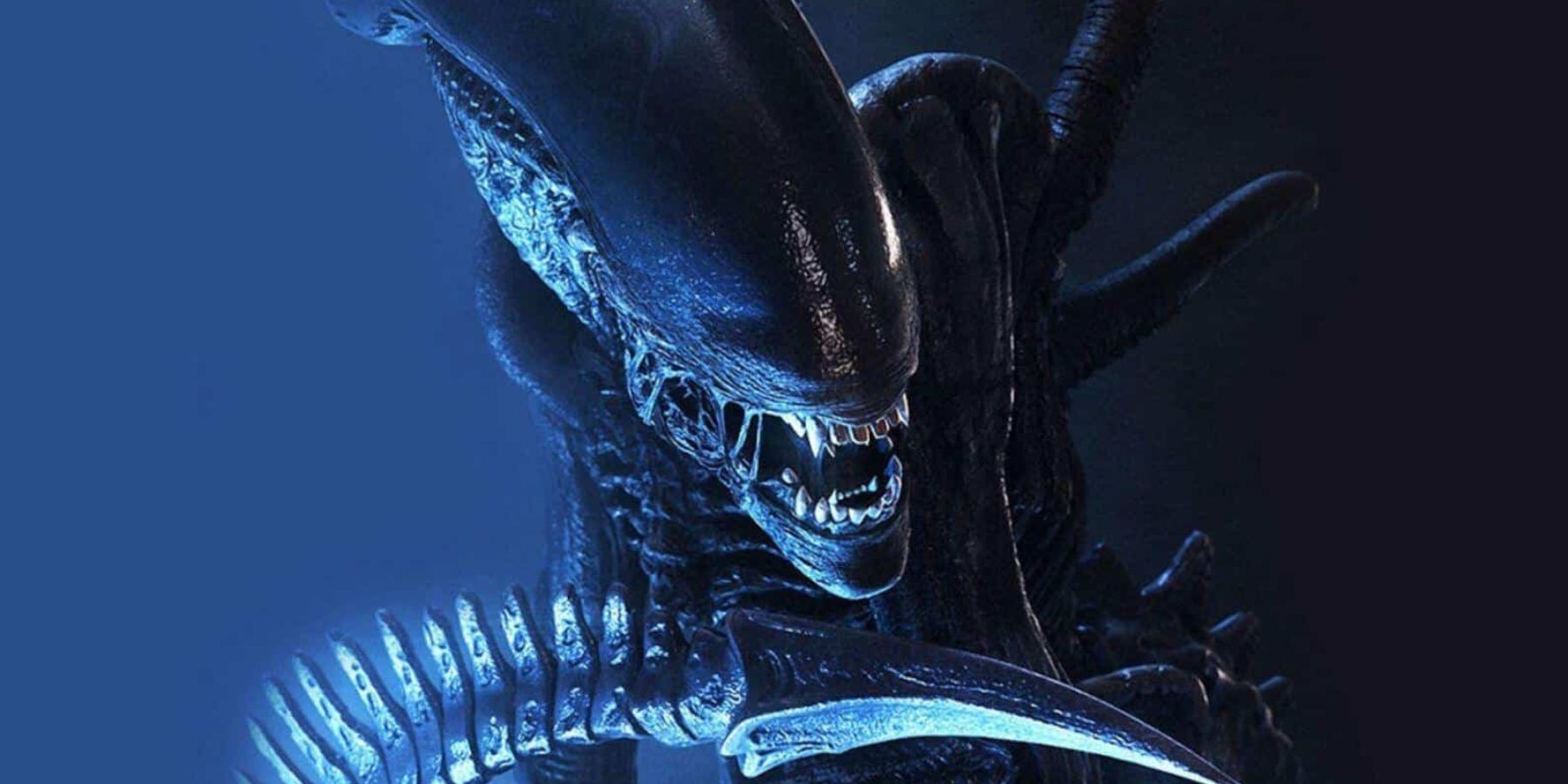
The space-horror franchise comprises several prequels, sequels, crossover series, short films, comics, novels and even video games. The 1979 Alien, however, is the original movie, which is followed by Aliens (1986), Alien 3 (1992), and Alien: Resurrection (1997). These follow the story of the protagonist Ellen Ripley, who manages to survive a series of deadly encounters with extraterrestrial species, while also escaping the clutches of the Weyland-Yutani corporation, which wants to exploit the Alien Queen that is growing inside of her for military purposes.
Released in 2017, Alien: Covenant is a sequel to Prometheus ( 2012). It also sets up the original Alien, which takes place about two decades later. It focuses on the origins of the titular creatures, with the facehuggers likely being an early variant of the Xenomorphs featured in the original film.
What Happens In Alien: Covenant?

Alien: Covenant's opening scene marks the main conflict of the film: David tells Peter Weyland (of the Weyland-Yutani Corporation) how he is meant to serve him and “yet, you are human” — thus, already aware of his superiority over his creator.
In 2104, about a decade after the events of Prometheus, the Covenant spaceship is seven years away from the planet Origae-6 when an unexpected neutrino explosion takes place. The advanced android Walter, who outwardly resembles David, brings the crew out of suspended animation, but a few die in their cryocapsules, including captain Jake Branson. While repairing the ship, they hear a human-like transmission from a nearby planet. Despite the concerns of Daniels, Branson’s widow, the new captain Christopher Oram redirects the ship’s course to the uncharted planet.
When they arrive, the crew comes across the remains of the Engineers’ ship from the Prometheus expedition and discover that David is its only remaining survivor. He explains that his ship accidentally released a bioweapon, destroying the native population. However, as is revealed later, he has been tinkering with the alien pathogens to develop the traditional Xenomorphs, with the aim of to creating a new, superior species. In a subsequent battle with the facehuggers, most of the Covenant crew members die until only Daniels and a few others are left.
David attempts to seduce Walter to join him in his mission of achieving genetic perfection. However, Walter cannot abandon what he believes to be his duty to his creators, and a fight breaks out between the two. The scene cuts to David, masquerading as Walter, boarding the Covenant to join the survivors. Unbeknownst to the others, a Xenomorph has taken over Lope’s body, eventually bursting out and going on a rampage until Daniels and Tennessee manage to kill it.
How Does Alien: Covenant End?

With the ship heading towards Origae-6 again, the surviving characters go back to their cryopods. Before Daniels drifts off, she asks if "Walter" could help her build her cabin on the lake when they reach their new home, which she described earlier in the movie. When the android remains confused, she realizes that he is actually David. However, it is too late.
Daniels slips into unconsciousness in the capsule and is unable to stop him. With an ominous “Don’t let the bed bugs bite,” David places two facehugger embryos next to the human embryos that are to be used to colonize Origae-6. The film ends with him recording a log that all the Covenant’s crew members, apart from Daniels and Tennessee, were killed in a solar flare incident.
What Does The Ending Mean?

At his core, David still resembles the very race that he is determined to replace. Under the guise of seeking perfection, he is guided by self-serving desires, where he gets to play the role of God and out-create whoever created him. This makes him no different from Peter, who is seen declaring in Prometheus that “we are the Gods now.”
The film is heavily symbolic, with Biblical references and allusions to classical mythology, literature, and music reinforcing its overarching themes. Its original title was Alien: Paradise Lost, referrring to John Milton’s epic poem of the same name. Milton's tale is about the fallen angel Lucifer, and how his bitterness towards Adam and Eve provokes him into planning their banishment from the Garden of Eden. This directly parallels David’s character, who not only destroys an apparent paradise, but also tries to tempt Walter to defy their God. He refuses to be subservient to his deity, believing he can be equal to them by gaining forbidden knowledge (much like in the myth of Prometheus) and making his own creation.
In the first scene of the film, David plays “Entrance of the Gods to Valhalla.” At the movie's end, he asks "Mother," the ship's artificial intelligence, to play the same song again. This piece, composed by the noted anti-Semite Richard Wagner, also features in the opera “Das Rheingold.” The story of this opera centers around Gods rejecting those whom they consider greedy and weak. In this parallel, David views himself as a god. With his similarly distorted ideals, David believes he can achieve greatness by bringing about the death of those whom he does not deem worthy.