


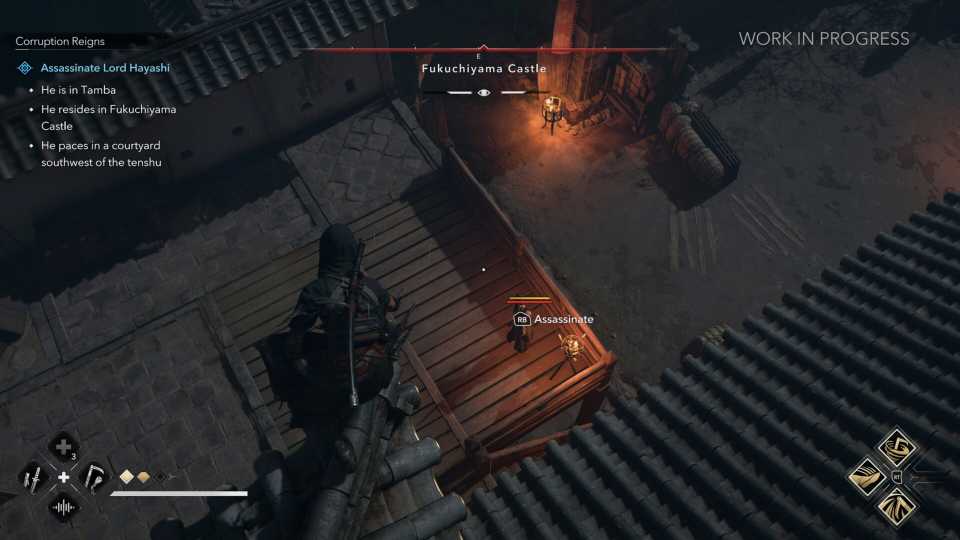
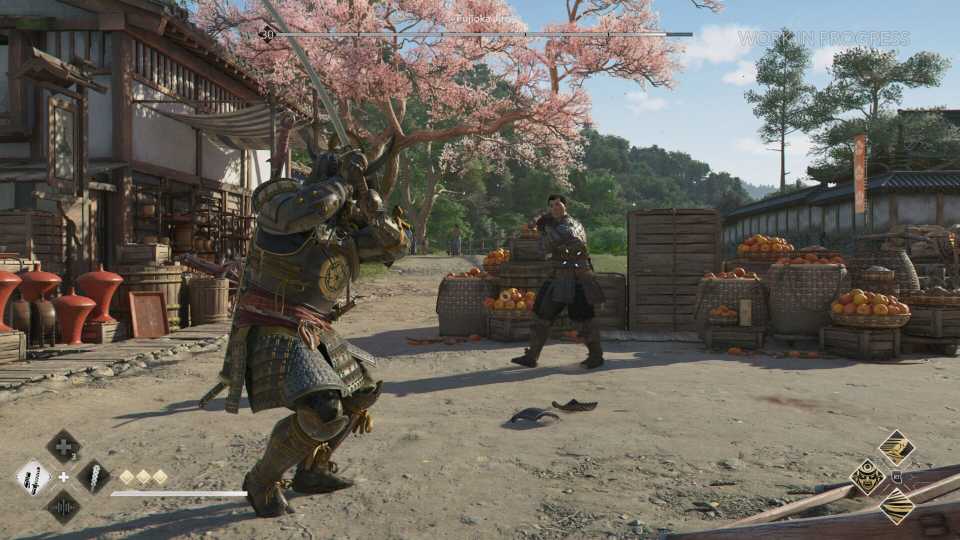
Assassin’s Creed is back this year, with many considering Assassin’s Creed Shadows to be a solid continuation of the franchise’s newfound RPG formula. Others, however, have argued that AC Shadows doesn’t do enough to evolve the framework introduced in Assassin’s Creed Origins, falling victim to the same pitfalls of bloat, excess, and clunky gameplay that plagued its predecessors. To these players, Shadows is a mere retread of old ground.
It’s interesting that this latest chapter in the Assassin’s Creed saga came just weeks before Doom: The Dark Ages, another highly anticipated entry in a long-running, recently reinvented series. But comparing Shadows and Dark Ages reveals that they could not be more distinct, not only in terms of gameplay, narrative, and tone, but broader design philosophy as well. Doom: The Dark Ages prioritizes bold and rampant innovation within its genre space, taking risks instead of recycling tried and true formulaic elements, whereas Assassin’s Creed Shadows feels like yet another minor iteration on the Origins template. Despite the major differences between the two games and franchises, there’s a lot that Doom: The Dark Ages can teach Ubisoft’s flagship stealth-action series.

Assassin's Creed Shadows and AC Hexe May Have the Same Weakness
Assassin's Creed Hexe may struggle with one element that AC Shadows also struggled with, as its setting may keep it from fleshing out that element.
Future Assassin’s Creed Games Should Take Inspiration from Doom’s Inventiveness
Modern Doom Puts Innovation First and Foremost, for Better and for Worse
If one were to ask a group of Doom fans which of the last three entries is the best, it’s highly unlikely that they would find a consensus: each release in the modern Doom trilogy is just that different. 2016’s Doom reboot kicked off the series’ contemporary identity, with a focus on storytelling, Doom Eternal cranked the intensity and speed up considerably, doubling down on the chess-like weapon-swapping system nascent in its predecessor, and Doom: The Dark Ages turns the player into a slower, deadlier, heftier wrecking ball of destruction and violence.
Each of these three games was developed with these high-level principles front-of-mind, allowing them to permeate every aspect of their design. There’s a remarkable level of consistency within each modern Doom game, demonstrating Id Software’s commitment to a firm and unique vision each go around, consequences be damned. In other words, Id Software had a specific plan with each new Doom game, turning the franchise into one of the most mechanically diverse in gaming history, whereas so many other AAA studios fight tooth and nail against such change.
Assassin’s Creed Could Learn from Doom’s Enthusiastic Embracing of Change
Change is inevitable, but it seems like series such as Assassin’s Creed only submit to it when they have no other choice: innovation and evolution within the AC franchise can sometimes feel driven by market demands and player feedback rather than any intrinsic creative drive. Put another way, Assassin’s Creed, in recent years at least, seems uncomfortable getting in front of change, making it a stark contrast from the likes of Doom, which is always choosing to evolve, even if it means losing the interest of some players.
This is important, because it means that Doom is in control of its creative identity, steering its inevitable evolution instead of dragging its feet and winding up one step behind. With each new Assassin’s Creed, longtime fans might get what they were expecting, but there’s hardly anything exciting about that, which may be why a lot of other players have drifted away from the franchise over time. At the very least, mindful and conscious reinvention keeps a franchise interesting.
Considering that Assassin’s Creed is essentially an anthology franchise at this point, a tradition of more radical reinvention seems long overdue. There’s little reason why playing as a Viking should feel at all similar to playing as a shinobi, but in Assassin’s Creed, that’s very much the case. A more gung-ho approach to change would be riskier, but could work in the series’ favor down the line.


Assassin's Creed Shadows



-
 OpenCritic Reviews
- Top Critic Avg: 81 /100 Critics Rec: 82%
- Released
- March 20, 2025
- ESRB
- Mature 17+ // Blood and Gore, Intense Violence, Language
- Developer(s)
- Ubisoft Quebec
- Publisher(s)
- Ubisoft









WHERE TO PLAY







Experience an epic historical action-adventure story set in feudal Japan! Become a lethal shinobi Assassin and a powerful legendary samurai as you explore a beautiful open world in a time of chaos. Switch seamlessly between two unlikely allies as you discover their common destiny. Master complementary playstyles, create your shinobi league, customize your hideout, and usher in a new era for Japan.
• Explore the captivating open world of feudal Japan, from spectacular castle towns and bustling ports to peaceful shrines and war-ravaged landscapes. Adventure through unpredictable weather, changing seasons, and reactive environments.
• Become Naoe, a shinobi Assassin, and Yasuke, a legendary samurai, as you experience their riveting stories and master their complementary playstyles. As Naoe, use stealth to avoid detection and agility to confound your enemies. As Yasuke, strike your foes with lethal precision and power. Unlock new skills, gear, and progression independently for each character.
• Make information your weapon as you explore the world, and build your own network of spies to be your eyes and ears across locations to hunt down your next target. Along the way, recruit new allies with unique abilities to help accomplish your missions.
• Create a fully customizable hideout for your growing shinobi league as you train your crew, craft new gear, interact with key characters, and choose your base’s layout, decorations, and accessories.
- Engine
- AnvilNext
- Franchise
- Assassin's Creed
- Number of Players
- 1
- Steam Deck Compatibility
- Unknown
- PC Release Date
- March 20, 2025
- Xbox Series X|S Release Date
- March 20, 2025
- PS5 Release Date
- March 20, 2025
- Platform(s)
- PlayStation 5, Xbox Series X, Xbox Series S, PC
- OpenCritic Rating
- Strong
- X|S Optimized
- Yes
