Summary
- AC Shadows is more like Rise of the Ronin than Ghost of Tsushima, focusing on internal conflict and RPG elements.
- Both games are set in periods of internal strife and cultural transformation, unlike Ghost of Tsushima's external focus.
- AC Shadows features livelier, denser environments and RPG elements, distancing itself from being a Ghost of Tsushima clone.
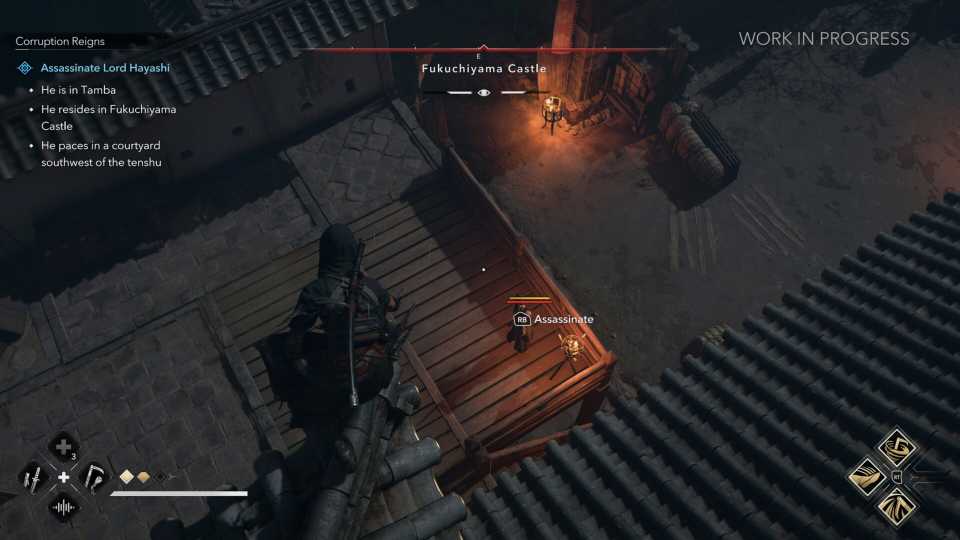
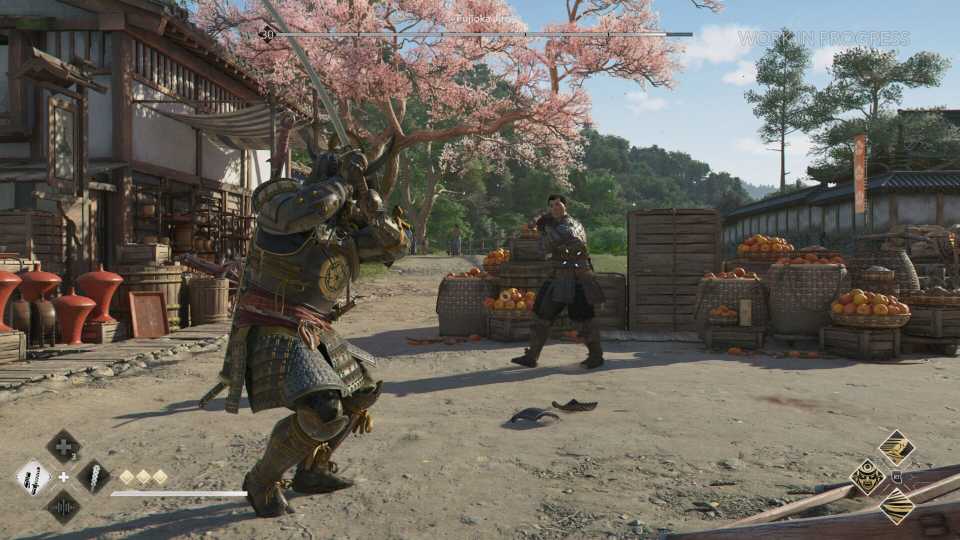
It's no secret now that Assassin's Creed Shadows has been compared to Sucker Punch's action-adventure game Ghost of Tsushima, and understandably so. Ghost of Tsushima is one of the most defining feudal Japan experiences of the last decade, if not the utmost defining samurai experience. As such, it would make sense for it to cast a shadow over anything that follows it, even if it is the next entry in Ubisoft's Assassin's Creed series. However, since Assassin's Creed Shadows' launch, it has interestingly proven itself to be more like Team Ninja's Rise of the Ronin than anything else.
For Assassin's Creed Shadows to be more like Rise of the Ronin than Ghost of Tsushima, it would need to observe a few core design principles. Specifically, Assassin's Creed Shadows' world design, gameplay philosophy, and approach to progression would need to mirror Rise of the Ronin's in order to effectively differentiate it from Ghost of Tsushima. As it turns out, each of those elements in Assassin's Creed Shadows is much more akin to Rise of the Ronin than Ghost of Tsushima, somewhat countering the criticisms Ubisoft's latest received prior to and following its release.

After Assassin’s Creed Shadows, The Series’ Bird Companion Hopefully Hasn’t Faced the Reaper
Assassin's Creed has been letting players have a bird companion for a couple of entries now, but AC Shadows has removed it entirely for some reason.
AC Shadows Is More Similar to Rise of the Ronin Than Ghost of Tsushima
Both Games Are Set During Periods of Internal Strife and Cultural Transformation
One of the most defining characteristics of Assassin's Creed Shadows and Rise of the Ronin is their setting, which is quite different from Ghost of Tsushima's, despite all three games taking place during Japan's feudal era. Ghost of Tsushima is set during the Mongol invasion of the 13th century, making its setting more about defending against external forces than anything else. Assassin's Creed Shadows and Rise of the Ronin, on the other hand, are set during periods of internal strife and cultural transformation, making their settings more about adapting to the conflicts of internal changes rather than warding off external invaders.
Both Games Emphasize Role-Playing Elements and a Livelier World
Another key characteristic that separates Assassin's Creed Shadows and Rise of the Ronin from Ghost of Tsushima is their emphasis on role-playing elements. Only in Assassin's Creed's modern era has it really leaned into the role-playing side of things, though its experimentation with such features has been ongoing for quite some time. Assassin's Creed Shadows, like Rise of the Ronin, features role-playing elements like skill trees, dialogue choices, gear customization, and even romantic relationships, most of which are either not found in Ghost of Tsushima or not heavily emphasized.
Assassin's Creed Shadows' world is also much livelier than Ghost of Tsushima's and actually resembles Rise of the Ronin's world even more. Ghost of Tsushima's open world may be its most distinctive and praised feature, but its more populated areas don't feel as dense or alive as those found in Assassin's Creed Shadows and Rise of the Ronin. Like Rise of the Ronin, many of Assassin's Creed Shadows' villages feature dense architecture and feel more active than those found in Ghost of Tsushima — which is likely due to Assassin's Creed Shadows and Rise of the Ronin's focus on cultural transformation and internal upheaval.
Assassin's Creed Shadows, like Rise of the Ronin, features role-playing elements like skill trees, dialogue choices, gear customization, and even romantic relationships, most of which are either not found in Ghost of Tsushima or not heavily emphasized.
While some comparisons between Assassin's Creed Shadows and Ghost of Tsushima are understandable given their shared setting, it is more abundantly clear that Ubisoft's latest Assassin's Creed entry more closely resembles Rise of the Ronin. From its focus on internal conflict and societal change to its layered RPG mechanics and denser environments, Assassin's Creed Shadows makes an open denial against claims that it is nothing more than a Ghost of Tsushima clone. If nothing else, it might even show how underrated Rise of the Ronin is, as it has had more influence than may have initially been expected.


Assassin's Creed Shadows



-
 OpenCritic Reviews
- Top Critic Avg: 81 /100 Critics Rec: 82%
- Released
- March 20, 2025
- ESRB
- Mature 17+ // Blood and Gore, Intense Violence, Language
- Developer(s)
- Ubisoft Quebec
- Publisher(s)
- Ubisoft