


Summary
- Yasuke's actions in Assassin's Creed Shadows spark outrage, allegedly challenging the boundaries of respect for Japanese culture.
- Fns defend the series, noting its historical accuracy does not target specific demographics for violence.
- Despite criticism, Assassin's Creed Shadows' Japan setting satisfies a long-held desire among fans of the series.
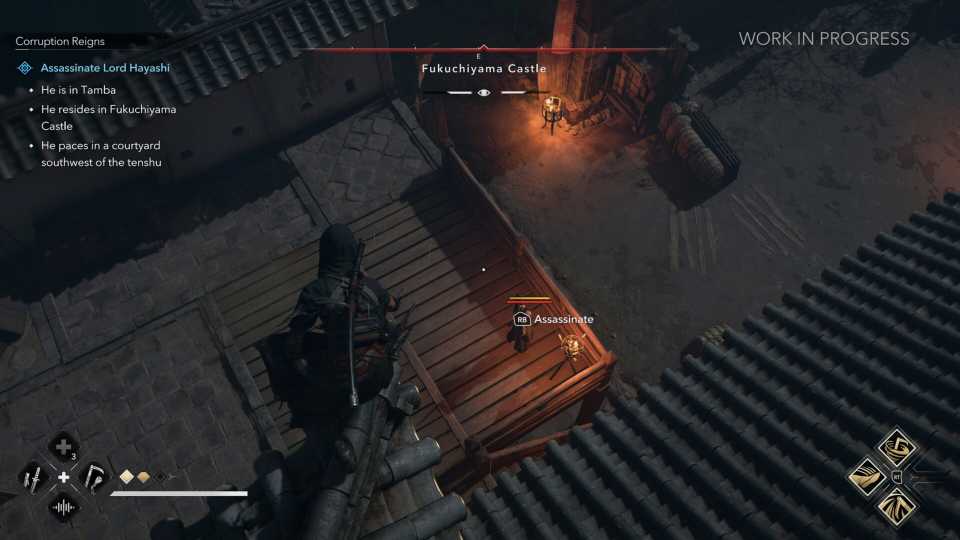
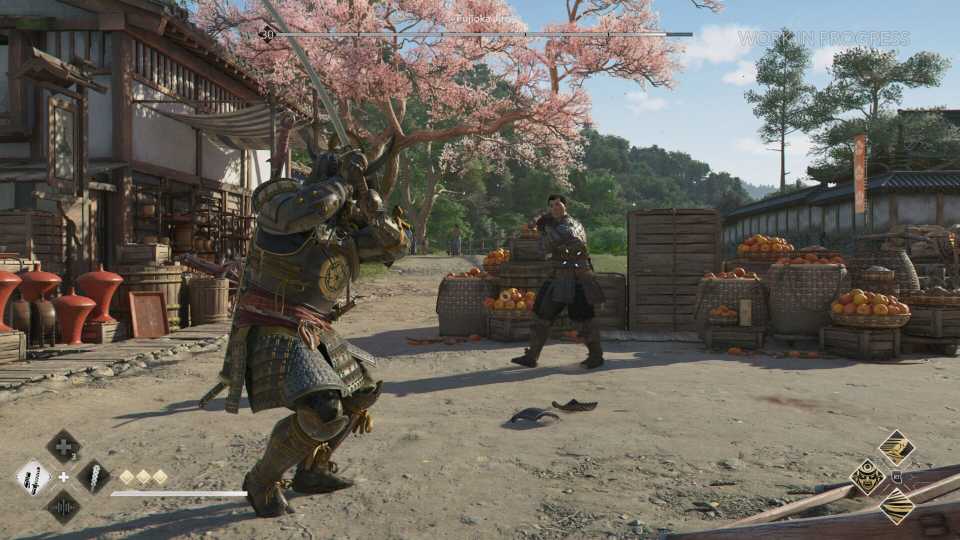
After seeing new gameplay where Yasuke dismantles a shrine in Assassin's Creed Shadows, some are outraged, but Assassin's Creed fans have pushed back saying that this is not new for the series. Over the years, many games have become more sensitive about the way they cover potentially touchy subjects, but with some franchises, gamers believe that controversial material comes with the territory and that it's up to the audience's discretion what they do or see in Assassin's Creed Shadows.
Assassin's Creed Shadows' portrayal of Yasuke has been criticized before. Many believe his presence alone is anomalous since the game depicts him as a Black person living in Japan during the Sengoku era, which would have been generally unlikely. However, Yasuke has been cited as a special case by the developers and various historians, since records prove that this specific person existed and was allowed special privileges as a samurai retainer, most notably, access to a sword.
After witnessing the character Yasuke destroy a shrine in Assassin's Creed Shadows, the game has received a new wave of negative feedback. Some such as Japanese YouTuber Shohei Kondo have reacted with outrage, stating that watching Yasuke raze a religious site lends itself to the consumption of Japanese culture while lacking respect for it. Kondo believes that Assassin's Creed Shadows represents the way hate towards Asian people gets dismissed. Some have suggested that while Kondo and others may have a point about the way Asian people and the media that come from their culture are treated, the Assassin's Creed franchise's characters may not be the best pick for this specific critique.
Assassin's Creed Shadows Spawns Another Controversy
Fans of the series have pointed out that the Assassin's Creed series doesn't deliberately target demographics of people as the focus of its violence. The mobs that players fight against tend to make up the assumed demographic of the land during that period, along with any artistic liberties that come into play when creating these works of fiction inspired by history. In the first Assassin's Creed game, players typically fought European crusaders. In Black Flag, players clash with Black and Indigenous pirates and European soldiers in the Caribbean. In Shadows, players tend to fight various Japanese samurai and foot soldiers. Beloved series protagonist Ezio notoriously takes out Assassin's Creed 2 villain Pope Alexander VI in a fistfight.
Fans have generally pushed back against the nitpicking that Assassin's Creed Shadows appears to be receiving for its attention to detail or lack thereof when it comes to historical accuracy. Some, such as Assassin's Creed source The Hidden One describe only seeing Assassin's Creed Shadows receive this much vitriol despite the series' tendency to rewrite history. Although many gamers have been excited about the prospect of an Assassin's Creed game set in Japan for a long time, it hasn't come without its own set of obstacles.
Source: Fandomwire


Assassin's Creed Shadows



-
 OpenCritic Reviews
- Top Critic Avg: 81 /100 Critics Rec: 82%
- Released
- March 20, 2025
- ESRB
- Mature 17+ // Blood and Gore, Intense Violence, Language
- Developer(s)
- Ubisoft Quebec
- Publisher(s)
- Ubisoft









WHERE TO PLAY







- Platform(s)
- PlayStation 5, Xbox Series X, Xbox Series S, PC
