


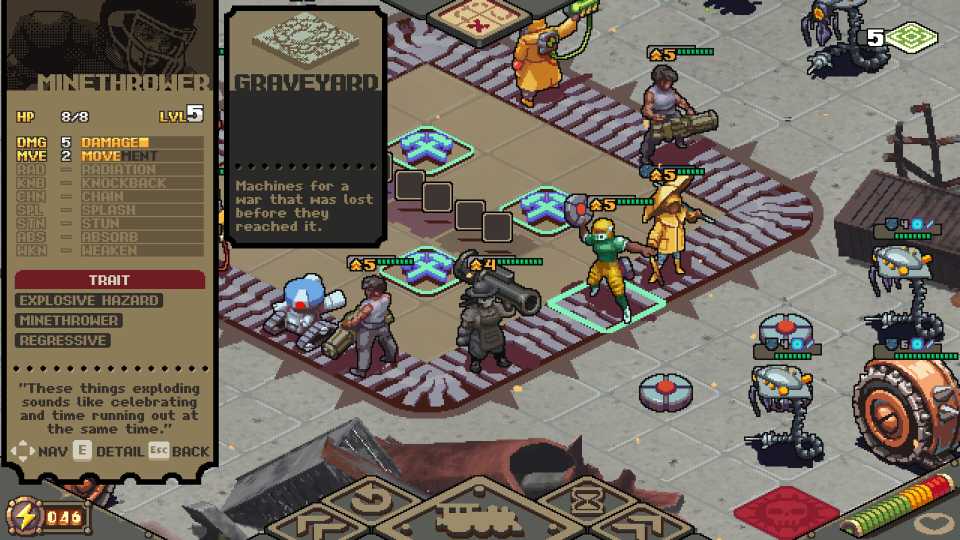
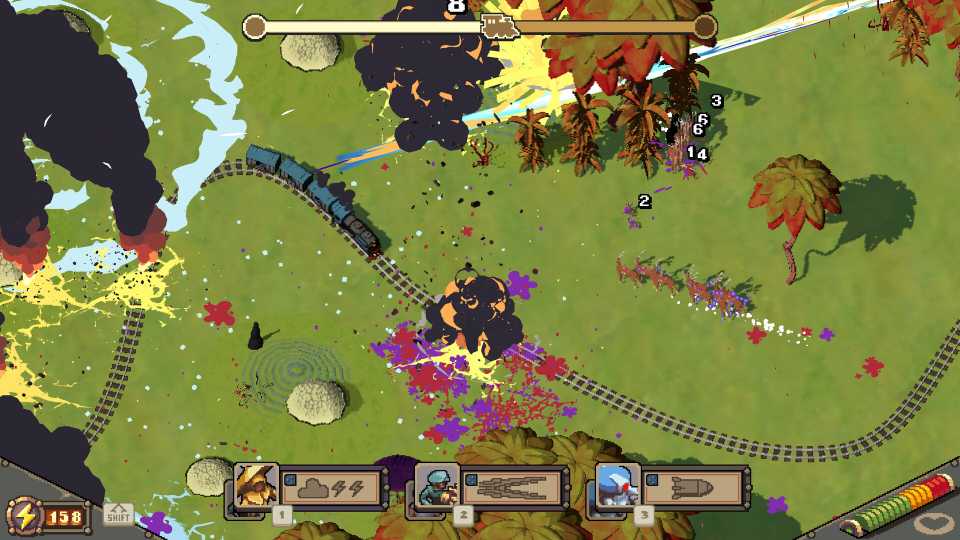
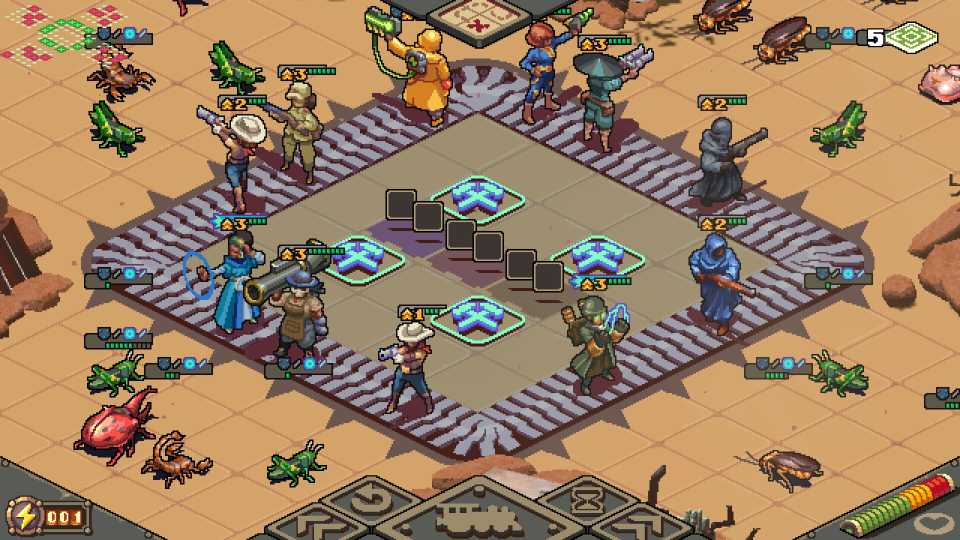
"The whole game is a risk," said developer Rami Ismail of his upcoming game, Australia Did It. Described as a "tactical reverse bullet hell," the game features players utilizing a diverse range of units to defend trains against seemingly endless hordes of monsters. Due to its unique combination of genres and Ismail working in genres he had not explored before, the developer felt that making Australia Did It was a risk — but one he embraced, as he believes it is essential for developers to take risks when possible.
To Ismail, Taking Risks Was Both Necessary And Freeing

Ismail felt that Australia Did It was a risk, both due to its unusual take on the strategy genre and because he had not previously made a strategy game. However, he appreciated stepping into a new genre. "[It] gave me the freedom to explore ideas that otherwise wouldn't be considered," Ismail said. "I wanted to try something that I could succeed or fail at, and hopefully do whichever one in an interesting way." And Australia Did It certainly is interesting, a genre fusion that requires a mix of quick thinking, solid strategy, and the ability to survive in fast-paced combat situations.
Initially, Ismail was unsure if he would be able to find a publisher for Australia Did It, as he found that publishers were often not willing to take chances on more inventive indie games that went outside the established genre norms. However, when he pitched the game to publisher Mystic Forge, their enthusiastic and positive reaction was quite unexpected:
"Mystic Forge was immediately on-board, and I honestly didn't expect that given how weird this game is. They understood the concept of the game immediately — a tiny-tense strategic game. I hadn't heard of them before, but the way their team talked about the potential of the game, and the way they got behind it fully despite it being an unproven concept from a developer with no experience in that field really felt special at this time in the industry."
Ismail Believes Developers Taking Risks Is Necessary

Much of Ismail's worry that Australia Did It would not find a publisher came from his observations regarding the current state of the inventory, especially the changing relationship between developers and publishers. He noted that many of the more unique indie titles that have seen success in recent years, such as games like Balatro and Peak, were funded without the help of a publisher or only began working with a publisher later in development.
Ismail hopes that partnerships like his own with Mystic Forge will become more common in the future, and that developers will feel more comfortable taking risks and experimenting with unique genres or combinations of genres, rather than strictly adhering to market data. "I'm incredibly grateful I've gotten to make Australia Did It, and I really hope more publishers will be up for taking risks outside their spreadsheets," he said. "Developers deserve to take risks, players deserve developers that can explore new ideas, and if publishers can't support that, then games publishing is doomed."

Whether Australia Did It succeeds or fails, Ismail is glad he took the risk and experimented with something new. He's also looking forward to seeing how players utilize the many different unit types and 1000+ unit combinations available to experiment with in the game. Australia Did It is something the tactical strategy and tower defense genres have never seen before, requiring players to think on their feet and make snap decisions with immediate consequences — and, if they choose wrong, they might find themselves meeting their end on the bottom of the mysteriously dry basin that was once the Atlantic Ocean.


- Developer(s)
- Aesthetician Labs, Rami Ismail
- Publisher(s)
- Mystic Forge


WHERE TO PLAY

- Genre(s)
- Strategy, Tower Defense, Bullet Hell
