


Summary
- The Castlevania series relies on quality games, with few bad titles & many considered among the best.
- Konami may not release new Castlevania games, so fans seek past titles, like the Dominus Collection.
- Titles like Curse of Darkness, Simon's Quest, & Dracula X offer unique gameplay mechanics & challenges.
Castlevania is one of the most iconic video game franchises of all time. The series has spanned decades, numerous consoles and generations, and countless different iterations. Despite the different iterations, one thing remains relatively consistent – the quality of the games themselves. Few Castlevania games are considered bad, and many (if not most) sit among the best games of their respective consoles.
At this point, Konami does not appear all that interested in reviving Castlevania with any new releases, although the company might publish the occasional compilation package. Consequently, fans will need to look to the past to get their fill of the best Castlevania games.
Updated May 11, 2025, by Rhenn Taguiam: With Season 2 of Castlevania: Nocturne involving an even deeper dive into Castlevania lore, fans of the Castlevania series might wonder what else is hiding in the franchise’s history. Thankfully, the Castlevania franchise is rich in its slate of video game titles available for fans. All of these games feature unique stories about how a member of the Belmont Clan has used the Vampire Killer (and other tools) to ensure Dracula isn’t fully revived. Among the must-try titles in the Castlevania franchise include its first and second outings on the Game Boy console, as well as its first foray into a full 3D experience.
22 Castlevania: The Adventure (Game Boy)
A Short Demo Of The Game Boy Experience


Castlevania: The Adventure Rebirth
- Released
- October 27, 2009


WHERE TO PLAY


- ESRB
- t
- Genre(s)
- Platformer, Action-Adventure

For all intents and purposes, Castlevania: The Adventure for the Game Boy is less of a complete Castlevania experience and more of a proof of concept for handheld titles. Taking place a century before the original Castlevania and a century afte r Castlevania 3: Dracula’s Curse, The Adventure tells the story of Christopher Belmont as he is tasked to defeat the resurrected Dracula. Unfortunately for Christopher, his journey is made more difficult by the Game Boy’s limited capabilities.
Gone are sub-weapons, and instead weapons can be upgraded — except they get downgraded as soon as Christopher is damaged. The game rewards players with Hearts after reaching certain point thresholds, which can then be used to restore his health. Stairs are replaced by a lot of ropes, and Christopher moves at a rather frustrating pace. Thankfully, The Adventure does cap its journey after four levels. For hardcore fans, this can be quite a limited experience, but it might be enough for a casual player looking for a damnably difficult platformer.
21 Castlevania 2: Belmont’s Revenge (GB, GBC)
A Shorter, But More Comprehensive Take For Early Handhelds



- Released
- July 12, 1991
- ESRB
- t
- Developer(s)
- Konami
- Publisher(s)
- Konami
- Franchise
- Castlevania

WHERE TO PLAY
- Genre(s)
- Platformer, Action-Adventure
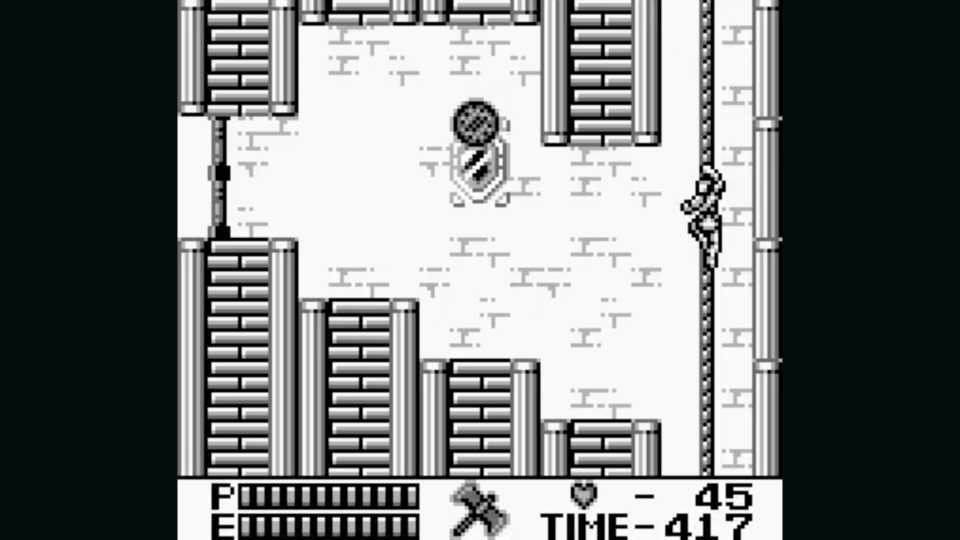
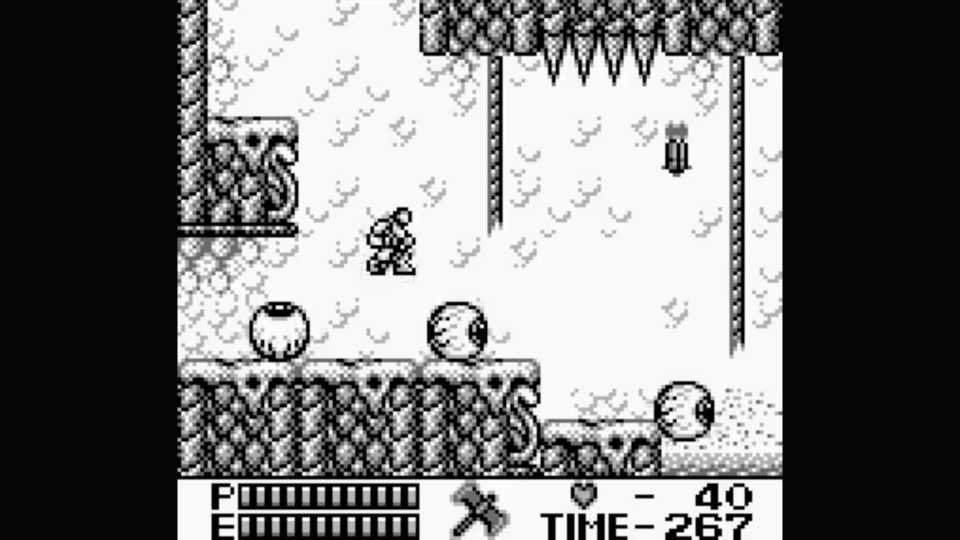
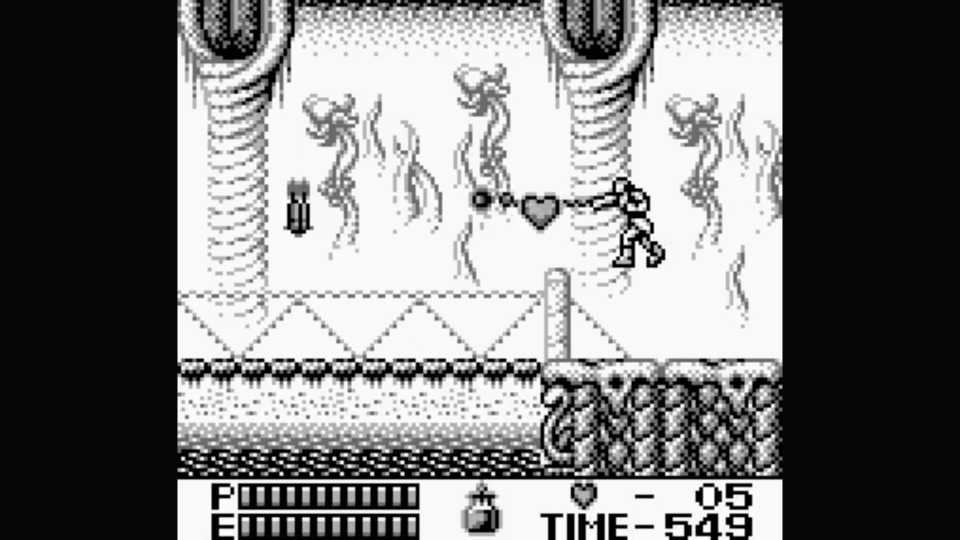
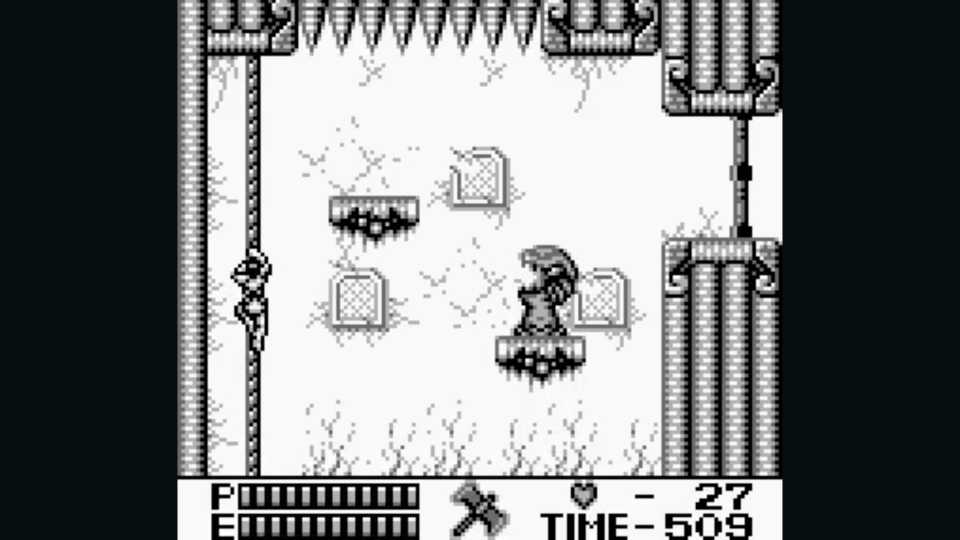
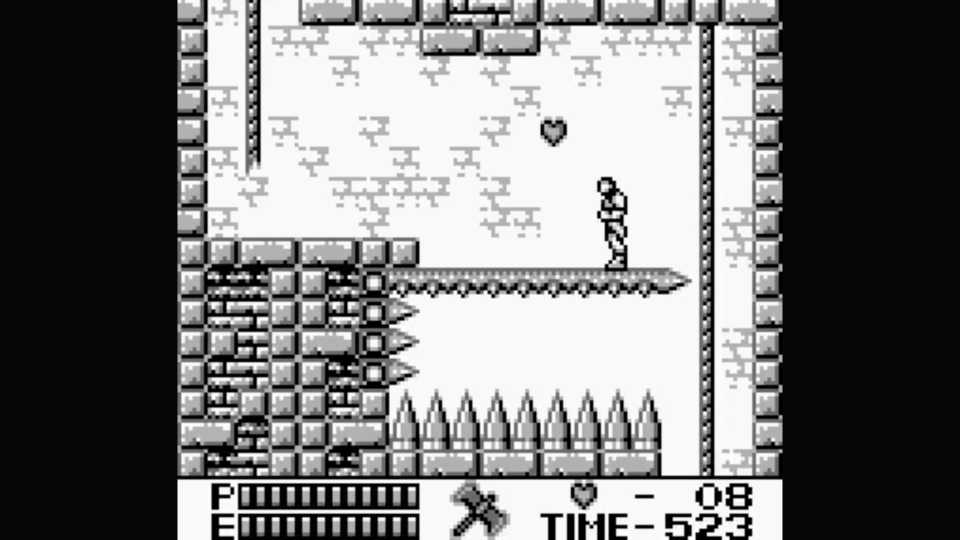
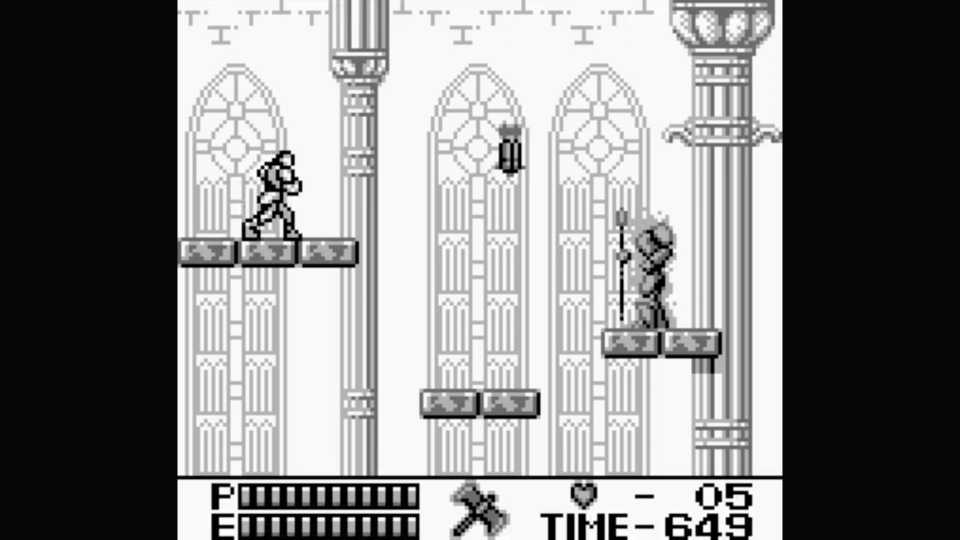
Taking place 15 years after the events of The Adventure, Castlevania 2: Belmont’s Revenge is a more personal story for Christopher Belmont, as Dracula’s unexpected return comes with the kidnapping of his rival’s younger son. This more invested Christopher is still rather clunky in movement, but his new journey now takes place in more atmospheric iterations of Dracula’s Castle, with selectable levels taking place in themed environments. Sub-Weapons finally appear in the Game Boy (or Game Boy Color) title, such as Holy Water, the long-ranged horizontal Cross, and the upward arc of the Axe that can bypass barriers and walls.
The game is praised for returning Sub-Weapons and featuring more extensive graphics and refined controls. However, it is still criticized for its rather slow-moving protagonist, lackluster platforming, and maintaining a short four-level story. Still, the game is a significant step up when compared to The Adventure, and a welcome middle-ground before more impressive handheld titles.
20 Castlevania: Legacy Of Darkness (N64)
An Odd Upgrade Released In The Same Year As Its OG Title


Castlevania: Legacy of Darkness
- Released
- December 8, 1999
WHERE TO PLAY
- ESRB
- T For Teen // Animated Blood, Animated Violence
- Genre(s)
- Platformer, Action-Adventure, Survival Horror
Remakes and remasters are not new, but an upgraded version released in the same year as the original is quite an oddity. Castlevania: Legacy of Darkness is practically an enhanced version of Castlevania 64. However, unlike other “enhanced” editions, Legacy of Darkness players can’t use original protagonists Reinhardt and Carrie. Instead, they use the Wolfman Cornell, who has a different skillset (and a super form) as well as a campaign that serves as a prequel to the story. After finishing his journey, players can use the gun-toting knight Henry Oldrey.
Although set in the same castle, Legacy of Darkness boasts new and redesigned levels complete with different puzzles. These are a welcome addition, given how the game also comes with a more streamlined camera and overall gameplay, complete with better texture work. Considering the more time-intensive nature of Henry’s missions, it seems more efficient to still play Castlevania 64 first instead of solely playing Legacy of Darkness.
19 Castlevania 64
Castlevania’s First 3D Entry


Castlevania 64
- Released
- January 26, 1999

WHERE TO PLAY

- ESRB
- m
- Developer(s)
- Konami
- Genre(s)
- Action-Adventure, Platformer

Although merely named Castlevania, this 1999 release came at a time when there were already quite a lot of Castlevania entries on the market. Thus, fans called it Castlevania 64 for its release on the Nintendo 64. Set in 1852, Dracula and Castlevania’s return is once again met by resistance by humanity’s saviors — not by Belmonts, but their heirs Reinhardt Schneider and spellcaster Carrie Fernandez. Reinhardt will have to trust the flexibility of the Vampire Killer to vanquish foes, while Carrie can rely on her homing spells.
Being the initial switch to 3D, many early gamers (and sometimes modern players) criticize the game for its clunky camera, janky controls, and steep learning curve. However, the game compensates with its atmospheric allure. Fans expecting a full-blown horror experience won’t be blown away by the limited graphics, but Castlevania 64 is a true Castlevania experience with its setup: a grand castle, many unnecessary death traps, weirdly-placed platforms, and odd monster choices like skeletons on motorcycles. Fans who want to witness the first foray of Castlevania into 3D should try Castlevania 64, and think of its janky nature a part of the challenge.
18 Castlevania: Curse Of Darkness
A 3D Title And A Surprising Departure From The Franchise


Castlevania: Curse of Darkness
- Released
- November 1, 2005
WHERE TO PLAY
- Developer(s)
- Konami
- Genre(s)
- Action-Adventure
Considered the fourth 3D title in the predominantly side-scrolling franchise, Castlevania: Curse of Darkness is a surprising departure from the series in a number of ways. Aside from its three-dimensional gameplay, it’s one of the few games in the series to not star a Belmont and not use their signature Vampire Killer whip. Instead, the game stars the Devil Forgemaster, Hector, as he returns to Dracula’s Castle after betraying Dracula, hell-bent on killing fellow Forgemaster, Isaac, for murdering his wife. Set just years after Castlevania 3: Dracula’s Curse, players control Hector as he uses his knowledge of the dark arts to fight the very same people he used to ally with.

Castlevania: Strongest Belmonts, Ranked
All members of the Belmont clan are skilled vampire hunters, but who is the strongest of them all?
The more open areas of Curse of Darkness showcased various locales that certainly removed the monotony of the castle setup in the game’s predecessor, Lament of Innocence. Instead of a whip, Hector can use a myriad of weapons to unleash combos on foes, with movement mechanics such as quick rolls forming the basis of dodging and outpacing opponents. Unique to the game is the concept of the Innocent Devil, or companions that Hector can summon to aid him in combat through effects such as healing, elemental attacks, and other buffs.
17 Castlevania Chronicles
Two Games In One Full Package


Castlevania Chronicles

- Released
- July 23, 1993
WHERE TO PLAY
A game as old as the first Castlevania title is no stranger to remakes, and Castlevania Chronicles proves just how wild the idea can get. Whereas usual titles simply get a “remake” years later and a “reboot” just to spice things up, Castlevania Chronicles contains two versions of a remake — both just as interesting to play. The former is the Sharp X68000 version (Original Mode) of the original Castlevania made for the PS2. These features added items and redesigned stages, all the while retaining the series' infamous difficulty that deliberately prioritized skill-based play.
Meanwhile, the second Arrange Mode includes graphics and gameplay much closer to Rondo of Blood and Symphony of the Night, all in all making the experience more “modernized,” but also more user-friendly in terms of its difficulty. Its Arrange Option allows players to adjust the game's levels, maximum number of players, and even lets players turn off the infamous time limit of older titles.
16 Castlevania 2: Simon’s Quest
An Ambitious Attempt At An RPG


Castlevania II: Simon’s Quest
- Released
- August 28, 1987
WHERE TO PLAY

- ESRB
- E For Everyone // Mild Fantasy Violence
- Developer(s)
- Konami
- Genre(s)
- Platformer, Action-Adventure, Fighting, Action RPG
When Dracula curses Simon Belmont upon his death, Simon’s Quest needs the Vampire Hunter to find Dracula’s remains and destroy them — killing him for good. Set not just in Dracula’s Castle but rather throughout Transylvania, Simon has to liberate villages across seven towns and defeat creatures in dark manors; all for the sake of finding Dracula’s remains. The game’s more open-ended structure made the game all the more immersive, with the mechanics of finding and destroying Dracula’s scattered pieces made vague to add to the suspense.
Simon’s Quest introduces a day-night cycle that adds variety to its gameplay, as players can only shop by day and constantly have to fight enemies at night. For a rushed sequel, Simon’s movement and attacks feel fluid and deliberate, making killing enemies as fun as it was in the prequel. Unfortunately, the game feels rather lackluster in its graphical direction and grindy nature, as Simon needs to constantly use Hearts — which drop quite rarely from enemies — in order to upgrade his arsenal.
15 Castlevania: Dracula X
One Of The Most Challenging Castlevania Titles


Castlevania: Dracula X
- Released
- July 21, 1995
WHERE TO PLAY
- ESRB
- t
- Developer(s)
- Konami
- Genre(s)
- Platformer
Although labeled as a port of Rondo of Blood and following Richter’s story of saving his lover, Annet, the overall structure of Castlevania: Dracula X has been radically altered so that fans consider it a new game entirely. Coming with the game’s upgraded graphics and more solid sprite-work is significantly more challenging gameplay. The overall structure of Dracula’s Castle has been altered to feature more pitfalls and punishing foes, with more time-dependent movement, making the experience more challenging overall.
Playing as Maria has been cut from the game, and she’s been made a sister of Annet who needs rescuing, even though they weren’t related in the original title. While there are two separate endings, players need to replay the whole game to explore both possible conclusions. The lack of multi-directional whip attacks forces players to be more intentional with their attacks. All in all, these elements make Dracula X one of the hardest Castlevania entries in the series — which in itself might interest players looking for a challenge in their Castlevania marathons.
14 Castlevania: Harmony Of Despair
A Unique Take On Multiplayer


Castlevania: Harmony of Despair


- Released
- August 4, 2010
- ESRB
- t
Konami occasionally tried something different with Castlevania, and these risks were often mixed bags. Harmony of Despair is a difficult game to outright recommend since it is quite a departure from the franchise's status quo, and a player's enjoyment is likely to come down to their tolerance for grinding and whether they have a few friends to play with. Unlike nearly every entry in the series, this 2010 release prioritizes multiplayer, although solo runs are possible as well.

Best Indie Metroidvania Games
These metroidvania games made by indie developers are a great way to experience the genre at its best.
Rather than a standard story, the campaign consists of largely unrelated levels that conclude with boss fights. Players can pick from six characters taken from across the franchise, and the game's replay value comes from mastering these warriors and engaging in a finicky loot system. Although inconsistent, Harmony of Despair's action is generally enjoyable, and it is fun to revisit locations from older games. The characters also have quite a bit of depth, and they should complement most preferred play styles. In multiplayer, this title can be quite fun, but it is mostly frustrating in single-player.
13 Castlevania: Harmony Of Dissonance
A Decent Game Boy Entry For Casuals


Castlevania: Harmony Of Dissonance
- Released
- September 16, 2002
WHERE TO PLAY
- Developer(s)
- Konami
- Genre(s)
- Action-Adventure
Harmony of Dissonance is one of the most polarizing entries in the Castlevania franchise, especially since it is sandwiched between two superior releases in Circle of the Moon and Aria of Sorrow. That said, the GBA release has enough positives to be worth a recommendation for die-hard fans, although they should be prepared for a surprisingly easy experience, aimless exploration, and a repetitive campaign. The music is also among the franchise's weaker efforts.
Still, the gameplay is fine enough, as is the weapon selection. The visuals are extremely bright, but they are not bad for the GBA and produce some pretty attractive environments.