


For years, open-world games were all about size—bigger maps, longer playtimes, more side quests. But a handful of games did something different. They didn’t just expand their worlds; they redefined what an open world could feel like. They broke conventions, erased invisible walls, and let players create their own stories in ways that felt revolutionary.

8 Best Open World Games With Animal Taming
Many open world games feature some form of animal taming, from capturing and riding mounts, to using pets to help in combat.
Over the years, the genre has evolved from simple pixelated landscapes to intricately designed worlds that react to every choice and action. Some titles introduced seamless exploration that made every corner of the world worth discovering. Others gave players unprecedented freedom, where even the smallest decisions shaped their journey. And a few pushed boundaries so far that they changed the industry forever.
From the crime-infested streets of Liberty City to the untamed wilds of Hyrule, these games have practically redefined the open-world genre, setting standards for immersion, player agency, and design.
10 Ultima I: The First Age Of Darkness
Pioneered Nonlinear Exploration And Player-Driven Storytelling
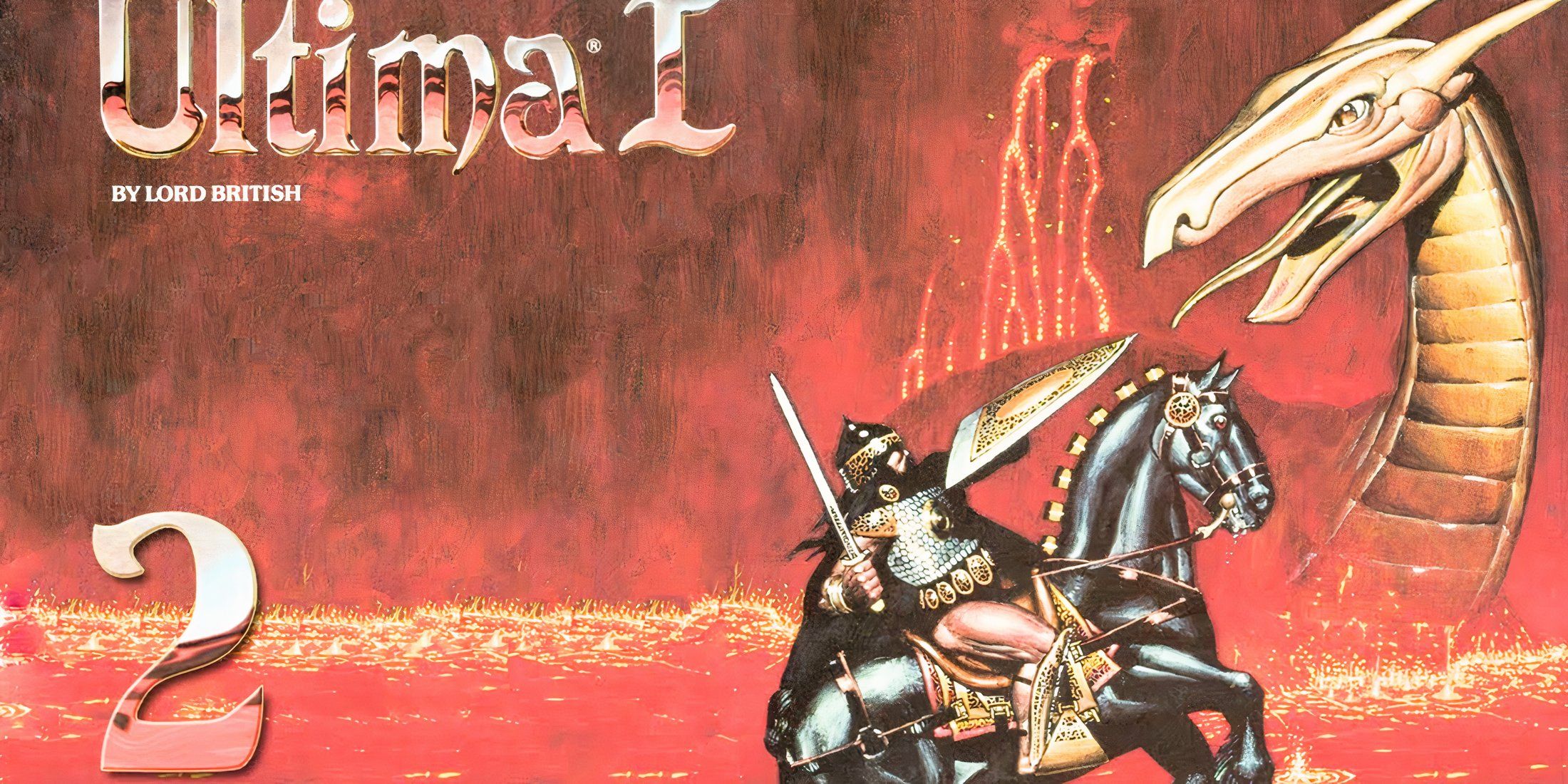
Ultima I: The First Age of Darkness

The debate over the first true open-world game could go on forever, but Ultima I: The First Age Of Darkness makes a compelling case as the one that really mattered. For its time, it was revolutionary; it offered a vast, player-driven world when most games still followed rigid, linear paths. Character creation, open-ended exploration, and deep RPG mechanics gave players an unprecedented sense of agency, laying the groundwork for the genre’s evolution and setting the stage for everything from Final Fantasy to The Elder Scrolls.
That’s not to say Ultima didn’t have its eccentricities. A medieval fantasy epic that suddenly pivots into a sci-fi space shooter? That was a bold move. But if nothing else, it proved that throwing wild ideas at the wall sometimes leads to brilliance and genre-defining classics.
9 Shenmue 2
Groundbreaking World Where NPCs Had Lives, Schedules, and Realistic Routines
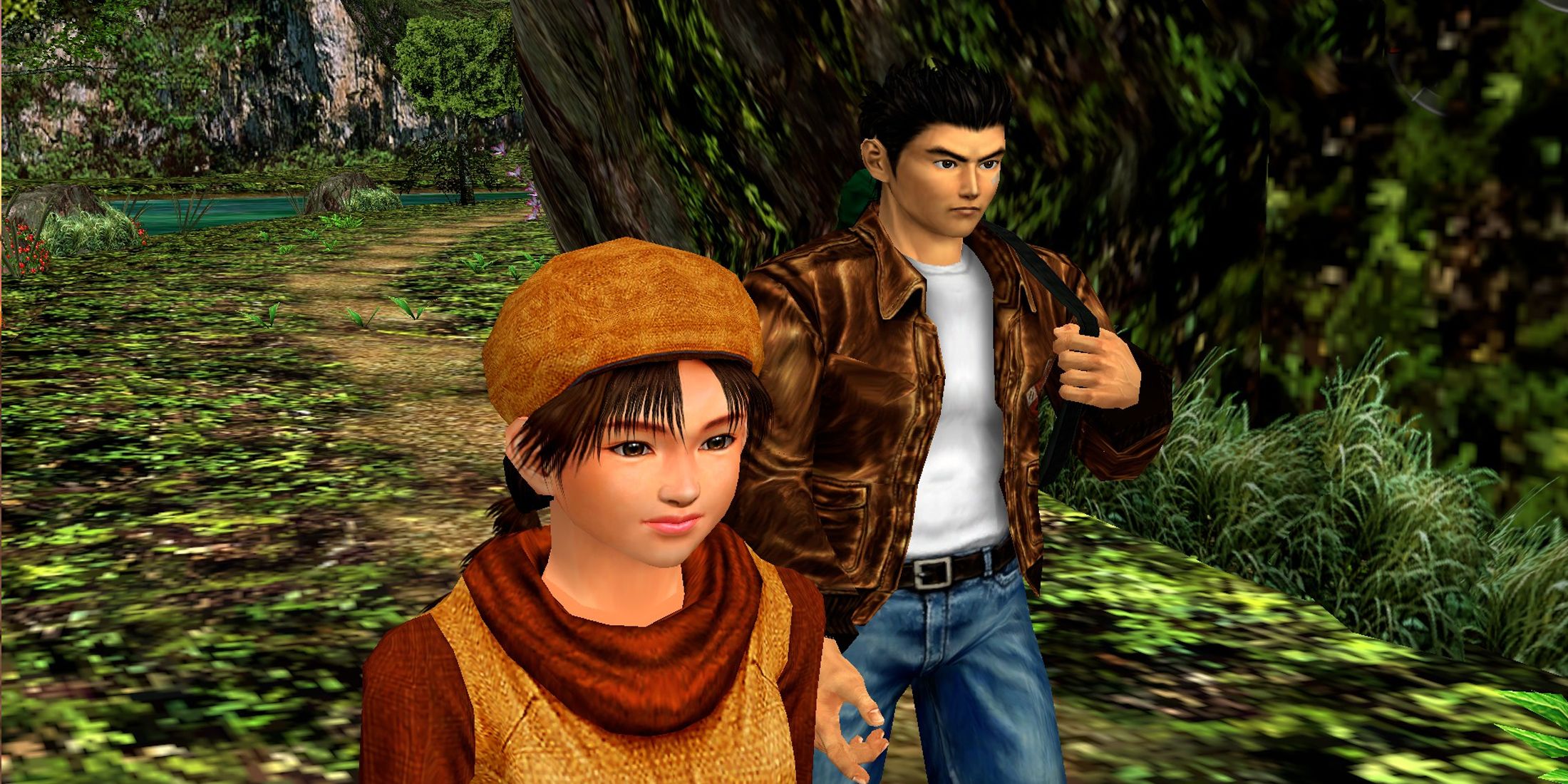
Shenmue 2
- Released
- November 23, 2001
- ESRB
- t
- Developer(s)
- Sega
- Publisher(s)
- Sega, Microsoft Game Studios
- Engine
- Unreal Engine 4
- Franchise
- Shenmue
- Platform(s)
- PC, PS4, Sega Dreamcast, Xbox (Original), Xbox One
- Genre(s)
- Action-Adventure
- OpenCritic Rating
- Fair
Before open-world games were obsessed with size, Shenmue 2 was obsessed with depth. Hong Kong wasn’t just a backdrop—it was alive. NPCs had routines, shops opened and closed on schedule, and every back alley held secrets waiting to be uncovered. Players could hunt for clues, train in martial arts, or kill time gambling and playing arcade games because, for once, the world didn’t rush them forward.
In fact, it was literally a masterclass in immersion. Real-time weather, fully voiced dialogue, and a level of detail unheard of at the time made it feel like stepping into another life. And admittedly, its slow-burn pacing wasn’t for everyone, and its financial flop nearly took the franchise down with it, but its legacy is undeniable. From Yakuza to Red Dead Redemption, modern open-world games are still chasing the level of realism and atmosphere Shenmue 2 nailed decades ago, which is proof of how far ahead of its time it really was.
8 Grand Theft Auto 3
The First Fully 3D Open-World Game That Let Players Cause Chaos However They Wanted

Grand Theft Auto 3
- Released
- October 23, 2001
- ESRB
- M for Mature: Blood, Strong Language, Violence
- Developer(s)
- Rockstar Games
- Publisher(s)
- Rockstar Games
- Engine
- RenderWare
- Franchise
- Grand Theft Auto
- Platform(s)
- PS2, Xbox (Original), PC, macOS, Android, iOS
- How Long To Beat
- 15 Hours
Before Grand Theft Auto 3, open-world games existed, but none truly felt so alive. Then came Liberty City—a gritty, pulsating metropolis teeming with crime, corruption, and endless opportunities for chaos and dark humor. For the first time, players weren’t just following a script; they were writing their own. With its fully realized 3D world, nonlinear missions, and unpredictable sandbox gameplay, GTA 3 set the gold standard for open-world design and in doing so, became a cultural phenomenon.

13 Great Games To Play While Waiting For GTA 6
Grand Theft Auto 6 is likely still a long way off. Luckily, there are some games with a similar feeling that you can dive into while waiting!
Nothing felt off-limits. Hijack a taxi and moonlight as a cab driver? Sure. Go on a rampage and see how long one can outrun the cops? Why not? Every alley, every stolen car, every mission layered into a city that felt as unpredictable as real life. And while its silent protagonist, Claude, never uttered a word, the world of Grand Theft Auto 3 spoke volumes—a brutal story of crime, ambition, and power plays like never seen before.
7 Minecraft
A Limitless Sandbox Where Players Shape the World With Infinite Possibilities
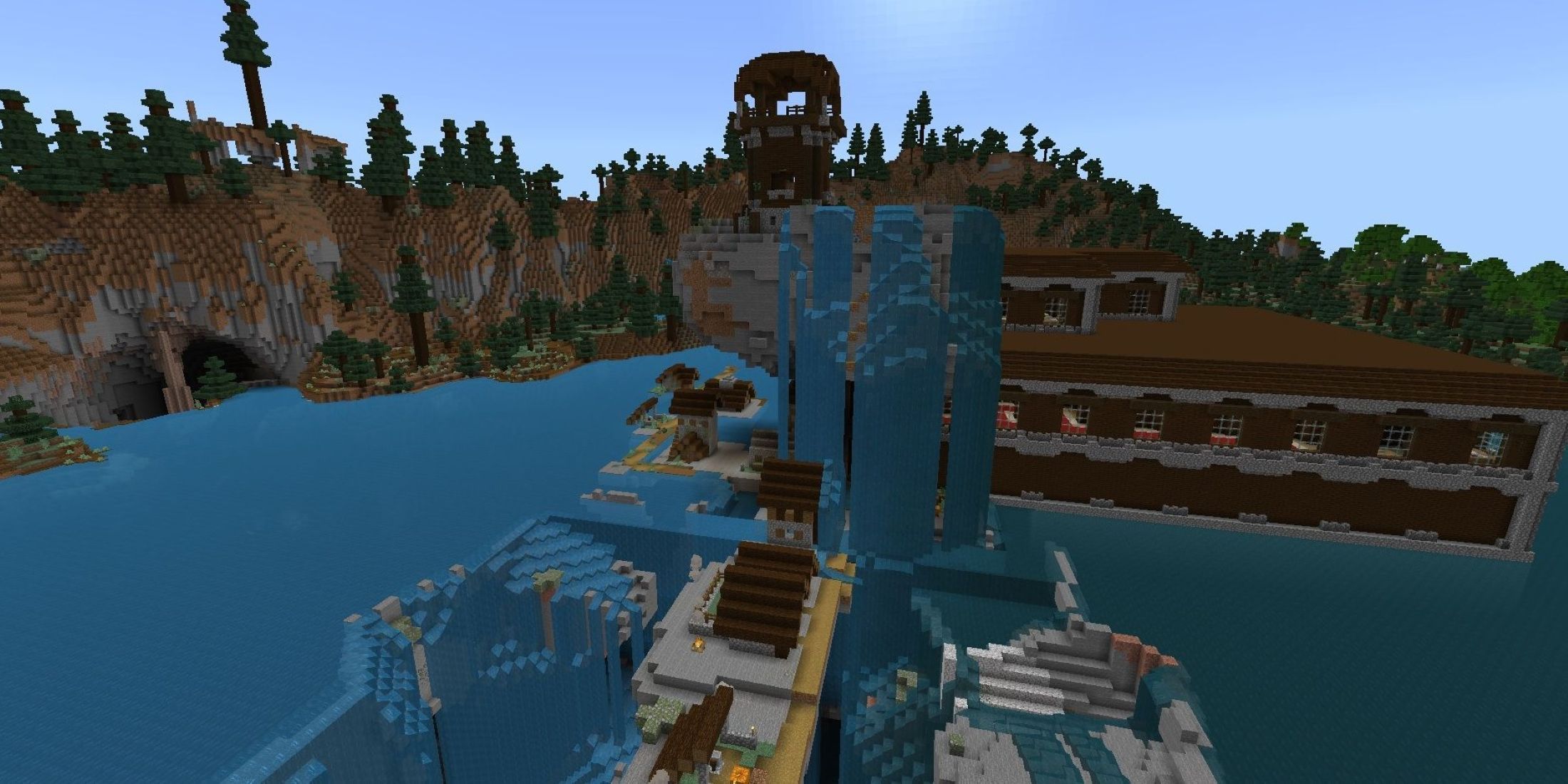
Minecraft
- Released
- November 18, 2011
- ESRB
- E10+ For Everyone 10+ Due To Fantasy Violence
- Developer(s)
- Mojang
- Publisher(s)
- Mojang
- Engine
- LWJGL, PROPRIETARY ENGINE
- Multiplayer
- Online Co-Op, Online Multiplayer
- Franchise
- Minecraft
- Platform(s)
- 3DS, Android, iOS, Nintendo Switch, Nintendo Wii U, PC, PlayStation 3, PlayStation 4, PS Vita, Xbox One, Xbox 360
- Genre(s)
- Sandbox, Survival
- OpenCritic Rating
- Mighty
More than just a game, Minecraft has become a cultural and gaming icon, proving that open-world games aren’t just about scale or realism, but about the freedom to create, explore, and reshape the experience with every playthrough. Instead of following quests or rigid objectives, players are dropped into a limitless, procedurally generated world and given the freedom to create, explore, and survive however they want.
One player might spend hours constructing a medieval city, while another dives deep underground, battling Creepers and unearthing rare resources, with the game’s sandbox approach making every playthrough unique More than a decade later, the Minecraft community continues to push boundaries with innovative mods, massive multiplayer servers, and endless creativity, proving that the best open worlds aren’t just explored, they’re built from the ground up.
6 Assassin's Creed 4: Black Flag
Introduced Naval Exploration, Pirate Combat, And Classic Assassin Gameplay In One Game
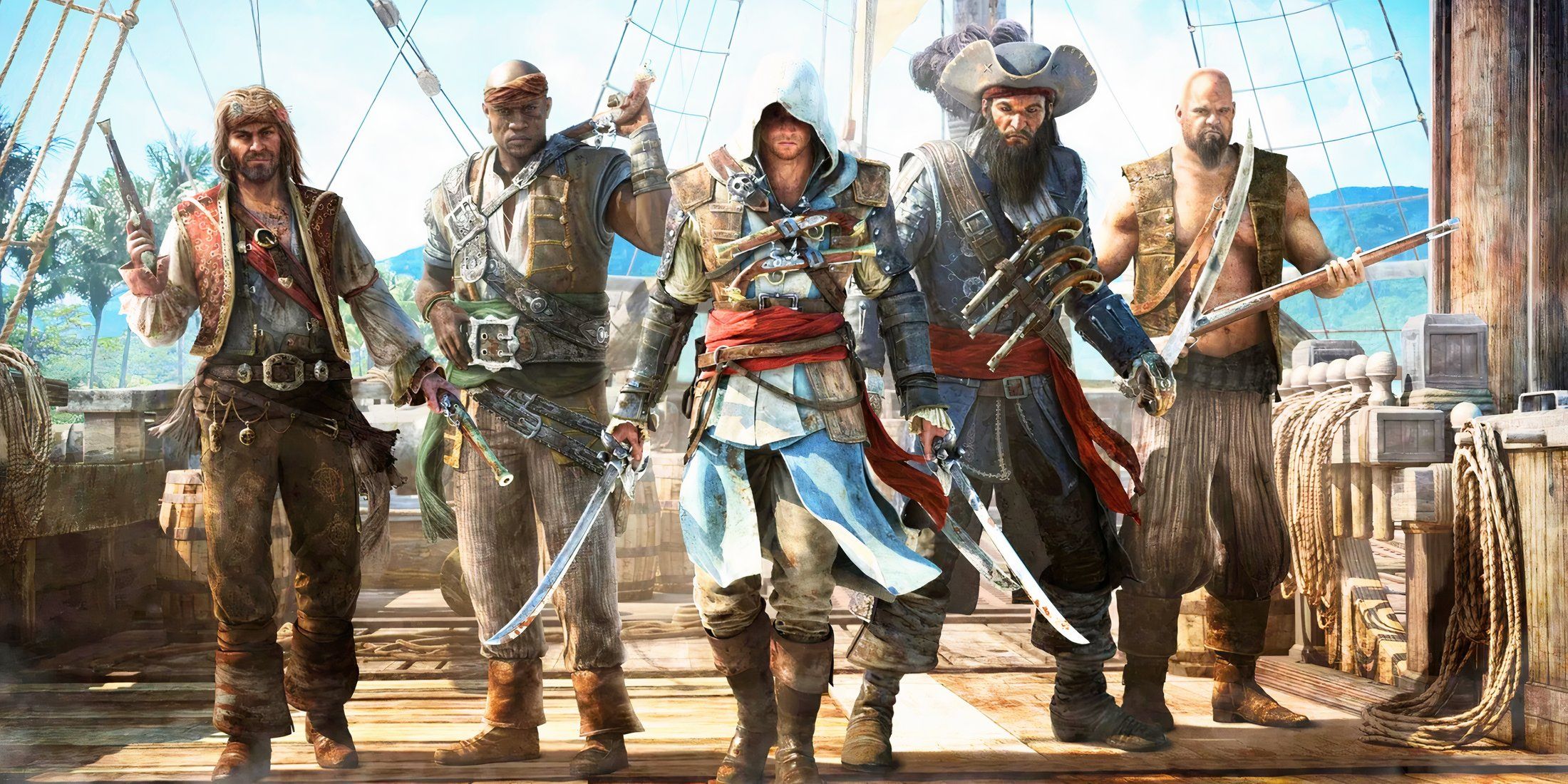
Assassin's Creed 4: Black Flag
- Released
- October 29, 2013
- ESRB
- M For Mature 17+ Due To Blood, Sexual Themes, Strong Language, Use of Alcohol, Violence
- Developer(s)
- Ubisoft Montreal
- Publisher(s)
- Ubisoft
- Engine
- AnvilNext
- Multiplayer
- Local Multiplayer, Online Multiplayer
- Franchise
- Assassin's Creed
- Platform(s)
- PC, Xbox 360, Xbox One, Nintendo Wii U, Nintendo Switch, PlayStation 3, PlayStation 4
- Genre(s)
- Action-Adventure, Open-World
- OpenCritic Rating
- Mighty
Assassin’s Creed 4: Black Flag took the franchise’s signature parkour and stealth mechanics and threw them into the lawless waters of the Caribbean, creating an open-world experience unlike anything before it. Instead of confining players to bustling cities, it let them command a ship, blending naval exploration, combat, and classic Assassin’s Creed parkour. The world felt alive, with hidden coves, uncharted islands, and dynamic weather. And perhaps most interestingly, its protagonist, Edward Kenway, was a refreshing deviation from the traditional Assassin mold—a rogue pirate toeing the fine line between greed and ideology.
The game’s influence extended far beyond the franchise, particularly in how it encouraged organic exploration without excessive hand-holding. For instance, players weren’t just checking off map markers; they were living the pirate fantasy, hunting legendary ships, looting treasures, and engaging in naval warfare. Years later, Black Flag’s legacy still endures, with its open-sea mechanics inspiring countless other titles, from Skull & Bones to Sea of Thieves.
5 The Elder Scrolls III: Morrowind
Set New Standards For Player Choice And Deep World-Building


The Elder Scrolls III: Morrowind
- Released
- May 1, 2002



WHERE TO PLAY


- ESRB
- T For Teen due to Blood, Violence
- Developer(s)
- Bethesda Game Studios
- Publisher(s)
- Bethesda Softworks
- Engine
- Gamebryo
- Franchise
- The Elder Scrolls
- Platform(s)
- PC, Xbox (Original)
- Genre(s)
- RPG
The Elder Scrolls III: Morrowind redefined open-world gaming by rejecting conventions and embracing sheer player autonomy. Where other RPGs nudged players down structured paths, Morrowind dropped them into the alien land of Vvardenfell with little more than a vague sense of direction and the promise of adventure. Its world wasn’t just expansive—it was dense with lore, political intrigue, and atmospheric storytelling that made every ruin, temple, and city feel like a piece of living history.
There were no quest markers holding hands, no scaled difficulty ensuring a smooth ride—just a world that rewarded curiosity, critical thinking, and actual role-playing. Of course, it could be obtuse, challenging, and sometimes outright unforgiving often, but that only made it more immersive, in a way few games have managed since. In short, Morrowind’s influence can be seen in nearly every modern RPG that prioritizes freedom, depth, and meaningful player agency.
4 The Legend of Zelda: Breath of the Wild
Redefined Open-World Exploration With Physics-Driven, Organic Gameplay


The Legend of Zelda: Breath of the Wild

- Released
- March 3, 2017


WHERE TO PLAY




- ESRB
- E for Everyone: Fantasy Violence, Use of Alcohol, Mild Suggestive Themes
- Developer(s)
- Nintendo EPD
- Publisher(s)
- Nintendo
- Engine
- Havok
- Franchise
- The Legend of Zelda
- Platform(s)
- Nintendo Wii U, Switch
- OpenCritic Rating
- Mighty
It’s a simple matter of fact that The Legend of Zelda: Breath of the Wild raised the bar for open-world games. From the moment Link steps out of the Shrine of Resurrection, Hyrule becomes a vast, unrestricted playground, allowing exploration from any direction. The game’s dynamic physics, interactive environments, and emergent gameplay made every encounter feel organic, from scaling sheer cliffs to setting grasslands ablaze to create updrafts.

The Legend Of Zelda: The 15 Most Important Side Characters In The Franchise
The Legend of Zelda series is full of quirky characters, with the following names and faces being the most important to the franchise as a whole.
Unlike traditional waypoint-heavy designs, its world encouraged curiosity, rewarding players with discoveries both grand and subtle. Plus, the minimalistic storytelling, conveyed through fragmented memories and environmental storytelling, gave so much depth to Hyrule’s ruins and characters, making exploration quite emotionally resonant. Not to mention that it also raised the bar for game design, influencing countless titles across genres with its non-linear progression and open-ended problem-solving.
3 Red Dead Redemption 2
Pushed Realism In Open Worlds To New Heights


Red Dead Redemption 2
- Released
- October 26, 2018


WHERE TO PLAY


- ESRB
- M for Mature: Blood and Gore, Intense Violence, Nudity, Sexual Content, Strong Language, Use of Drugs and Alcohol
- Developer(s)
- Rockstar Games
- Publisher(s)
- Rockstar Games
- Engine
- RAGE
- Multiplayer
- Online Multiplayer
- Franchise
- Red Dead Redemption
- OpenCritic Rating
- Mighty
Rockstar crafted an open-world so meticulously detailed and immersive in Red Dead Redemption 2 that simply existing in it feels like stepping into a living, breathing Western epic. From Ambarino to Lemoyne, every region tells a story, filled with dynamic NPCs, unpredictable encounters, and an ecosystem that responds organically to the player's actions. The game’s deliberate pacing, hyper-realistic mechanics, and dynamic world make every journey through its vast frontier a moment of quiet reflection or sudden adventure, all while exploring Arthur Morgan’s tragic journey of personal redemption against the backdrop of the dying Wild West.
But even beyond its gripping story, RDR2 revolutionized open-world design by making the world feel truly autonomous. Lawmen relentlessly track outlaws, animals migrate with the seasons, and strangers go about their lives regardless of the player's presence. Simply put, it’s a world that feels alive, one that players can lose themselves in for hours without even touching the main story.
2 The Witcher 3: Wild Hunt
Elevated Side Quests To The Level Of Main Stories


The Witcher 3: Wild Hunt
- Released
- May 19, 2015
WHERE TO PLAY
- ESRB
- M for Mature: Use of Alcohol, Blood and Gore, Intense Violence, Nudity, Strong Language, Strong Sexual Content
- Developer(s)
- CD Projekt Red
- Publisher(s)
- CD Projekt Red
- Engine
- REDengine 3
- Cross-Platform Play
- yes
- Cross Save
- yes
- Franchise
- The Witcher
- Platform(s)
- Nintendo Switch, PC, PlayStation 4, PlayStation 5, Xbox One, Xbox Series X, Xbox Series S
- OpenCritic Rating
- Mighty
At a time when many open-world games prioritized size over substance, CD Projekt Red delivered a world that felt alive, responsive, and interconnected in The Witcher 3: Wild Hunt. Every region, from the war-torn plains of Velen to the bustling streets of Novigrad, was packed with layered quests that carried genuine narrative weight, making exploration feel purposeful rather than just a checklist of activities.
But what really set The Witcher 3: Wild Hunt apart was its ability to make side quests feel as compelling as the main story. Quests like the infamous "Bloody Baron" storyline showed how side missions could rival main narratives in complexity and emotional depth. The game’s RPG mechanics, dynamic world, and seamless integration of choice into exploration set a new benchmark for the genre, with NPCs following their own routines, reacting to player decisions, and shaping the world in meaningful ways. In short, Wild Hunt remains one of the most influential open-world games ever.
1 Elden Ring
Open-World Design That Blended Soulslike Combat With Unscripted Exploration


Elden Ring
- Released
- February 25, 2022
WHERE TO PLAY
- ESRB
- M for Mature: Blood and Gore, Language, Suggestive Themes, Violence
- Developer(s)
- From Software
- Publisher(s)
- Bandai Namco Entertainment, From Software
- Engine
- Proprietary
- Multiplayer
- Online Co-Op, Online Multiplayer
- Platform(s)
- PC, PlayStation 4, PlayStation 5, Xbox One, Xbox Series S, Xbox Series X
- OpenCritic Rating
- Mighty
Elden Ring is proof that bigger doesn’t always mean better—but when done right, it absolutely can. FromSoftware took the core of what makes an open-world game compelling and stripped away the waypoint clutter and excessive bloat. Instead, they created a world that feels genuinely mysterious, where every strange ruin, hidden cave, or distant castle is an invitation to uncover something awe-inspiring, terrifying, or both. The game ditches mindless fextch quests in favor of organic discovery, where exploration is its own reward, and every hard-fought victory feels earned.
It also achieves something few open-world games manage: it makes the journey just as important as the destination. Whether it’s stumbling into an unexpected boss fight, finding a bizarre NPC with cryptic dialogue, or simply soaking in the eerie beauty of the Lands Between, Elden Ring ensures every step feels like an awesome adventure.

10 Games That Punish You for Being Too Good At Them
In most games, rapid skill gain is rewarded -- but these titles seek to make things harder for players the better they get.