


Summary
- RPGs and open-world games often coexist, but the genres don't always need each other.
- Borderlands offers a loose open-world structure with emphasis on looter-shooter gameplay.
- Games like Dishonored and Mass Effect provide immersive experiences without expansive open worlds.
RPGs and open-world games often go hand-in-hand, and it's easy to see why. RPGs are often structured around some level of character customization and, especially in western RPGs, the ability to make decisions that affect the world and story. So, naturally, building a custom character and letting them freely explore a world shaped by their decisions only seems like a logical combination. There's a reason Bethesda had such huge success with The Elder Scrolls and Fallout, and CDProjekt Red found huge fanbases with The Witcher and Cyberpunk 2077.

Clair Obscur: Expedition 33 - 7 Ways It Stands Out As An RPG
Clair Obscure: Expedition 33 has provided a much-needed breath of fresh air for RPG fans, and it achieves this in a few unique ways.
But this is not a requirement for either genre. After all, an open-world game doesn't need RPG mechanics; it just has to be open. Likewise, an RPG can still have all the things that draw people to Skyrim without offering an overwhelmingly large map to explore. Just because it has worked in the past doesn't mean it's always a good move. JRPGs are often characterized by having linear narratives in which characters follow a set path, and they still have plenty of critically acclaimed titles. Sometimes, a western RPG can also do something really interesting by changing things up and moving away from the open-world format to create a more unique experience.
6 The Borderlands Series

Borderlands 3

- Released
- September 13, 2019



WHERE TO PLAY








The Borderlands series mixes RPG mechanics with fast-paced action, but its basic setup isn't really an open world. It's more like a set of loosely connected maps that are gradually unlocked as the story progresses. Sometimes, they can't even be accessed by conventional means and require the in-game transit network for players to reach them.
While the player can technically explore individual areas and revisit them at almost any time after being unlocked, it's not really the main focus. The main selling point of Borderlands is being a "looter-shooter." So, naturally, greater emphasis is placed on the chaotic cartoon carnage perpetrated by the player character and the loot that comes out of it. Even the missions that involve some level of exploration are typically structured more around completing an outlandish task than anything pertaining to the world.
5 Clair Obscur: Expedition 33
A Straightforward Journey Across A Strange World

Clair Obscur: Expedition 33



- Released
- April 24, 2025



WHERE TO PLAY


- ESRB
- Mature 17+ / Blood and Gore, Strong Language, Suggestive Themes, Violence
- Genre(s)
- Turn-Based RPG, JRPG, Fantasy
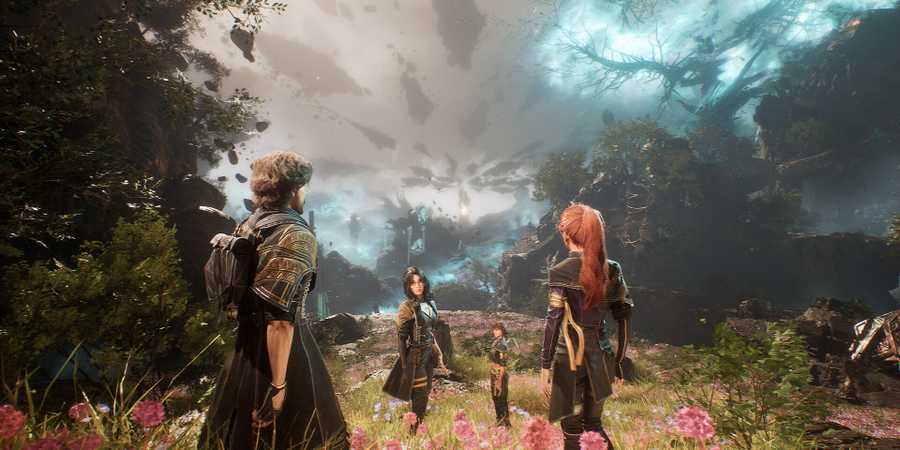
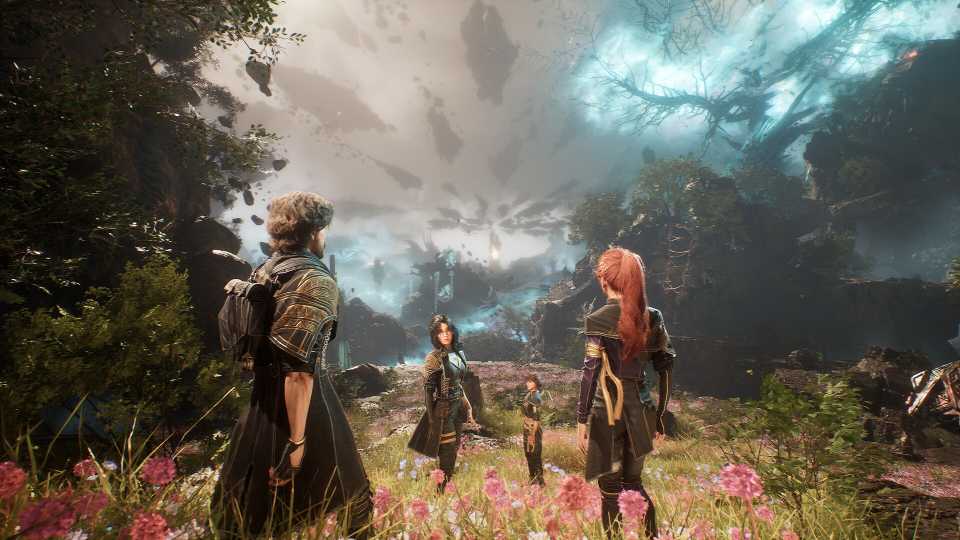
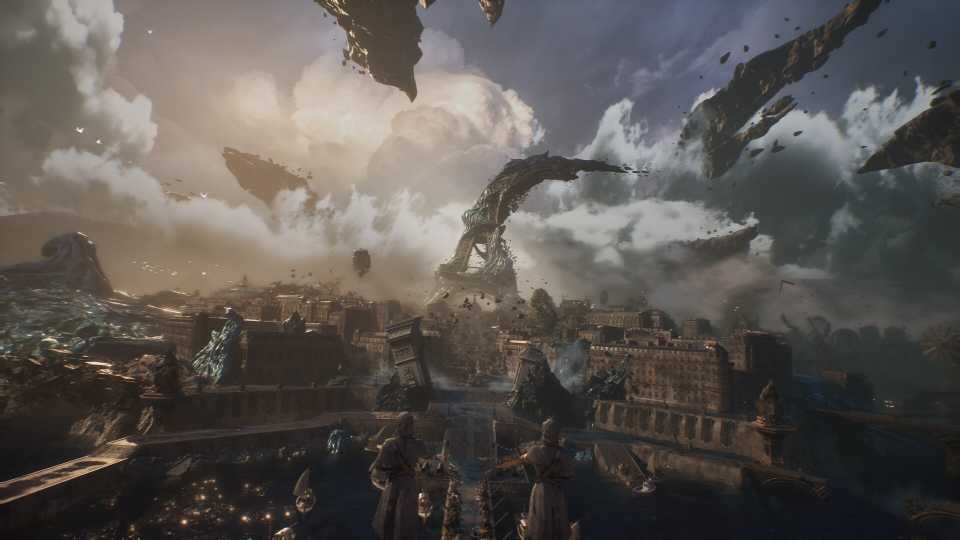
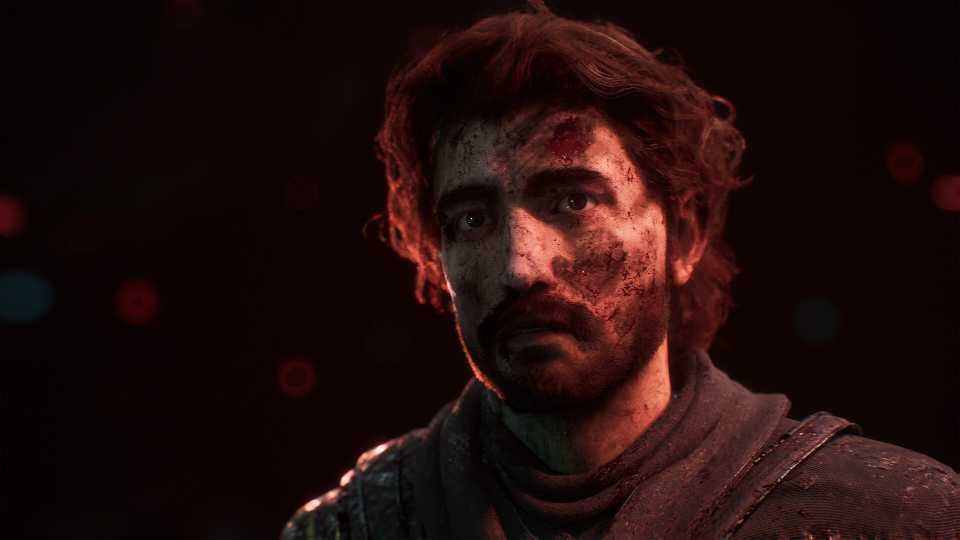
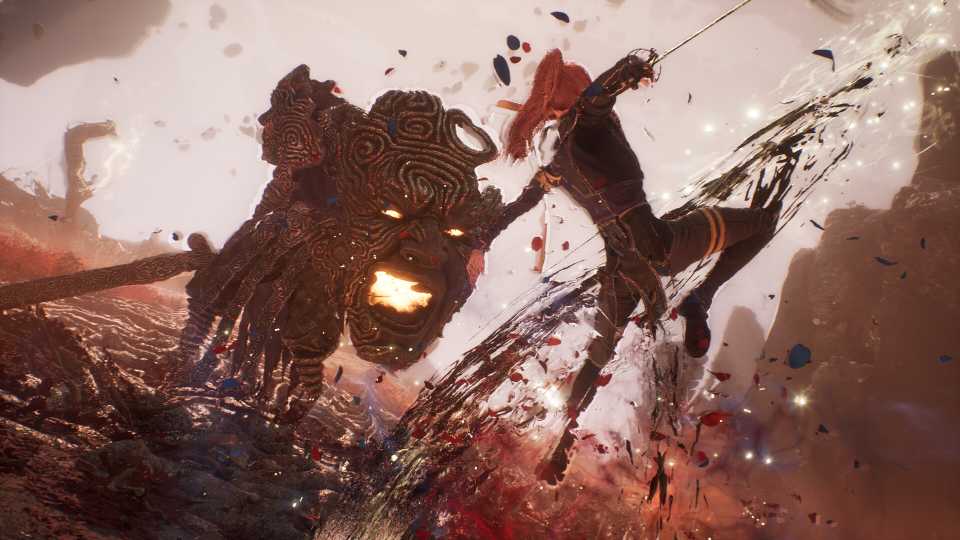
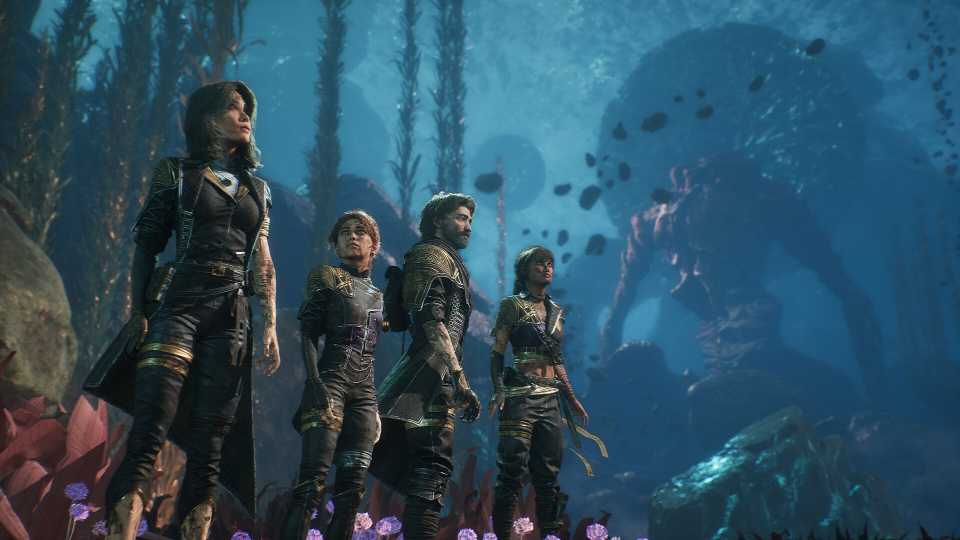
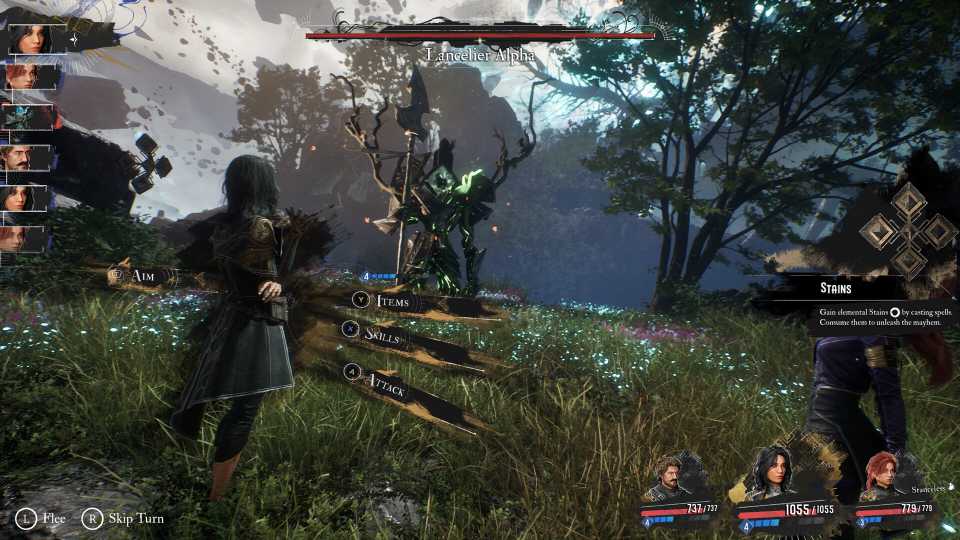
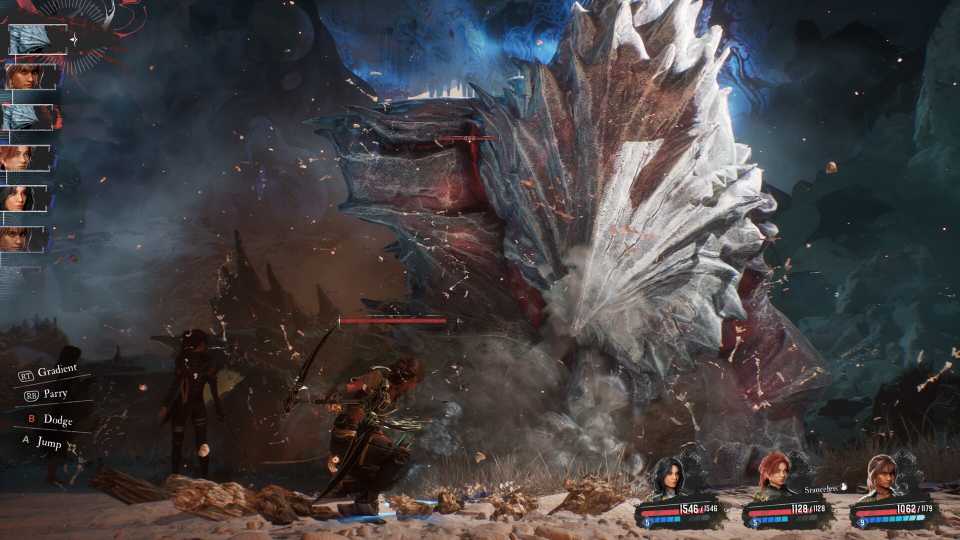
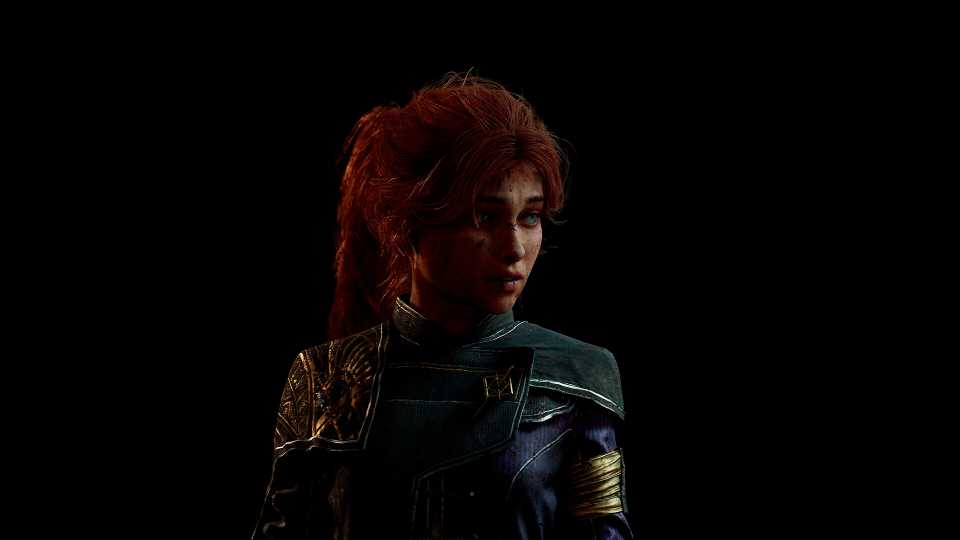
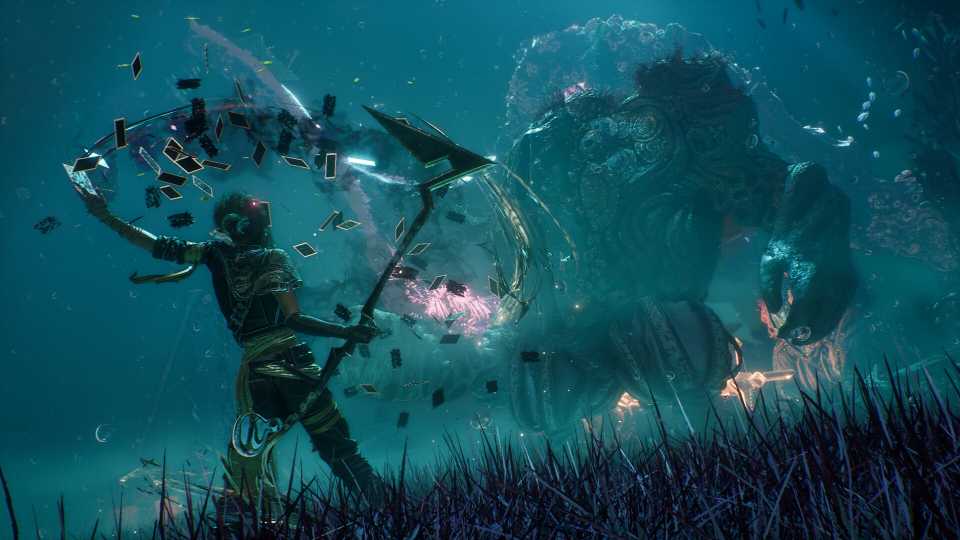
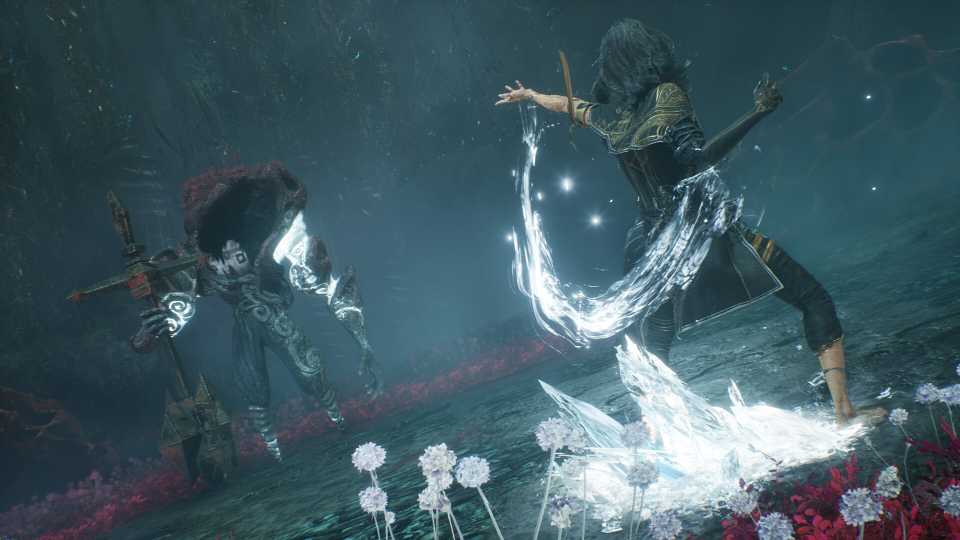
Sandfall Interactive's critically acclaimed fantasy RPG combines a western RPG aesthetic with a JRPG-influenced structure. It is perhaps most obvious in the turn-based combat, but it's also clear with how the story and setting are presented. Instead of going the obvious route of an open world, Clair Obscur offers a fairly linear path that is structured around the journey of its protagonists. Similar to a lot of JRPGs, the map isn't so much an open world as a set of smaller locations the player visits over the course of the story, connected by an overworld.
Now, individual places sometimes have room for exploration, especially since a lot of them have maze-like designs that are easy to get lost in, and only the overworld gets an in-game map. Doing so can reveal secrets. However, this is completely optional, with the bulk of the game being built around reaching the next story objective.
4 The Dishonored Series
Open-Ended But Not Open-World

Dishonored 2
-
 OpenCritic Reviews
- Top Critic Avg: 87 /100 Critics Rec: 89%
- Released
- November 11, 2016
- ESRB
- M for Mature: Blood and Gore, Intense Violence, Strong Language, Suggestive Themes
- Developer(s)
- Arkane Studios
- Publisher(s)
- Bethesda


WHERE TO PLAY


Arkane's steampunk fantasy series has become well-known for its streamlining of the RPG format, allowing immersion, exploration, and a degree of player agency while simultaneously retaining simplicity. Unlike many of its parent company Bethesda's titles, Dishonored chooses to avoid an overwhelmingly large open map. Instead, the games are broken up into chapters, most of which take place in different locations. This is more like a series of mini-maps characterized by a clearly-defined overarching objective, usually involving the elimination of a particular target. The great thing is it does this without sacrificing the things that often make open-worlds so appealing.
Players still get a decent amount of agency with how they accomplish their objectives, meaning that they are given lots of room to explore each location they visit, even if a lot of that exploration is centered around finding a path towards the main goal. The maps are designed to feel maze-like, featuring lots of options for how they can be navigated, especially when the player character has superpowers. They can battle through hordes of enemies or bypass them entirely. Some maps even include optional side quests or opportunities to interact with other characters. And, of course, they make a point of highlighting big decisions that affect how the story plays out, most notably with deciding on whether to kill a target or find a (usually less obvious) non-lethal solution.
3 Remnant 1 and 2
Who Needs An Open World When There's Procedural Generation?

Remnant: From the Ashes
-
OpenCritic Reviews
- Top Critic Avg: 78 /100 Critics Rec: 70%
- Released
- August 20, 2019
- ESRB
- M for Mature: Blood, Strong Language, Violence
- Developer(s)
- Gunfire Games
- Publisher(s)
- Perfect World Entertainment
WHERE TO PLAY
- Genre(s)
- Action RPG
A common aspect of open-world games is that they usually rely on a fixed map. There are exceptions, like No Man's Sky, but usually in order to work, an open-world needs to be carefully designed and planned out. So, naturally, the developers at Gunfire Games decided to try something a bit different in order to give their post-apocalyptic adventure a bit more replayability.
Instead of a solid open-world, with planned quests, encounters, and enemies, both Remnant: From the Ashes and Remnant 2 rely on procedural generation. Put simply, instead of a pre-planned map, the game decides everything while it's running, from the layout to what types of enemies are encountered and in what number. This allows for things to seem random, allowing variety and creating a unique experience for each player, as well as keeping them on their toes since they never know what's around the corner.
2 The Mass Effect Trilogy
Definitive Proof That An RPG Can Work Without An Open-World

Mass Effect: Legendary Edition
-
OpenCritic Reviews
- Top Critic Avg: 87 /100 Critics Rec: 96%
- Released
- May 14, 2021
- ESRB
- M for Mature: Blood, Drug Reference, Partial Nudity, Sexual Content, Strong Language, Use of Alcohol, Violence
- Developer(s)
- BioWare
- Publisher(s)
- Electronic Arts
WHERE TO PLAY
Bioware's iconic sci-fi RPG certainly delivers on the role-playing aspect, but it's not really an open-world in the same way as Skyrim or Fallout. The closest it really gets to being a fully open world is letting Shepard wander around specific areas during quiet moments. Most of the trilogy is structured around being given missions related to the story, sometimes mixed with the occasional side quest. Shepard does get some agency regarding what order to do missions in and can sometimes experience long-term consequences if anything is missed or put off too long, but the missions themselves are pretty linear.
The role-playing aspect is instead found in the details of each mission's story, with Shepard being able to interact with other characters and make decisions that affect how things play out, both in terms of the mission (sometimes determining its success or failure) and future consequences in the overall storyline.
1 The Outer Worlds
A Sci-Fi Romp Across Different Worlds

The Outer Worlds

- Released
- October 25, 2019

WHERE TO PLAY
- ESRB
- M for Mature: Blood and Gore, Intense Violence, Strong Language
- Genre(s)
- RPG
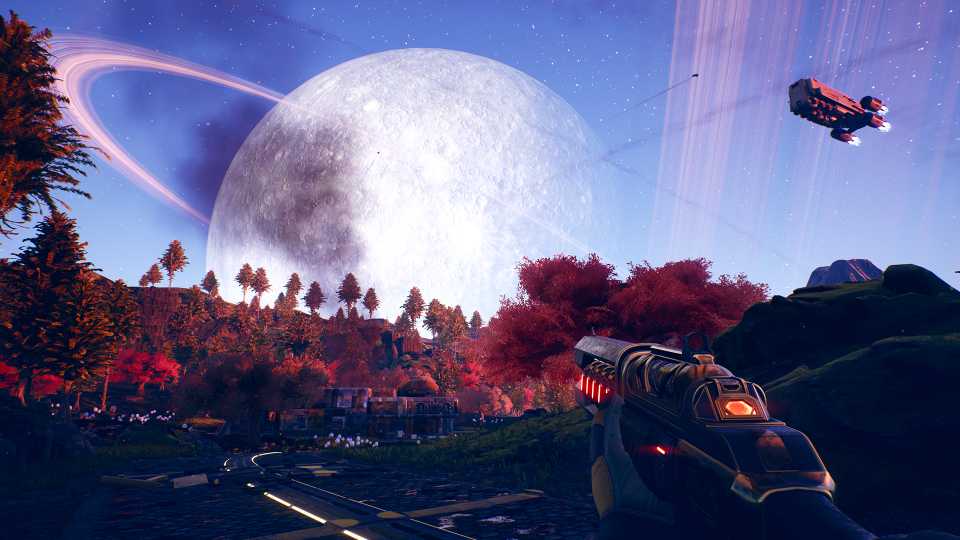
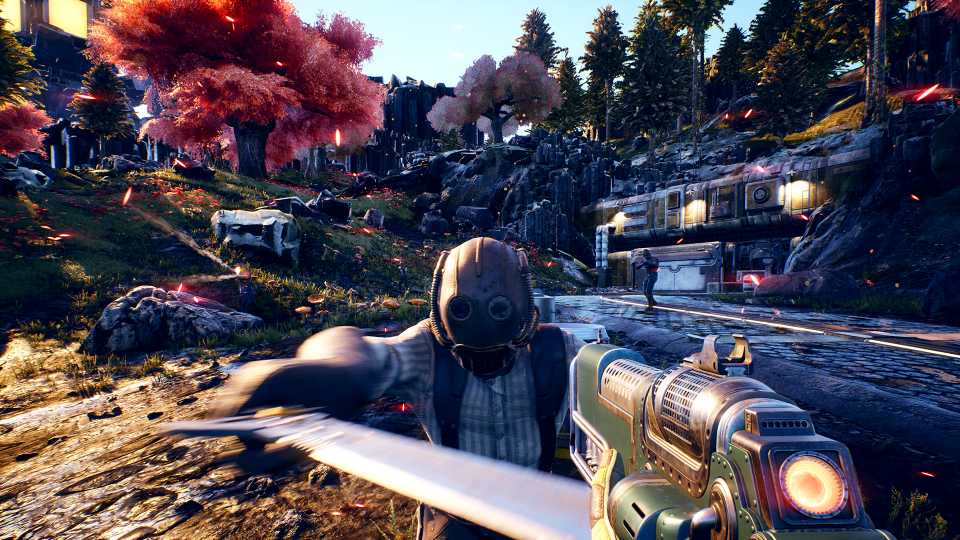
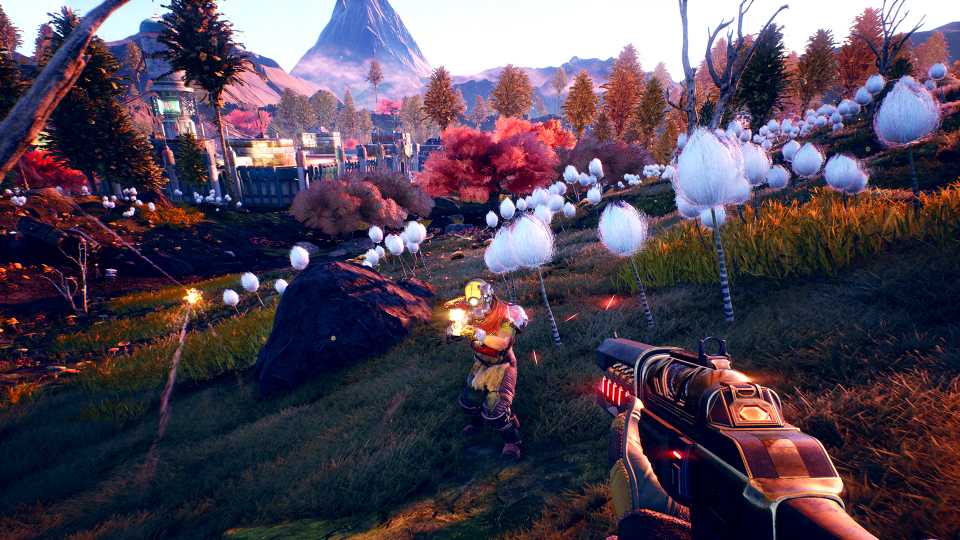
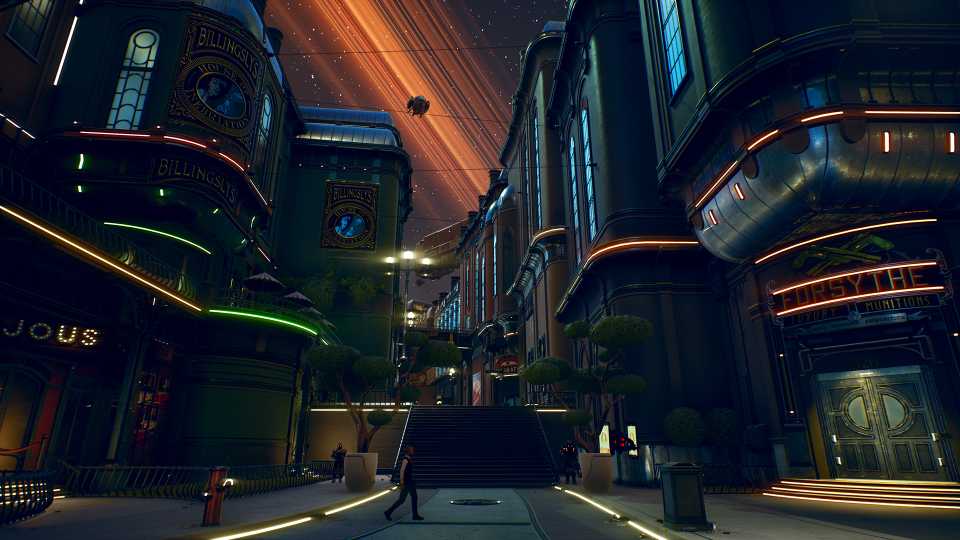
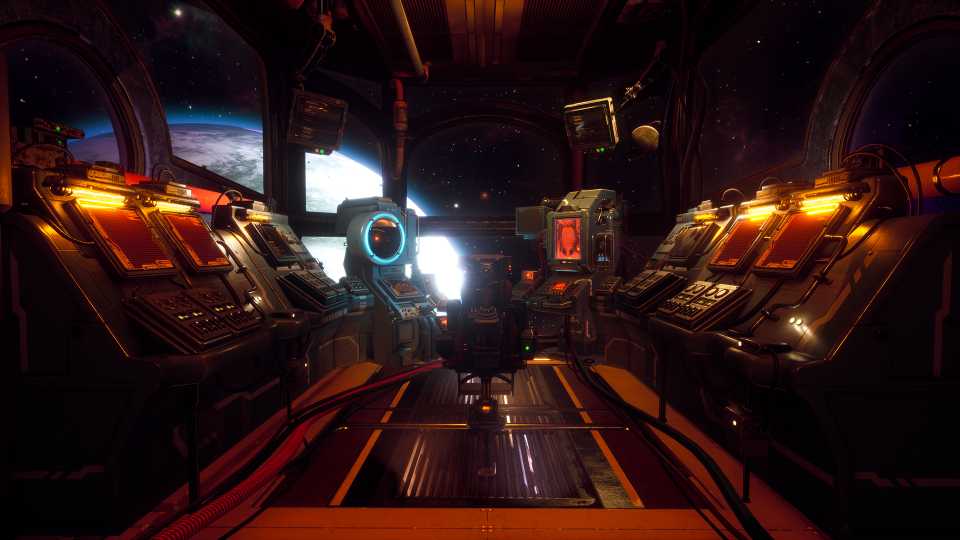
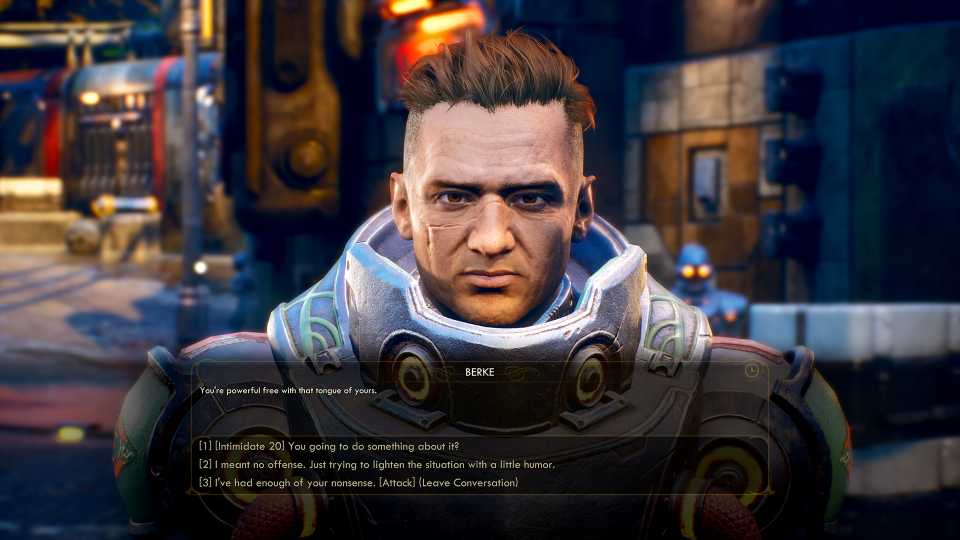
Although they had previous success with open-worlds like Fallout: New Vegas, Obsidian decided to try something a bit different with The Outer Worlds. Instead of a full open-world, this one opted for more of an episodic structure, with the plot essentially being broken up into sections that each take place on a different planet in the same Solar System.
While it is technically possible to revisit worlds, and some locations are optional, it's designed to focus on one place at a time. So, there aren't a lot of story missions or quests that require players to jump between planets, for instance. It also means there aren't really options for free space exploration, unlike Outer Wilds, Starfield, or No Man's Sky. However, this has the advantage of making each planet a self-contained and unique experience, allowing for a lot more focus on characters and world-building.

8 Best JRPGs Without An Anime Aesthetic, Ranked
These JRPGs drop anime visuals to deliver worlds inspired by Western fantasy, modern realism, and cinematic tone.