Summary
- Borderlands 4 emphasizes RPG elements like deep skill trees and modular weapons to enhance player agency.
- The game introduces a Licensed Parts system for unique loot drops, adding personalization to player weapon choices.
- The new planet Kairos in Borderlands 4 offers a more RPG-like setting with exploration driven by player curiosity, not quest markers.
By and large, it seems that Borderlands 4 is doing everything in its power to revitalize itself by taking the series to greater heights with new features and improvements it has long needed. On the one hand, this ambition is good, as Borderlands 4 might be the franchise's last chance to innovate, so it needs to explore new territory where possible. On the other hand, it risks losing diehard fans if it changes too much, so it needs to approach it in a balanced way. Regardless of the outcome, however, it is making some big shifts that will hopefully pay off for its sake, with one of the most significant shifts involving its genre.
More than anything else, the Borderlands series has been an action first-person looter shooter at its core, with some RPG elements sprinkled in here and there. Things like character progression, skill trees, and a randomized loot system helped add some strands of RPG DNA to its identity, but these systems were always much more shallow than traditional RPGs. Now, Borderlands 4 appears to take the series' RPG focus even further, with deeper skill trees, modular weapon systems, and more agency in its exploration than ever before, effectively embracing a genre the series has really only flirted with up to this point.

Borderlands 4 Downgrading One Manufacturer Makes Sense, But Another Not So Much
Borderlands 4 turning Hyperion into a parts supplier makes narrative sense, but Atlas stepping down after its comeback feels harder to justify.
The Borderlands Are Starting to Blur in Borderlands 4
Borderlands 4's Skill Trees Are Built for RPG Fans
Skill customization is one of the loudest heartbeats of an authentic RPG, and Borderlands 4 is headed down that road with the most in-depth and customizable skill trees in the franchise's history. Based on what has been revealed so far, especially during Borderlands 4's recent State of Play deep dive, the upcoming entry will offer the deepest and most diverse selection of abilities yet, giving players an unprecedented amount of agency over their character's build and playstyle.
More than anything else, the Borderlands series has been an action first-person looter shooter at its core, with some RPG elements sprinkled in here and there.
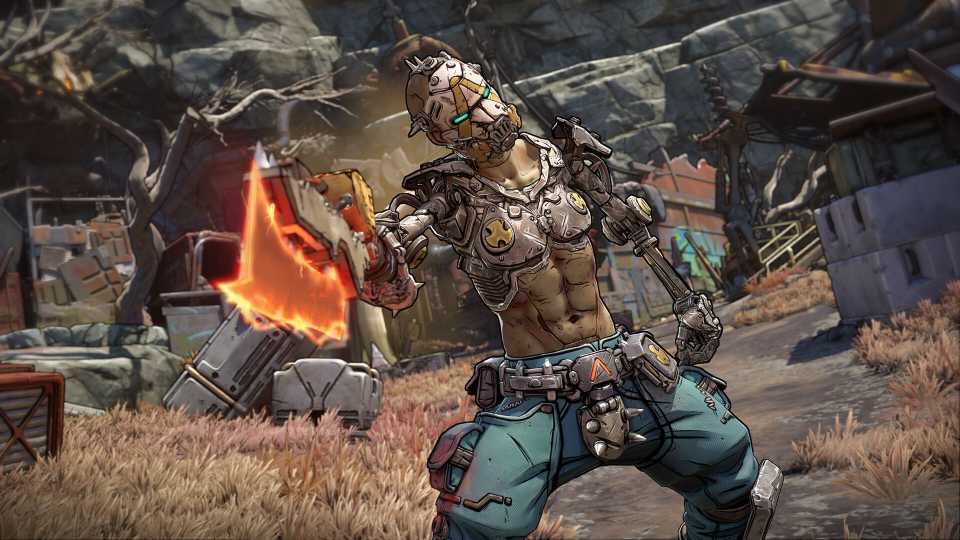
Each Vault Hunter in Borderlands 4 will have access to three distinct Action Skills, each of which also has its own branching skill tree. These trees offer a wide variety of passive abilities, augments, and capstone skills, which, in turn, allow players to craft unique builds for their characters. For instance, Vex the Siren has a Trait that alters her Action Skill's elemental effect based on the currently equipped weapon, encouraging more strategy when it comes to gameplay and weapon choices and making it perfect for RPG fans.
The Licensed Parts System Makes Loot More Player-Centric
The new Licensed Parts system in Borderlands 4 is one of its most significant additions, as it turns loot drops into modular experiments for weapons. Instead of a weapon strictly being from one manufacturer, Borderlands 4 features weapons that can have traits from multiple manufacturers, like different firing modes, reload animations, and even special perks. This means players have an even greater personal selection when it comes to the weapons they find, and it increases the uniqueness of their game in comparison to everyone else's — another characteristic of a good RPG.
Kairos Could Be the Most RPG-Like Setting in the Franchise
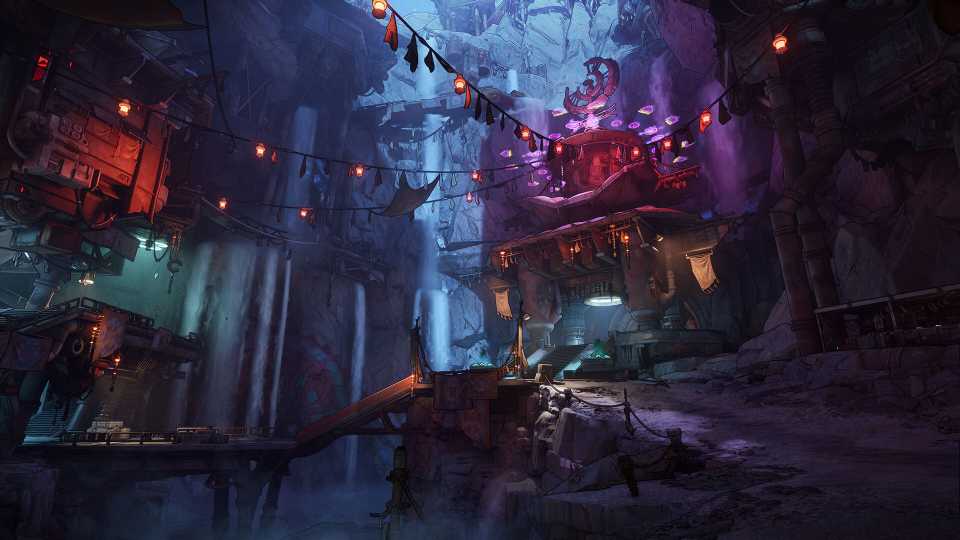
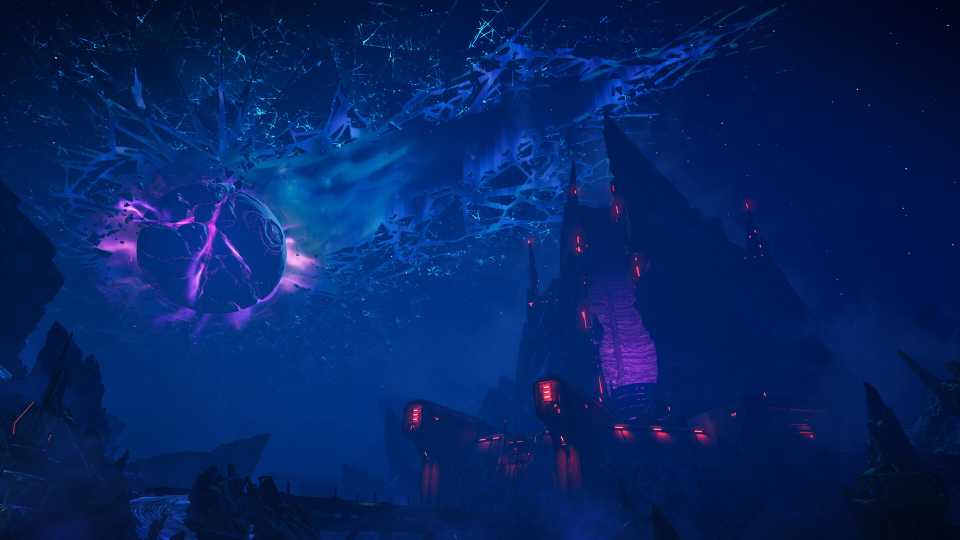
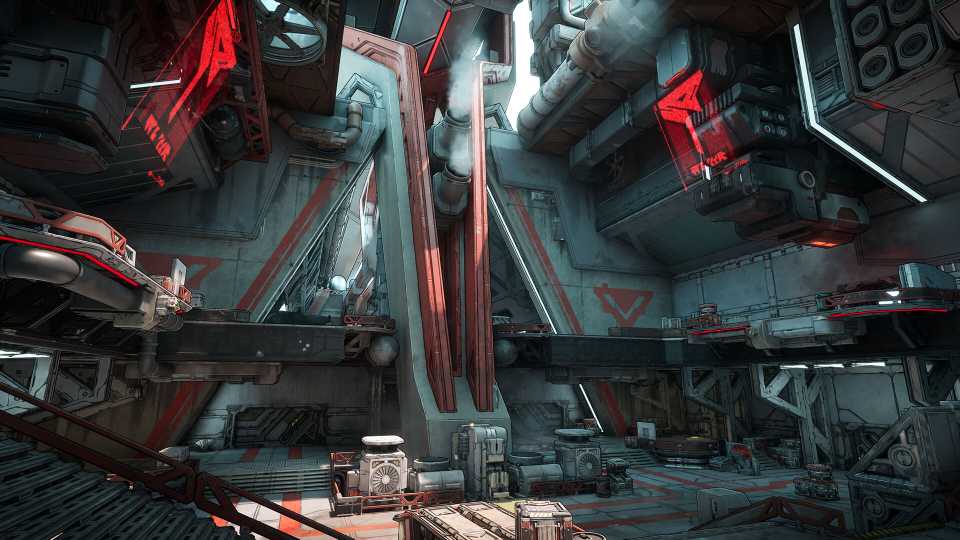
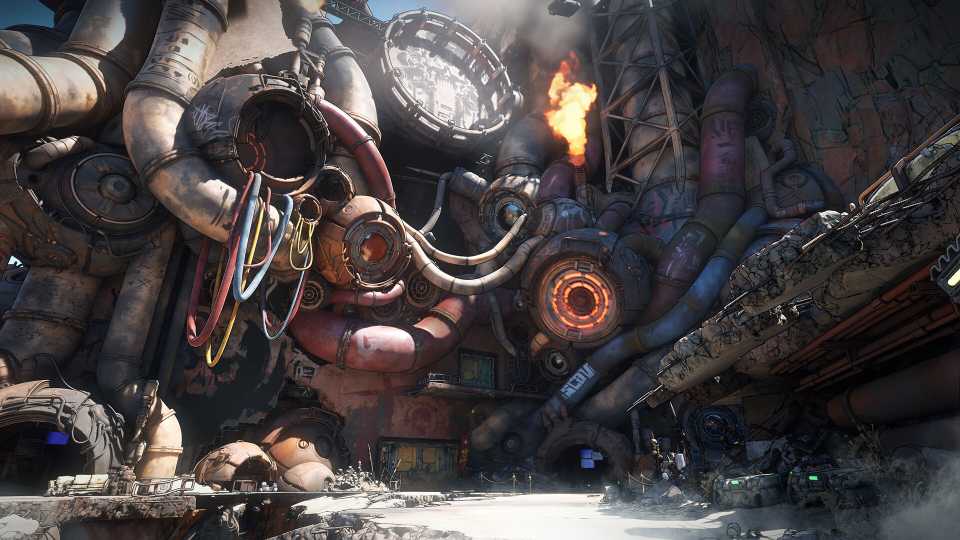
Finally, there's Borderlands 4's new planet Kairos, which could be the most RPG-like setting in the franchise. What makes Kairos so unique in the series is that it has been designed around player curiosity. For the most part, Borderlands has featured locations that are linear in their design and essentially hold the player's hand the entire way. Kairos, on the other hand, doesn't guide players using quest objectives and markers. Instead, players are largely driven by their own interests, with quests even only appearing after players discover an area, rather than requiring them to pick up quests beforehand. This effectively increases their agency in exploration and gameplay, making Borderlands 4 feel even more like an RPG.

If Borderlands 4 follows through on what it's promising, then it may finally step into a genre it has spent years only flirting with. With skill trees that encourage deeper builds, a loot system that rewards player creativity, and a world that responds to curiosity rather than linear design, Borderlands 4 could mark the series' biggest genre shift yet. Whether it redefines the series moving forward or simply adds a new layer to its identity, Borderlands 4 is clearly setting its sights on something bigger than the status quo.


Borderlands 4




-
 OpenCritic Reviews
- Top Critic Avg: 82 /100 Critics Rec: 88%
- Released
- September 12, 2025
- ESRB
- Mature 17+ / Blood and Gore, Intense Violence, Sexual Themes, Strong Language, In-Game Purchases, Users Interact
- Developer(s)
- Gearbox Software
- Publisher(s)
- 2K