


Summary
- S-Groove lacks priority but can be used for oppressive blockchains with infinite supers in pro-level play.
- P-Groove, based on SF3, lacks features like EX moves, making it a mid-level groove for those skilled at parrying.
- N-Groove is beginner-friendly, offering temporary power-ups and heightened attacks, making it a good starting point.
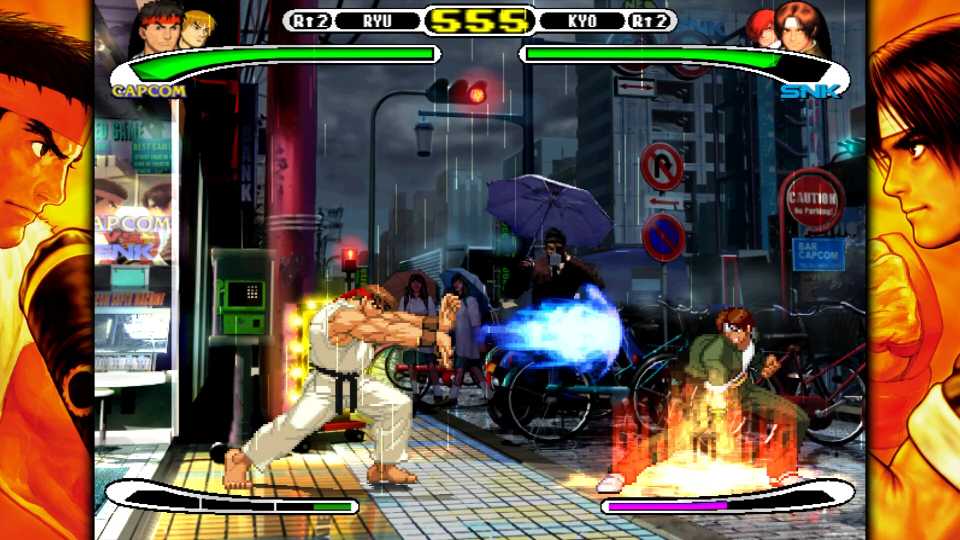
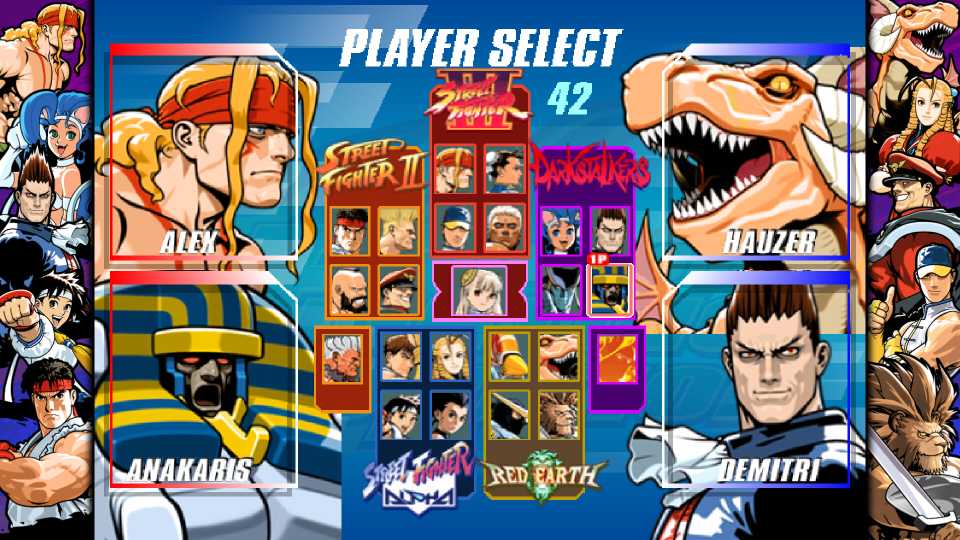
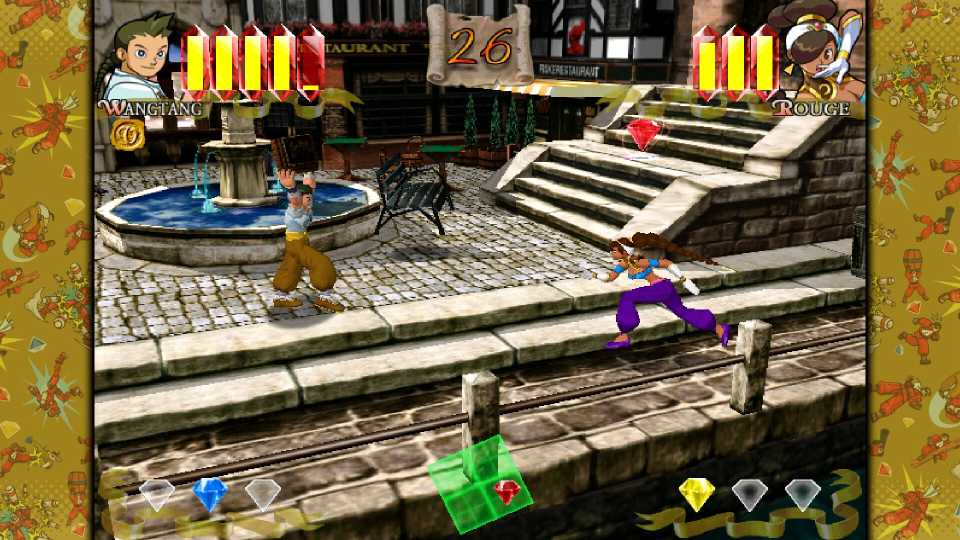
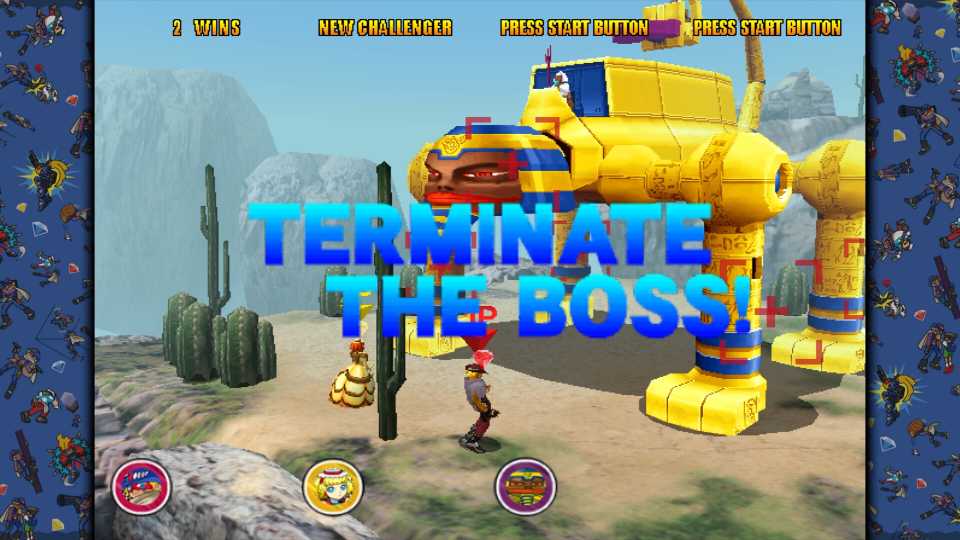
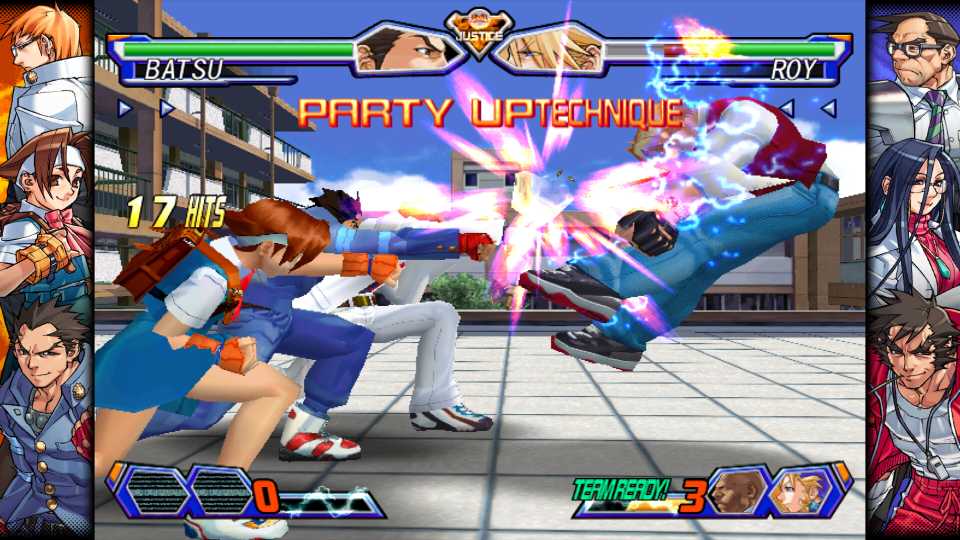
The first Capcom Fighting Collection tantalized players with its mix of cult classics and top titles. But outside of keen Darkstalkers fans, it’s arguably beaten out by Capcom Fighting Collection 2 because it brought back Dreamcast classics like Project Justice and Power Stone and two little games called Capcom vs. SNK and Capcom vs. SNK 2, the company's next best crossover series after the Marvel games.

Capcom Crossover Series, Ranked
Capcom has crossed over with numerous other brands numerous times. Which crossovers appeal most to the critics?
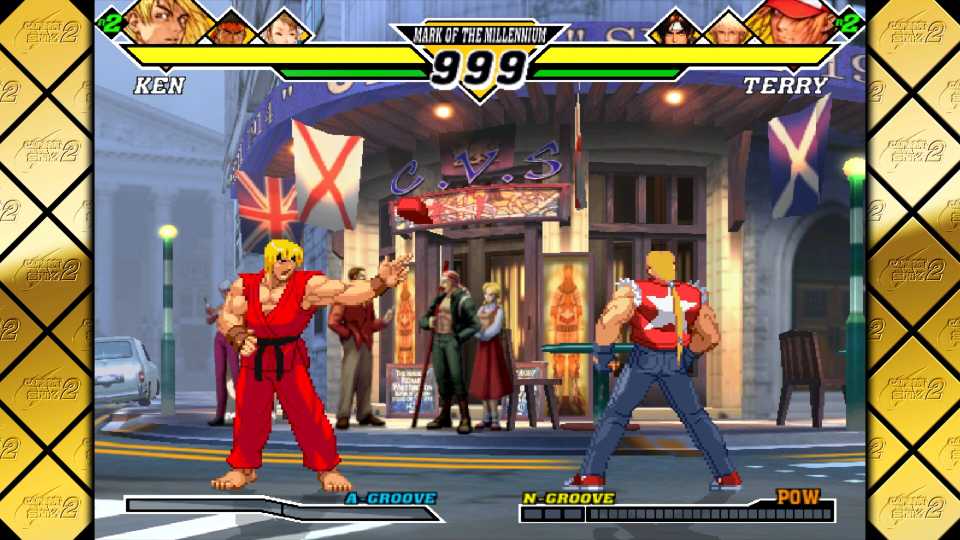
CvS1 offered a more technical experience, mixing Street Fighter and King of Fighters’ differing gameplay styles into one cohesive unit while offering two different ‘grooves’ for players to tinker with. It was a good start, though one CvS2 is vastly improved, offering smoother gameplay, a broader cast of characters, and six grooves to choose from. But which ones are the best? Here’s how they compare to each other.
6 S-Groove
S-Groove in Name, D-Grade in Quality
- Based On: King of Fighters '94-'96, KOF '97-'98's Extra Mode.
- Features: Run, Dodge, Counter-Attack, Small Jump, Tactical Recovery.
- Best Characters: Sagat, Cammy, Sakura, Ryu.
With so many choices, there’s bound to be a bottom option, and S-Groove is sadly bringing up the rear. In it, players hold Heavy Punch+Heavy Kick to manually charge their meter. Then, once full, they can pull off a Level 1 super. When they’re low on health, they go into Desperation Mode. In this state, they can do infinite Level 1 supers or charge their meter again to do a Level 3 super.
That sounds broken, but Level 1 supers have such a low priority that they can be stopped with the right poking strikes. Its standing Dodge (Light Punch+Light Kick) can help players avoid attacks or leave them open to throws if they get baited into doing it. Some players have made S-Groove work, as the infinite supers can be used to do some oppressive blockchains, but it takes pro-level play to get more pros out of S-Groove than cons.
5 P-Groove
A Long Way Away From Third Strike
- Based on: The Street Fighter 3 series.
- Features: Parries, Dash, Small Jump, Tactical Recovery.
- Best Characters: Sagat, Cammy, Kyo, Iori.
P-Groove sounds tempting, as it’s based on Street Fighter 3, and its Third Strike is considered one of the best fighting games ever made. Unfortunately, it lacks many of SF3’s best features, like EX moves and variable meter lengths, which made players think tactically about which Super Art suited them best. It just has dashes, parries, and one long super meter that lets players pull off Level 3 supers when full.
It encourages players to get good at parrying, as their guard gauge drains faster in this groove, making blocking more risky. However, it’s harder to pull parries off, as they have a tighter timing window than in SF3. Even if the player was a parrying master, it’ll take them so long to fill up their meter that it won’t max out until they reach the second round at best. This was fixed in the EO version, letting players gain more meter while being able to block more, but it's still a rather mid-level groove.
4 N-Groove
Maximum Power, Medium Output
- Based on: King of Fighters '97-'98's Advanced Mode.
- Features: Run, Roll, Counter-Attack, Counter-Movement, Small Jump, Safe Fall.
- Best Characters: Blanka, Sagat, Iori, Chun-Li.
N-Groove is where the grooves start getting good, and while it’s not the best option for high-level play, it’s a good place for beginners to start, especially if they’ve played KOF 14 and 15 before or its predecessors in ’97 and ‘98. In it, players build up meter to gain 3 stocks, which can be used to do super moves or go into Max Mode.

10 Best Games Developed By SNK
SNK left a lasting legacy, particularly in the fighting genre. Here are some of the developer's greatest games of all time.
Max Mode is a temporary power-up state that’ll make players move a little faster and hit a little harder. It’ll also let them do Level 3 supers with just one stock instead of 2. On top of that, it has a dodge roll (Left/Right+Light Punch+Light Kick), which players can do on their own or on guard at the cost of a stock. Still, it is ultimately a jack of all trades and a master of none, as there are other grooves that offer stronger power-ups and better perks.
3 K-Groove
Fueled By Rage
- Based on: The Samurai Shodown series.
- Features: Run, Small Jump, Just Defend.
- Best Characters: Cammy, Geese, Sagat, Blanka.
Case in point: K-Groove. If the player gets hit enough, it’ll fill their Rage Gauge. When it maxes out, it’ll make the player glow red and deliver more damage while being able to tank more hits. The gauge will start slowly draining while in this Rage state, so players can keep attacking while the buff lasts, spend it all with one big Level 3 super, or put the two together in one big, nasty combo.
However, players don’t have to let themselves get wailed on just to fight back. Their gauge will also fill up if they pull off Just Defends. They’re basically the same as parries, only the player presses back instead of forward at the right time, and it'll give them some life back, too. They’re harder to pull off, but they're more worthwhile to master, as they can help the player turn the tide with just a few Defends and the right opening.
2 C-Groove
The Best Pick For Super Combos
- Based on: The Street Fighter Alpha series.
- Features: Dash, Roll, Air Guard, Counter-Attack, Tactical Recovery.
- Best Characters: Blanka, Chun-Li, Sagat, Cammy.
The Level supers are all based on C-Groove, where, depending on how much they’ve filled its segmented meter (1, 2 or 3), they can pull off a mild, medium, or max-strength super move. It’ll also let players block attacks in midair and do counterattacks while blocking (at the cost of some meter), a la the Street Fighter Alpha games. Unlike SFA, it has dodge rolls, which, on top of having the same perks as N-Groove, offers the ability to do Roll Cancels.
By canceling out the roll into a special move, players can give it the roll’s invincibility frames, making it easier for them to blow through their opponent’s offense. C-Groove also lets players cancel Level 2 supers into special moves or even Level 1 supers to extend combos and deliver more damage. These are technically glitches, and they were fixed in the EO version, but they’ve since become part of the game’s high-level play.
1 A-Groove
Cancel Culture
- Based on: Street Fighter Alpha 2's Custom Combos and Alpha 3's V-ISM.
- Features: Dash, Rolls, Counter-Attack, Safe Fall.
- Best Characters: Sakura, Bison (Dictator), Blanka, Iori.
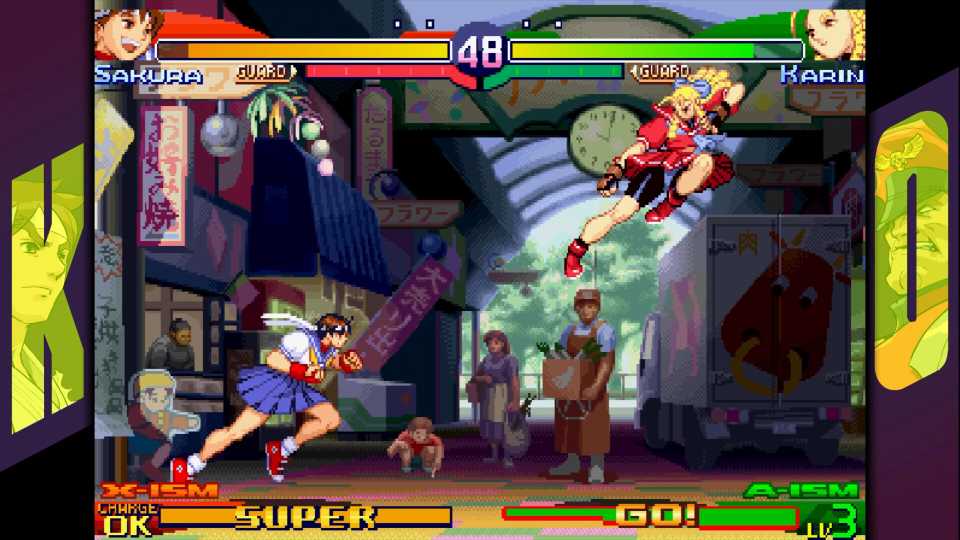
Players can also pull off roll cancels in A-Groove. Not that it needs it, as it’s already the best groove in the game - well, it's the best groove for more experienced players at any rate, as it’s not particularly newbie-friendly. Its meter fills up by percentages, where if they reach 50% or 100%, they can pull off a Level 1 super or press Heavy Punch+Heavy Kick to start a Custom Combo. In this state, they can cancel any attack into another until the meter runs out.
Savvy players can chain them into a constant barrage of strikes, then finish them off with a Level 1 super. All this combined can do more damage than the best combos the other grooves can provide. That said, it takes practice to get the most out of it, so beginners can end up feeling lost as they try to learn which strikes chain better than others. Once they get the hang of it, they can chip players to death with Sakura’s constant Shououkens or learn why ‘Paint the Fence’ with Bison is as powerful as it is odd-sounding.









WHERE TO PLAY





- Genre(s)
- Fighting
