


A young woman wears a string of flowers around her neck, a symbol of her impending doom. She, like the other 33-year-olds of Clair Obscur: Expedition 33, await their Gommage, an inevitable cycle born from the Paintress that sees her paint a new age to cull. Two lovers who disagreed about bringing children into their world reconcile in their final moments together, and it is here that Clair Obscur's prologue shines, effectively introducing Lumiere and its people. Tragedy, a fool's hope for change, and a dwindling society are put into picture, and it is only through Expedition 33's efforts and those of the ones who tried before them that things might change.
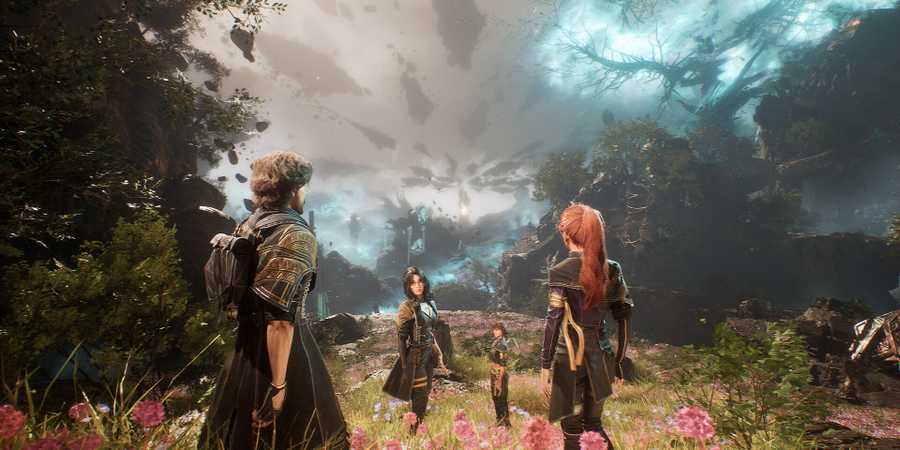
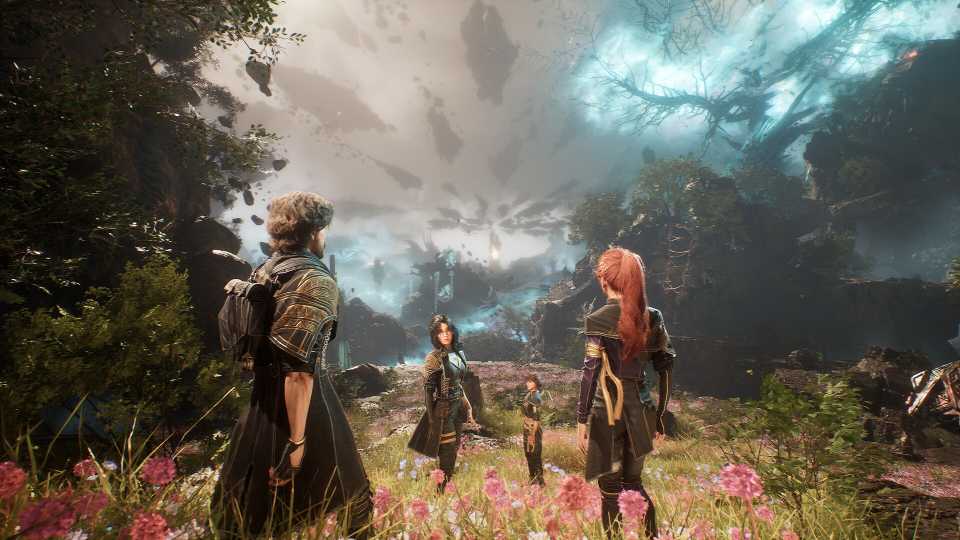
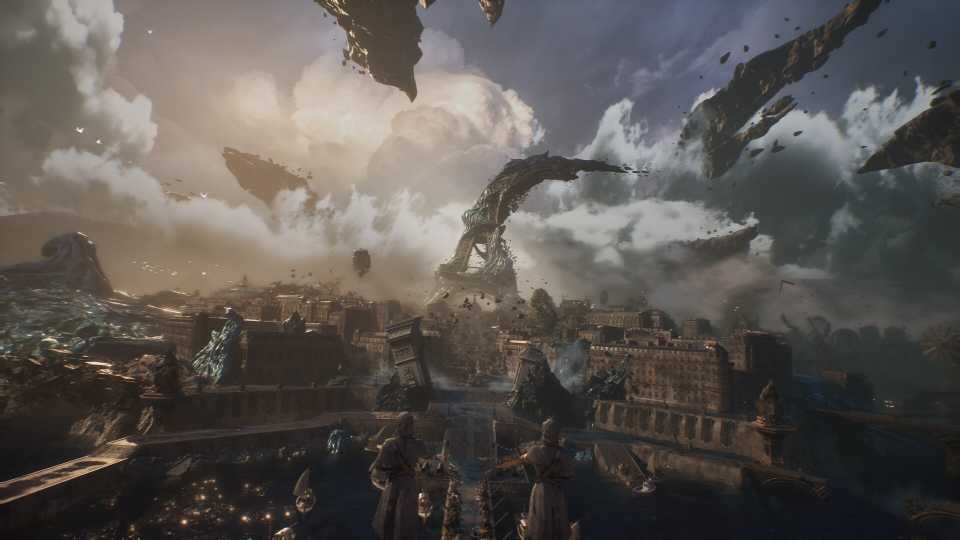
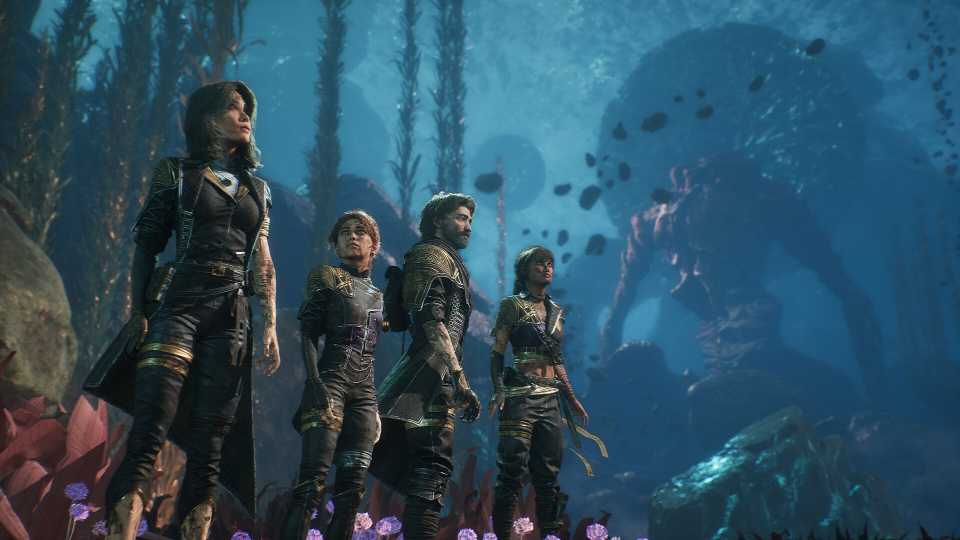
How to introduce a world while effectively establishing its stakes is something Clair Obscur: Expedition 33 carefully considers, setting up its rich story and combat mechanics in a way that isn't dense or expository. Utilizing context clues, Clair Obscur draws on the strength of its dialogue and side characters to enforce both the ideals and tragedies that the people of Lumiere have faced; some are at peace at the Paintress' erasure, others are angry, and all wonder what it would be like in a world where she didn't exist. Against the backdrop of a city teeming with flowers and dilapidated rubble suspended impossibly in the air, its prologue utilizes the many lenses of its people to slowly integrate players into its world, alluding to the difficulties of both what is, and what is yet to come.

7 Beginner Tips For Clair Obscur: Expedition 33
Get started in this beautifully dark RPG right with some safe guidelines and helpful early-game pointers to follow in Clair Obscur: Expedition 33.
How Clair Obscur: Expedition 33's Prologue Shows Without Telling
Establishing a World and its Stakes
RPGs are notoriously difficult to set up. Any opening is a make-or-break moment to get players established in a world, and with a setting that's dense in mechanics or world terminology, it can be hard to avoid telling rather than showing. Couple that with the inherent interactivity of games, and there's the issue of how one balances gameplay and story; lean too far into heavy dialogue without giving players anything to do, and their attention could break entirely. Clair Obscur's prologue broaches both sides, leaning on its characters to guide the player's knowledge; no one needs to explicitly state that the Gommage means death, as this can be inferred through the melancholy of its interactions.
Not Compromising on Gameplay Over Story
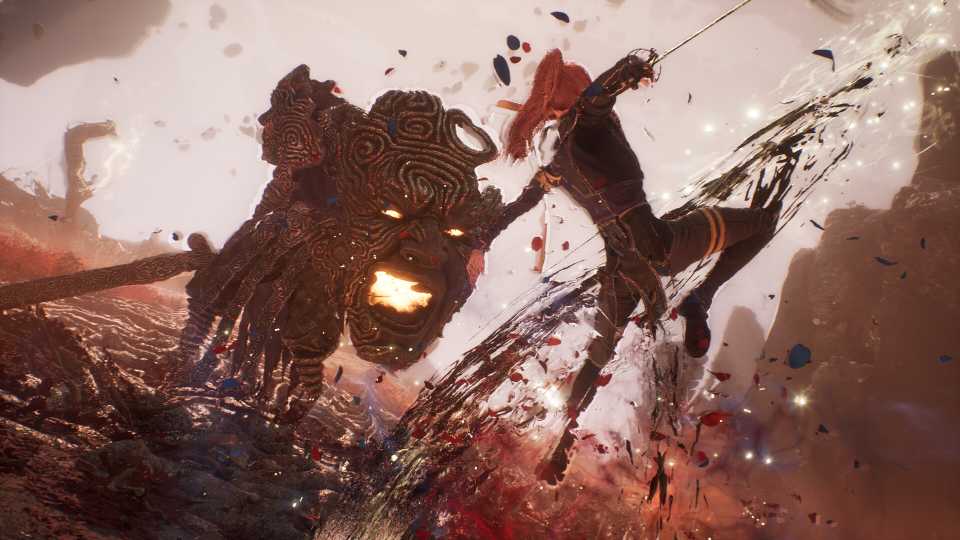
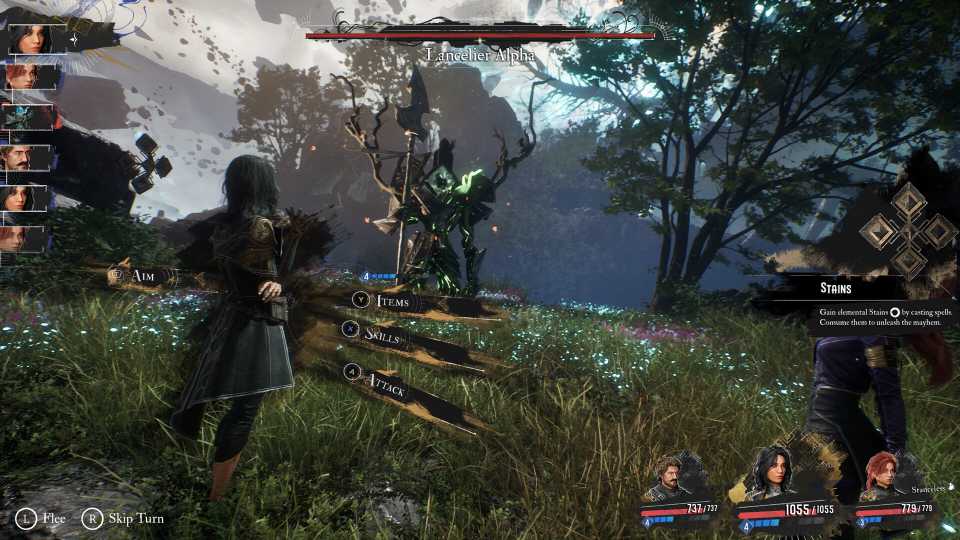
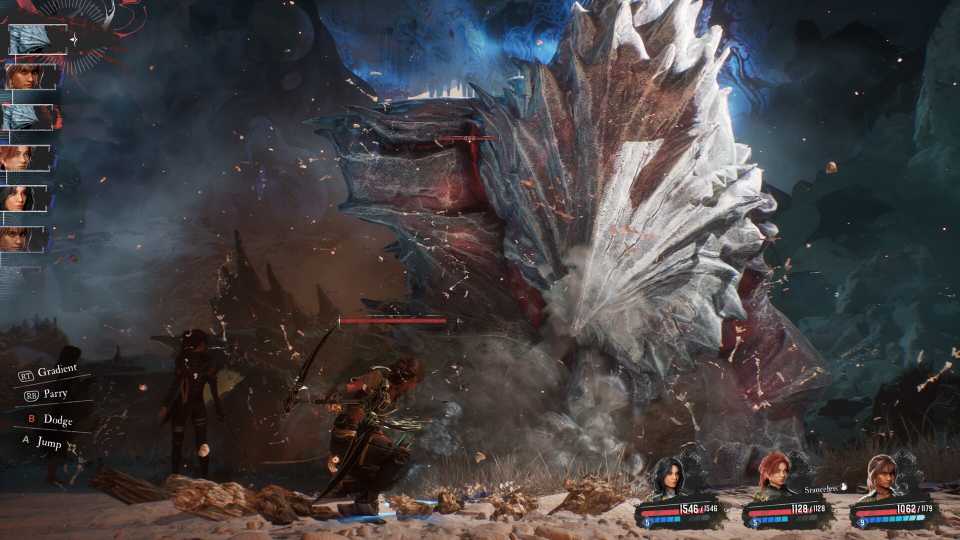
Clair Obscur's tutorial battles factor into its characters' feelings; Maelle suggests a duel with Gustave in an attempt to shake off his somberness, while an artist chasing beauty paints Gustave and Sophie in their final dance, personified in a spar between the two that teaches the player to dodge with proper timing. Young dancers put on a show near the harbor surrounded by colorful lights, which the player learns are called Pictos, a type of chroma painfully etched into the skin that later becomes a vital source of skills that the party can learn. A wealth of side characters that Gustave can interact with shows not just his relationships with Lumiere's people as a renowned inventor, but also the loss that his departure will mean, a double-edged sword to his desire to embark on the Expedition.
Drawing on its Tonal Strengths
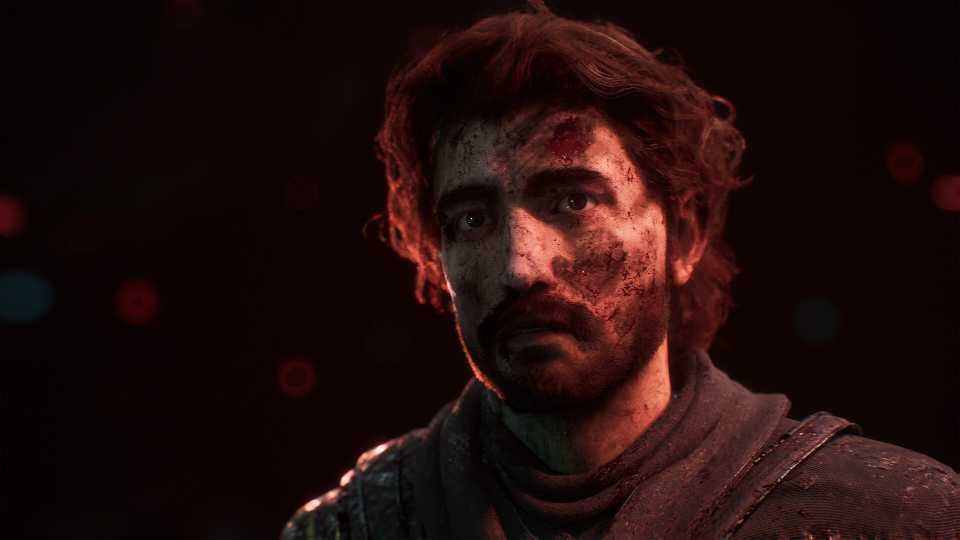
Nearing the final moments of the prologue, Clair Obscur doesn't pull any punches. Showing Gustave's sister Emma voicing her disapproval at him leaving, calling the Expedition a guillotine disguised by its political motivations, makes her speech even more harrowing; she affirms that the people of Lumiere fight with the Expedition, but there's the underlying sense that it, like all the others in the past, will be for naught. While players might then be expecting casualties soon to come, the sheer impact with which the Expedition immediately gets hit is such a tense moment. Even with the tragedy of the Gommage, Lumiere's dangers pale in comparison to the main continent, to the point where death is all around before the game has truly begun.
To set up a world is a Herculean task of its own, but to do so in a way that considers that the player can piece together information is another all together. Clair Obscur shows the power of strong narrative design and dialogue in its prologue, reinforcing that world-building can be done in both an effective and subtle manner. It is in these tenets that its story becomes more impactful as it goes on, relying less on direct exposition and more on breadcrumbs that set up what's happening. The tragedy and beauty of Lumiere are not understated, and even in its place as an opener, it manages to relay a sense of emotion that feels deserved, establishing the stakes of its story in its limited amount of time.




-
 OpenCritic Reviews
- Top Critic Avg: 92 /100 Critics Rec: 97%
- Released
- April 24, 2025
- ESRB
- Mature 17+ / Blood and Gore, Strong Language, Suggestive Themes, Violence
- Developer(s)
- Sandfall Interactive
- Publisher(s)
- Kepler Interactive



WHERE TO PLAY






- Engine
- Unreal Engine 5
- Genre(s)
- Turn-Based RPG, JRPG, Fantasy
