This article contains MAJOR SPOILERS for Donkey Kong Bananza.
Created by the legendary Shigeru Miyamoto, Donkey Kong debuted all the way back in 1981, appearing in the iconic arcade game that sees players controlling a proto-Mario as he hops over barrels and attempts to rescue a damsel held in the titular primate's clutches. The Donkey Kong franchise has come a long way in the 44 years between its debut and Donkey Kong Bananza's release last week.
After a handful of arcade follow-ups and home console ports, Donkey Kong received a rejuvenation in the 1990s thanks to Rare's Donkey Kong Country series. Over the course of around a decade, Rare turned Donkey Kong into a household name for Nintendo, a legacy that Retro Studios carried through to the 2010s. Now, Donkey Kong Bananza is here to usher in a new generation for the oft-overshadowed mascot, though it doesn't leave its predecessors in the dust.

The Unwritten Rules of Donkey Kong Bananza Explained
Donkey Kong Bananza has some surprisingly complex mechanics, and even Nintendo veterans might want to follow a few of the game's unwritten rules.
Donkey Kong Bananza Goes Out of its Way to Celebrate The Mascot's Long History
Pauline Connects Donkey Kong Bananza to The Mascot's 1981 Debut
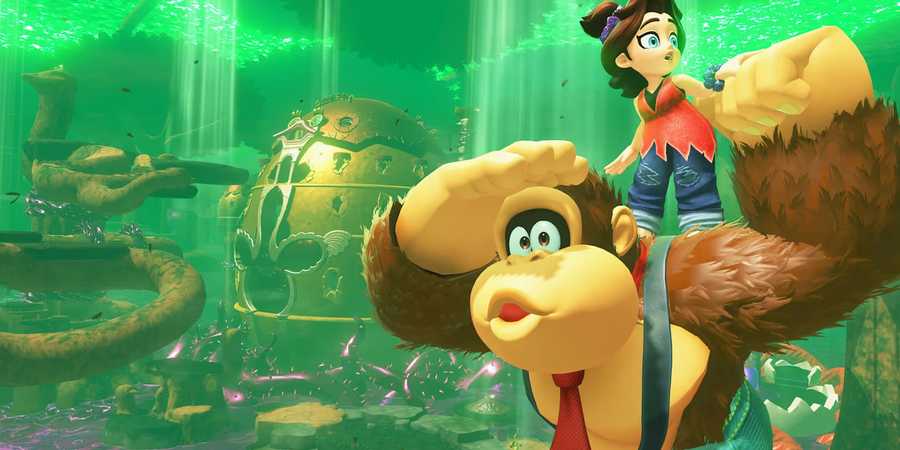
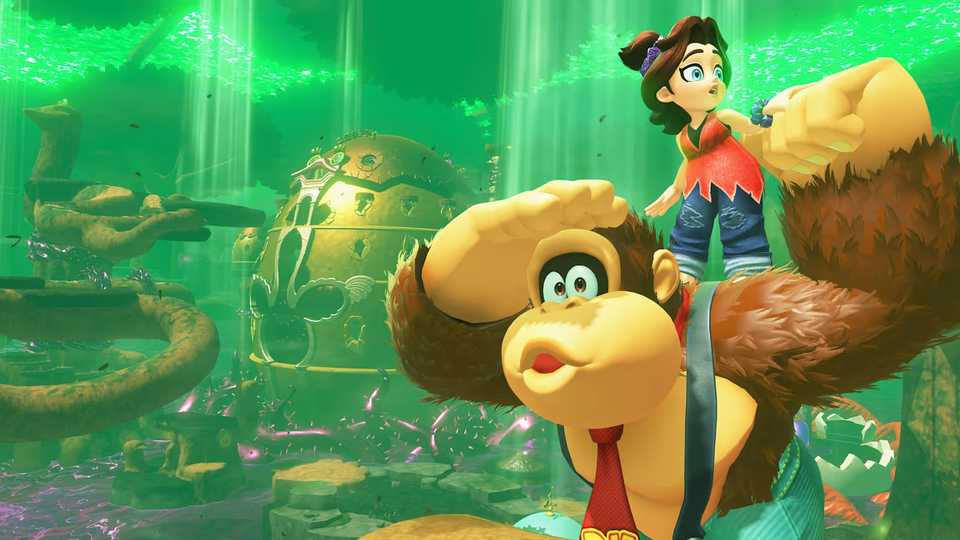
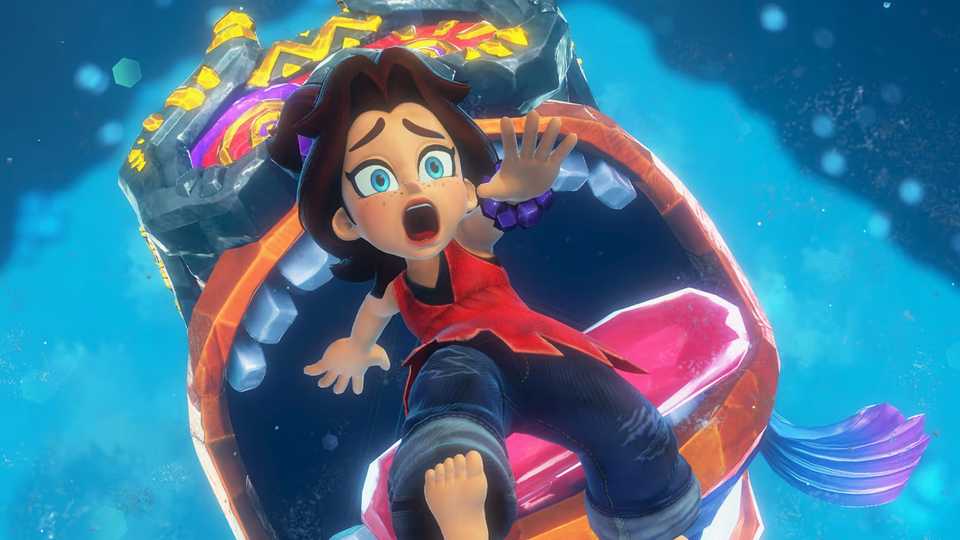
Though she's best known for her appearance in Super Mario Odyssey, Pauline can trace her roots all the way back to 1981, where she appeared as the damsel in the original Donkey Kong arcade game. Pauline returns again in Donkey Kong Bananza, this time as a teenager who accompanies DK during his daring adventure to the planet's core.
There are several direct in-game references that link Donkey Kong Bananza's version of Pauline to her 1981 counterpart, such as unlockable outfits that mirror the original's pink dress. Pauline will also perform a specific dance move (swinging her arms and legs back and forth) during the Bananza Transformation sequences. This movement can also be seen from adult Pauline in Super Mario Odyssey and is a direct reference to the rudimentary movements 1981 Pauline makes.
During co-op, the words shouted by Pauline adopt a similar font and style to the "Help!" Speech bubble that appears in front of Pauline in 1981's Donkey Kong.
Bonus Stages Reference Donkey Kong's Best Outings
Some of Donkey Kong Bananza's best references can be found in four of the game's challenge levels. Titled "Arcade Country," "Nostalgia Country," "Bramble Country," and "Cart Country," these four Donkey Kong Bananza bonus levels are pitch-perfect homages to the franchise's most important entries. While Arcade Country is a loving recreation of the original Donkey Kong arcade game, the other three are throwbacks to Rare and Retro's Donkey Kong Country series.
Cameos Reward Long-Time Donkey Kong Fans
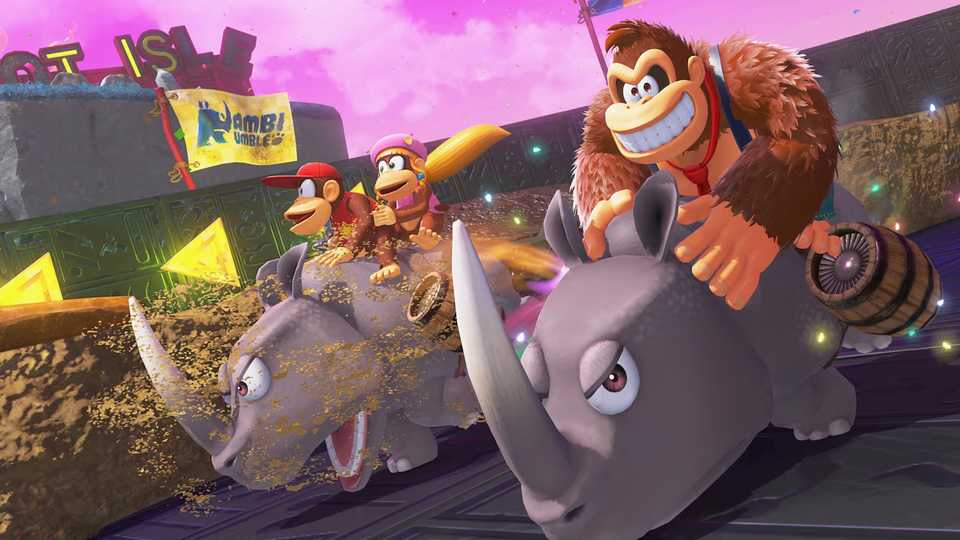
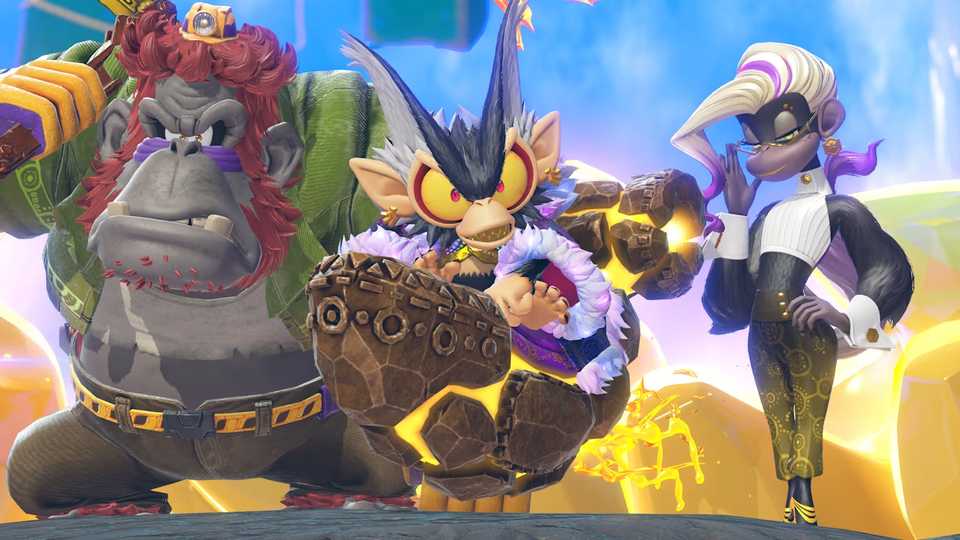
Donkey Kong Bananza is home to a bevy of cameos, all of which should get a gleeful response from long-time Donkey Kong fans. Cranky Kong appears throughout Bananza, playfully ranting about DK's various shortcomings. Diddy and Dixie Kong make an appearance in the latter half of Bananza, where they challenge DK and Pauline to a race atop Rambi and directly reference the plot of Donkey Kong Country 2. The final act of Donkey Kong Bananza also sees a beloved foe return once more.
Some classic Donkey Kong enemies, like the Gnawties, are referenced via Donkey Kong Bananza's fossils.
Bananza Powers Are a Play on a Staple Donkey Kong Mechanic
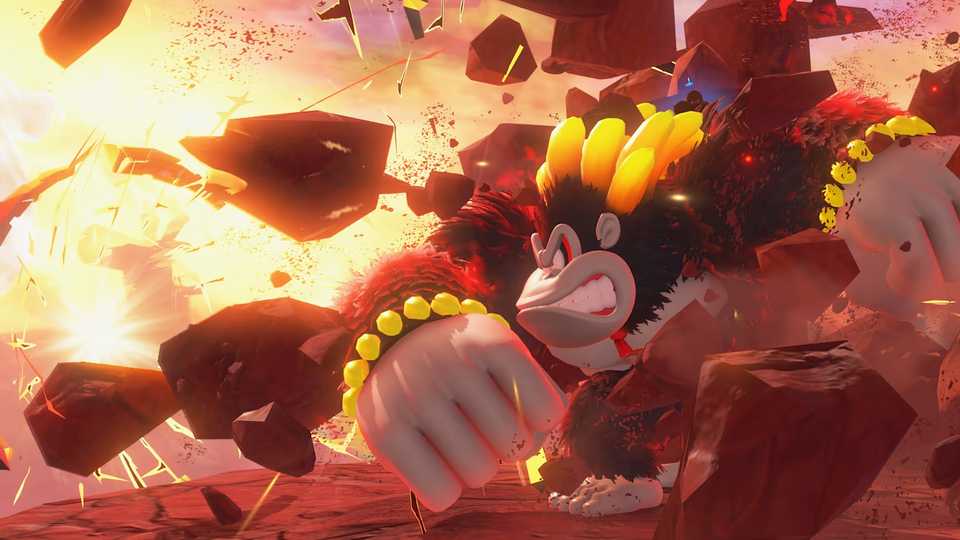
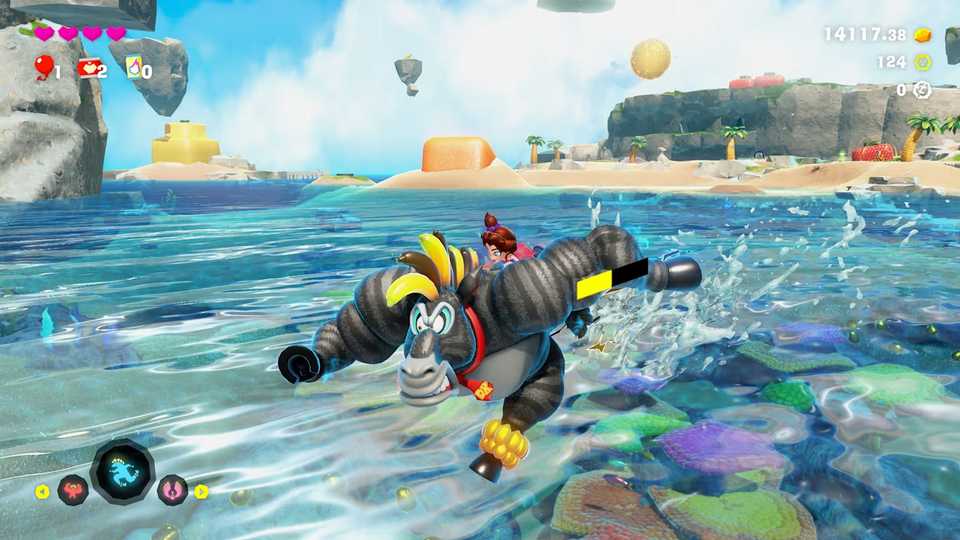
The titular mechanic, Donkey Kong Bananza lets players transform into a variety of super-powered animals. These Bananza Transformations and their accompanying abilities seem to evoke Donkey Kong Country's Animal Buddies, such as Expresso the Ostrich, who can glide, and Rattly the Rattlesnake, who can jump very high.
Donkey Kong Bananza's Soundtrack Remixes Some Classics
Particularly observant fans will also be able to recognize a wealth of music tracks and motifs in Donkey Kong Bananza as being remixed versions of beloved Donkey Kong Country tracks. These play during the aforementioned throwback challenge levels and during certain boss fights and pivotal moments in Bananza's story.


-
 OpenCritic Reviews
- Top Critic Avg: 91 /100 Critics Rec: 99%
- Released
- July 17, 2025
- ESRB
- Everyone 10+ / Fantasy Violence, In-Game Purchases
- Developer(s)
- Nintendo EPD
- Publisher(s)
- Nintendo