


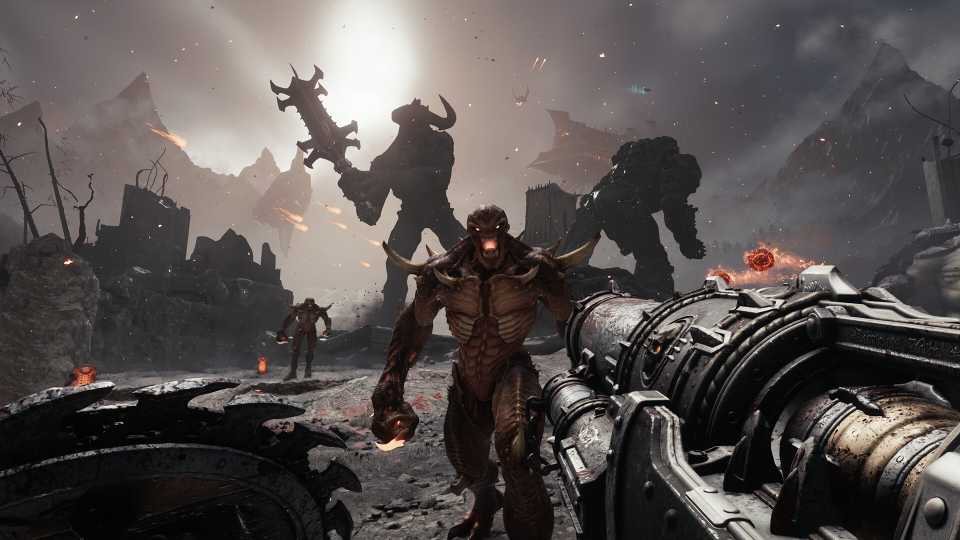
Doom: The Dark Ages marks the next entry in developer id Software's modern takes on arguably the most influential FPS series of all time. Beginning with a reboot in 2016, the studio then followed it up in 2020 with Doom: Eternal, which managed to dial up the frantic demon-destroying action speed even higher. Doom: The Dark Ages now sees the Slayer slow down, in relative terms, acting as the anchor for the Night Sentinels of Argent D'Nur as Hell's forces lay siege to their planet in a prequel story to the previous two games.
Asking players to adopt a mindset of "stand and fight," the latest approach that Doom: The Dark Ages takes to its combat philosophy and new settings sees it experimenting with established elements, sometimes breaking from tradition and going beyond its usual boundaries. But the franchise has also always contained hints of classic myths and literature, and The Dark Ages continues this by referencing a few specific and well-known ones in its narrative.
The following article contains spoilers for Doom: The Dark Ages.

Doom: The Dark Ages is Headed Down the Same Path as God of War
Doom: The Dark Ages is making innovative changes to the series, and some of these are reminiscent of God of War.
How Doom: The Dark Ages Draws From Greek Myths and Classic Literature
Doom Now Encompasses a Range of Tonal Influences
Given that it centers on literal demons from Hell invading Earth and other places, Doom has always had a touch of religion in it, at least in the premise. While the original titles didn't have much story or exposition as to exactly how, and why, this was happening, that, of course, was not its focal point. But since the 2016 entry, Doom' s lore and the Slayer's backstory have been greatly expanded, even more so in Doom: Eternal and its two-part DLC, The Ancient Gods, which set up the framework of the Night Sentinels for The Dark Ages.
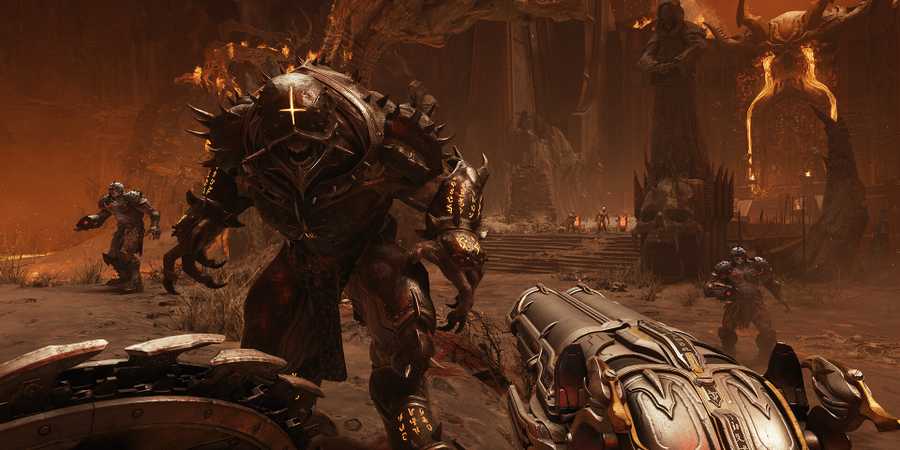
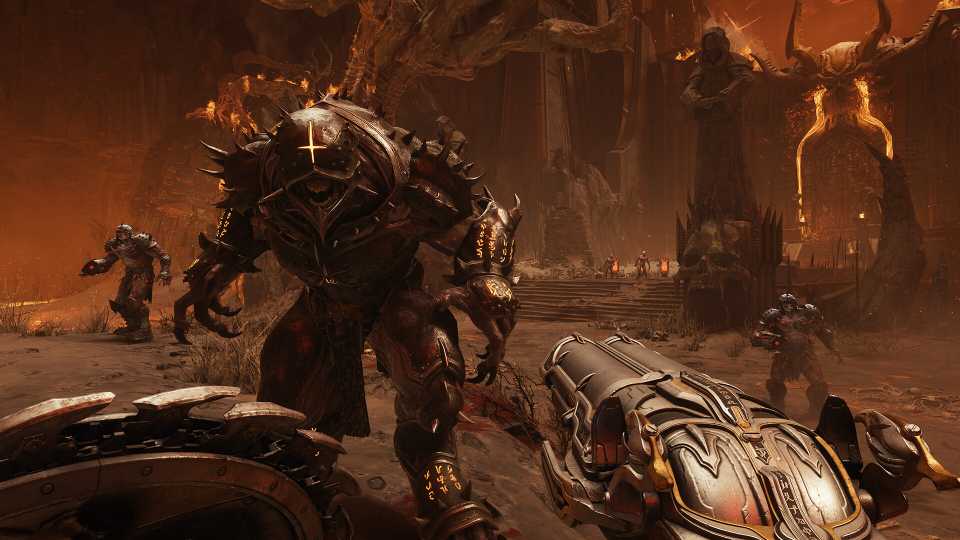
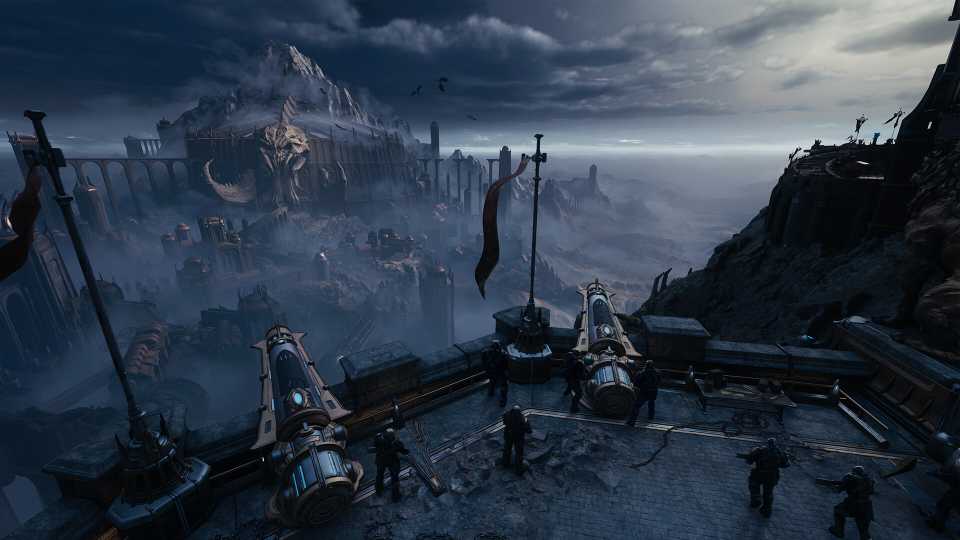
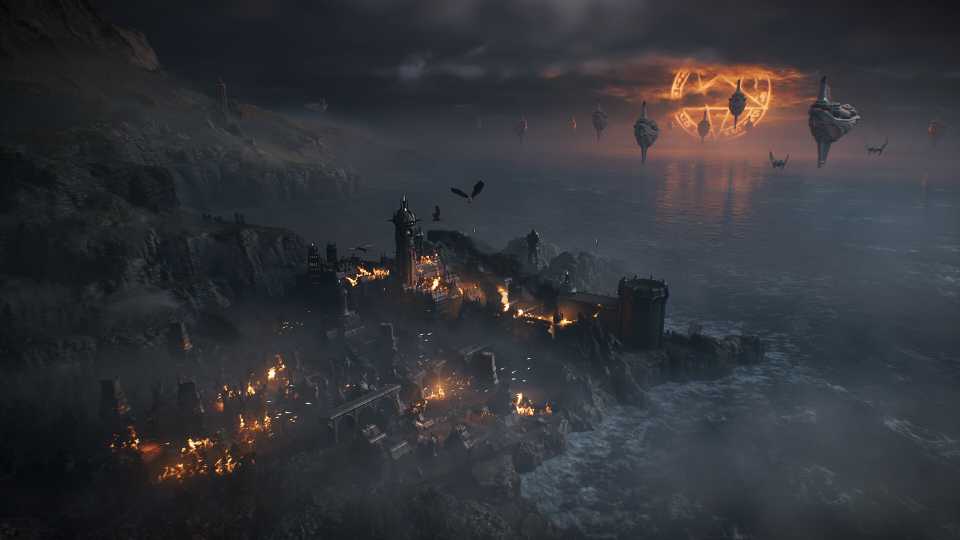
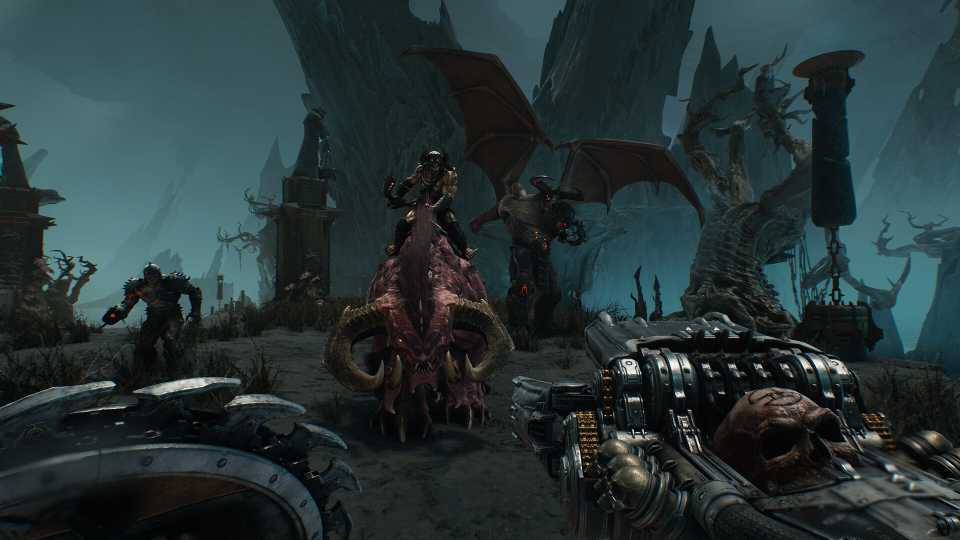
A big influence on Doom is Dante Alighieri's classical epic poem, The Divine Comedy. Specifically, The Inferno, which has become one of the most famous depictions of the appearance and organization of Hell in Western literature, and one that many titles have drawn inspiration from when taking players through its landscapes in games. Other introductions like the alien Makyr race in Doom, which are almost like cybernetic angels, furthered this connection while putting a sci-fi spin on the conventions. The Dark Ages, as the title implies, throws in medieval aspects with futuristic ones, creating a cool aesthetic where both are fused in a believable way. On top of this, it also invokes classic Greek mythology, adding another element to the series' visual and story design.
Doom: The Dark Ages Covers Both Cosmic Horror and Classical Myths
Doom: The Dark Ages flies its sci-fi medieval flag high, but it also goes to places far beyond the genre. After a trip through stranger worlds than Hell itself in Doom: The Dark Ages' Lovecraftian cosmic horror sections, the Slayer finds himself in a sort of limbo afterlife resembling the Greek underworld. It is in this and the following few missions that its classic influences converge and provide a great transition between the feel and presentation of The Dark Ages' levels.
Here, the Slayer encounters a figure highly resembling Charon, the ferryman of the dead, who traditionally requires a toll to transport the departed souls across the rivers of the underworld. In true fashion, the Slayer pays with the only currency he knows: a shotgun blast to the face. He commandeers the ferry, which is imagined as a huge skull-covered warship, and drives it straight back through the gates of Hell in a fantastic sequence.
Many of Doom's levels set in Hell could already come directly from The Inferno's descriptions of it, and some of the iconography in the latest installment is perhaps the clearest use of them yet. Combined with its references to Greek myths and tales, Doom: The Dark Ages makes excellent use of these and its other inspirations to tie everything together cohesively while doing them justice and putting its own unmistakably Doom spin on them.


DOOM: The Dark Ages



-
 OpenCritic Reviews
- Top Critic Avg: 86 /100 Critics Rec: 95%
- Released
- May 15, 2025
- ESRB
- M For Mature 17+ // Blood and Gore, Intense Violence
- Developer(s)
- id Software
- Publisher(s)
- Bethesda Softworks


WHERE TO PLAY



- Engine
- id Tech
- Genre(s)
- FPS, Action, Sci-Fi & Fantasy
