


Summary
- Research the dark fantasy genre through books, movies, and games to spark inspiration and ideas.
- Conduct a session zero with players to set expectations, consent boundaries, and tailor classes.
- Balance darkness and light in the campaign to maintain player engagement and emotional impact.
Dungeons and Dragons proves itself to be one of the most versatile tabletop games of all time, as any DM can make a campaign of virtually any genre to fit into the world with a dash of their own flavorings. Even the pre-written campaigns cover a wide array of locations, story beats, and themes.

Dungeons & Dragons: Tips For First-Time Dungeon Masters
DMing can be tough your first time around. But with any luck, these helpful tips should make it a smoother experience.
DMs who enjoy dark fantasy and want to introduce it to the world of Dungeons and Dragons might not know the best way to get started, as there is a lot to consider when homebrewing a campaign from scratch, but here are some tips to lend a helping hand.
8 Explore the Subgenre
There Is No Shortage of Dark Fantasy Books, Movies, and Games
The first steps DMs should consider taking are a refresher course on the dark fantasy genre, which they can find in the forms of books, movies, TV shows, and, of course, video games. This gives them a good idea of how other creatives have explored the genre and just how far people can stretch this genre. For example, The Witcher books are greatly different from Pan's Labyrinth, which takes on more of a fairytale approach to the fantasy aspect.
Researching more on the topic would no doubt open their minds to how they approach dark fantasy, and could strike up that all-too-important spark of inspiration needed to get started. Those struggling could even use the opening of a pre-existing work as a hook to get the ball rolling.
7 Set Expectations
Run a Session 0 With Players to Workshop the Idea

Dark fantasy might not be everyone's cup of tea, so it's best to gather the group together before making any big plans, and the DM talking with their general spoiler-free idea with the table could warm these less interested players up to the idea.

Dungeons and Dragons: What Is A Session Zero and Why Should You Use It?
Dungeons and Dragons DMs who want to kick off a successful campaign should start with these tips to run a session zero.
As the name implies, dark fantasy is going to be dark and deal with topics not everyone might want to face in their weekly three-hour escapism. So, before throwing in heavy-handed politics and grimdark environments, it is best to talk with players first, so everyone can put forth their expectations, ideas they don't mind, and topics they want to avoid. It might be prudent to present a consent checklist, so players can anonymously tick off things they don't want to see. After all, D&D is first and foremost supposed to be fun for everyone involved.
6 Tailor Pre-Existing Classes and Races
Use the Tools that Already Exist, But in a Way Befitting of the Campaign
In a dark fantasy game, there may be some classes and races that aren't exactly appropriate to the setting. While the DM should try to accommodate what their players truly want to play, players also need to be considerate of what theme the campaign is striving to be.
As such, it might be a good idea to completely veto certain options and tweak those that could work or already work to be completely in line with world-building. For example, necromancer wizards might take on a more deathly visage themselves when they cast their magic, and resurrection magic only results in bringing back the dead as a form of undead.
5 Consider the Setting
The Location Needs to Be Appropriate to the Story They Wish to Tell
When a DM has a specific genre of story they wish to spin in their game, then the location needs to suit. Small hamlets struggling with poverty, disease, and a harsh regime, isolated castles almost foreboding to look upon...these can serve as great furnishings to their tale, and provide locations for the players to visit and explore during the campaign.
DMs also need to remember not to lean too heavily into the horror side of things, as there still needs to be an edge of fantasy in these places. It could be that magic is only allowed by official guards, and any practitioners are made an example of in public places to terrify others into obedience. Consider the story, and the locations should follow.
4 Choices and Consequences
Dark Fantasy Should Mean Players Can't Always Achieve Perfection
Choices are a natural part of life, and definitely come into play in a Dungeons and Dragons campaign. Players even selecting what race and class they are playing is going to have an effect on how they experience the campaign.
When it comes to incorporating this into a dark fantasy campaign, there should be times when a tough decision has to be made, such as sacrificing one NPC to save another, or sacrificing them to make sure they can put down the monsters that threaten an entire village. And they should feel the consequences of those actions, like a mourning lover coming to seek revenge, or a despot mayor accusing them of murder, even. In dark fantasy, a happy resolution is rarely ever reached, so the DM shouldn't always pull their punches.
3 Times of Turmoil
Political and Societal Corruption are Key Ingredients
Corruption of political leaders and brewing turmoil between nations aren't elements unheard of in dark fantasy, and more often than not serve as major plot points or as furnishings to the story and world as a whole. As such, DMs might want to consider including these as backdrops in their campaigns that the players may or may not involve themselves with.

Most Evil Tyrants In Games
Tyrants, as in other forms of media, often serve as antagonists in video games. These characters are some of the most deplorable.
Rising conflicts between neighboring kingdoms and despotic leaders with little interest in calming the situation could make invaluable late-campaign material players need to confront directly, either simply to find a solution to avoid the death of thousands, or something larger, more powerful, and more evil is at play, pulling the strings in the background. Either way, this would really help to hammer home the dark fantasy concept of their world and campaign.
2 Use the Right Kinds of Enemies
The Monsters Should Fit the World
Enemies such as will o' the wisps and mischievous fae aren't exactly screaming dark fantasy and will probably throw players completely for a loop, and the entire concept out the window. As such, it's probably the best time to scour the Monster Manual for fantastical enemies that are certainly dark in nature, such as vampires, werewolves, banshees, and such.
Thankfully, the stat blocks for most of these exist, so DMs won't need to dedicate hours of their into homebrewing monsters, but if DMs have an idea of their own dark fantasy creature they want to throw into the mix, they definitely should, as what better way to surprise the players with something they have never seen before?
1 Don't Kill All Hope and Joy
Darkness Can Only Exist if There Is Light
Constantly grinding players down with darkness, hopelessness, and death is going to get old. Players will either lose interest in such a depressing game, or they will be desensitized to it, and a player being numb to the world and its themes is obviously not good, as none of the story beats are going to really make them feel anything.
As such, the DM definitely needs to balance the scales a little by giving them room to breathe, laugh, or even dare to hope. Allowing them brief respites just means that whatever follows will be even more impactful, and ensures they keep coming back for more. Neither darkness nor light can exist without the other, so DMs need to take care to balance both of these things out.
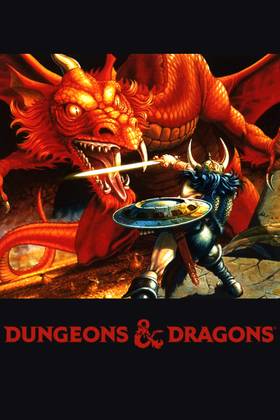
- Franchise
- Dungeons & Dragons
- Original Release Date
- 1974
- Publisher
- Wizards of the Coast
- Designer
- E. Gary Gygax, Dave Arneson