


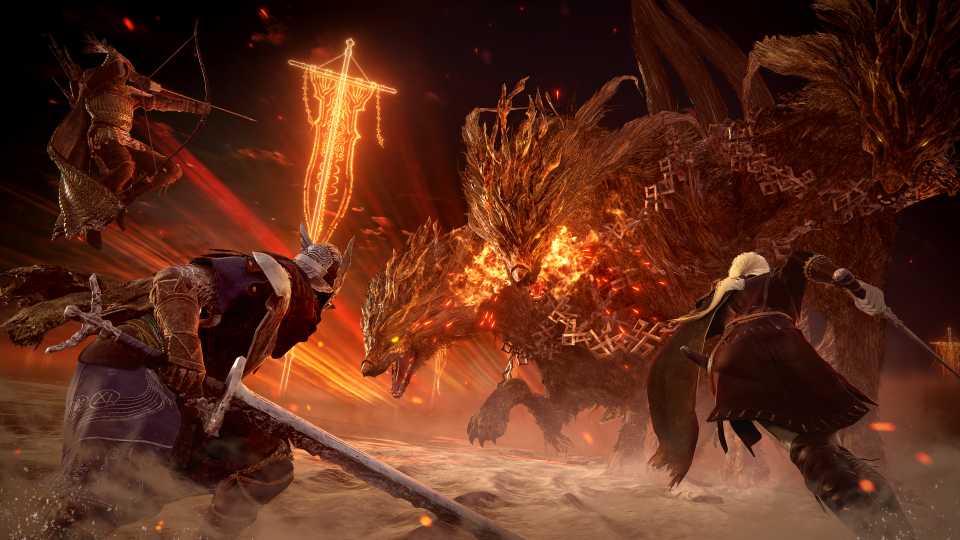
While Elden Ring Nightreign is certainly similar to the titular 2022 hit that preceded it, it brings plenty of new elements to the table as well, making it a fundamentally different experience. Naturally, a lot has already been said about its roguelike structure which, while certainly not perfect, does introduce exciting new dimensions to the Elden Ring gameplay loop, encouraging experimentation and multifaceted mechanical mastery.
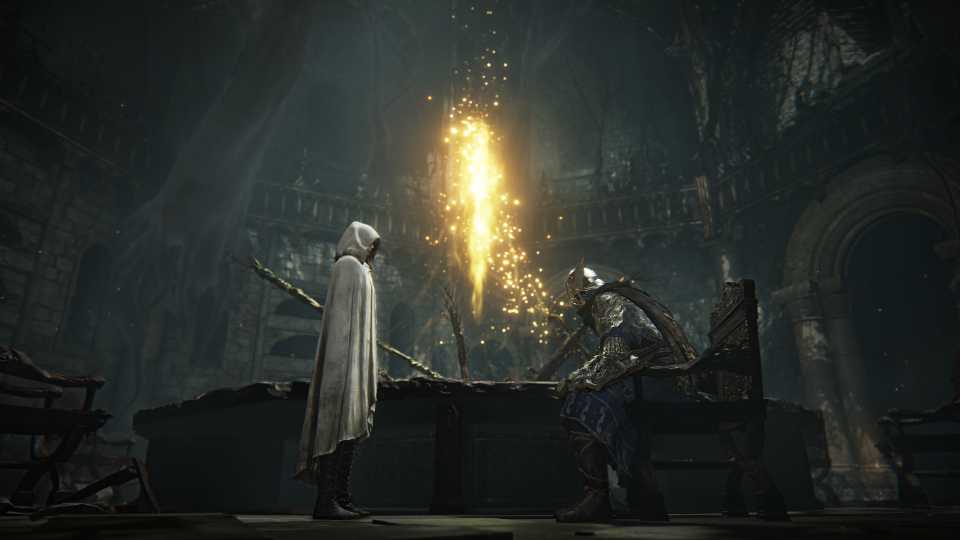
The combat of Elden Ring Nightreign makes up the majority of its playable content, and is likely to get the most attention from audiences in the long-term. But another interesting element of the spin-off is its narrative presentation, which is decidedly less epic and more oriented around relationships and interpersonal struggles than previous FromSoftware stories. Each of Nightreign's playable characters, known collectively as Nightfarers, has a predetermined backstory, and a significant portion of Nightreign's narrative content revolves around learning more about their unique pasts, goals, and struggles. These individual stories are delivered piecemeal through Remembrances, which are essentially small-scale side missions that require the player to complete some task during a run. But before and after these tasks are discussions with fellow members of the Roundtable Hold, which are interesting, but arguably don't reach their full potential.

Elden Ring Nightreign Amplifies a Subtle FromSoftware Issue
FromSoftware’s track record of releasing great games has obscured a long-running issue facing its games, one that Nightreign is exposing.
How Elden Ring Nightreign Could Have Incorporated a Persona-Like Social System
Elden Ring Nightreign's Interpersonal Relationships Are Lacking
Of course, FromSoftware RPGs aren't typically about forming deep and complex relationships with NPCs—they're more likely to corrupt or kill any likable non-player character, if anything. But Nightreign is a little different, being explicitly presented as an ensemble story, with each Nightfarer presenting their own unique personalities, struggles, and motivations. This is a rather promising spin on the typical FromSoftware narrative formula, and could have led to any number of inventive and exciting interactive opportunities. Unfortunately, this is not exactly the case.
Ultimately, Nightreign's character interactions boil down to brief lore dumps which, while interesting in their own right, do little to develop the characters in question. This feels like a major missed opportunity, since the Nightfarers are on a team with one another, all fighting for a specific goal, and all nestled in the same headquarters with ample opportunities for bonding, conflict, and growth. The lack of robust character relationships is even more disappointing when looking at instances where such relationships are intimated. For example, Guardian's journal indicates that he has a close student-mentor relationship with Recluse, but this isn't fleshed out in the way that it could have been. Leaping away from studio tradition in this regard could have benefited Nightreign greatly.
How a Dash of Persona Social Mechanics Could Have Elevated Nightreign's Narrative Delivery
Since the lion's share of Elden Ring Nightreign's narrative is delivered via dialog exchanges in the Roundtable Hold, there's a case to be made that a Persona-esque relationship mechanic could have been a good addition. Nightreign probably wouldn't have aped Atlus' Confidant system entirely, of course, but borrowing certain core elements, mainly the interplay of major gameplay rewards and NPC engagement, could have been an unexpected boon for the soulslike roguelike.
Take the aforementioned relationship between Guardian and Recluse, for instance: perhaps Nightreign could have allowed players, as Recluse, to engage in a sequence of unique dialog exchanges with Guardian, with each interaction building a relationship meter of some kind. Upon reaching certain milestones, the game could issue some sort of reward, such as a new relic for one of the relevant characters or an upgrade to their starting weapon. A similar version of this exists through Remembrances, but progression along this vector relies more on completing tasks during runs rather than relationship-building. With a dose of social simulation akin to what's seen in the likes of Persona, Metaphor: ReFantazio, and even Clair Obscur: Expedition 33, Elden Ring Nightreign could have been that much better.


Elden Ring Nightreign



-
 OpenCritic Reviews
- Top Critic Avg: 80 /100 Critics Rec: 78%
- Released
- May 30, 2025
- Developer(s)
- From Software
- Publisher(s)
- Bandai Namco Entertainment, From Software



WHERE TO PLAY


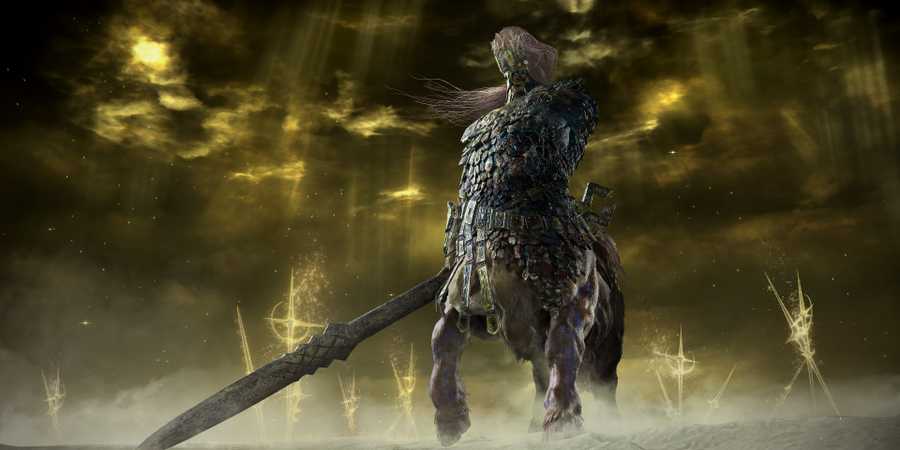
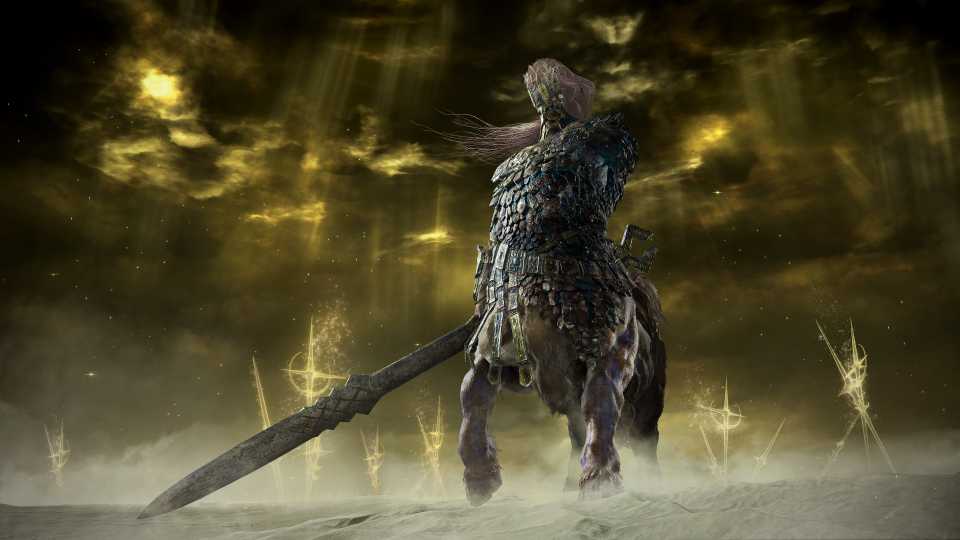
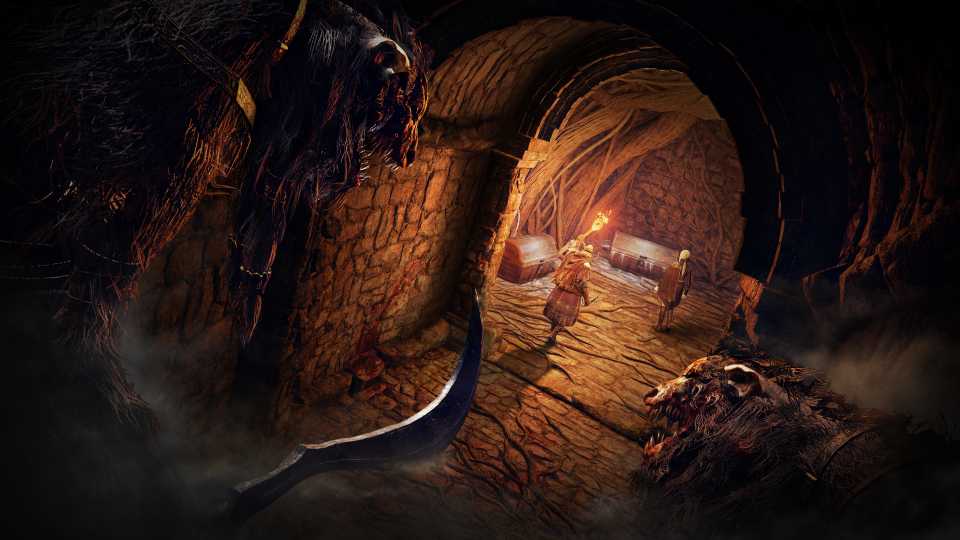
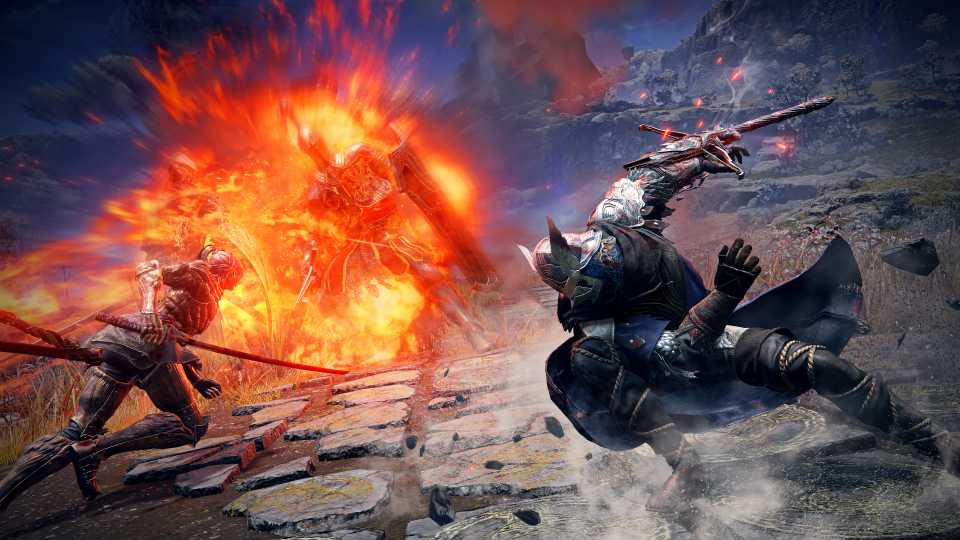
"ELDEN RING NIGHTREIGN is a standalone adventure within the ELDEN RING universe, crafted to offer players a new gaming experience by reimagining the game’s core design.
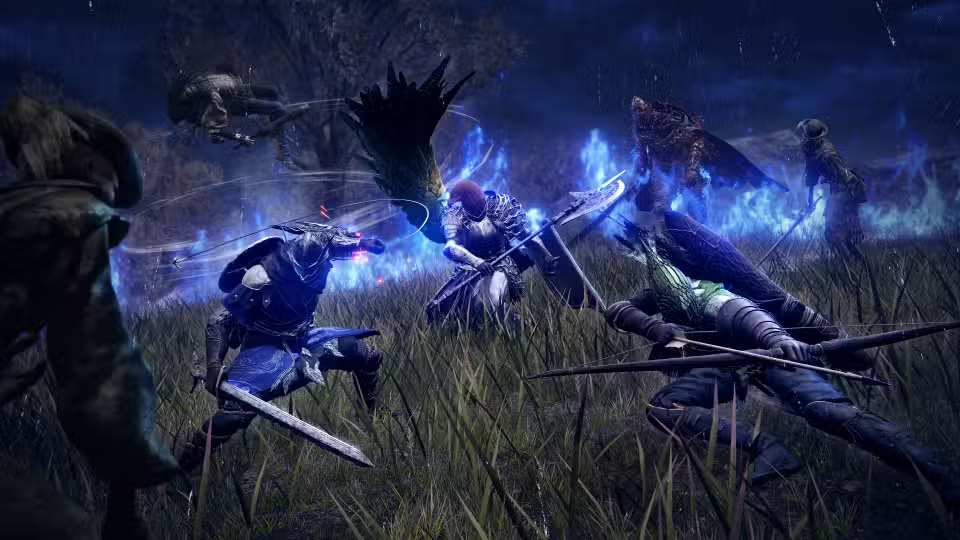
Join forces with other players to take on the creeping night and the dangers within featuring 3-player co-op.
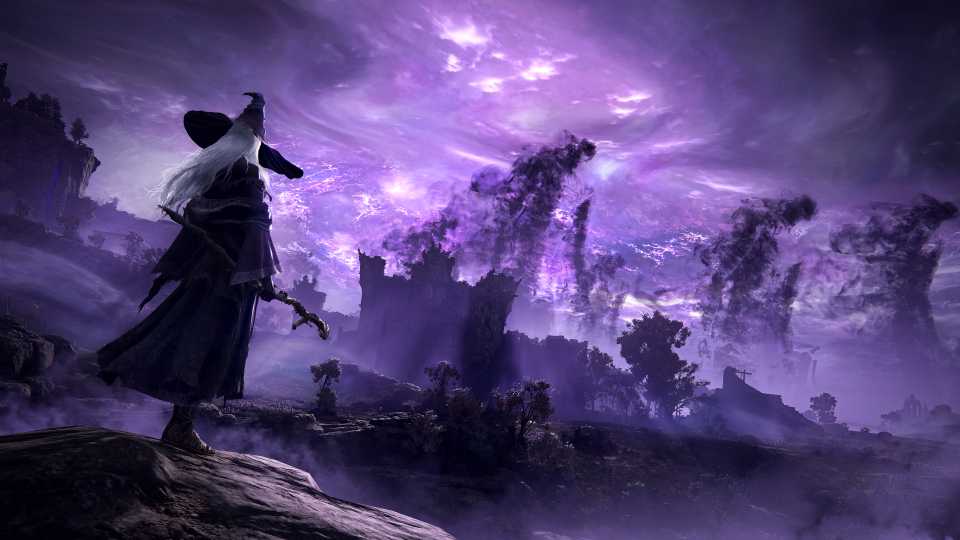
Take command of uniquely skilled heroes, each possessing their own abilities and distinct flair.
While individually formidable, their skills create powerful synergies when they unite as a team.
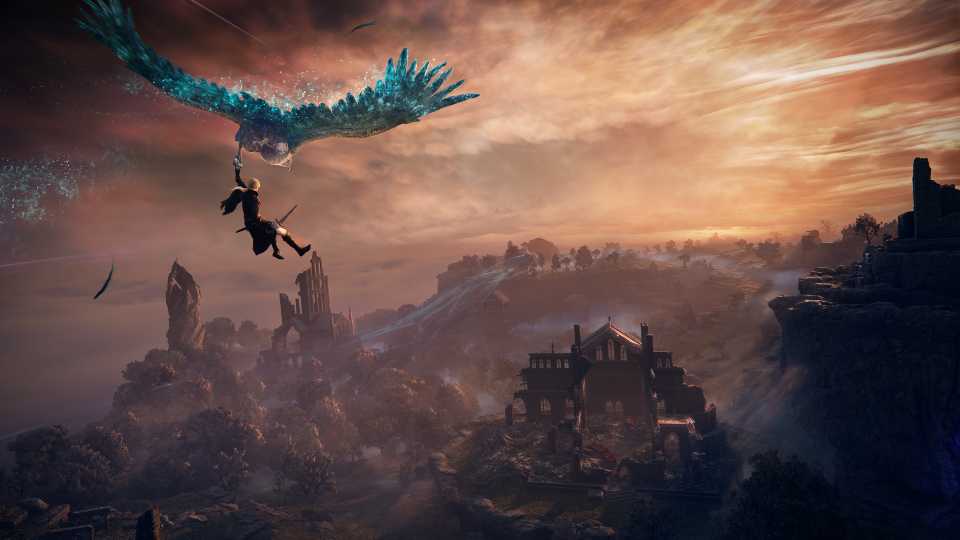
Overcome a relentless environmental threat that sweeps through a land that changes between each game session and defeat the magnificent boss of that night!"
- Multiplayer
- Online Co-Op
- Number of Players
- 1-3
- Steam Deck Compatibility
- Unknown
- PC Release Date
- May 30, 2025
- Xbox Series X|S Release Date
- May 30, 2025
- PS5 Release Date
- May 30, 2025
- Genre(s)
- Action RPG, Soulslike, Roguelite
- Platform(s)
- PlayStation 5, PlayStation 4, Xbox Series X, Xbox Series S, Xbox One, PC
