


When players think of FromSoftware and its signature game design philosophy, Hidetaka Miyazaki and Dark Souls are likely the first two things that come to mind. But another name that's been just as integral to the Soulsborne lineage of FromSoftware titles is game designer Junya Ishizaki. Ishizaki's resume reads like a "Greatest Hits" out of FromSoftware's catalog thanks to credits on Dark Souls, Bloodborne, Dark Souls 3, and Elden Ring. Following the success of Elden Ring and the gargantuan effort that went into making it and its exemplary open world, The Lands Between, Ishizaki pitched the general concept for Elden Ring Nightreign to Miyazaki and received both the green light for the project and the advice to "not hold back". After spending nearly 30 hours with Elden Ring Nightreign and defeating its final boss in a moment of victory snatched straight from the jaws of defeat, it's safe to say that Ishizaki both delivered on the strength of Nightreign's premise and followed Miyazaki's advice, as Elden Ring Nightreign is an experience that boldly charts its own path forward as part of FromSoftware's growing legacy.
Most telling about Nightreign is that those sentiments were not immediate but earned. At first, Nightreign feels almost antithetical to the methodical approach of FromSoftware's other titles. Nightreign is blindingly fast - offense is prioritized above all else, players have little control over how they "build" their characters thanks to pre-made selectable heroes, and the whole package almost comes off as a more fleshed-out boss rush mod made with the approval and resources of FromSoftware. But the more you dig into Nightreign and get acclimated to its unique gameplay loop and undeniably-FromSoftware take on the action roguelike subgenre, the more obvious it becomes how passionate its creators were about delivering something fresh and familiar. Ultimately, Elden Ring Nightreign feels like FromSoftware "cracking the code" on how to turn a Soulsborne game into a compelling blend of action RPG, boss rush, and extraction shooter, and it nails that unique mix so successfully that its few frustrating design decisions can be completely overlooked thanks to how incredibly fun and addictive it is.

Elden Ring Nightreign: Release Time & Date
Soon, Elden Ring fans will be able to return to the Lands Between with this multiplayer-focused spinoff of FromSoftware's most celebrated RPG.
Elden Ring Nightreign is Both Like and Unlike Anything Before It
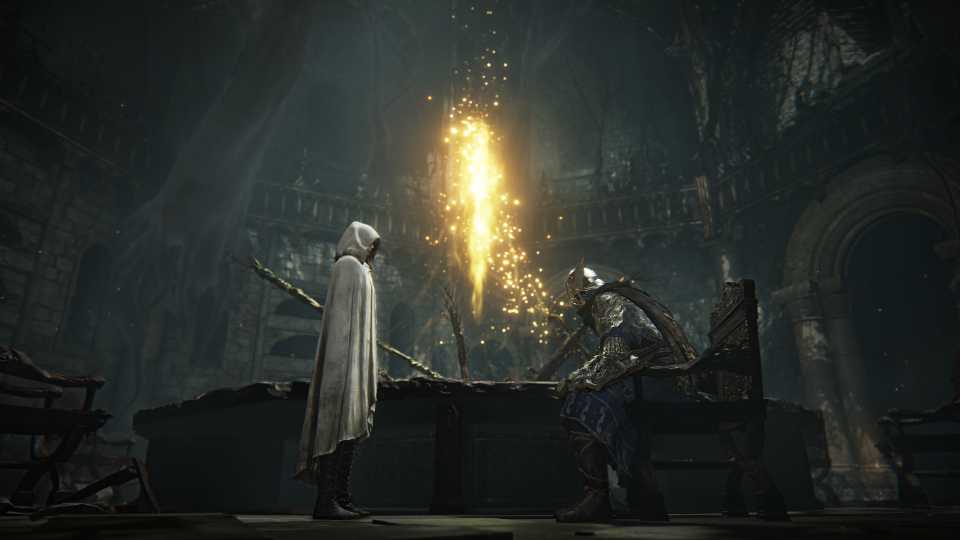
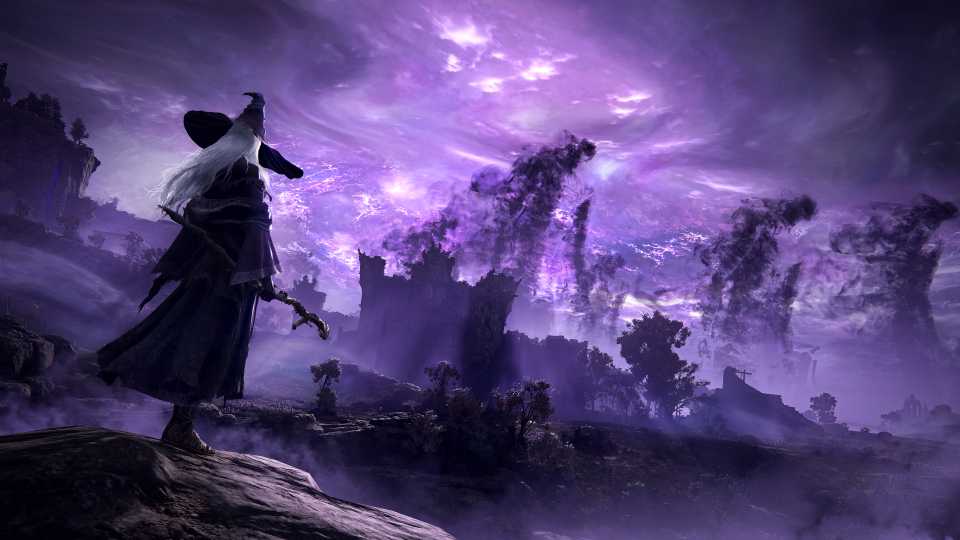
Elden Ring Nightreign takes place in the same universe as Elden Ring, but on a different plane of existence known as Limveld. A sort of alternate universe slice of Limgrave from The Lands Between, Limveld finds itself in the midst of a crisis, thanks to its being beset by a malicious presence known as the Night Lord. There's ostensibly no greater force or will pulling the strings to make the Night Lord appear, rather it's almost a force of nature that simply must be dealt with, pulling in champions from across the various planes of existence in the Elden Ring universe to work toward the goal of banishing it and restoring order.
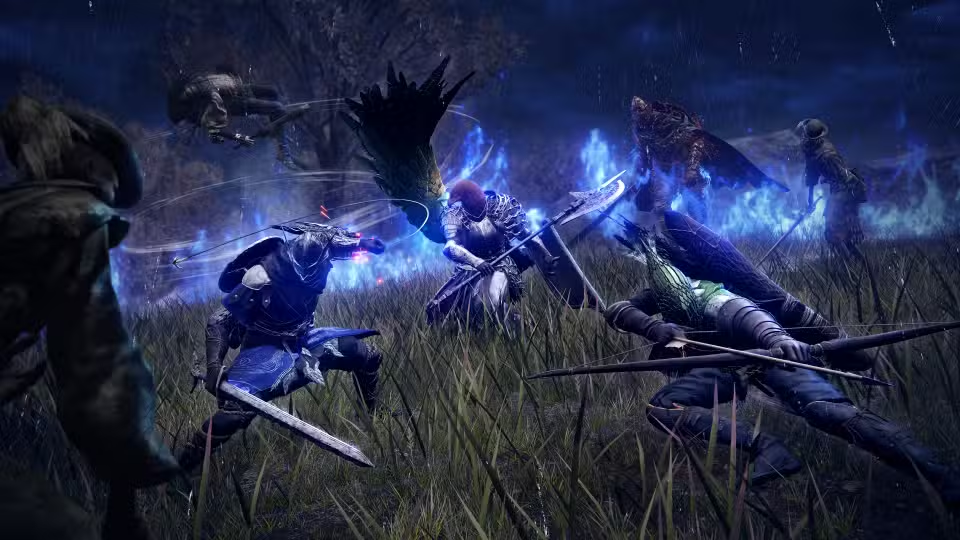
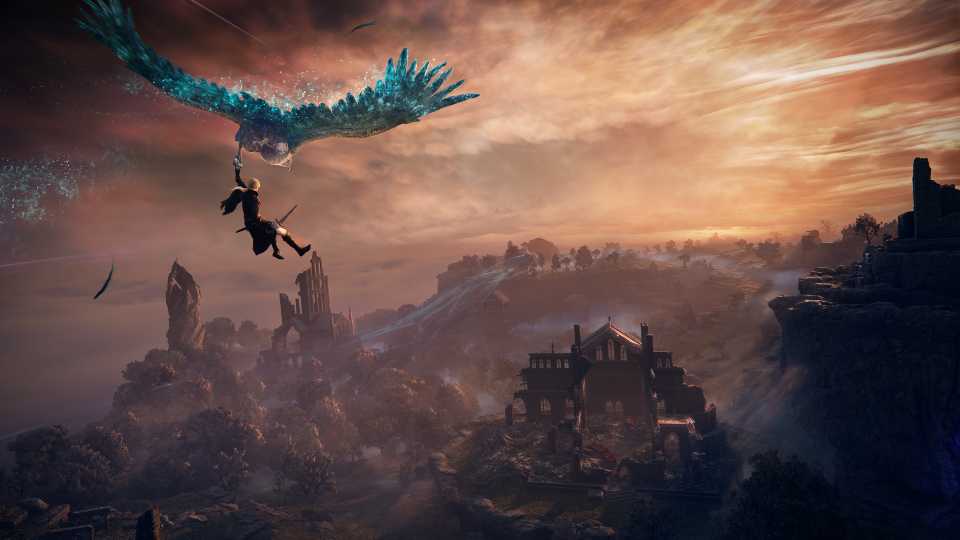
Choosing from one of an initial six character selections (which eventually grows to eight), you embark on solo or three-player co-op 3-day journeys into Limveld known as "Expeditions". Somewhat similar to Monster Hunter, you and your fellow Nightfarers get to choose which of the game's main bosses, the Night Lords, you face off against before queuing up on the map, which factors into an Expedition's general strategy as well as an ideal team composition. After a drop-in sequence that will feel familiar to anyone who's played a battle royale like Fortnite or PUBG: Battlegrounds, you have a limited amount of time in which to cross the map, defeating enemies and bosses to try and acquire both runes and gear and fighting a boss at the end of each day as the Night's Tide — a deadly, health-draining storm — gradually closes in. Following two days of exploring the map and fighting bosses, you head to the arena of your chosen Night Lord to do battle, earning rewards regardless of your victory over these challenging foes.
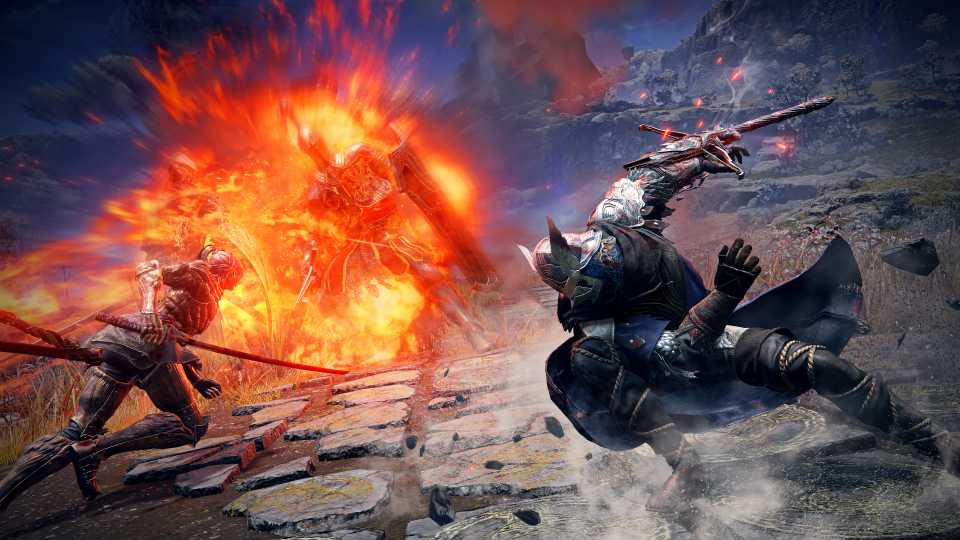
While the structure of Nightreign will feel immediately familiar to anyone who's played an action roguelike, the ways that combat and progression are handled in each Expedition make it unlike anything else in the subgenre. With Elden Ring Nightreign, FromSoftware has figured out the tweaks necessary to make a Soulsborne game work in the context of a roguelike or extraction shooter, and it feels like a fresh experience as a result. For starters, the choice to limit players to preset builds and a level cap of 15 means that the power curve of Nightreign is incredibly satisfying and arrives swiftly. You might start as a squishy target in a sea of enemies, but you'll quickly grow to be ping-ponging across the map and challenging bosses head-on in your quest to max out your party ahead of Day 3.
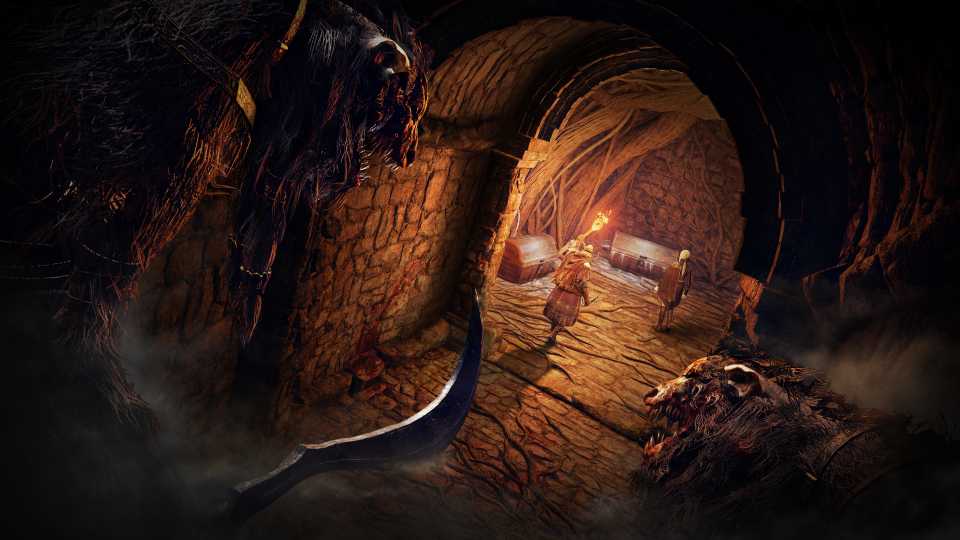
For those who might find the lack of buildcraft in Nightreign frustrating, it's worth pointing out that FromSoftware has found a clever workaround with how the game handles equipment and more permanent upgrades. The randomized loot drops and Relics play an important part in Nightreign's progression, both with regard to run and meta-progression curves. Each of the game's Night Lords has a particular elemental weakness that drives the optimal route for a party of Nightfarers to take, and defeating the bosses at these locations nets loot drops in different colored rarity tiers. Players can hold up to 6 different weapons and are even encouraged to carry weapons that aren't suitable for their class, thanks to being able to make use of their off-hand passives, and you'll constantly be finding adequate drops that provide a worthwhile sense of power creep.
Similarly, the Relics that players are rewarded with at the end of each Expedition, whether victorious or not, are where Elden Ring Nightreign's meta-progression comes into play. At first, the selection of Relics will be limited to ones that grant some basic passive upgrades, like improving FP regeneration or making a character's ability gauges charge faster. Eventually, though, you'll unlock game-changing relics that have the power to completely transform which Nightfarers you end up taking on Expeditions, ultimately helping to shape the game's still-growing meta. It's a near-perfect blend of the gameplay Elden Ring players are familiar with, along with the structure of popular action roguelikes, that is paradoxically a brand-new experience and somehow immediately intuitive to just pick up and play.
Nightreign's Pace and Structure Are Almost Antithetical to Souls Games, Ultimately to Its Benefit
One thing that will likely require some adjustment from most experienced Souls players is Nightreign's pace. The days in Elden Ring Nightreign's Expeditions can feel incredibly short, meaning it becomes necessary to quickly learn the meaning of all the icons on the map and figure out the best route to optimize your chances of success. A large part of that boils down to Nightreign's RNG, which, unfortunately, can be either a cruel mistress or a blessing depending on how a map layout shakes out in each Expedition. But the speed of Nightreign's core gameplay loop is also one of the elements that helps the game's playable characters, the Nightfarers, shine.
Controls in Nightreign will feel immediately familiar to Elden Ring veterans, but the streamlined nature of character builds and loadouts simplifies things in a way befitting Nightreign's breakneck pace. In addition to a standard light and heavy attack and weapon abilities, each Nightfarer has a character ability and an ultimate ability. Defeating enemies charges the ultimate gauge while the character abilities charge automatically and at a faster rate, and getting into a groove with a particular Nightfarer involves understanding the context for juggling these abilities along with more standard attacks. But just like Nightreign's progression and power curve, the acclimation to the game's speed and flow of combat comes swiftly. After the initial adjustment to Nightreign's pace, you might even find it hard to go back to the slower, more methodical feel of the base game.
Elden Ring Nightreign's Nightfarers Are a Motley Crue of Souls Archetypes
In addition to blending elements of Soulsborne games and roguelikes, Elden Ring Nightreign has a bit of hero shooter DNA thanks to its premade characters, the Nightfarers. To FromSoftware's credit, each of the Nightfarers is fun to play and has a viable use in just about any team composition, with some of them being flexible enough on the battlefield to work as a choice for all three players against certain bosses. The Nightfarers each abide by an archetype that longtime FromSoftware fans will be familiar with, and figuring out which meshes best with your playstyle is a large part of what makes each run in Nightreign so exciting, as you try out new characters and strategies to eke your way to victory.
You'll start with Wylder, a great all-around tank with a grappling hook as his character ability that's incredibly useful for closing the distance between enemies. Guardian, apt to his name, embodies the "shield and poke" strategy from Elden Ring, able to deflect attacks with a large shield in his off-hand while using thrust attacks with spears and halberds in the other, and having an ultimate that is fantastic for reviving fallen comrades. Executor is the Dex and Arcane build, a katana-wielding assassin; Recluse is a master of AoE attacks that can tap into any of the game's different elemental magic; Raider is a berserker-type character that hits like a dump truck and can withstand impressive amounts of punishment. And rounding out the initial six Nightfarers is Ironeye, who winds up being one of the most unique characters in Nightreign thanks to how his kit encourages playing the game like a third-person shooter.
Players will quickly find their favorites, and thanks to my typical preference for Dex-based builds in FromSoftware games, I found myself gravitating toward Ironeye and Executor. But I still had plenty of fun trying out all the other Nightfarers, and players can rest easy knowing that there's not a bad one in the bunch. Even characters that I personally couldn't mesh with, mostly based on needing to come to grips with their kit and how they play, can shine on the battlefield in the hands of a more-skilled player. And the ways that each of the Nightfarers synergize with one another to quickly melt bosses and trash mobs hammer home one of the core conceits of Nightreign: you can play the game solo, but it's almost always better when working within a team of 3.
The Nightlords Are Elden Ring Nightreign's Stars
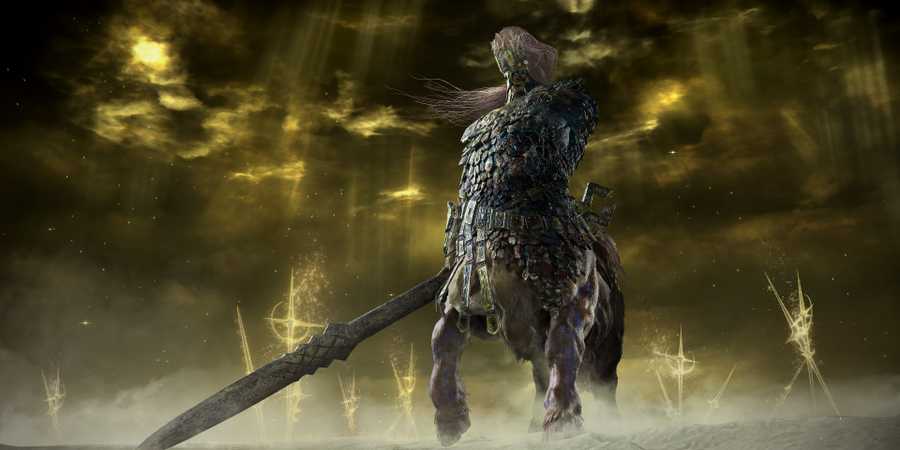
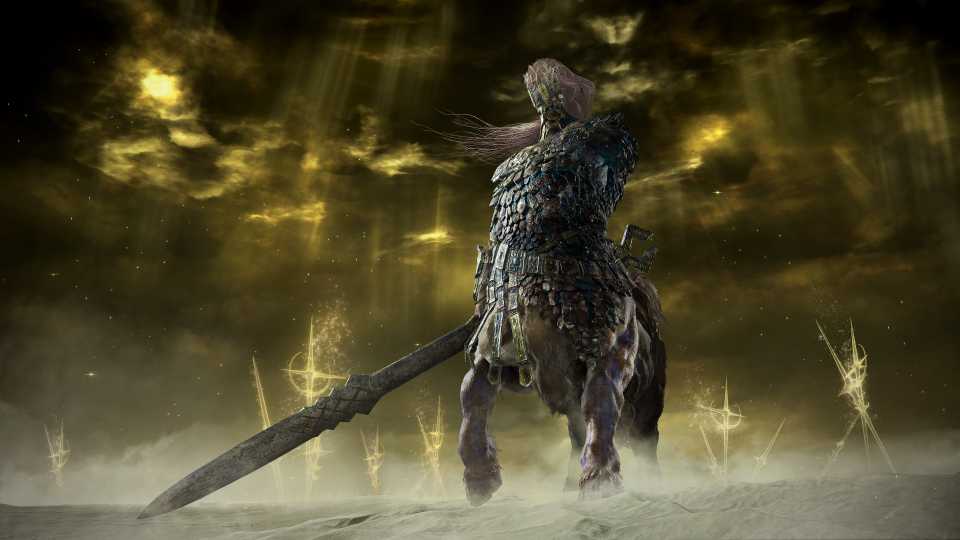
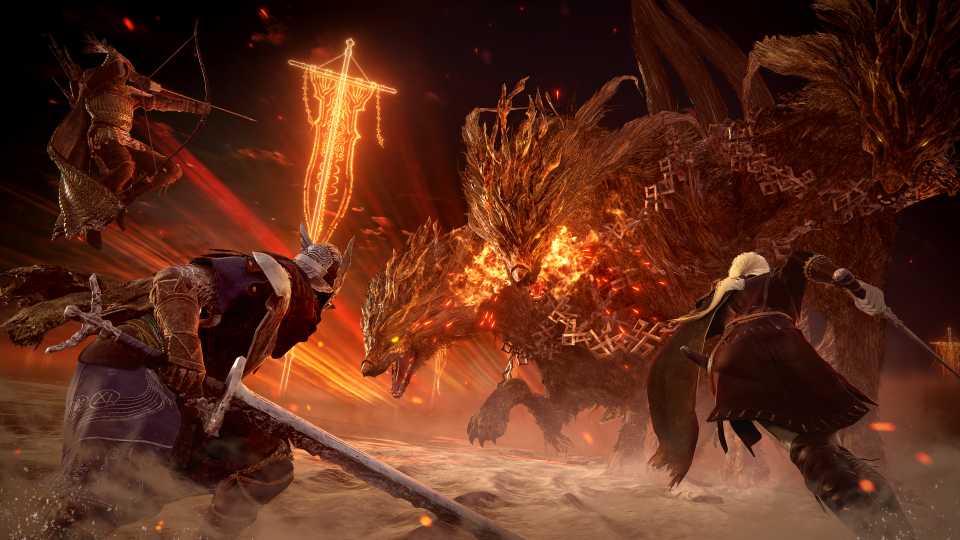
Boss enemies are a core element of Elden Ring Nightreign and practically the crux of its gameplay loop, so it makes sense that FromSoftware would pull out all the stops when it came to the game's big bads: the Night Lords. Ahead of Nightreign's release, a lot of attention was paid to the regular boss enemies that players encounter during each day and at the conclusion of Days 1 and 2 in each Expedition. True to what you'd expect from that preview coverage, Nightreign contains an impressive selection of bosses not just from Elden Ring, but from across the Dark Souls trilogy as well, and fighting each of these foes in their new, returning incarnations feels like a brand-new experience or a remix of a familiar one thanks to the new structure and character classes. But the true star of Nightreign are the Night Lords.
The less players know about these end-of-run bosses ahead of going hands-on with Nightreign, the better, but suffice it to say, each of these new, original bosses ranks among some of the best fights in the entire FromSoftware catalog. Each battle against a Night Lord is rife with jaw-dropping spectacle and features a suitably epic score to accompany it, and their abilities and move sets will absolutely push even the most experienced FromSoftware fans to their limits. Defeating 4 of the initial 7 Night Lords unlocks an 8th that serves as the "final" boss ahead of rolling credits, and I'm not ashamed to admit that one of the Night Lords, in particular, still strikes fear into me, even after clearing what's supposed to be Nightreign's ultimate challenge.
Elden Ring Nightreign's Structure Presents a Slight Downfall for Learning Boss Behaviors
Of course, that Nightreign's structure runs counter to the familiar Elden Ring experience means that the act of learning a particular boss can be frustrating. A runback to a boss in Elden Ring can take mere seconds before you're back in the action and making another attempt, but the 3-day structure of Nightreign's Expeditions means that, at minimum, players are in for a 35+-minute commitment to retry a boss after failing. Simply learning the move sets for a single Night Lord can take multiple attempts, totaling upwards of 3 hours for a single fight. Comparatively, that amount of time would equal dozens of attempts on a challenging boss in any other Souls game. Thankfully, though, each new run presents an opportunity to arrive at a Night Lord with better gear, better Relics, a new team composition, and other variables that have a surprising amount of sway over players' chances for success.
The Addictive Nature of Elden Ring Nightreign Smooths Over Its Few Pain Points

As much as there is to love about Elden Ring Nightreign, there are still some minor pain points that hold it back from being close to a "perfect" game. Platforming — in particular, jumping — is a major component of traversal in Nightreign, and it's arguably one of the most frustrating aspects of the game. It's not uncommon to get stuck on geometry or fail to make it up a steep cliffside right as the Night's Tide is closing in, resulting in a death and loss of runes before respawning and catching up with your fellow Nightfarers. Similarly, the only means players have for crossing large swaths of the map is sprinting, and the loss of Torrent is sorely felt in Nightreign.
And then there's the issue of single-player Expeditions. Elden Ring Nightreign allows players to venture into Limveld solo, should they choose to do so, but the balancing is currently tuned to where it's tantamount to a death sentence. Of the small handful of solo runs that I completed during the review window, there was only one where I actually made it to the third day to face the Night Lord and was summarily defeated after just a few seconds of the fight. Occasionally, world events in Limveld will even restrict players from matchmaking, meaning it's necessary to either find players with the same event active or try and resolve them solo, which can ultimately become an exercise in both futility and frustration.
But even with a few minor gripes against it, Elden Ring Nightreign never stops being fun, whether it's your first Expedition or your hundredth. For fans of roguelikes and FromSoftware games, Elden Ring Nightreign's gameplay feels like a match made in heaven, and FromSoftware deserves praise for its skillful pivot of the award-winning Elden Ring formula into a whole new subgenre that is bound to become one of 2025's most-played games.





-
 OpenCritic Reviews
- Top Critic Avg: 80 /100 Critics Rec: 78%
- Released
- May 30, 2025
- Developer(s)
- From Software
- Publisher(s)
- Bandai Namco Entertainment, From Software



WHERE TO PLAY


- Platform(s)
- PlayStation 5, PlayStation 4, Xbox Series X, Xbox Series S, Xbox One, PC
- Genre(s)
- Action RPG, Soulslike, Roguelite
- A bold and addictive new take on FromSoftware game design
- Almost endlessly replayable and suitably challenging
- Nightreign's new bosses are some of FromSoftware's best-designed encounters
- Platforming and traversal remain clunky
- Some frustrating design choices regarding meta progression and gameplay structure hold Nightreign back from perfection
Elden Ring Nightreign releases May 30, 2025 for PC, PS5, and Xbox Series X/S. The Best War Games was provided a PC code for this review.