


After years of system overhauls, wipes, and balance experiments, Escape from Tarkov is finally set for its 1.0 release on November 15. It's a moment that should feel celebratory for longtime fans like myself, but in all honesty, the reality may not measure up to the sort of finality and polish the long-awaited "going gold" moment implies. I'm worried about whether this release will actually fix what's been holding Escape From Tarkov back: persistent cheating issues and non-stop performance problems.
Update uncertainty isn't a new thing for Battlestate Games' ambitious extraction shooter, as Tarkov built its reputation through authentic developer communication and bold, experimental design. That said, those same qualities have also fueled considerable player frustration. Escape from Tarkov's worst issues remain essentially untouched, and unless version 1.0 brings tangible improvements to stability and security, I think there's a real risk that the official launch of Tarkov 1.0 will be defined by the problems it hasn't resolved.
Tarkov's Two Most Persistent Problems

Cheating and optimization have long been the twin problems keeping Tarkov from fully realizing its vision. The game's cheating crisis is well-documented, even by the standards of competitive shooters. Additionally, as anyone who doesn't run a space-program adjacent rig will know, the technical instability has become equally defining.
In the eight years and hundreds of updates since Escape from Tarkov's closed beta release, inconsistent frame rates, micro-stutters, and severe desync still make Tarkov's firefights feel random even when everyone's playing fairly. Combined with widespread wall hacks, loot vacuuming, and near-omniscient tracking, the resulting experience is what we have now: one that feels unstable by every metric. For too long, these two issues have made Escape from Tarkov's already demanding gameplay even more punishing in all the wrong ways.
The Long Shadow of Tarkov's Cheating Problem

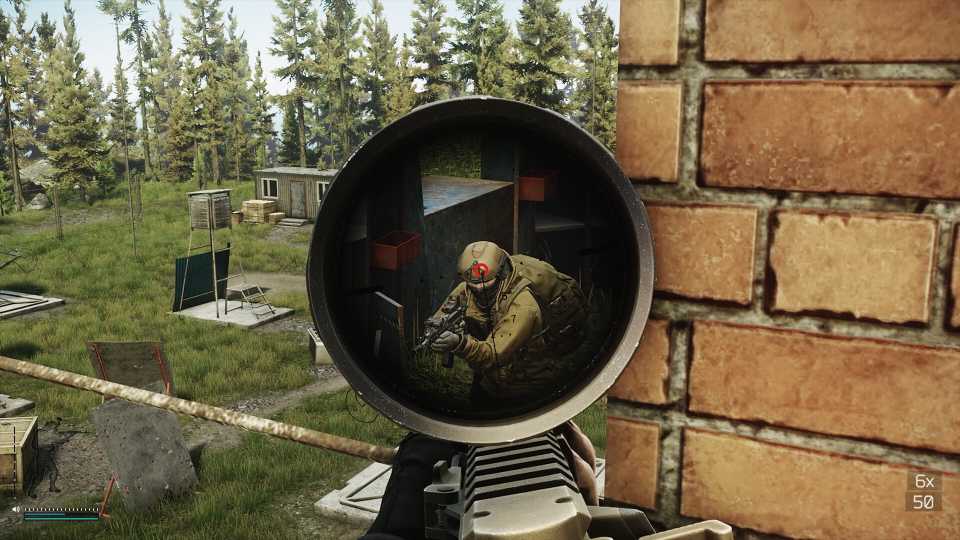
Cheating is arguably Escape from Tarkov's most critical issue due to its intersection with the game's core design. Death in Tarkov means losing everything, and when that death comes from a cheater, the sting is more than a little profound. The methods vary, but the most common exploits are all bad news; be it players report being tracked through walls, or entering supposedly fresh raids only to find that every valuable item has already been vacuumed from the map.
The Escape from Tarkov subreddit's "Cheater Megathread" from August 2022, collected over 2,000 comments documenting encounters with cheaters.
What makes these incidents particularly demoralizing is their frequency on specific maps. Labs, Tarkov's highest loot-tier map, is borderline unplayable during peak hours. Polls have even shown that 60–70% of Tarkov players report encountering suspicious behavior at least once per session. That's an unsustainable rate of loss for any game.
Battlestate's Latest Response to Cheaters

Battlestate Studio head Nikita Buyanov recently posted on X that the Tarkov 1.0 launch would include some tricks for hackers and "cheater scum." It's a welcome, if somewhat ambiguous statement, and to his credit, Buyanov has been candid about the back-and-forth between developers and cheat-makers. That honesty is valuable, but after years of ban waves that provide only temporary relief, it's difficult to imagine that this special surprise will do anything to stem the tide.
When New Content Comes at the Cost of Stability

While it's true that cheating dominates most community discussions, Escape from Tarkov's performance issues are equally relevant, if only in ways that are harder to articulate. Battlestate's approach to updates is as follows: major content drops, accompanied by promises of performance improvements, followed by months of reporting that those improvements either never materialize or quickly regress. It has become the never-ending story of Tarkov's development, suggesting a serious problem with Battlestate's update prioritization.
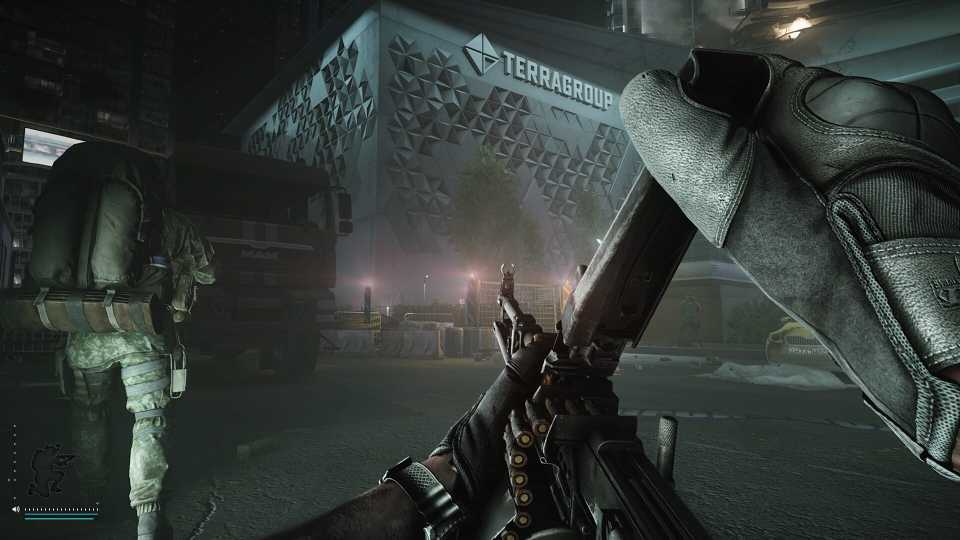
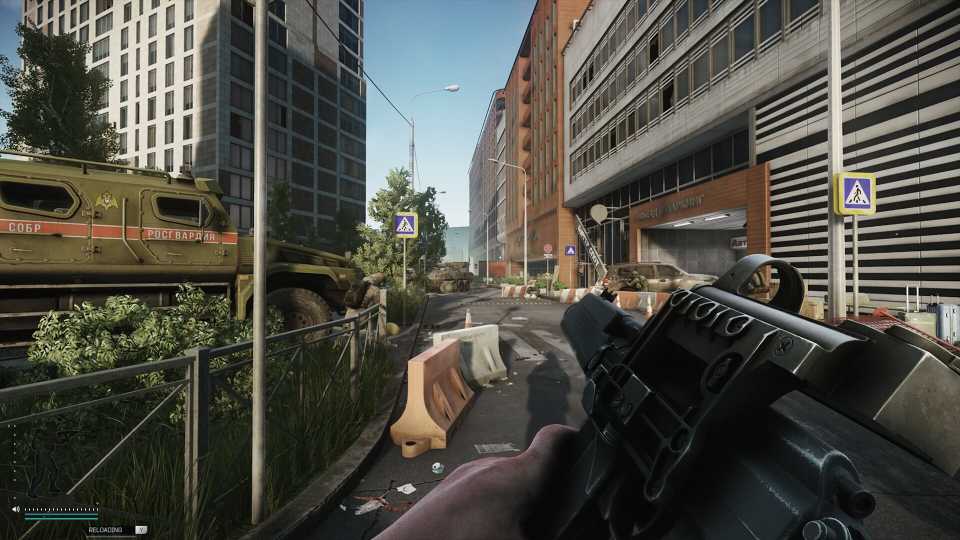
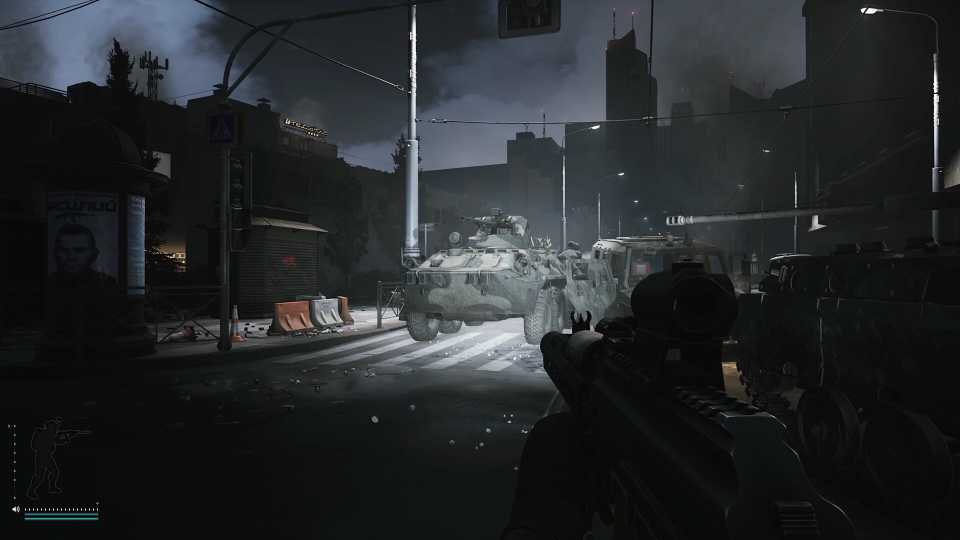
When Streets of Tarkov launched in late 2022, it tanked frame rates on even the most high-end hardware. Two years on, and despite multiple optimization patches, those issues still persist.
Nearly every update includes optimization in its patch notes, yet what players actually feel instead is a steady stream of new weapons, attachments, questlines, and mechanics. These additions keep the game feeling fresh and attract attention, but they arrive on a foundation that still can't reliably deliver smooth gameplay. If 1.0 cannot buck this trend, it won't be easy to meaningfully differentiate it from a regular Escape from Tarkov content update.
The Double-Edged Nature of Tarkov's Development

What makes these issues worse and Tarkov such an unusual case in general is that the game has always been shaped more directly by the community and by Buyanov himself. Battlestate has managed to earn a rare sense of developer authenticity through its level of involvement with the community, but it's also created some serious discrepancies in the game's lifespan when it chooses to go dark.
Changes to Escape from Tarkov's core systems can be drastic from one patch to the next, even to the degree of swapping up its entire difficulty curve. Escape from Tarkov's hardcore and softcore meta experiments, for example, represented opposite philosophies on loot and progression, leaving many (myself included) unsure which version of the game Battlestate actually wanted to build.
Battlestate's Development Philosophy Leaves Tarkov Wildly Unsettled

This unpredictability extends beyond game balance as well. Entire updates have been postponed or canceled on short notice, sometimes with little explanation. Discussions about a console version of Escape from Tarkov have come and gone, and then returned, and for a project that has been in development for nearly a decade, this volatility only stands to undermine the sense of permanence and polish a 1.0 release should represent, even before it is released.
1.0 Is a Make-or-Break Moment for Battlestate

Ultimately, Escape from Tarkov 1.0 seems like a substantial update, and for the most part, what's coming genuinely sounds promising. The release will include the game's long-promised campaign mode, complete with cutscenes and structured quests, as well as the addition of a new map called Terminal. Yet, if the launch comes and goes without meaningful improvements to performance or anti-cheat, I can't see how these additions won't end up feeling hollow. Players will always welcome new maps and missions, but until the game runs smoothly and fairly, no amount of additional content will change how fragile it feels.


- Released
- November 15, 2025
- Developer(s)
- Battlestate Games
- Publisher(s)
- Battlestate Games
- Engine
- Unity
- Multiplayer
- Online Multiplayer



WHERE TO PLAY


- Genre(s)
- Extraction Shooter, Survival
