


The Nintendo Switch 2 launched on June 5, 2025, with no follow-up to Animal Crossing: New Horizons in sight. Despite the franchise’s staggering success with over 40 million units and its dominant cultural impact during the previous console cycle, no new entry, expansion, or spin-off has been confirmed. The absence of a life simulation title, therefore, in the current Switch 2 lineup leaves a noticeable void in a genre once central to the platform’s global appeal. However, Fantasy Life i: The Girl Who Steals Time emerges as a compelling alternative.
It’s critically praised, mechanically rich, and genre-defining in multiple ways. Fantasy Life i is developed by Level-5, and offers more than village aesthetics and passive time-based routines. It fuses classic life-sim comfort with structured RPG mechanics, and creates a hybrid model built around mastery, exploration, and dynamic systems. While it might not be a one-to-one substitute for Animal Crossing veterans, it’s still a good alternative for the time being.

Fantasy Life i Shows Off Nintendo Switch 2 Upgrades
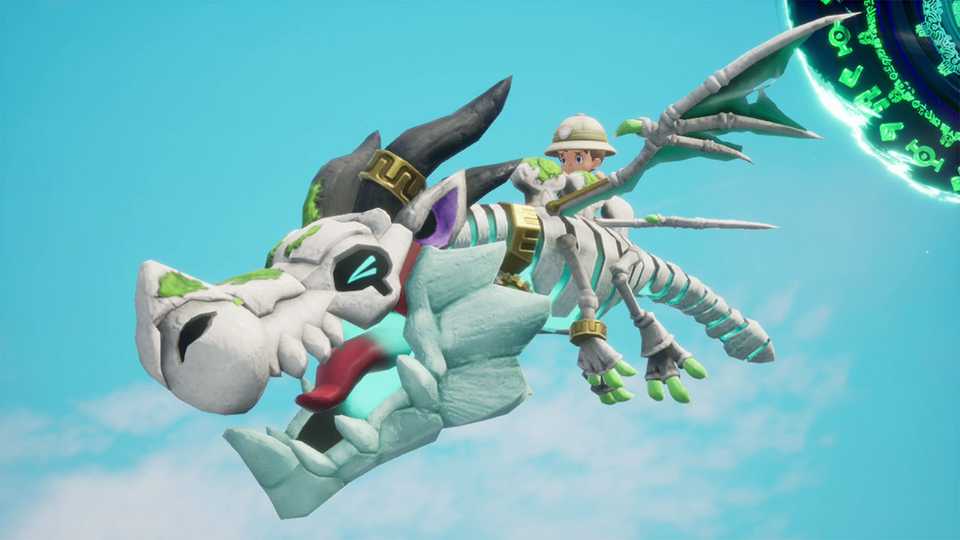
Fantasy Life i shows off the improvements that players can expect if they upgrade to the Nintendo Switch 2 version of the game.
Fantasy Life i Needs to Be Looked at as a Structural Advancement Instead of a Substitute
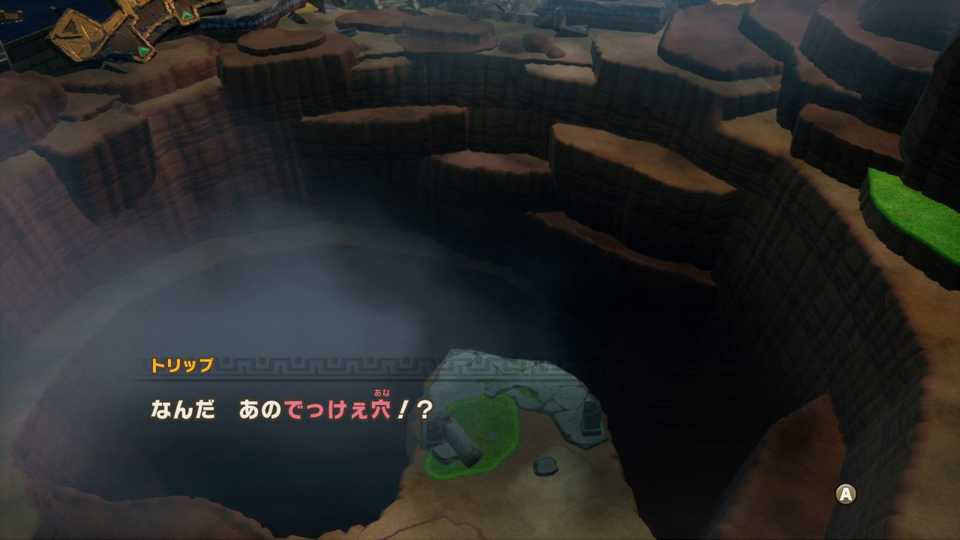
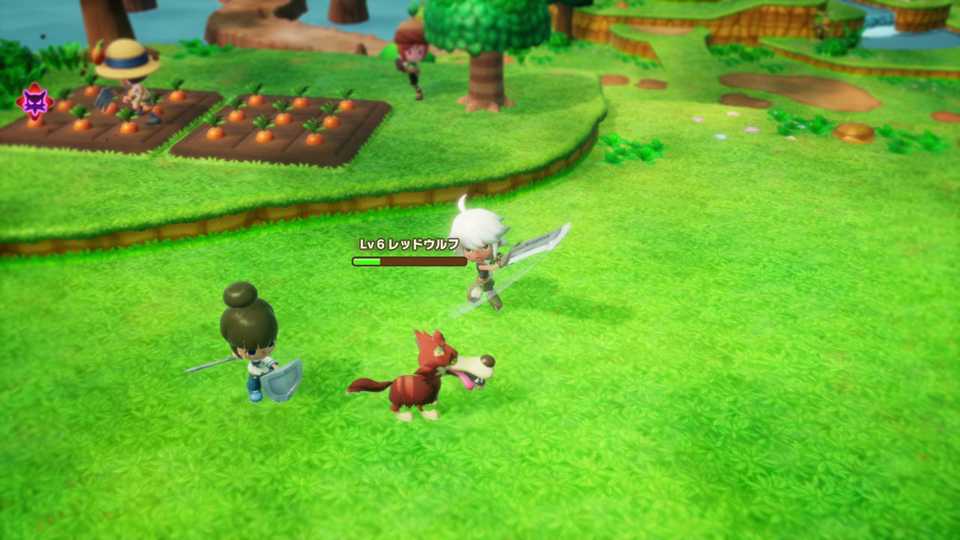
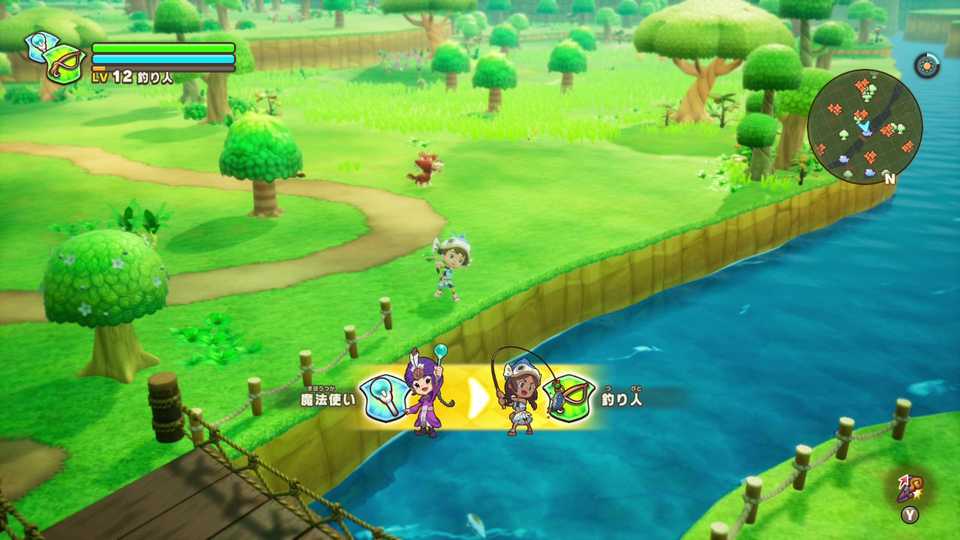
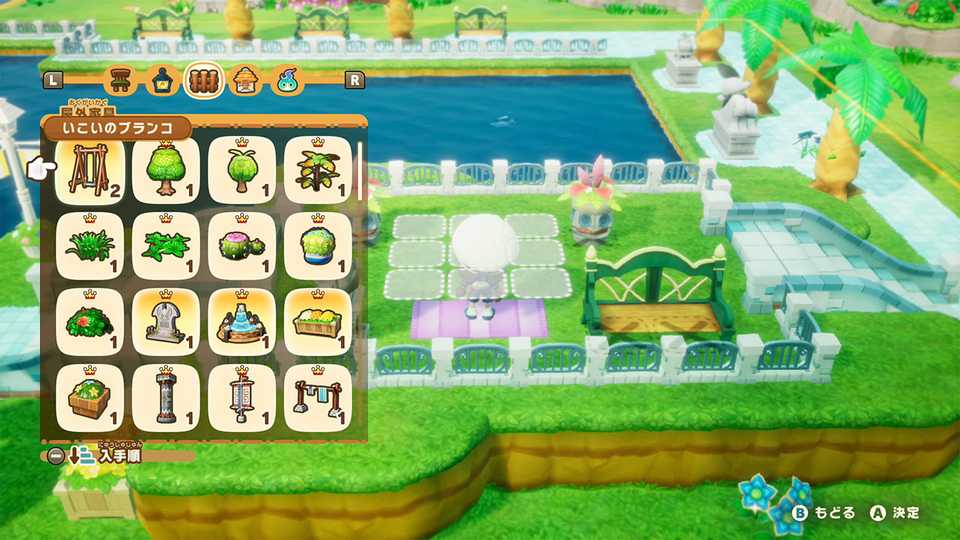
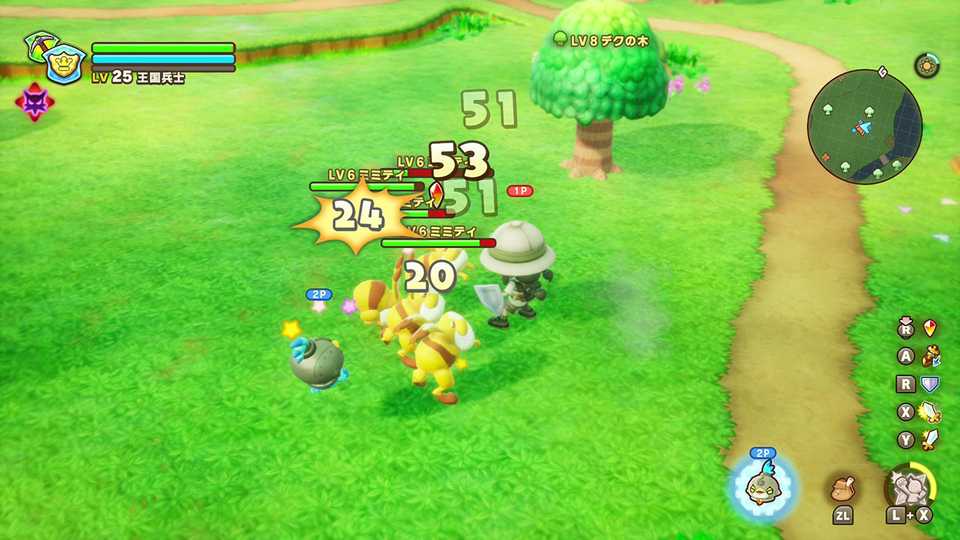
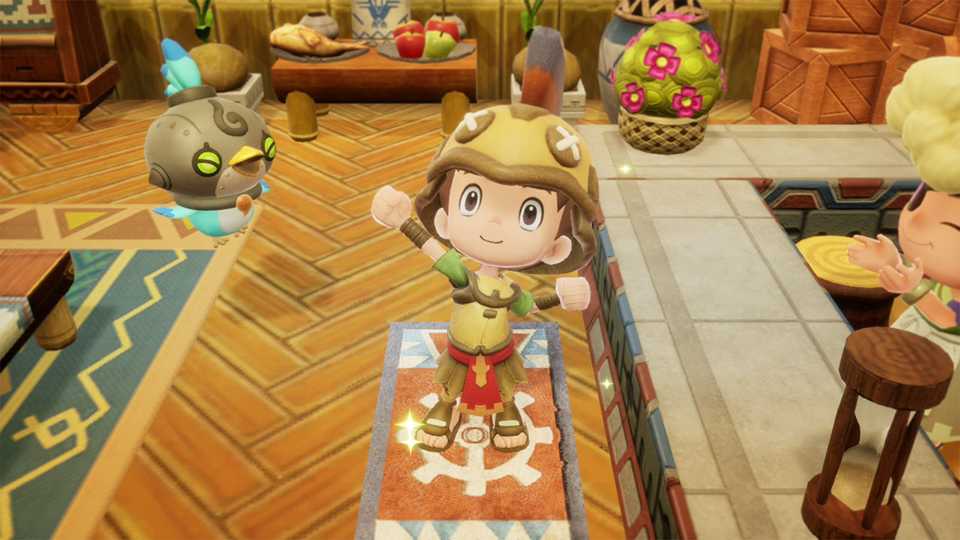
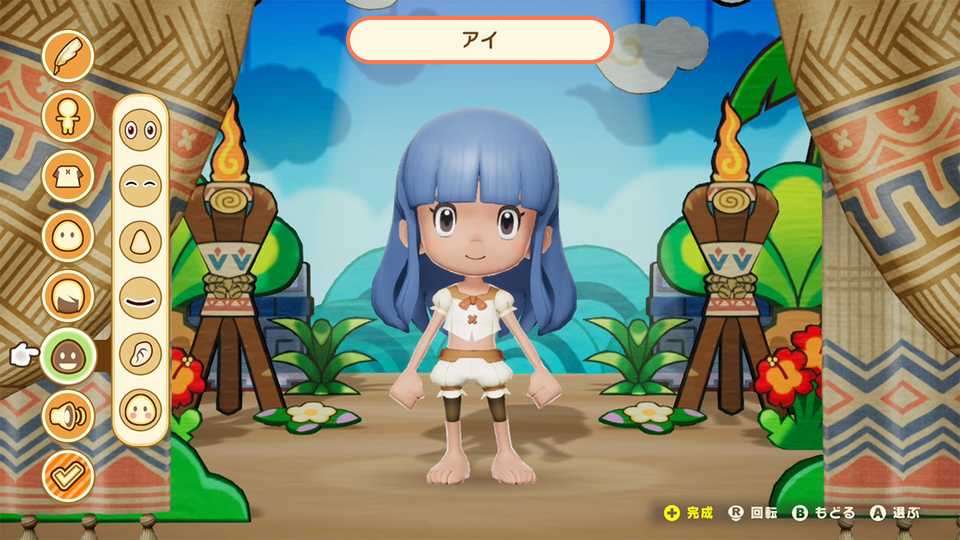
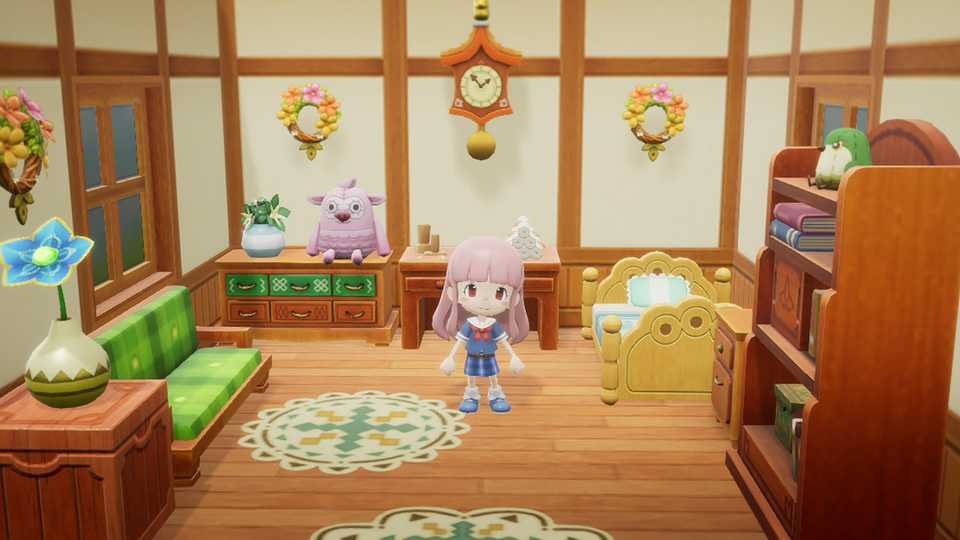
Fantasy Life i continues Level-5’s signature design principle: mechanical density, but not at the cost of accessibility. The game replaces the slow-burn of seasonal events with scalable progression through 14 unique Lives — functional class systems like Fantasy Life i's Blacksmith, Angler, Paladin, or Alchemist, with each of them contributing to a larger gameplay ecosystem. Decorative freedom remains intact, but now operates in parallel with combat, story arcs, and profession leveling. Unlike previous life sims that rely on daily repetition, this title introduces cross-functional systems that deepen player agency.
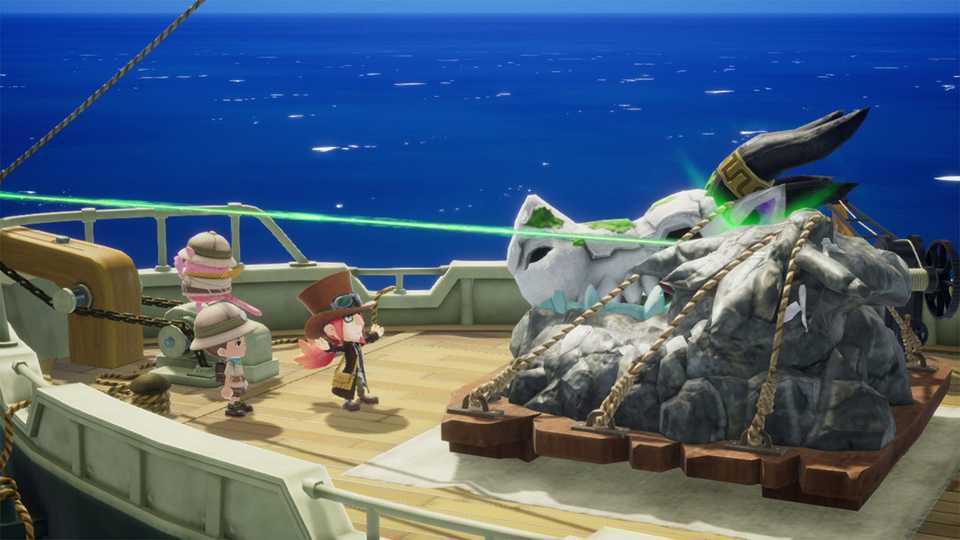
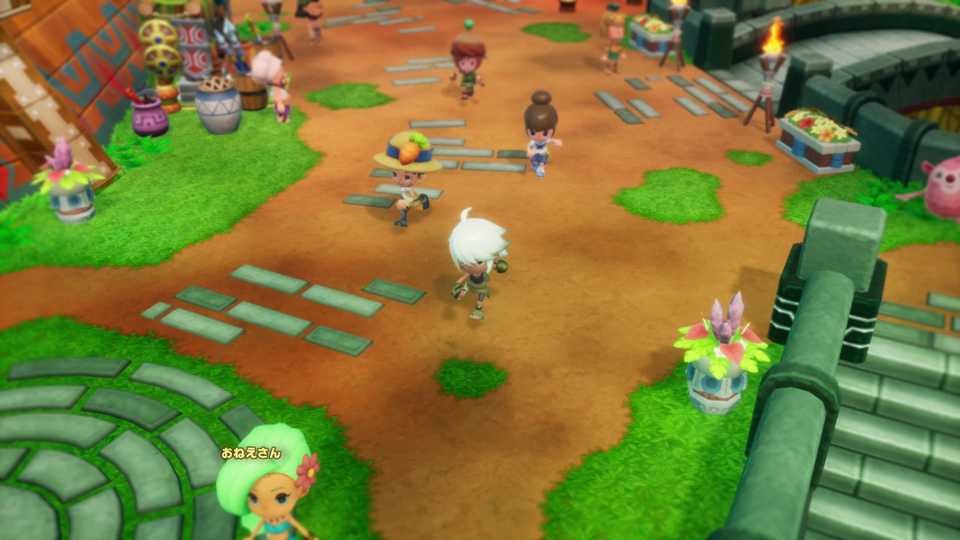
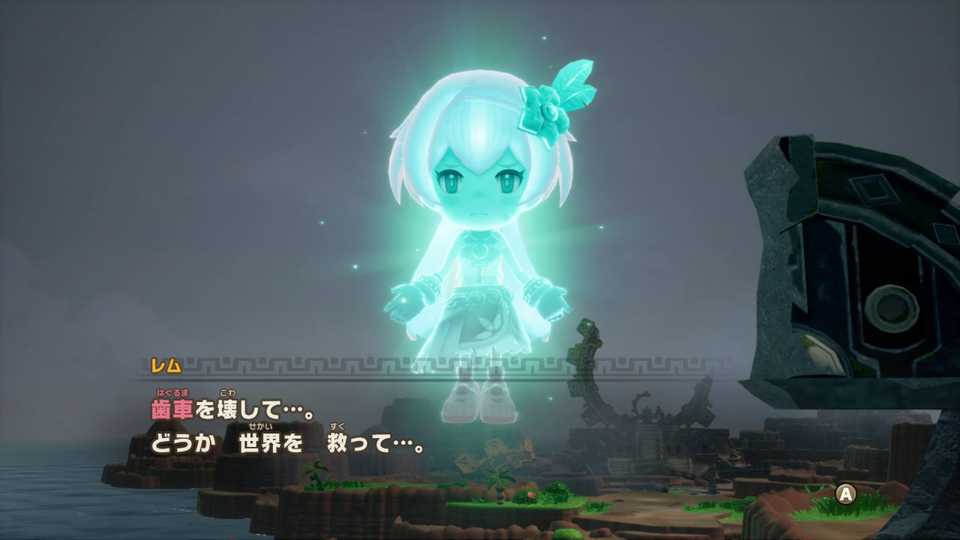
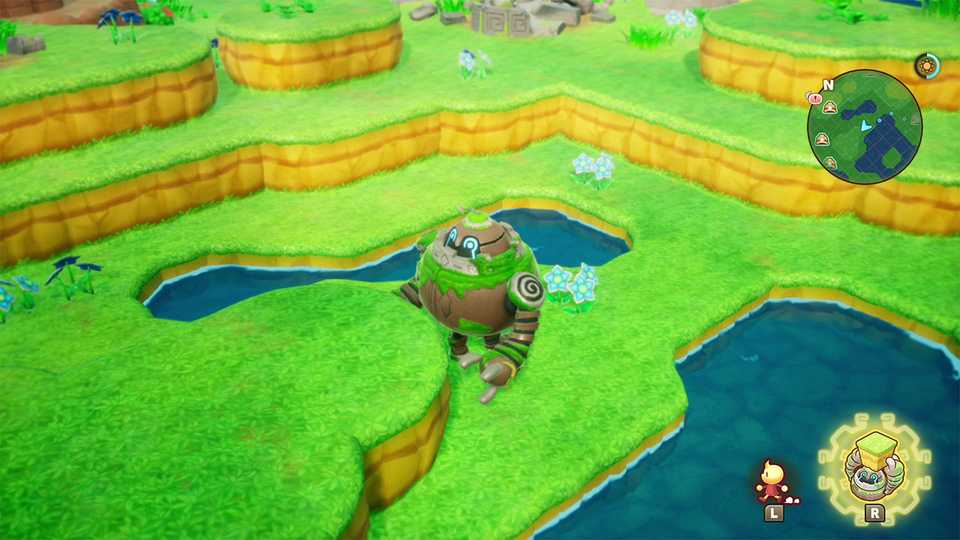
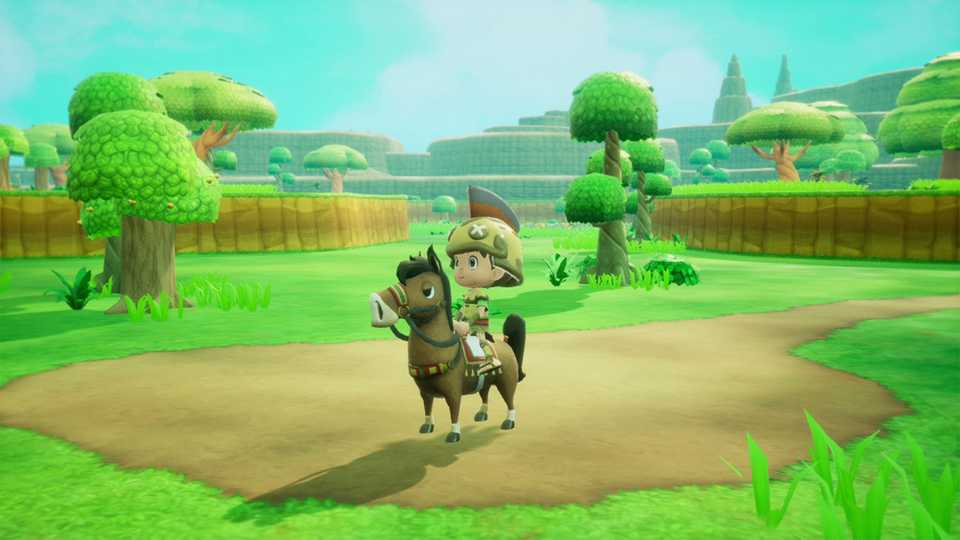
Combat, for instance, influences crafting. Crafting impacts trade. Exploration unlocks new Lives. These systems, instead of existing in isolation, reinforce one another and eliminate gameplay stagnation. Time travel, multi-zone exploration, and villain-centered RPG storylines extend far beyond cosmetic personalization or dialogue loops. Settlement-building, similarly, is tied to resource gathering, and town development depends on how Lives evolve. The game also avoids the static, open-ended lull that often defines post-launch life-sim experiences, and it does so by integrating plot into the simulation core.
The Genre Gap on Switch 2 Was Immediate and Unfilled
No life simulation title has been announced as a first-party game for Switch 2, marking a rare moment in Nintendo history where the platform lacks a genre it previously championed. While Fantasy Life i was not published by Nintendo, it fills this vacuum with systems that directly respond to long-standing limitations of its spiritual predecessors.
The game resolves pacing issues by eliminating real-time restrictions, avoids reliance on event calendars by embedding progression within the core loop, and introduces objectives beyond aesthetics — combat proficiency, trade mastery, and narrative resolution. In doing so, Fantasy Life i positions itself as more than a placeholder. It reflects a shifting expectation within the genre, and it’s that comfort must now coexist with complexity. The absence of another new Animal Crossing sequel, by extension, has elevated the relevance of any title that can offer both.
Cozy Can Now Mean Mechanically Complete
The distinction between cozy and casual, therefore, has now narrowed. Unlike Animal Crossing: New Horizons, which favored real-time pacing and aesthetic collection, Fantasy Life i integrates RPG progression, active combat, and resource systems without sacrificing atmosphere. It retains emotional warmth while offering structured gameplay depth that New Horizons deliberately avoided.
Where New Horizons relied on daily check-ins, passive upgrades, and long waits for construction or island changes, Fantasy Life i allows continuous progression, unlockable classes, and combat zones without time gates.
In the absence of a current-gen Animal Crossing, the most mechanically complete life simulation game on Switch 2 belongs not to Nintendo, but to a franchise once considered peripheral. Fantasy Life i lacks real-world syncing, NPC charm variety, and deep customization polish, but compensates all that with class depth, story-driven loops, and progression systems Animal Crossing never integrated beyond surface-level routines.





-
 OpenCritic Reviews
- Top Critic Avg: 85 /100 Critics Rec: 96%



WHERE TO PLAY


- Multiplayer
- Online Co-Op, Local Co-Op
- Number of Players
- 1-4
- PC Release Date
- May 21, 2025
- Xbox Series X|S Release Date
- May 21, 2025
- PS5 Release Date
- May 21, 2025
- Nintendo Switch Release Date
- May 21, 2025
- Nintendo Switch 2 Release Date
- June 5, 2025
- Platform(s)
- Nintendo Switch, PC, PlayStation 4, PlayStation 5, Xbox Series X, Xbox Series S, Nintendo Switch 2
- OpenCritic Rating
- Mighty
- Local Co-Op Support
- Yes
