


Final Fantasy is still as iconic as ever, but one could easily argue that it's fallen from its position as the leader of its genre. Certainly, something like the well-received Final Fantasy 7 Rebirth has the potential to make waves and even influence future RPGs, but in terms of innovation and inventiveness within the JRPG space, developers like Atlus are quickly usurping Square Enix as luminaries.
It looks like Sandfall Interactive can share space with JRPGs powerhouses like Atlus and Square Enix as well, even if it's not actually a Japanese company. Clair Obscur: Expedition 33 has proven to be one of 2025's biggest breakout hits, catapulting the fresh-faced Sandfall into greater relevance, prestige, and popularity than most would have imagined upon the game's reveal. Indeed, Clair Obscur is a remarkably special and well-crafted game, with stunning visuals, an incredible soundtrack, a compelling narrative, and, of course, hard-hitting, addictive combat. Its gameplay loop does a lot to discredit critiques of turn-based systems as outdated or boring, and its strides within this genre staple should serve as direct inspiration for a future Final Fantasy game.

I Love Clair Obscur, But It Almost Lost Me in Act 3
Clair Obscur: Expedition 33 is a brilliant game, but a certain development in Act 3 doesn't quite land like the rest of the experience.
Why Clair Obscur's Turn-Based Combat Should Influence Final Fantasy
Clair Obscur: Expedition 33's Combat Is the Perfect Blend of Strategy and Real-Time Action
RPGs have melded real-time and turn-based elements in the past, but it's hard to find a title that executes the blend as effectively as Clair Obscur does. This is mostly a result of finely tuned mechanics on both sides of the equation: turn-based mechanics are unique to each character, making party composition, ability acquisition, and general build-crafting far deeper than a simple stats game, and moments of real-time action leverage tension just like the best hack-and-slash titles. Put plainly, Clair Obscur's combat would have been fantastic even without the real-time elements, but such elements greatly elevate the game's skill ceiling and moment-to-moment engagement.
Toying around with a character like Sciel, whose abilities revolve around stacking and consuming Foretell charges that can augment certain offensive and support powers, is rewarding because of how it ties into the broader combat sandbox. For example, one can opt to have Sciel be a primary damage-dealer built around long-term planning, while someone like Maelle can buff her and debuff enemies, making for more effective damage output. Setting up this sort of party synergy is often the best part of any turn-based game, but Clair Obscur's unique character traits facilitate greater experimentation and flexibility within this concept.
While some of the game's real-time systems boil down to quicktime events that increase the effect of certain abilities, dodging, parrying, and jumping are where the most fun and depth is found. By closely observing enemy behavior, players can minimize damage taken, theoretically avoiding damage altogether in most fights, removing much of the randomness inherent to turn-based systems. Real-time combat mechanics are far more than just a gimmick in Clair Obscur: they are an entirely new gameplay vector to master, greatly deepening the overall experience and rewarding player skill.
Taking Notes from Clair Obscur's Combat Is a No-Brainer for Final Fantasy
Clair Obscur's combat is great, but that's not the only reason why Final Fantasy should learn from it. In truth, the character-driven nature of Clair Obscur's story and world lends itself well to its highly specialized design, wherein everyone has a distinct role to play. Similarly, real-time features serve to elevate the life-or-death stakes and existential tension of the narrative, imbuing the gameplay experience with a sense of real danger.
It should go without saying how Clair Obscur's design staples would be well-suited to the character-driven, grand fantasy framework of the Final Fantasy series. Square Enix has repeatedly demonstrated its penchant for developing characters via gameplay— that's part of the reason why Final Fantasy was among the first JRPG franchises to overcome the language barrier and gain an international foothold. By leveraging similar gameplay tricks as Clair Obscur, Final Fantasy could further polish its core strengths: characterization and bombastic, poetic drama.


Final Fantasy 7 Rebirth


-
 OpenCritic Reviews
- Top Critic Avg: 92 /100 Critics Rec: 97%
- Released
- February 29, 2024
- ESRB
- T For Teen Due To Blood, Language, Mild Suggestive Themes, Use of Alcohol and Tobacco, Violence
- Developer(s)
- Square Enix
- Publisher(s)
- Square Enix



WHERE TO PLAY




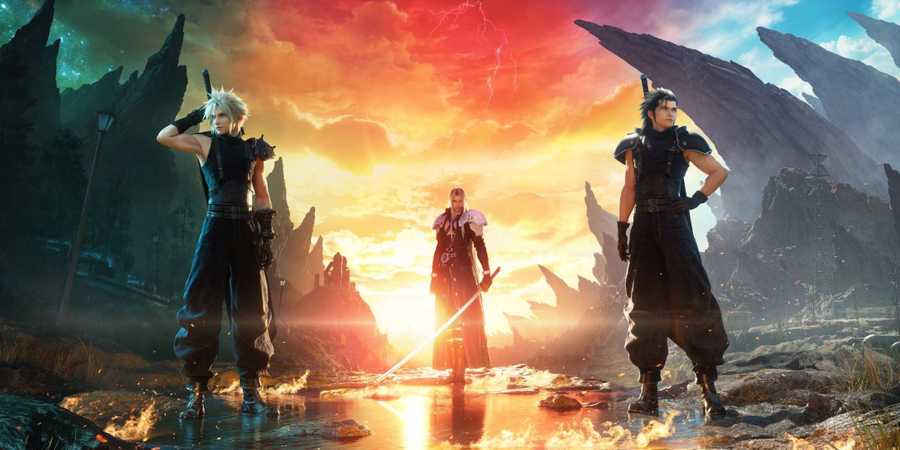
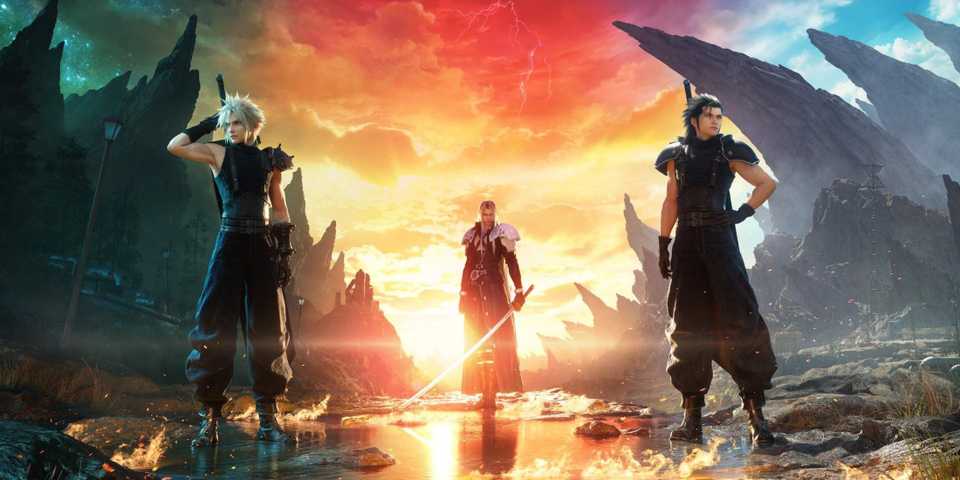
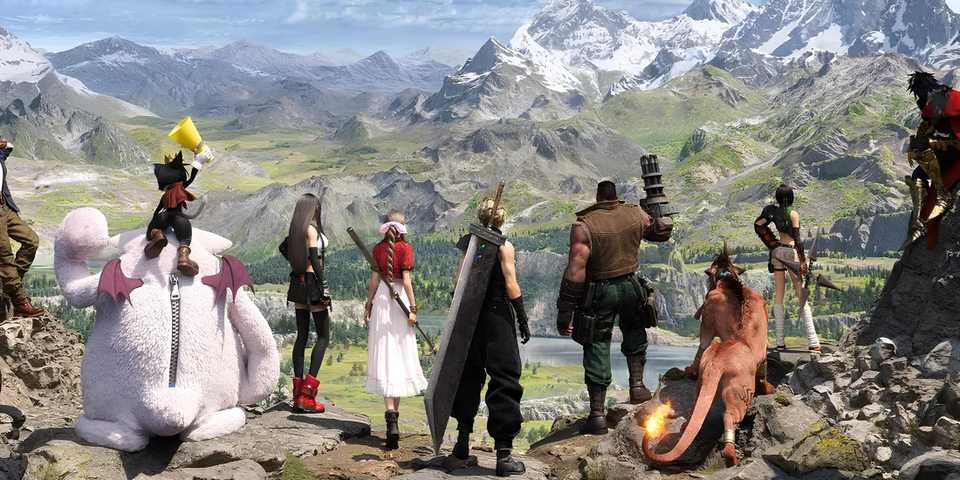
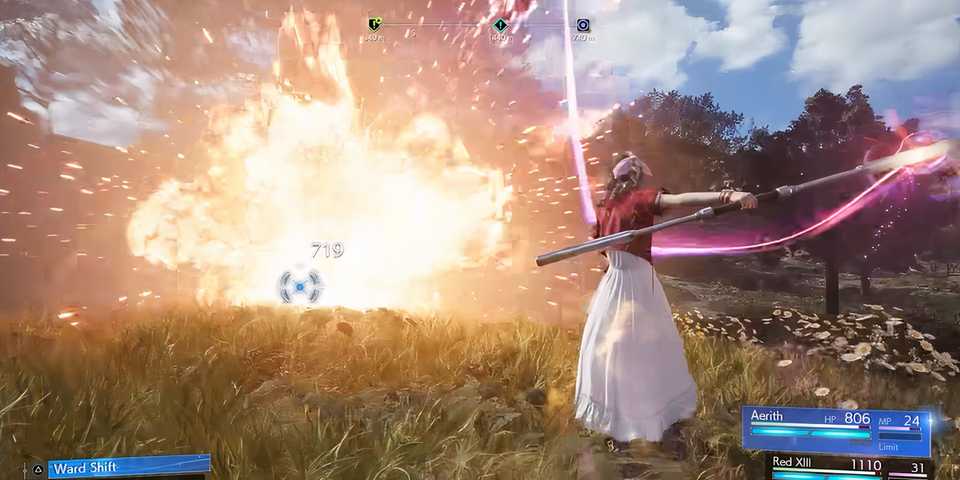
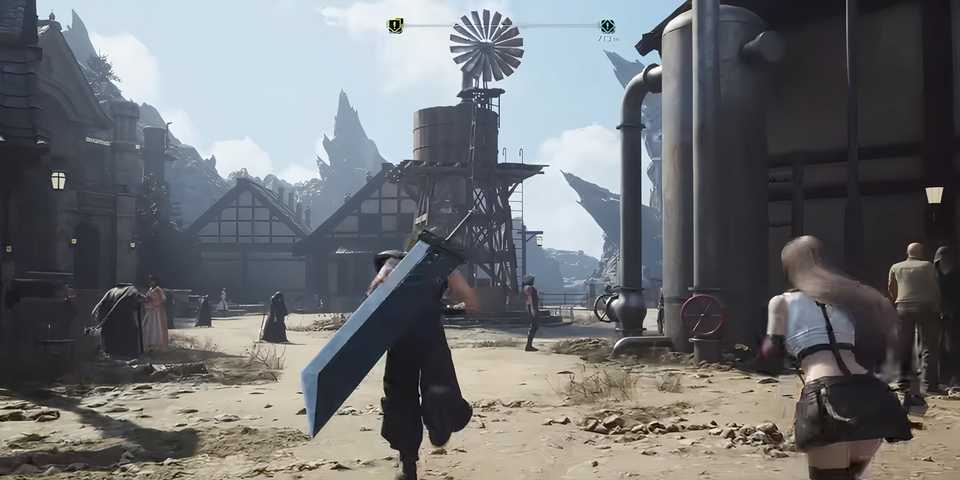
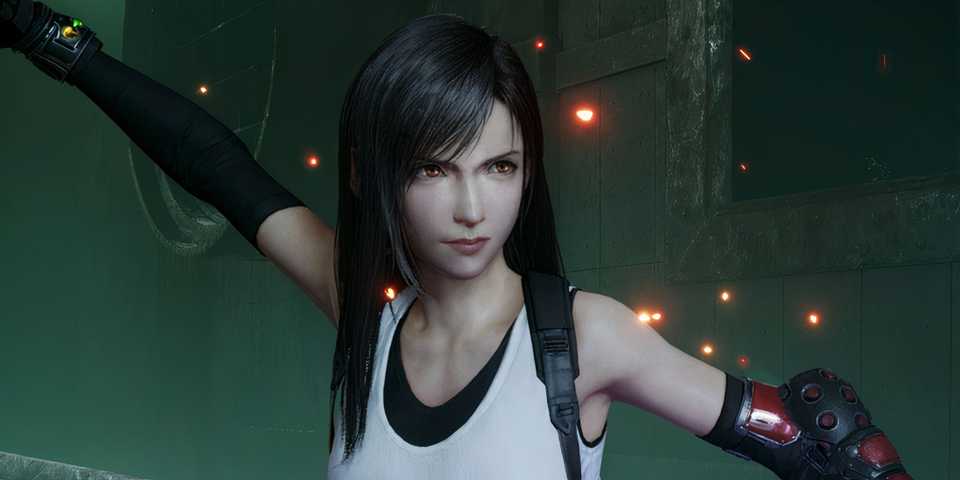
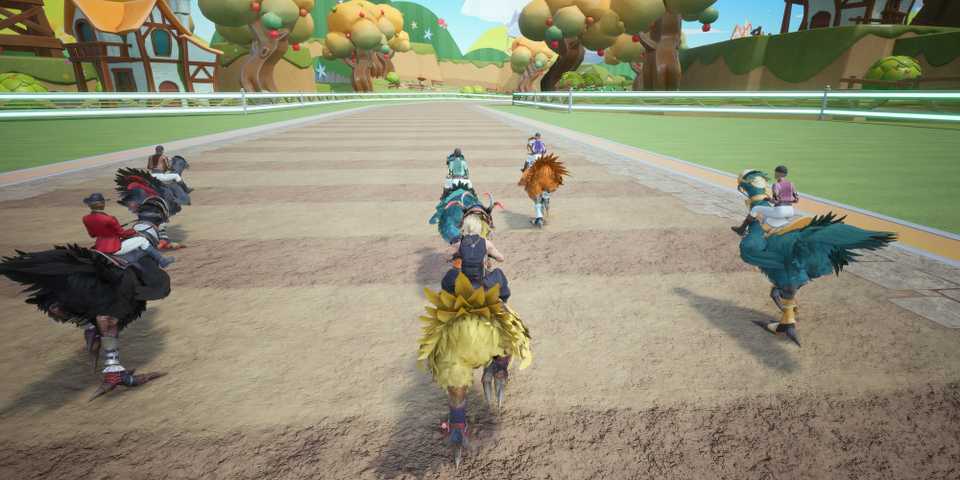
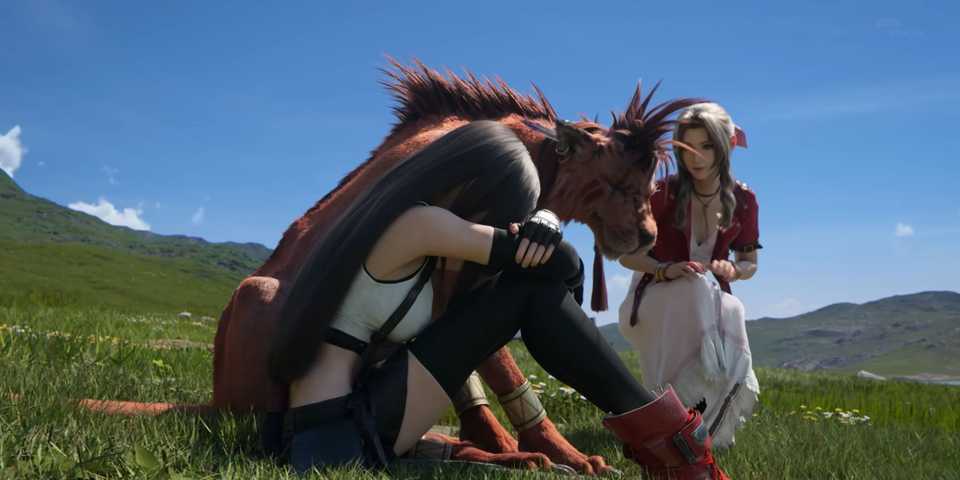
Discover a vibrant and vast world in this standalone entry in the Final Fantasy VII remake project. Final Fantasy VII Rebirth is the second entry in the Final Fantasy VII remake project, which retells the story of the genre-redefining RPG across three distinct games. Iconic heroes Cloud, Barret, Tifa, Aerith and Red XIII have escaped from the dystopian city Midgar and are now in pursuit of Sephiroth, the vengeful swordsman from Cloud’s past who was thought to be dead. This new adventure can be enjoyed by all players, even those who have yet to play Final Fantasy VII Remake or the PlayStation original. Expect a new standard of cinematic storytelling, fast-paced combat and rich exploration across a vast world.
- Engine
- Unreal Engine 4
- Franchise
- Final Fantasy
- PC Release Date
- January 23, 2025
- PS5 Release Date
- February 29, 2024
- Genre(s)
- RPG
- Platform(s)
- PlayStation 5, PC
- OpenCritic Rating
- Mighty
- How Long To Beat
- 40 Hours
- PS Plus Availability
- N/A
