


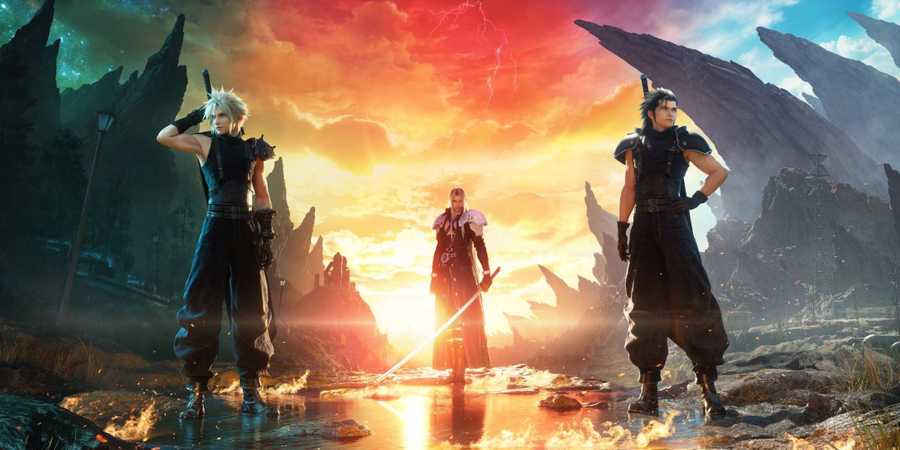
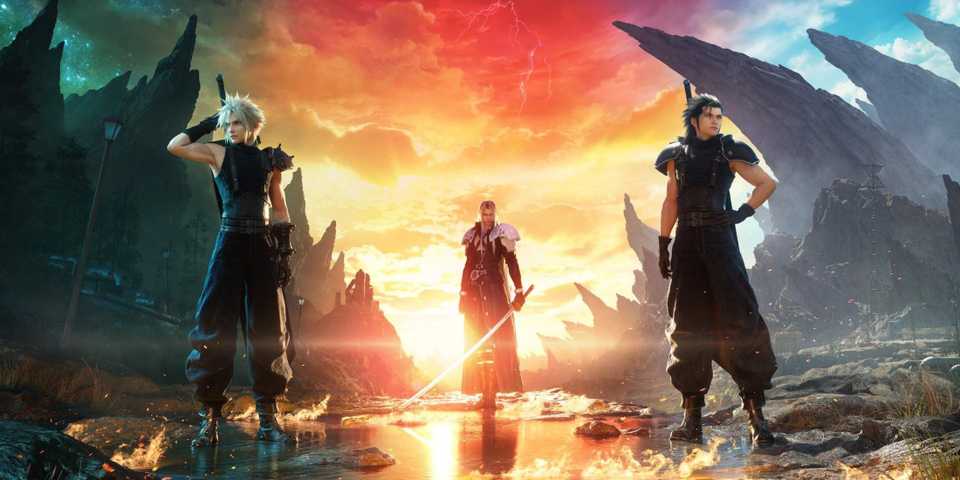
PlayStation has built its reputation on the backs of must-play exclusives, but now one of the console's best and brightest is jumping ship to other platforms. Indeed, Final Fantasy 7 Remake and Final Fantasy 7 Rebirth are headed to Nintendo Switch 2 and Xbox Series consoles in January 2026, which could be read as Sony losing its vice-grip on its hottest IP. However, the reality of Final Fantasy 7's evolution is more complicated than that.
Despite being one of the best-reviewed games of 2024, Final Fantasy 7 Rebirth failed to meet sales expectations, according to a Square Enix financial results briefing in September 2024. It's not exactly clear what expectations the company had ahead of the game's release, but many have speculated that they were quite high. During the same financial briefing, Square stated that Final Fantasy 16, a timed PlayStation exclusive, underperformed as well. Both of these statements followed a May 2024 announcement that Square Enix would be "aggressively pursuing" a multiplatform release strategy, indicating an unambiguous desire to make some distance between it and Sony for the foreseeable future. This is all well and good for the company's profit margins and overall revenue, but what does it mean for the people actually playing these games?
Forspoken, another Square Enix PlayStation exclusive released in 2023, also reportedly underperformed.
Final Fantasy 7 Remake & Rebirth Deserve To Be Bigger
- Final Fantasy 7 Remake & Final Fantasy 7 Rebirth Switch 2 & Xbox release date: January 22, 2026
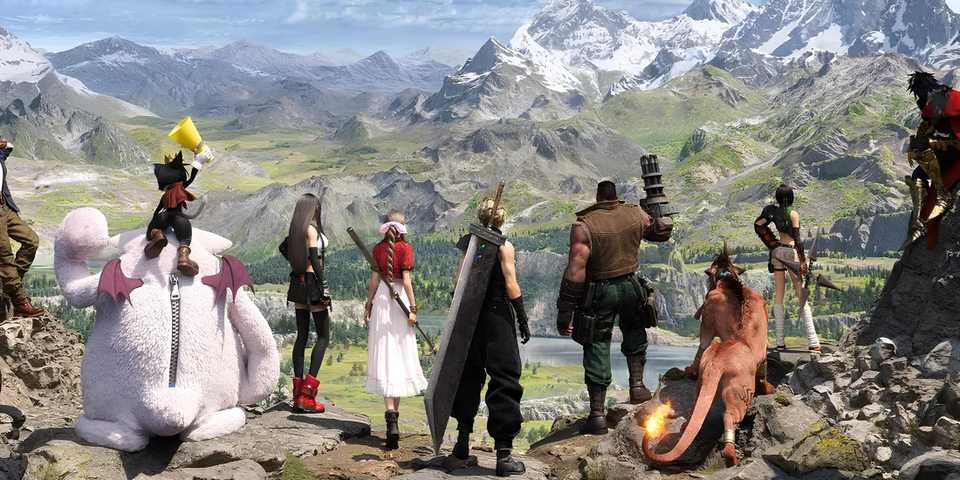
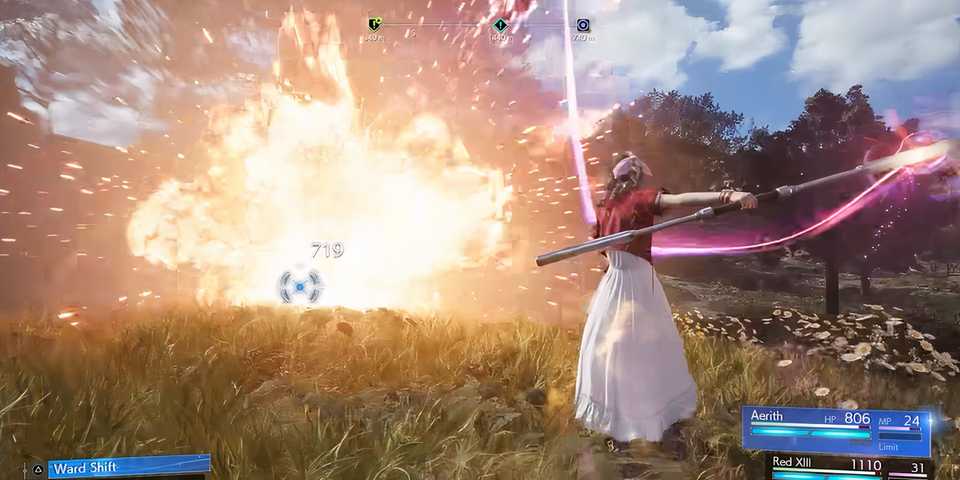
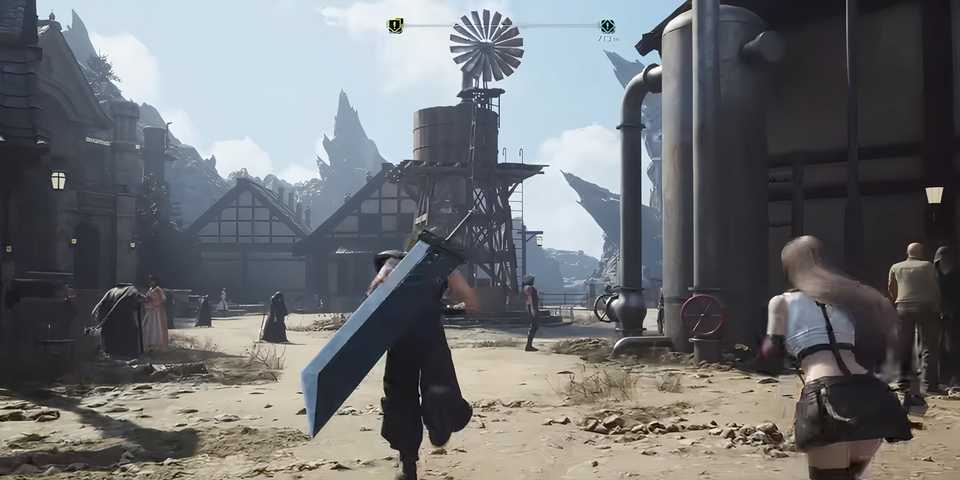
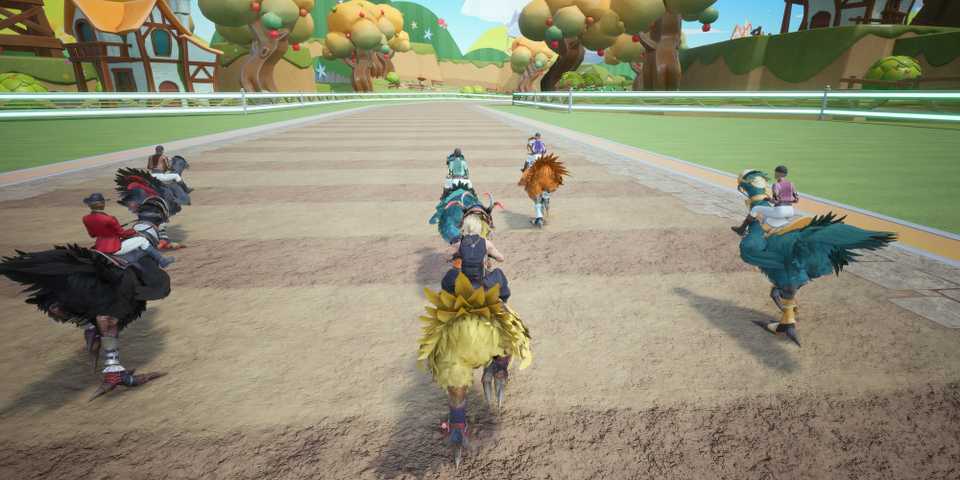
Maybe Square Enix did have extremely high expectations for Final Fantasy 7 Rebirth's sales, but that wouldn't be entirely unreasonable given the scope of the game. You can feel the money poured into it while playing: FF7 Rebirth has cutting-edge graphics, a ridiculously vast open-world, significant gameplay variety via mini-games and the like, and some of the best setpieces the JRPG genre has ever seen.
For better or worse, publishers (especially goliaths like Square Enix) expect significant returns on investments as weighty as FF7 Rebirth and FF7 Remake. More than this, bringing Final Fantasy 7 Rebirth and Remake to other platforms further increases the IP's reach and visibility, helping it accumulate a broader player base. This isn't just good for Square Enix; it's good for consumers too.
Better FF7 Remake & Rebirth Sales Will Likely Mean More Final Fantasy Remakes
While it's somewhat contentious—old-school fans have criticized it for adulterating or dumbing down the original game, for instance—the Final Fantasy 7 remake saga is undeniably popular overall. The games might be a bit overdeveloped at points, but they are entertaining, impressive, and mechanically sound reimaginings of the FF7 story, tailored to modern audiences. And for those that don't like the remakes, the original Final Fantasy 7 is still there, untouched and in all its late-90s glory.
The point is this: Final Fantasy's remakes have value, not only as nostalgia-baiting throwbacks, but as contemporary action-RPGs, standing tall against its modern competitors. One could easily imagine the potential of a Final Fantasy 8 remake, at the very least; even relatively newer Final Fantasy games, like Final Fantasy X or Final Fantasy 12, could be recreated with modern visuals, combat, side content, and quality-of-life features.
But as promising as these hypothetical remakes might be from an artistic and entertainment perspective, they won't come to fruition unless Square Enix finds such ventures sufficiently profitable. With that in mind, bringing Final Fantasy 7 Remake and Rebirth to Nintendo Switch 2 and Xbox Series platforms may be a necessary prerequisite for development and funding. Put another way, if audiences want more Final Fantasy remakes, they should also want the current remakes to generate more revenue. For this to happen, a multi-platform release strategy is wise.
Are There Any Downsides to Bringing FF7 Remake & Rebirth to Switch 2, Xbox Series X|S?
Console exclusivity is often an odd thing: "losing" exclusives can be viewed as detrimental by some players, who may feel that such a loss undermines their investment in a given console. This is a fair, if not necessarily complete, stance, and there are other arguments one could make in opposition to Final Fantasy 7's remakes going cross-platform as well. For instance:
- Development support: Sony has been known to offer support for Square Enix studios developing PlayStation exclusives. This could decline or cease altogether if the companies grow further apart.
- Competition: There's also concern that, without big console exclusives, there is less reason for multiple platforms to exist, which could lead to certain companies moving away from consoles down the road and there being less competition in the gaming space — leading to less motivation to make great games.
- Performance: While more powerful than its predecessors, the Switch 2 still falls behind the PS5 and Xbox Series X|S on the hardware front. This could result in compromised scope, scale, or visuals in future Final Fantasy projects.
These are cons worth considering, but they hardly outweigh the benefits of bringing the Final Fantasy 7 remake saga to other consoles. Aside from the fact that more sales and visibility make future Final Fantasy remakes more likely, cross-platform releases are consumer-friendly, ensuring that all gamers can enjoy these modernized titles, regardless of where they choose to play.


Final Fantasy 7 Rebirth


-
 OpenCritic Reviews
- Top Critic Avg: 92 /100 Critics Rec: 97%
- Released
- February 29, 2024
- ESRB
- T For Teen Due To Blood, Language, Mild Suggestive Themes, Use of Alcohol and Tobacco, Violence
- Developer(s)
- Square Enix
- Publisher(s)
- Square Enix





WHERE TO PLAY




Discover a vibrant and vast world in this standalone entry in the Final Fantasy VII remake project. Final Fantasy VII Rebirth is the second entry in the Final Fantasy VII remake project, which retells the story of the genre-redefining RPG across three distinct games. Iconic heroes Cloud, Barret, Tifa, Aerith and Red XIII have escaped from the dystopian city Midgar and are now in pursuit of Sephiroth, the vengeful swordsman from Cloud’s past who was thought to be dead. This new adventure can be enjoyed by all players, even those who have yet to play Final Fantasy VII Remake or the PlayStation original. Expect a new standard of cinematic storytelling, fast-paced combat and rich exploration across a vast world.
- Franchise
- Final Fantasy
- PC Release Date
- January 23, 2025
- PS5 Release Date
- February 29, 2024
- Genre(s)
- RPG
- Platform(s)
- PlayStation 5, PC
- OpenCritic Rating
- Mighty
- How Long To Beat
- 40 Hours
- PS Plus Availability
- N/A
