


Summary
- Final Fantasy may be the go-to RPG franchise, but there were other games that tried to ignite gamers' love for the genre before it.
- Games like Dungeons of Daggorath, Xanadu, and Rogue pioneered elements like real-time gameplay, leveling systems, and procedurally generated dungeons in RPGs.
- Before Final Fantasy, some RPGs introduced first-person dungeon exploration, open-world mechanics, and party customization which would later become staples of the genre.
Fans think of Final Fantasy whenever the word “RPG” comes up, especially since the franchise may as well have “grown up” with the genre. Continuously defying its series title is a roster of Final Fantasy games that challenge the limitations of its respective platforms, with hallmarks such as FF7, FF10, and FF14 being considered some of the best entries in the franchise.

15 Turn-Based JRPGs With The Best Stories
Turn-based JRPGs are often known for their stories, and these fantastic games really shine in the storytelling department.
However, despite the first Final Fantasy game being released in 1987, other RPGs still existed that attempted to ignite the love of gamers towards the genre. Before there were the Warriors of Light, there were other heroes and legends, all boasting unique mechanics that tried to demonstrate feats of magic and swordsmanship in what limited hardware gaming had at the time.
10 Dungeons Of Daggorath
Among The First Real-Time & First-Person RPGs

|
Release Date |
1982 |
|---|---|
|
Platforms |
TRS-80 Color Computer, Dragon 32/64 |
|
Genre |
Fantasy |
Despite the rudimentary 3D graphics of Dungeons of Daggorath, its adoption of monochromatic 3D maze mechanics transformed it into one of the originators of first-person, real-time RPGs in the current market. In the game, players are tasked to defeat a wizard who has recently amassed great power. To do so, players need to traverse a wireframe 3D maze while they equip themselves with items and slash their way to victory. Unlike other RPGs where there are specific keys to attack, Dungeons of Daggorath uses a text-based interface for commands.
When combined with the game's heartbeat health gauge, the typing mechanics made Daggorath quite an intense experience. The specificity of commands also added an extra layer of depth to the game, as players had to "Pull Right (Weapon)" to unsheathe their right weapon and then "Attack Right" to attack with it. Since things are happening in real-time, players need to memorize their abbreviations, such as "P R (W)" and "A R."
9 Xanadu: Dragon Slayer 2
A Dungeon-Crawling Introduction To The Action RPG, Metroidvania

|
Release Date |
October 27, 1985 |
|---|---|
|
Platforms |
PC-8801, X1, PC-8001, PC-9801, FM-7, FM-77, MSX, MSX2, Microsoft Windows |
|
Genre |
Fantasy |
While its predecessor, Dragon Slayer, took the top-down dungeon-crawling format of The Tower of Druaga and Panorama and added a rudimentary progression system for a roleplaying twist, Xanadu: Dragon Slayer 2 introduces a full-fledged leveling system within its real-time hack-and-slash combat, making the game one of the first "true" action RPGs to hail the market. The game switching between side-scrolling exploration and top-down combat also became a foundational mechanic for the Metroidvania genre.
While much of the leveling happens during combat, Xanadu has complex mechanics that force players to think about gameplay. Gear such as weapons and armor level up over time, with non-spawning enemies encouraging more tactical progression on the part of players to not waste time leveling weak armaments. A Karma system is also introduced in the game, where killing "good" enemies can discourage the temple, allowing players to level up until they complete certain requirements.
8 Rogue
Introduced Roguelike Dungeon-Crawling

|
Release Date |
1980 |
|---|---|
|
Platforms |
Amiga, Amstrad CPC, Atari 8-bit, Atari ST, Commodore 64, CP/M, DOS, Macintosh, TOPS-20, TRS-80 CoCo, Unix, ZX Spectrum |
|
Genre |
Fantasy |
While Rogue isn't necessarily the first game to implement procedurally generated dungeon crawling, its combined elements specifically made the game a predecessor to roguelike RPGs. Set in a dungeon, players take on the role of adventurers as they seek the Amulet of Yendor in its lowest level. Unlike other games, Rogue procedurally creates its dungeons for each playthrough, with player characters suffering permadeath if they fail to contend with the game's many beasts.
Unlike other dungeon-crawlers at the time, Rogue is the first to implement the key characteristics of roguelikes today: overhead exploration, randomly generated regions, permadeath, and fantasy-themed items to improve the player's progress. While Rogue's initial ideas didn't have as much depth as a traditional RPG, its new elements made the roguelike an interesting form of execution.
7 Akalabeth: World Of Doom
One Of The Earliest RPGs Ever Released

|
Release Date |
1979 |
|---|---|
|
Platforms |
Apple 2, DOS |
|
Genre |
Fantasy |
While technically considered to be the "first" game in Richard Garriott's iconic Ultima series, what makes Akalabeth a standout in gaming is the title being one of the earliest examples of a "true" RPG. Inspired by his sessions of Dungeons & Dragons and Tolkien's Middle-earth, then-hobbyist Garriot attempted to bring TTRPG mechanics to computers. As a result, Akalabeth plays in two perspectives: a top-down view where player characters can explore an overworld and a rudimentary first-person dungeon view where players fight monsters.

10 Best Dungeons & Dragons Games Set In The Forgotten Realms
These are some of the best Dungeons & Dragons games set in the forgotten realms.
Key to the legacy of Akalabeth are gameplay components that eventually carried over to the Ultima series such as first-person dungeoneering, food-based survival, and Elizabethan English. However, game components such as top-down overworld exploration, food-based survival, and hotkeyed commands would eventually form some of the central mechanics of modern-day CRPGs as well.
6 Ultima 1: The First Age Of Darkness
One Of The First Open World Games & The First CRPG

|
Release Date |
June 1981 |
|---|---|
|
Platforms |
Apple 2, Apple 2GS, Atari 8-bit, Commodore 64, DOS, FM Towns, MSX2, NEC PC-8801, NEC PC-9801, Sharp X1 |
|
Genre |
Fantasy |
Serving as the continuation of Akalabeth, players of Ultima 1: The First Age of Darkness become heroes who answer the call of Lord British (Garriot's self-insert and nickname) in their fight against the wizard Mondain and bring peace back to Sosaria. Unlike other RPGs at the time, Ultima paved the foundations of the open-world genre, providing an expansive overworld where players visit different towns and castles, each populated by NPCs, merchants, and nearby dungeons.
The game also popularized more sophisticated character progression, similar to Dungeons & Dragons. Character creation in Ultima consists of distributing stats and further improving them based on choices of race and class. Much like AD&D 1e, which was popular at the time, Ultima also requires players to eat and purchase a regular supply of food or die outside of combat.
5 Wizardry: Proving Grounds Of The Mad Overlord
Introduced The Dungeon Crawl & Was The First Party-Based RPG

|
Release Date |
September 1981 |
|---|---|
|
Platforms |
Apple 2, C64, C128, FM-7, Game Boy Color, Macintosh, MSX2, NEC PC-9801, NES, IBM PC, Sharp X1, Super Famicom, TurboGrafx-16 |
|
Genre |
Fantasy |
The adventuring party has become one of the most pivotal aspects of a roleplaying game, with Wizardry: Proving Grounds of the Mad Overlord introducing the potential of party customization and progression as a key part of an RPG's gameplay loop. While not the first RPG per se, Proving Grounds became close to fully replicating a TTRPG with technology at the time. Similar to its inspiration in Dungeons & Dragons, players of Proving also form a party using a combination of races, alignments, and classes.
On top of revolutionizing the party-customization aspect of RPGs, Proving Grounds also became the first "dungeon crawler," with its plot primarily revolving around players looking for an amulet in overlord Trebor's dungeons. The first versions of Proving Grounds was also known for its notorious difficulty, with players only being able to save the game outside the dungeon; a party-wipe would force a full restart.
4 The Bard's Tale
Puzzles & City-Centric Dungeon-Crawling Added Depth To The Genre

|
Release Date |
December 1985 |
|---|---|
|
Platforms |
Amiga, Amstrad CPC, Apple 2, Apple 2GS, Atari ST, Commodore 64, DOS, Macintosh, NES, PC-98, Windows, Xbox One, ZX Spectrum |
|
Genre |
Fantasy |
Set in the town of Skara Brae, plagued by an eternal winter, players of The Bard's Tale have to assemble a ragtag team of adventurers to save the town from the evil wizard Mangar. Unlike other dungeon crawlers, The Bard's Tale is largely set in Skara Brae, stylized as a large city map, interspersed with special above-ground buildings and underground dungeons consisting of castles, catacombs, cellars, and sewers.

10 D&D Adventures To Play If You Loved Divinity: Original Sin 2
Chance are, Divinity: Original Sin 2 players are big on complex narratives in their gaming. They should try these Dungeons & Dragons adventures.
The game itself takes cues from RPGs already present at the time, with players being able to create a party of six different classes with special abilities. Of note is the Bard, whose songs can buff the party or solve puzzles. Fans of The Bard's Tale praise its solid combination of exploration and puzzle-solving alongside combat, both of which offer a feeling of being in a D&D adventure.
3 Ultima 3: Exodus
Improves The Party System & Lays The Groundwork Of The Tactical RPG
|
Release Date |
August 22, 1983 |
|---|---|
|
Platforms |
Amiga, Apple 2, Atari 8-bit, Atari ST, Commodore 64, MS-DOS, FM-8, MSX2, Macintosh, NEC PC-8801, PC-98, NES, Sharp X1 |
|
Genre |
Fantasy |
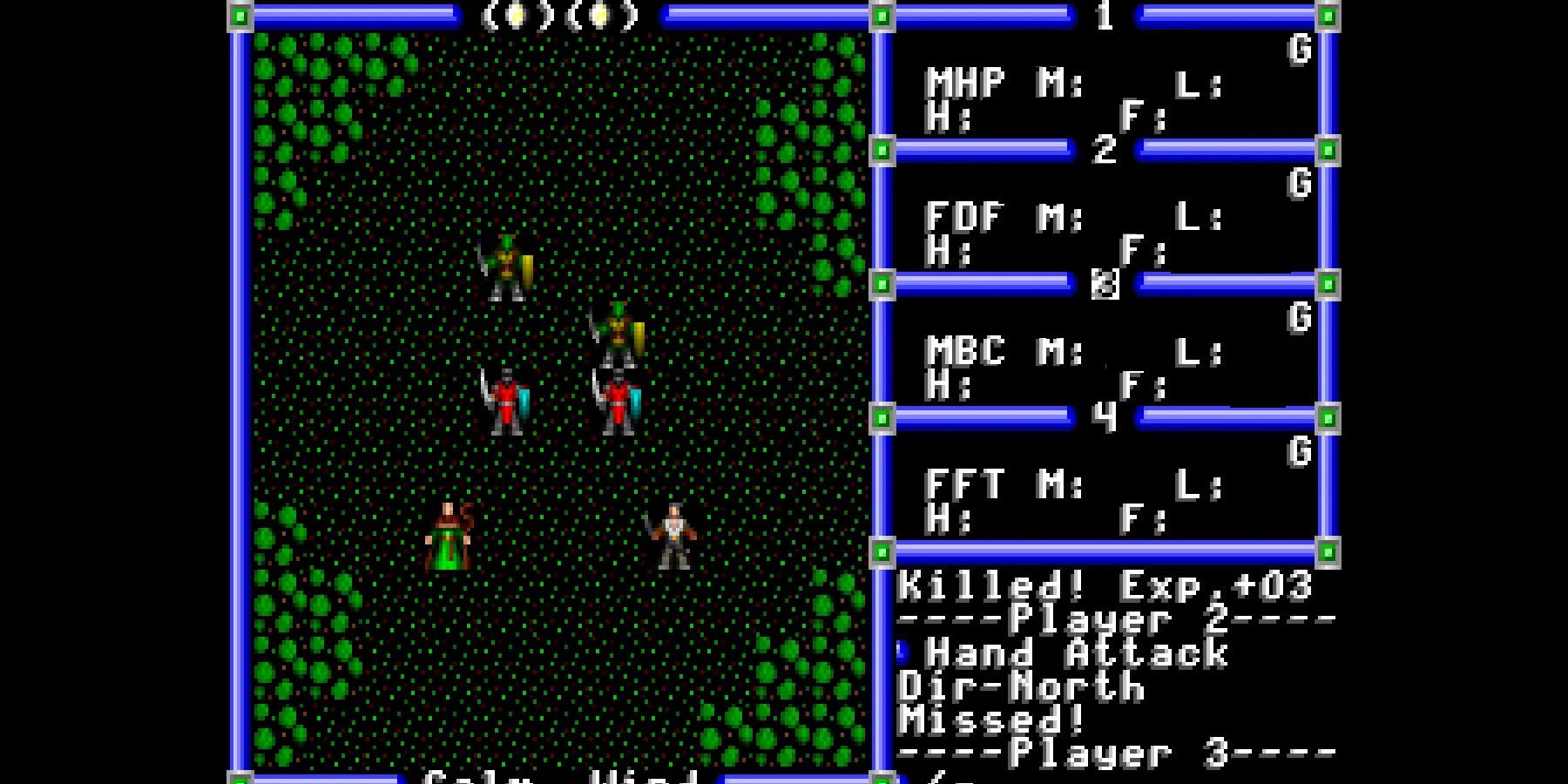
Despite being the fourth entry in the Ultima franchise, Ultima 3: Exodus still found ways to improve the beloved core gameplay elements of its predecessors. The RPG's stronger writing took players of Exodus back to Sosaria in order to stop a rampaging Exodus, the main villain who turned out to be the creation of Ultima 1 and 2's antagonists. On top of graphical improvements, such as fully 3D dungeons, Exodus also vastly improves upon its main mechanics. Players now create a party of four characters, building a team from up to 11 Classes, five Races, and special abilities that affect the overworld.
A key improvement in Exodus is a more strategic emphasis on combat, where players now have full control over their party's actions. Synergizing class setups and actions became a crucial part of surviving the game's tough encounters, making Exodus become somewhat of a prototypal tactical RPG.
2 Dungeon Master
Popularized Use-Based Skill Progression, 1st Person Navigation, & Paper Doll Inventory

|
Release Date |
December 15, 1987 |
|---|---|
|
Platforms |
Atari ST, Amiga, Apple 2, MS-DOS, SNES, TurboGrafx-CD, X68000, PC-9801, FM Towns |
|
Genre |
Fantasy |
Released just days before Final Fantasy's December 18, 1987, debut, Dungeon Master evolved traditional D&D- style top-down RPGs with its own take on a compelling roleplaying experience. After selecting four champions among 24 pre-generated characters, players venture into a fully interactive dungeon as they try to retrieve the Firestaff to defeat Lord Chaos. Aside from deviating from traditional top-down gameplay, Dungeon Master makes use of real-time combat elements from a first-person perspective.
Combined with its array of sound effects and animations, Dungeon Master was considered one of the most in-depth RPG experiences of its time. Dungeon Master also popularized usage-based skill progression and the paper doll inventory interface. Such was the impact of Dungeon Master that the game may have been the basis of The Elder Scrolls' own usage-based skill progression, and the paper doll inventory is popular in most RPGs today.
1 Dragon Quest
Cultural Impact Shaped The JRPG
|
Release Date |
May 27, 1986 |
|---|---|
|
Platforms |
NES |
|
Genre |
Fantasy |
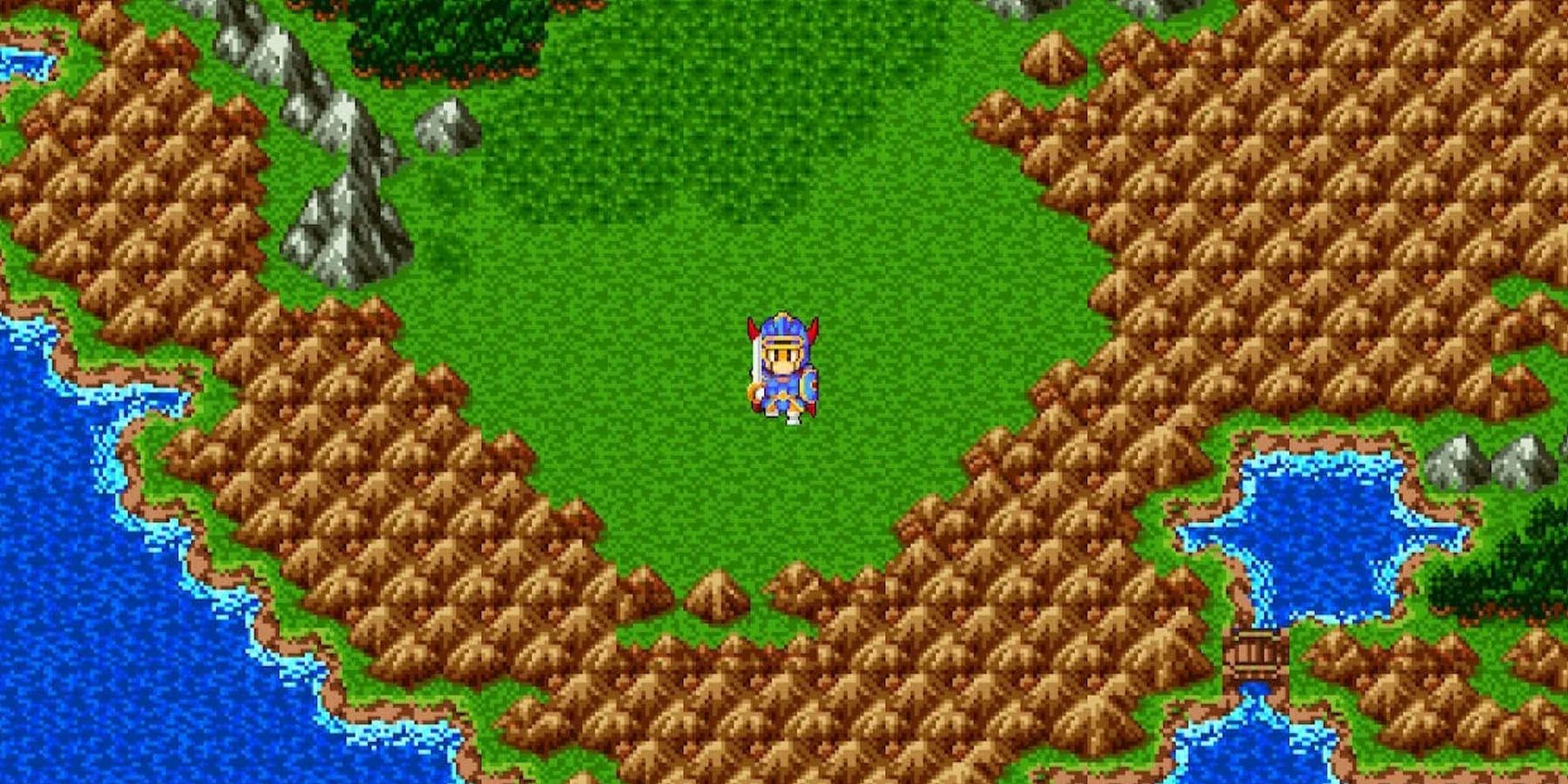
Despite its initial lackluster sales and overall limited condensed gameplay compared to releases such as Ultima 3 and even the impact of Final Fantasy, many attribute the core aspects of the JRPG to Dragon Quest. Also called Dragon Warrior in its initial western release, Dragon Quest tasks the player to become the Dragon Warrior and rescue the princess of Alefgard from the evil Dragonlord.
At first glance, its turn-based mechanics and having only one character is a far cry from Final Fantasy's own party-based system. However, where Dragon Quest shines is its overall cultural impact. Its soulful soundtrack and art from Dragon Ball creator Akira Toriyama breathed a more vibrant anime-esque appeal to a genre whose art is commonly associated with medieval fantasy imagery. When combined with the rest of its elements, Dragon Quest formed the archetypal JRPG with its 2D graphics, a vibrant top-down overworld, and even the occasional romance.