


Forza Horizon 6’s Japan setting is a strangely late no-brainer for the franchise. A dream locale for gearheads and fans of the Horizon series since at least the early 2000s, its rich automotive culture and history are begging to be explored in-game at the highest speeds possible. But Forza Horizon 6 lands in Japan for multiple reasons, especially when considering what’s under the hood of Xbox’s decade-long dance with Japan.
Forza fans have wanted this setting to happen for years, and that’s something Playground Games’ own Art Director Don Arceta acknowledged at length, stating that choosing the Japan setting was (at least in part) influenced by it being on “top of Horizon fans’ wish lists.” The developers even justified the timing and technical readiness to pull it off, noting that previous titles and expansions like Forza Horizon 5: Hot Wheels had helped them evolve their ability to craft environments like an electrified Tokyo. The thing is, fans of Forza aren’t the only ones in this equation who want to rule the roads of Japan, and this other party would have a lot more sway in the matter—if it interjected.
The choice of a Japan setting in the Xbox Game Studios-published Forza Horizon 6 dovetails very nicely with something Xbox leadership has been emphasizing and struggling with for more than a decade: Xbox's Japanese market share matters.
Forza Horizon 6’s Setting Is Xbox’s Strategy
That factor, Xbox's continued emphasis on Japan, has been understated to consumers through mostly industry-facing interviews. Nonetheless, it has been repeatedly expressed by Xbox leadership. At the end of the Xbox One era, Phil Spencer even told Japanese media that, while Xbox wasn’t the biggest seller there, he saw the country as a very important market and vowed he’d “never give up on Japan.”
Xbox was deep in the trenches of the Japanese market way before then, though, trying to find its footing in the overseas console space. Sales figures for Microsoft’s previous two consoles were notoriously weak in Japan compared to rivals, and the Xbox One's poor Japanese sales ended up being more of the same, failing to make significant inroads and selling only a fraction of units compared to locally-based competitors Sony and Nintendo. The thing is, although the Xbox of today has seemingly bowed out of the console race, it isn’t slowing down its attempt to build bridges in Japan.
It’s a New Strategy for an Old Ambition
A lot has changed about the modern image of Xbox as a company, but its industry ambitions overseas do not rank among those changes. For one, as Xbox shifted focus to games over gaming systems in the last half-decade, it’s also doubled down on partnerships with major Japanese publishers like Sega, Capcom, and Square Enix. While this is partly driven by the external idea that these companies need a platform like Xbox to expand globally, it’s really a tit-for-tat situation in context.
Through these partnerships, Xbox gains the ability to integrate the same Japanese creative power it historically lacked into its gaming ecosystem. Even without a console, this benefits Xbox’s business because the definition of the gaming ecosystem has broadened to include cloud gaming, services like Xbox Game Pass, and handhelds like the ROG Ally. Instead of competitive Xbox console sales, these alternatives work just as well (if not more so) for Xbox, maintaining economic ground in the overseas market.
Forza Horizon 6 Is a Precision Tool for the Same Task

Those evolving partnerships make Xbox’s decision to focus on Forza Horizon 6 at the Tokyo Game Show 2025 make a lot more sense. Xbox is using one of its flagship franchises as an expression of how it wants to be seen in Japan, not just as a foreign console maker, but as a company with a reverence for Japan’s cultural and aesthetic values that can resonate with Japanese gamers and creators alike. It aligns with broader internal messaging that the Asia region, including Japan, is among Xbox’s fastest-growing markets, at least according to executives discussing presence and expansion in the region.
Planning and Plotting are Two Different Things
It's worth highlighting that there’s nothing inherently malicious about these decisions. Japan is a massive global hub for gaming creativity and influence, and Xbox has been loudly saying it wants to get involved in the space for years. A major release like Forza Horizon 6, so long as it borrows from Japan’s rich culture considerately, would be the perfect vehicle to show that.
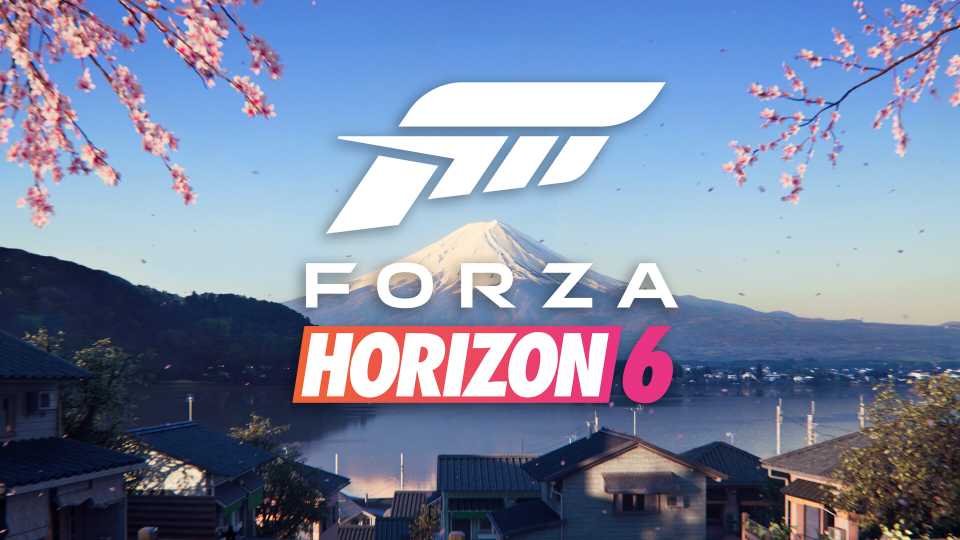
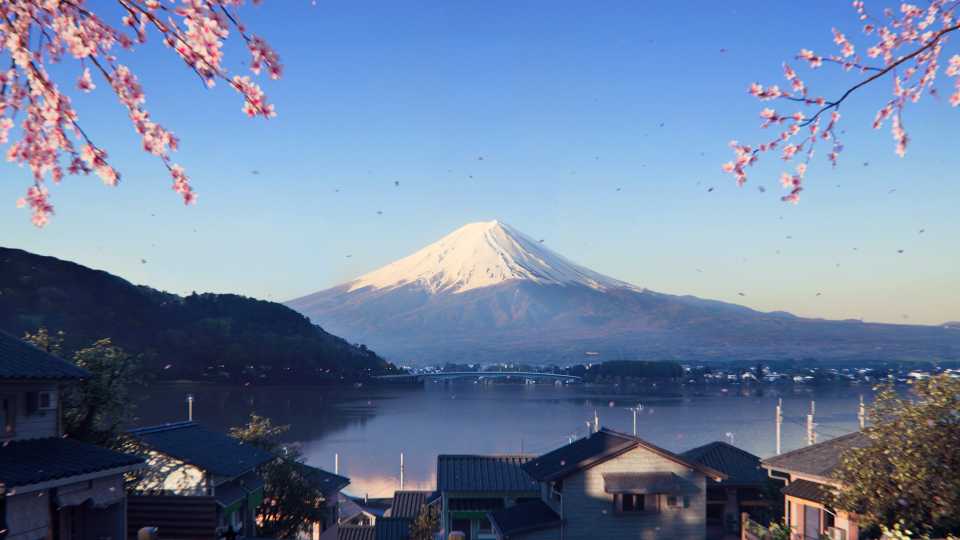
It already looks like Playground Games has managed to do just that, utilizing Japan’s unique car culture as a massive narrative engine to pull from. Again, it’s a no-brainer: Kei cars and drift culture give a racing game material that feels alive in a way few other settings could. And that’s before breaking into the aesthetics of the setting, the possible mountain passes, temples, cherry blossoms, and urban street scenes. The Forza dev team’s extensive research trip to Japan and inclusion of a cultural consultant underscores that this is meant to be more than a generic attempt at “video game, but Japan.”
Xbox Can Have Its Cake and Eat It Too

The reality is that bundling the reveal of Forza Horizon 6's Japan setting with Xbox’s broader messaging around growth in Asia and its renewed partnerships with Japanese studios frames the choice as both fan-driven and as a strategy for market growth. This secondary motive isn't some hidden, nefarious plot, and there’s no evidence that Xbox is anything but earnest in wanting to celebrate a culture its players and developers admire. But ignoring the fact that this alignment also serves a business purpose would be naïve; for years, Xbox has plainly stated intentions to take its business to Japan with both heart and hard-headed strategy. Why believe otherwise when it comes to Forza Horizon 6?
This decision ultimately enriches the game. It’s an exciting leap for the franchise, a setting fans have long dreamed of, and one that could genuinely stand as one of the best Forza Horizon worldspaces yet. When Forza Horizon 6 releases in May and the player's speedometer climbs past every expectation, it hopefully echoes another Xbox corporate sentiment in totality and truthfulness: "When everybody plays, we all win."



- Released
- May 18, 2026
- ESRB
- Rating Pending
- Developer(s)
- Playground Games
- Publisher(s)
- Xbox Game Studios
- Multiplayer
- Online Multiplayer




WHERE TO PLAY


- Genre(s)
- Racing, Open-World
