


Star Trek 5: The Final Frontier was supposed to boldly go where no sci-fi franchise had gone before. Instead, it went... Somewhere it was never intended to be. Behind the scenes of this controversial film was an ideological battle between Star Trek creator Gene Roddenberry and Trek 5 director and star William Shatner over the direction of the film's plot.
By 1987, the Star Trek universe was bigger than ever. The Next Generation was preparing to launch, and the original cast was still drawing fans into theaters. William Shatner, ever the ambitious Captain Kirk, had negotiated a deal that granted him the right to direct the fifth Star Trek film. But his creative vision—one involving religious themes, a God-like entity, and the crew being duped by a space prophet—struck a deep nerve with Roddenberry, the man who had launched the USS Enterprise in a distinctly secular future.

'This Would Have Been Terrible' Star Trek Fans Are So Glad The Studio Rejected Gene Roddenberry's Wild Idea for The Second Movie
Roddenberry's original concept for Star Trek 2 was bizarre and highly controversial, and fans are thankful they got The Wrath of Khan instead.
Gene Roddenberry Had A Post-Religious Vision For The Star Trek Franchise
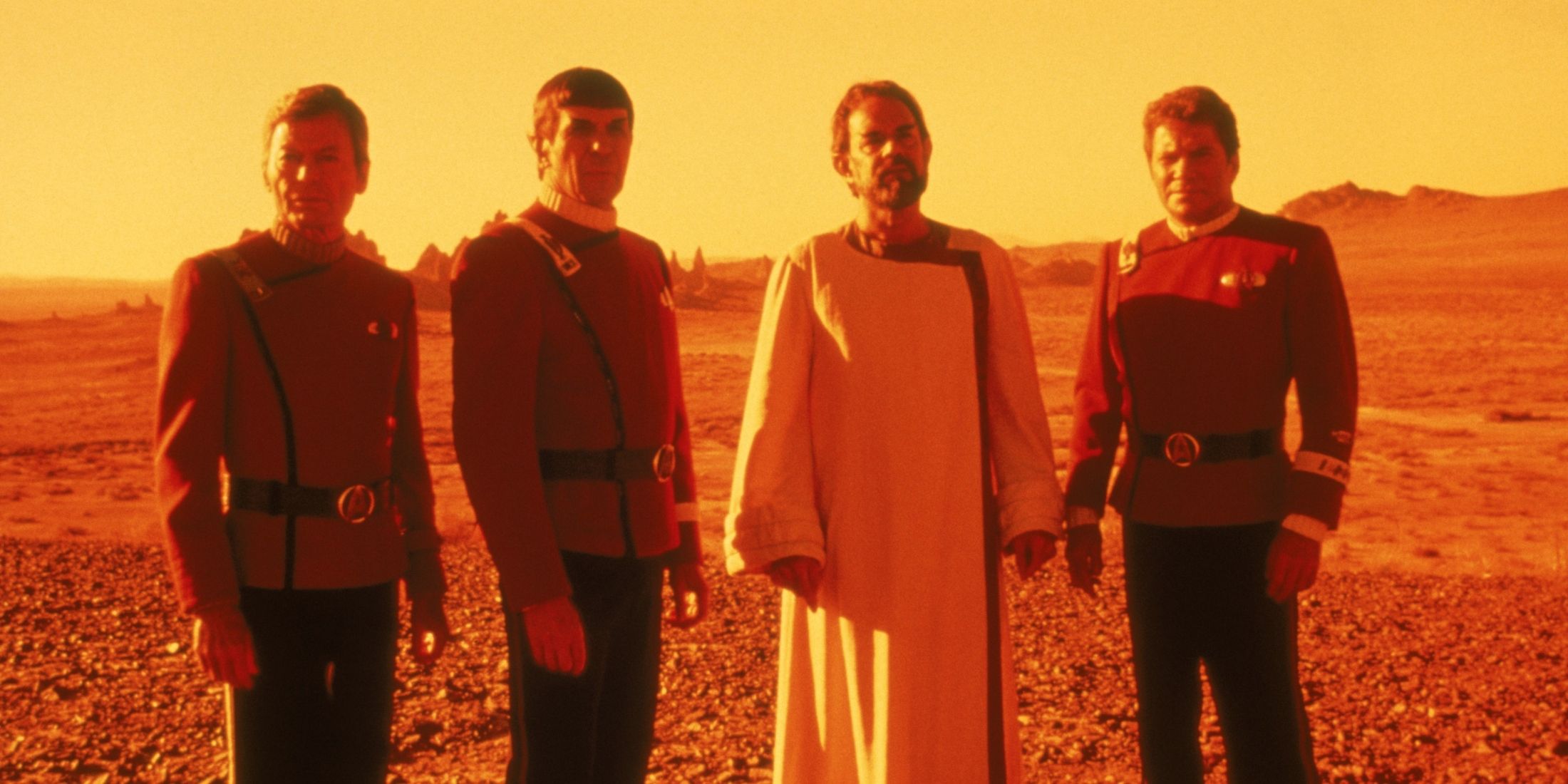
Roddenberry wasn’t just the creator of Star Trek—he was its philosopher. He envisioned a future shaped by scientific curiosity, reason, and progress. The Federation is a political alliance, sure, but it was also a statement of a post-religious, enlightened society. Roddenberry believed that humanity, having survived centuries of division and dogma, would one day outgrow its dependence on religion altogether.
This perspective was baked into the very DNA of Star Trek. In the TOS episode "Who Mourns for Adonais?", the crew encounters a being claiming to be the Greek god Apollo, and quickly dismisses him as a powerful but ultimately flawed alien. In "The Apple," a primitive culture worships a machine called Vaal, until Kirk shuts it down and encourages the people to think for themselves.
Roddenberry's distaste for religion extended beyond allegory. He was open about his atheism and frequently pushed back against what he saw as the glorification of spiritualism in media. So when Shatner floated a story for Star Trek 5 that centered on the crew being seduced by a religious figure and going on a literal search for God, it felt to Roddenberry like a betrayal of Star Trek’s core values. And so, with a memo to his long-time collaborator, Roddenberry kicked off one of the most awkward and consequential internal disputes in Star Trek history.
Roddenberry Wrote A Memo That Challenged Shatner’s Star Trek 5
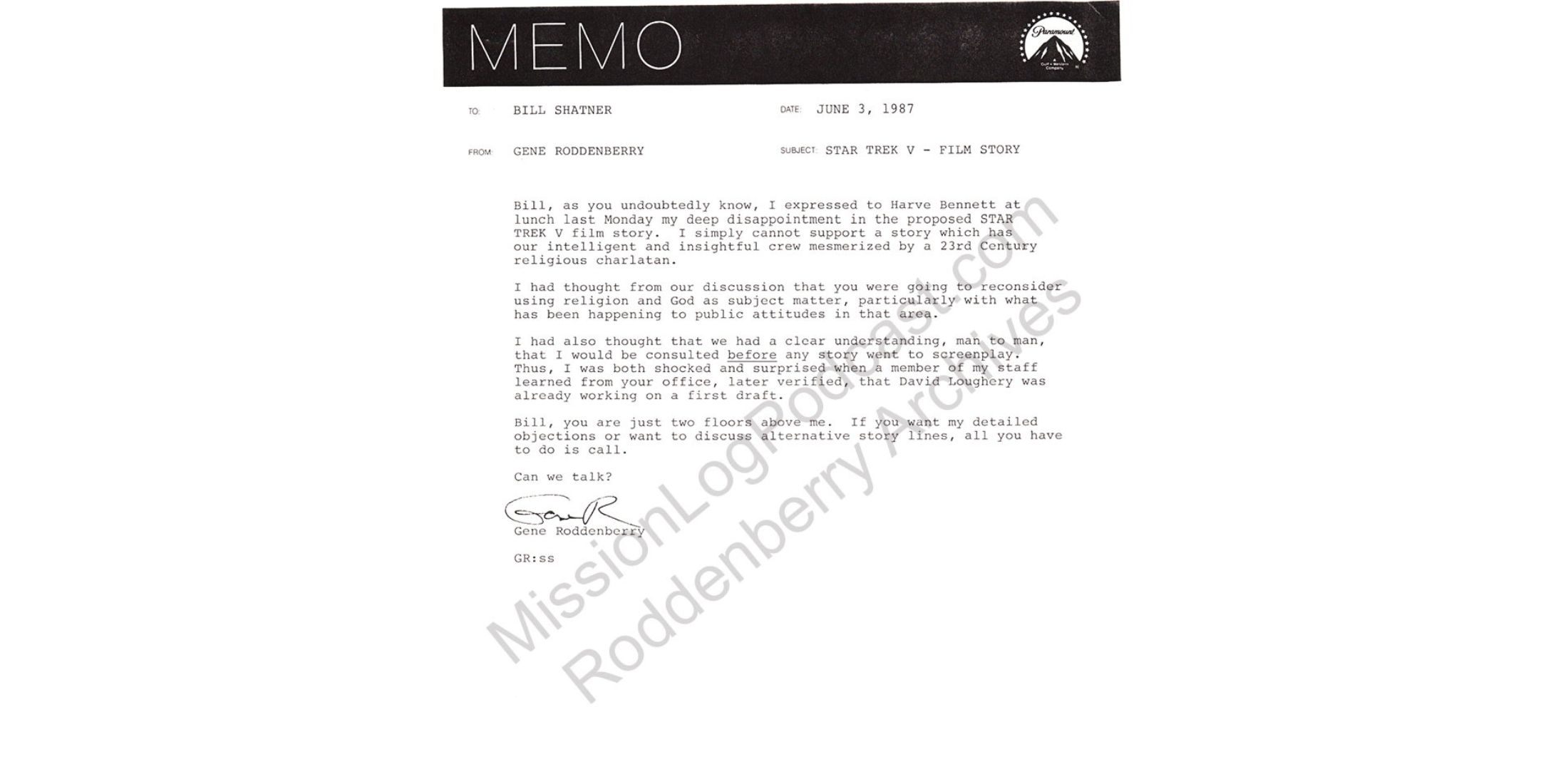
Roddenberry’s memo, dated June 3, 1987, and recently unearthed by The Mission Log Podcast, is calm on the surface but teeming with quiet fury. Addressed directly to Shatner, the letter outlines Roddenberry’s strong opposition to the film's concept and, more importantly, the way it had moved forward without his input. While couched in polite language, the underlying tension is palpable.
“Bill, as you undoubtedly know, I expressed to Harve Bennett at lunch last Monday my deep disappointment in the proposed START TREK V film story. I simply cannot support a story which has our intelligent and insightful crew, mesmerized by the 23rd century religious charlatan.”
Roddenberry felt blindsided. Not only had the proposed story embraced religious themes, but screenwriter David Loughery had already begun working on a draft—a fact Roddenberry only learned secondhand, from someone on his own staff. To him, this wasn’t just a plot disagreement; it was a clear violation of the deeper understanding he believed he had with Shatner.
“I had thought from our discussion that you were going to reconsider using religion and God as subject matter, particularly with what has been happening to public attitudes in that area.
I had also thought they had a clear understanding, man-to-man, that I would be consulted before any story went to screenplay.”
He expressed frustration not only with the creative direction but with what he saw as a lack of transparency. Roddenberry believed he had earned the right to be consulted, not just as a formality, but as a steward of the franchise’s thematic integrity. The memo doesn’t erupt into anger; instead, it simmers, building a quiet case for why he should’ve been in the room all along. And perhaps, given how the film turned out, he should have.
William Shatner’s Vision For The Final Frontier
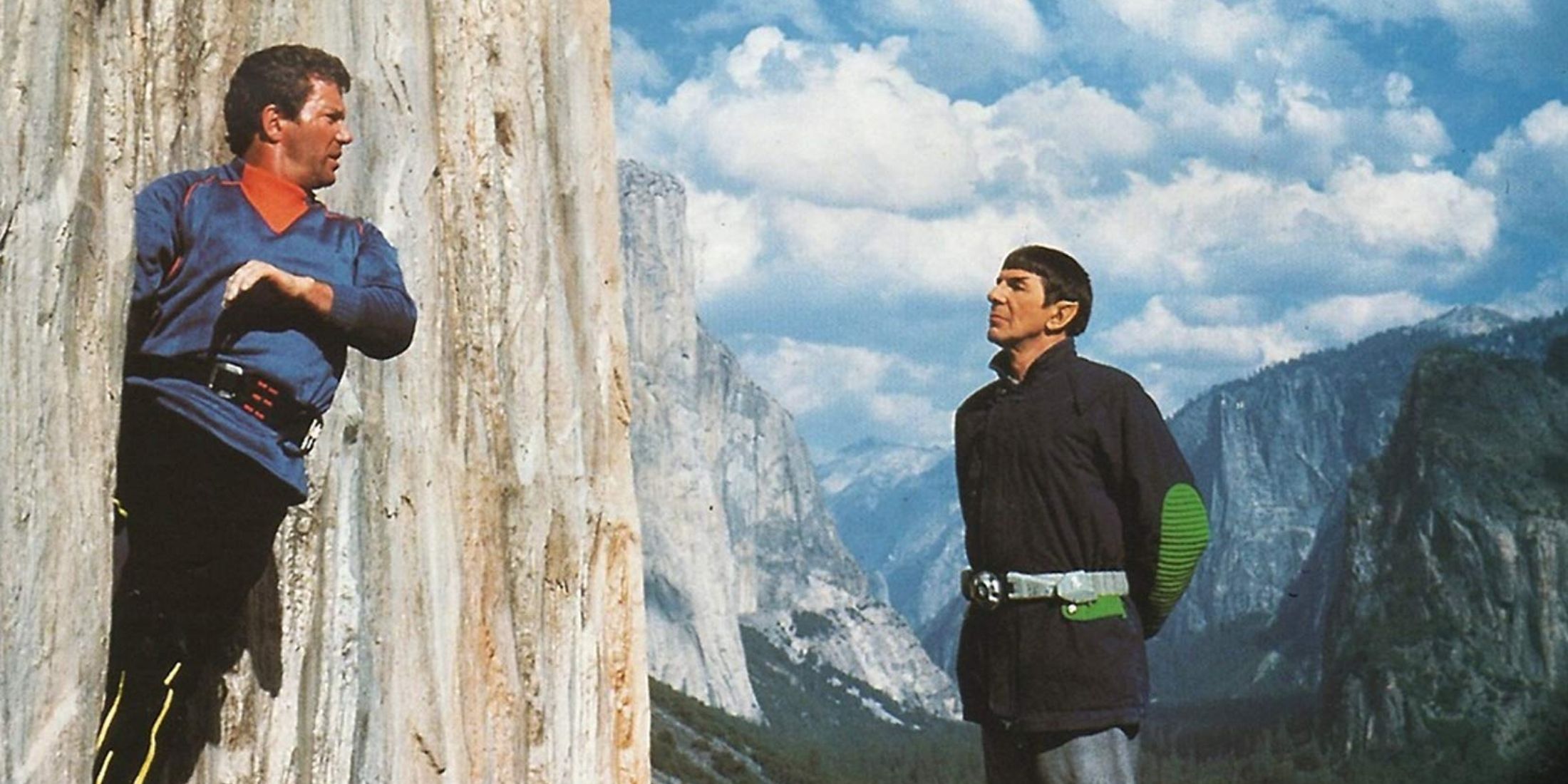
Shatner’s vision for Star Trek 5 began with a big, provocative idea: what if someone took over the Enterprise by appealing not to logic or power, but to faith? His original concept leaned even more heavily into religious allegory than the final film. The mysterious Sybok would lead the crew in a cult-like journey to find God, not just a powerful alien pretending to be divine.
In Shatner’s earliest pitch, the being at the end of the galaxy was not merely a villainous deceiver—it was God. Kirk would challenge this entity, not because it was false, but because it demanded blind obedience. Studio execs and co-producers, wary of alienating religious audiences, pushed back hard. As a result, Shatner had to compromise.
What remained in the final film was a watered-down version of that idea. Sybok (Laurence Luckinbill) was turned into Spock’s half-brother, and his powers reinterpreted as emotional healing rather than religious manipulation. The being at the end of the quest was revealed to be a powerful alien masquerading as God, closer to Roddenberry's model, but still wrapped in the iconography of religious epiphany that Roddenberry himself would have likely stayed far away from.
Shatner won the battle to tell a story about faith and belief. But he lost the war to make it truly transcendental. Studio mandates, budget cuts, and internal resistance whittled down the story into something less bold and far more muddled.
Star Trek 5 — What Went Wrong?
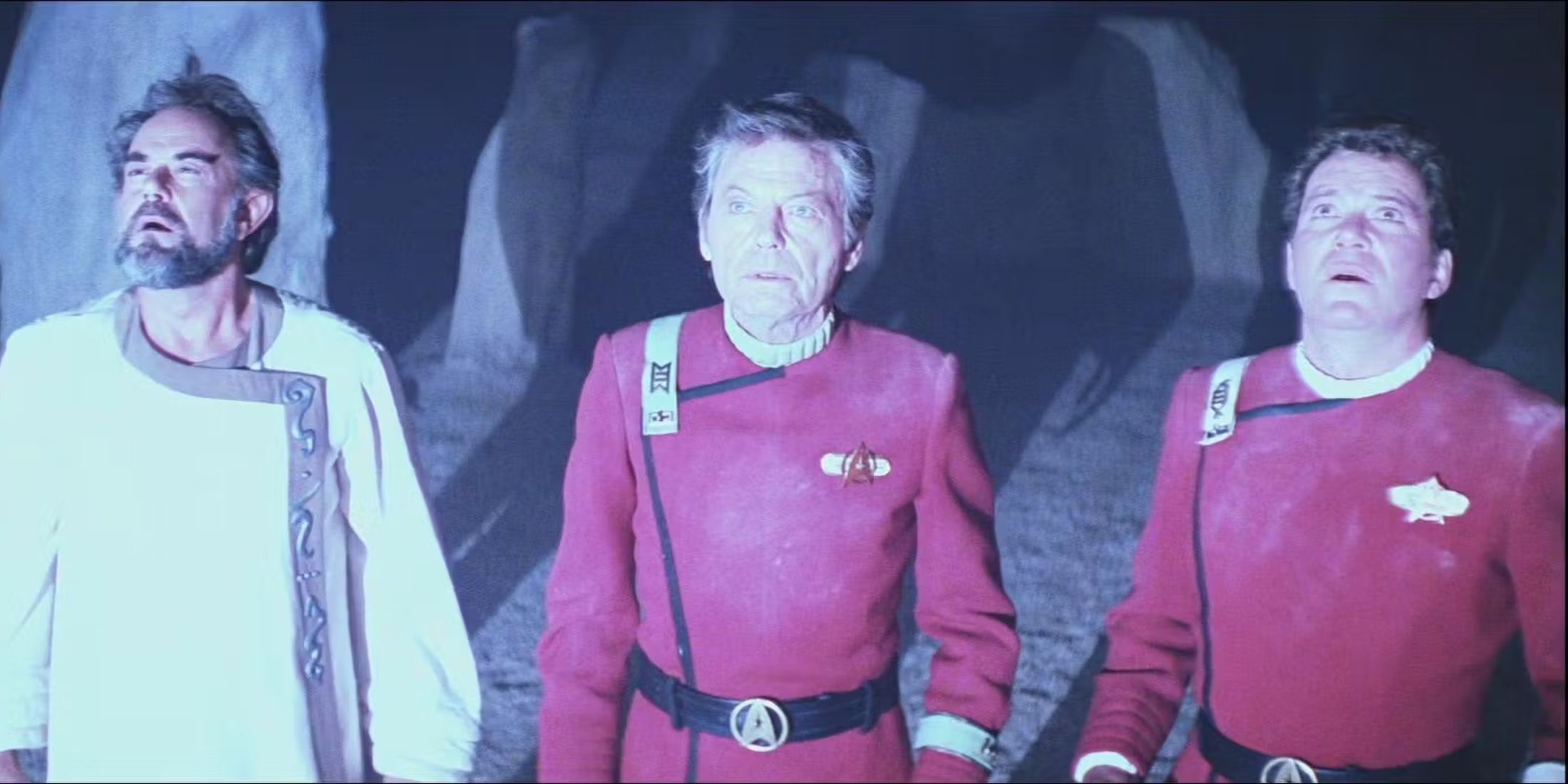
When Star Trek 5 premiered in 1989, the response was swift and largely negative. Critics panned the film for its inconsistent tone, sluggish pacing, and bad effects. The plot—in which the Enterprise is hijacked by Sybok, who leads the crew past the Great Barrier to find God—strained credibility even within Star Trek’s usually flexible boundaries. Longtime fans couldn’t reconcile the crew’s sudden gullibility with their decades of rational decision-making. It didn’t seem logical that the team of seasoned explorers would be so easily duped. To many Trekkies, the end result was something that felt more like a watered-down Dune ripoff than a true Trek entry.
Worse still, the film suffered from real-world limitations. Shatner had originally planned for a more spectacular climax, including rock monsters and elaborate cosmic visuals. But budget cuts forced him to scale back, and the finale ended up being underwhelming—a blue-light show and a floating face in the sky.
At the box office, Star Trek 5 opened at number one but quickly dropped off, grossing significantly less than its predecessors. Critics like Roger Ebert called it “a mess,” and even the fandom, normally loyal to a fault, voiced their discontent. It remains the lowest-rated of the original-cast films on most review aggregators.
Even Shatner later admitted the final product fell short of his vision, partly due to budgetary constraints and studio interference. But by then, Roddenberry’s concerns had already played out on the big screen.
Gene Roddenberry's Marginalized Influence Over The Star Trek Franchise
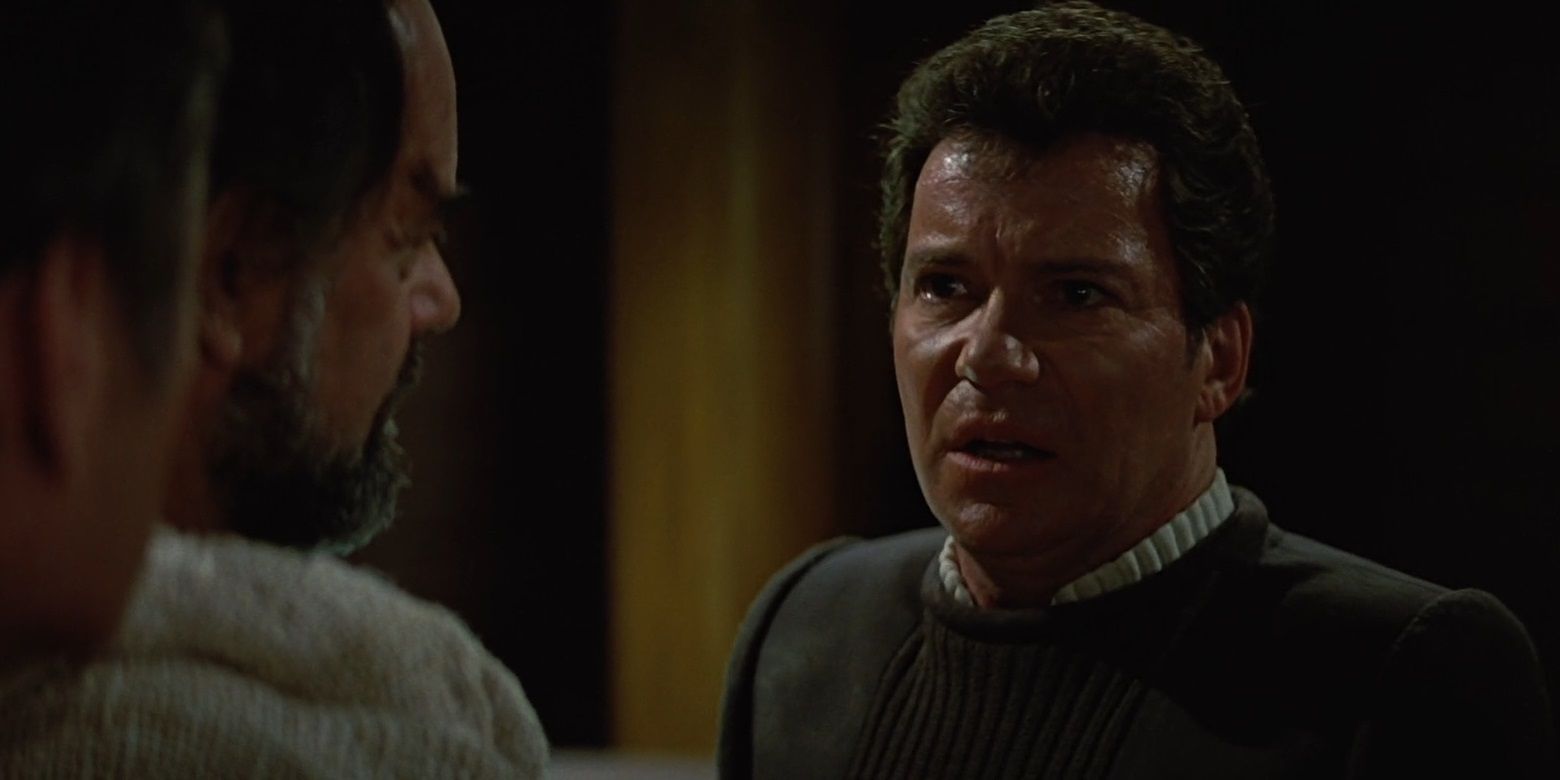
By the time The Final Frontier began production, Roddenberry’s role in the film series had already long been reduced to that of “Creative Consultant,” which, in Hollywood terms, is just jargon for “We'll let you know if we need you.”
Roddenberry was fighting a losing battle. The studio had already agreed to Shatner’s deal. Producer Harve Bennett, who had helped revitalize the franchise with The Wrath of Khan, was onboard. Paramount Pictures wanted a big, bold Star Trek film to follow the success of Star Trek 4: The Voyage Home. So, Shatner got to make the movie he wanted. Roddenberry got a footnote.
Roddenberry’s Final Word and The Star Trek Philosophy
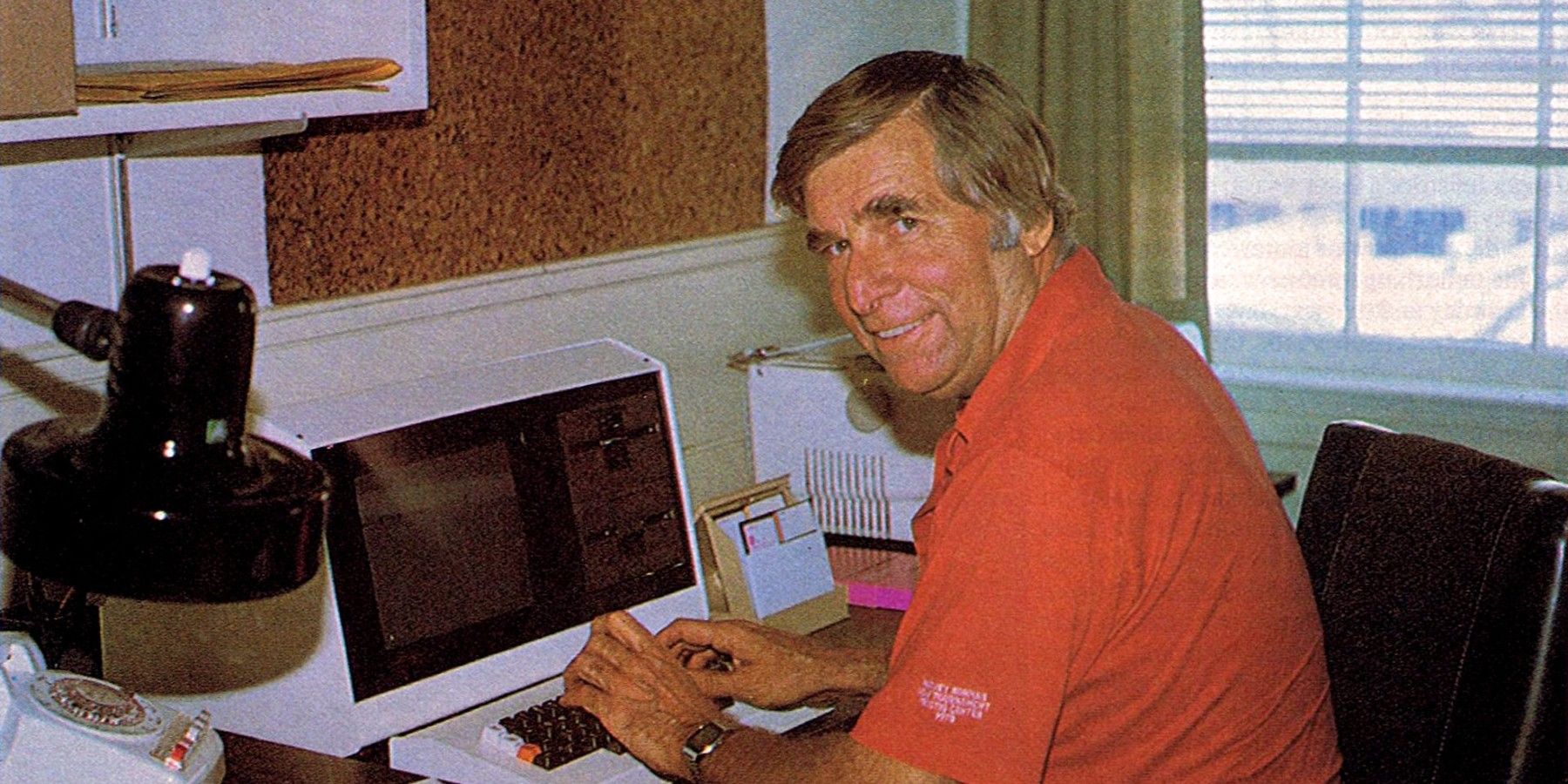
Though Star Trek 5 is generally considered the weakest of the original films, it holds a peculiar place in the franchise. It’s bold, weird, and undeniably heartfelt. However, it also represents a moment when Star Trek fundamentally lost its way, and when Gene Roddenberry actually knew best.
The memo wasn’t just about one story. It was about the soul of Gene’s precious creation. Roddenberry believed that Star Trek was not a place to ask “Does God exist?” But rather “What can humanity achieve when it stops asking that?”
“Can we talk?” Roddenberry ended his memo with a line that now reads as both an olive branch and a final, desperate attempt to get Shatner on his side.
In hindsight, Gene Roddenberry’s resistance to Star Trek 5 looks less like stubbornness and more like the passion of a man determined to protect his ideals, even when those ideals didn’t always work on screen. Roddenberry’s vision of a post-religious, hyper-rational future gave Star Trek its backbone, but his many rigid rules also sometimes made the stories feel overly sanitized. Conversely, when the franchise drifted too far from his intent—as it arguably did in The Final Frontier—it risked losing its soul. As one fan once put it, Star Trek is often at its best when it’s Gene’s core vision filtered through someone else. Maybe the truth is that Roddenberry’s ideas were neither wholly sacred nor entirely flawed. Like the best of Star Trek, the answer lies in balance.

