


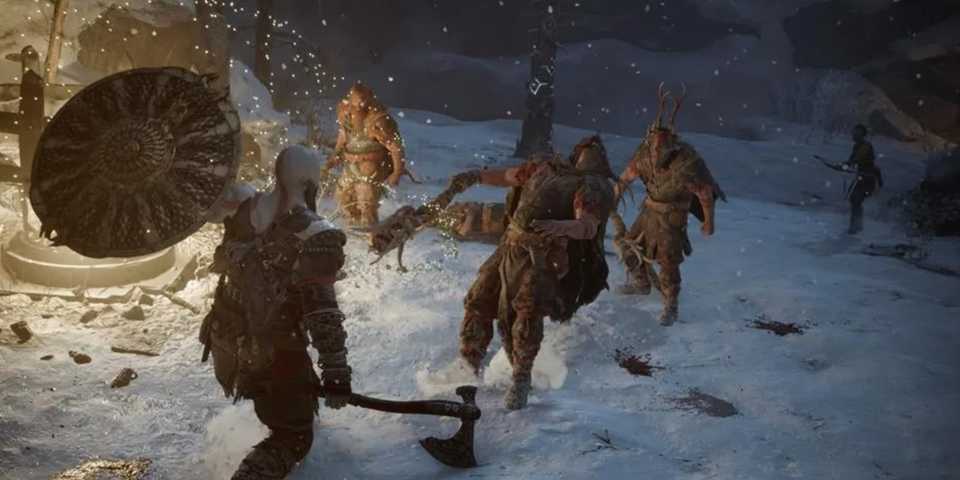
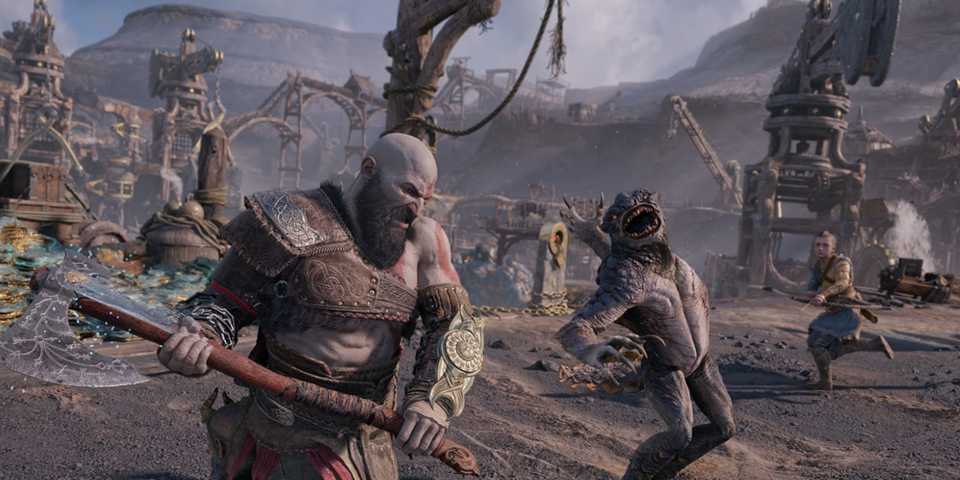
Though it takes plenty of creative liberties with its source material, God of War is nevertheless tethered to the Norse and Greek stories that form the backbone of its narrative. Certainly, these ancient mythologies are essential to the franchise's overarching plot, but they also play an important role in God of War's gameplay, informing the narrative justification for combat and exploration, alongside more subtle mechanics.
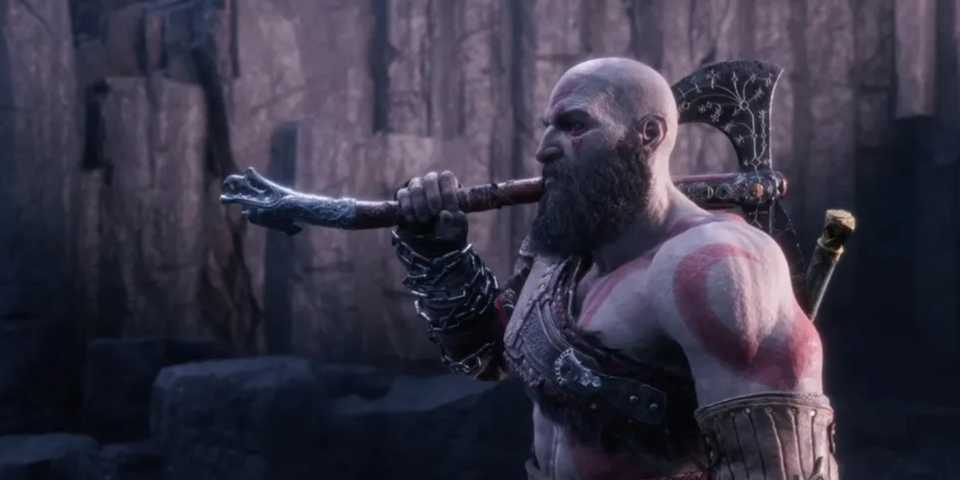
Kratos is a vengeful Spartan warrior, and this is reflected in his fighting style, which evolves as he matures between the original games and the soft reboot of the Norse saga. Beyond this, the Greek and Scandinavian creatures and gods he fights are more than just set dressing: God of War often leverages its mythological backstories for design purposes, like how Heimdall's powers of precognition influence how he acts in combat. As the franchise moves forward, possibly with Atreus at the helm, and perhaps even beyond the Norse realms, it will be imperative for it to continue this legacy of narrative informing gameplay, using mythology as the guiding light for various mechanics, set pieces, and broader structural elements.
Future God of War Games Have an Interesting Opportunity When it Comes to Death
Death Has Played an Unexpected Role in Previous God of War Games
Though Kratos makes it out of God of War Ragnarok unscathed, he has actually died several times over the course of the series. In the pre-Norse games, he perished at least five times:
- God of War: impaled by Ares after opening Pandora's box
- God of War 2: killed by Zeus with the Blade of Olympus
- God of War 2: fell into the River Styx
- God of War: Chains of Olympus: fell into Tartarus following a fight with Charon
- God of War: Chains of Olympus: visited Elysium before ultimately deciding to continue living.
The character has also visited planes of the afterlife without dying. The most recent example of this would be Kratos' trip to Valhalla in the God of War Ragnarok DLC of the same name, or his visits to Helheim in both the Norse games. What all of these instances prove is that, while the threat of death may exist for Kratos and his companions, going to the afterlife is not necessarily the end-all be-all, and this is something that the next game could play with.
Atreus, Egypt, and Death Could All Play Compelling Roles in Future God of War Gameplay
Delving into the world of God of War rumors, two elements appear more frequently than any others: Atreus and Egypt. Many have speculated that Atreus may take the lead as protagonist, possibly heading to Egypt, whose mythology is referenced in God of War (2018). Assuming that these rumors have substance to them, there's a lot of potential for future games to use and recontextualize the concept of death.
In Egyptian mythology, one's heart is weighed on a scale against a feather of Maat, the Goddess of Justice, upon their death. If the scale deems one to be good and pure, they will ascend to Aaru, a heavenly field of reeds, to live out eternity in bliss. If they are deemed evil, they will fall into the jaws of Ammit and be tormented in Duat, the Egyptian underworld.
Perhaps death in an Egypt-set God of War could factor into some sort of karma system, with in-game deaths resulting in various punishments or benefits depending on the player's actions during the story, represented by the heart-weighing process. This would be particularly apt if Atreus is the protagonist, as he is still young, and his coming-of-age will likely require him to make tough decisions and resist corruption. With these concepts playing into Egyptian notions of morality and the afterlife, there are a number of ways that Atreus' theoretical God of War adventure could implement death as a unique and impactful mechanic, and this would be a natural progression of how the franchise has treated death and the afterlife in the past.


God of War Ragnarok


-
 OpenCritic Reviews
- Top Critic Avg: 92 /100 Critics Rec: 97%
- Released
- November 9, 2022
- ESRB
- M For Blood and Gore, Intense Violence, Strong Language
- Developer(s)
- Santa Monica Studio
- Publisher(s)
- Sony



WHERE TO PLAY





Embark on an epic and heartfelt journey as Kratos and Atreus struggle with holding on and letting go
From Santa Monica Studio comes the sequel to the critically acclaimed God of War (2018). Fimbulwinter is well underway. Kratos and Atreus must journey to each of the Nine Realms in search of answers as Asgardian forces prepare for a prophesied battle that will end the world. Along the way they will explore stunning, mythical landscapes, and face fearsome enemies in the form of Norse gods and monsters. The threat of Ragnarök grows ever closer. Kratos and Atreus must choose between their own safety and the safety of the realms.
- Engine
- Proprietary Engine
- Franchise
- God of War
- Steam Deck Compatibility
- Verified
- Platform(s)
- PC, PlayStation 4, PlayStation 5
- How Long To Beat
- 26 Hours
- PS Plus Availability
- Extra & Premium
