


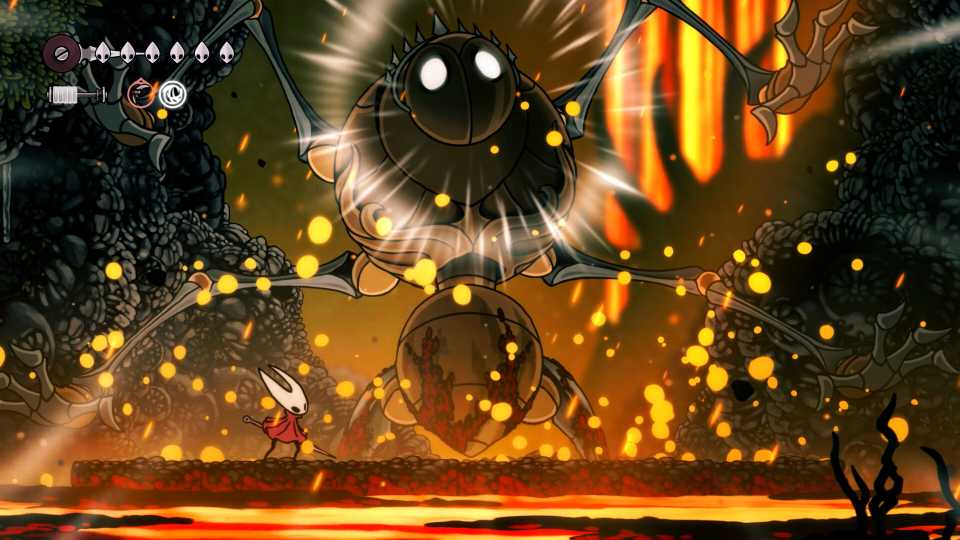
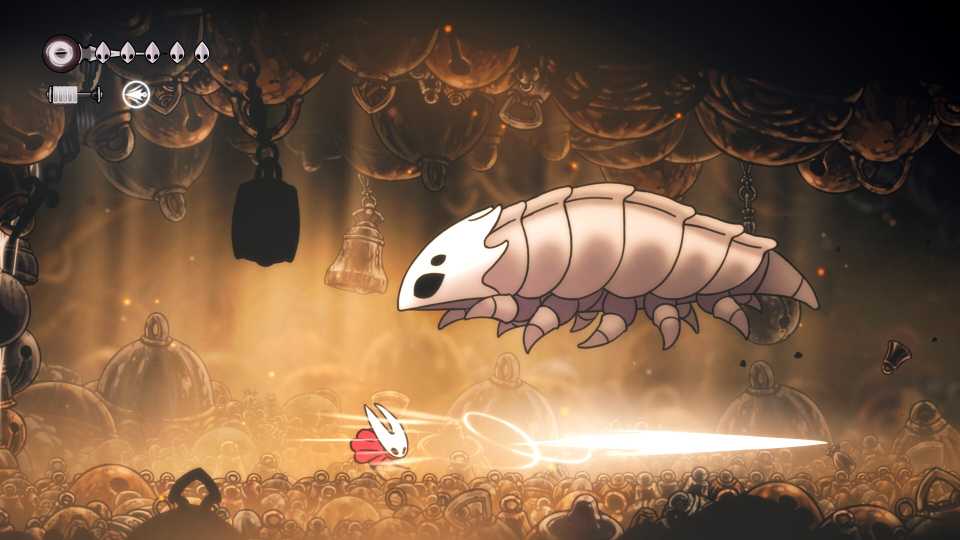
While it's been deemed as a worthy, and even superior, successor to the 2017 indie darling in many ways, Hollow Knight: Silksong certainly isn't perfect. Critics have pointed out a number of perceived flaws with Team Cherry's sophomore release since its launch earlier this fall, with the most common complaints relating to difficulty. Specifically, it seems that most Hollow Knight: Silksong critiques revolve around what some gamers consider artificial or inflated difficulty, like booby-trapped benches or hard-hitting ambushes.

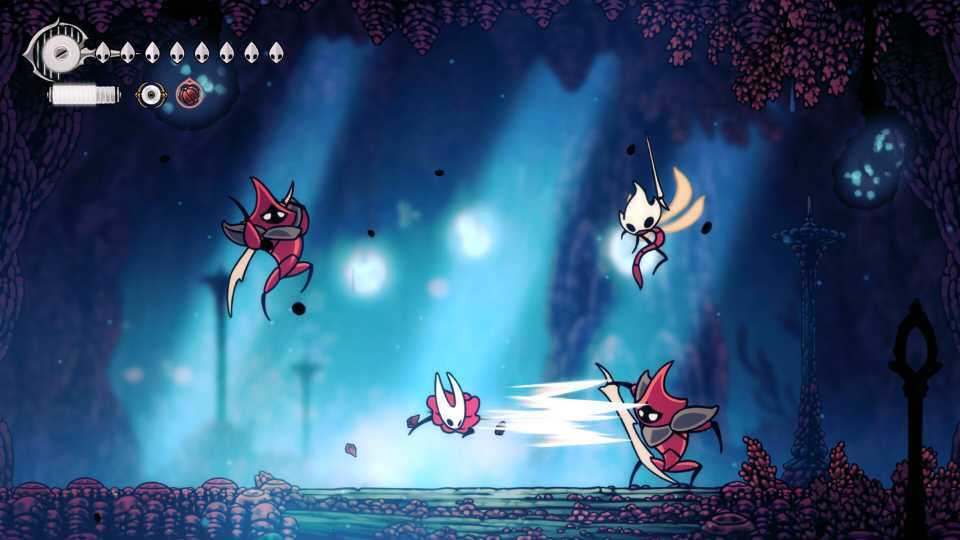
And where there are discussions of artificial or unfair difficulty, there will always arise mentions of boss runbacks, whenever applicable. Indeed, action-adventure games, and especially those that take inspiration from the likes of Dark Souls, which both Hollow Knight games do, are infamous for these drawn-out and often tedious punishments, forcing players to traipse through familiar territory time and again after dying to a boss. Naturally, games with brutal combat, such as Hollow Knight: Silksong, tend to have the most maligned boss runbacks, as they take up a larger slice of the game-time pie chart—more deaths mean more runbacks, after all. Boss runbacks, which many gamers perceive as a needless addendum to Silksong's already considerable difficulty, are arguably the albatrosses around the game's neck.
Egregious Boss Runbacks Remain Hollow Knight: Silksong's Most Controversial Practice

Arguments In Favor of Silksong's Boss Runback Design
As it is with most things in this world, Silksong's boss runbacks—and boss runbacks in general—are not universally maligned. Certainly, you can find any number of gamers who actually appreciate Silksong's commitment to its difficulty, and the stakes that an intense or challenging boss runback can add to the greater gameplay loop. For these players, the process of navigating back to a boss, avoiding enemies and environmental hazards along the way, is an inextricable part of the Silksong formula.
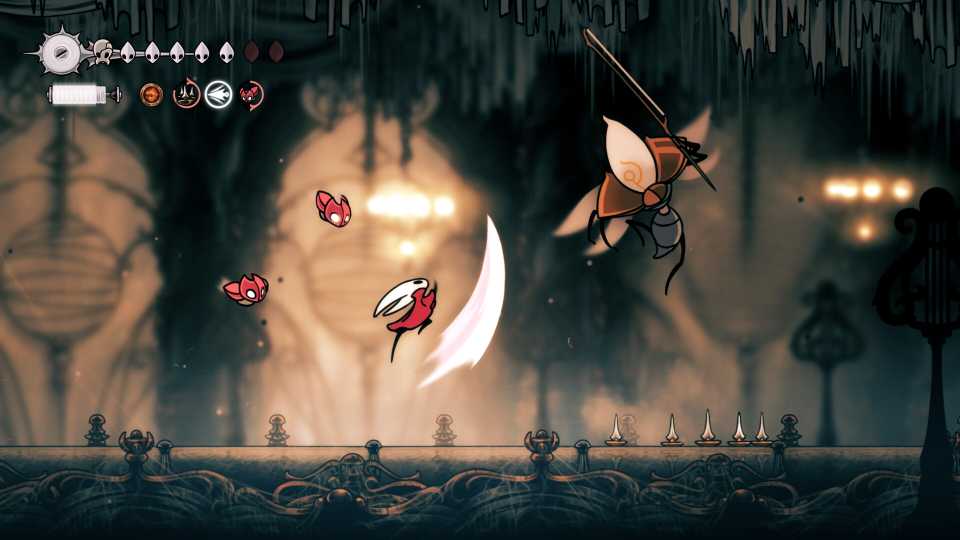
Take perhaps Hollow Knight: Silksong's most notorious boss runback: Last Judge. It can take around a full minute to navigate from the nearest bench back to Last Judge's lair, a process that involves chaining together several traversal manuevers, memorizing pathways, and avoiding mistakes; even the slightest miscalculation in a jump can mean starting the runback over. Defenders of this much-discussed section argue that, rather than being frustrating padding between boss attempts, this repeated locomotion segment is actually its own meta challenge: you can learn new, optimal ways to complete the runback more efficiently, either by discovering shortcuts or exploiting movement mechanics. From this viewpoint, Silksong's runbacks are an enriching part of its gameplay loop, rather than just the cost of doing business.

All the Same, Hollow Knight: Silksong's Boss Runbacks Will Likely Remain Contentious
While there's merit to the aforementioned argument, it's unlikely that these repetitive gameplay passages will win over many Silksong fans. Ultimately, a game like Silksong has plenty of challenge already; if a player wishes to augment the difficulty or experience additional, tertiary challenges, there are ways to do that as well. As such, including what is seen as the superfluous and tedious task of traversing the same location numerous times, only to be rewarded with yet another mammoth challenge in the form of a boss fight, can make for an experience that's more frustrating than fun. This is to say nothing of the particularly enraging feeling of dying during a boss runback, which is enough to make even the most zen players rage quit.
Conversely, if a boss runback is straightforward and easy, it can be even more boring.
In a game like Silksong, boss runbacks can be especially controversial due to the prevalence of other punishing factors, like the loss of the player's currency or experience upon death. The price for death can sometimes be excruciatingly high in these games, and features like boss runbacks can therefore feel like additional, hidden costs.





-
 OpenCritic Reviews
- Top Critic Avg: 91 /100 Critics Rec: 97%
- Released
- September 4, 2025
- ESRB
- Everyone 10+ / Fantasy Violence, Mild Blood
- Developer(s)
- Team Cherry
- Publisher(s)
- Team Cherry



WHERE TO PLAY






Become the Princess Knight
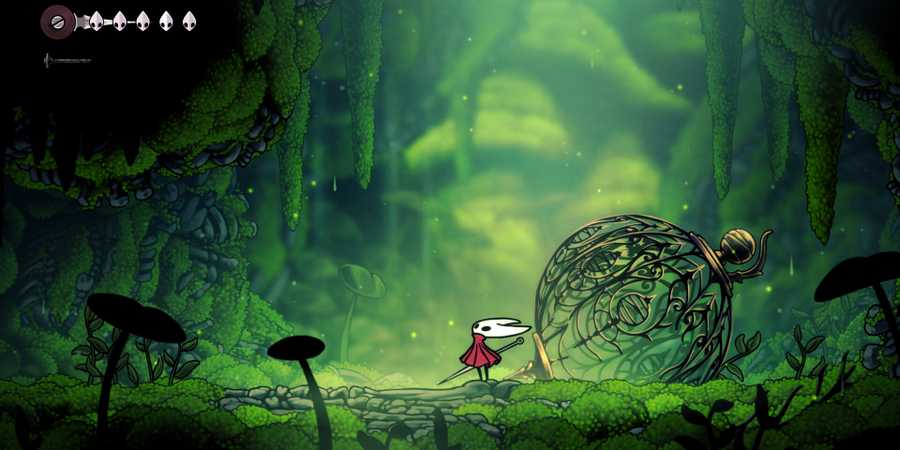
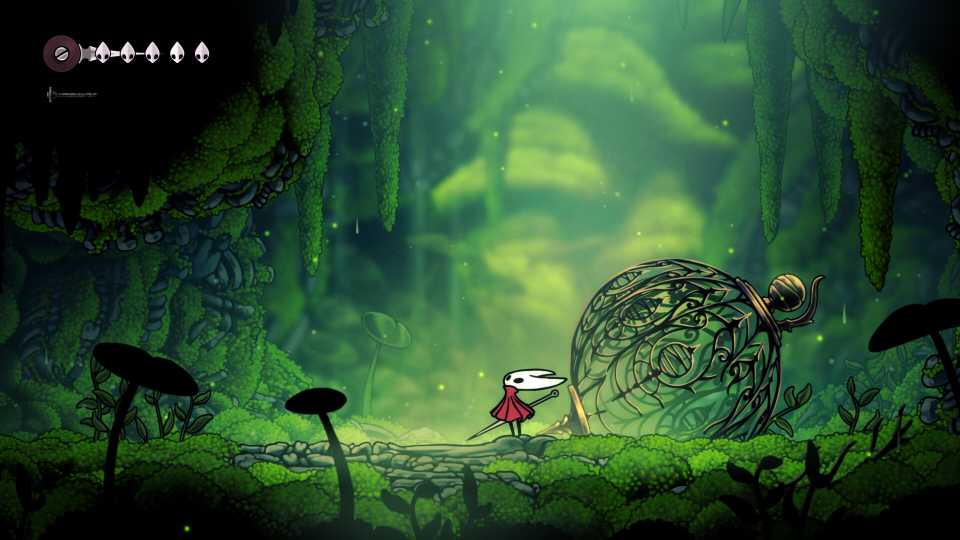
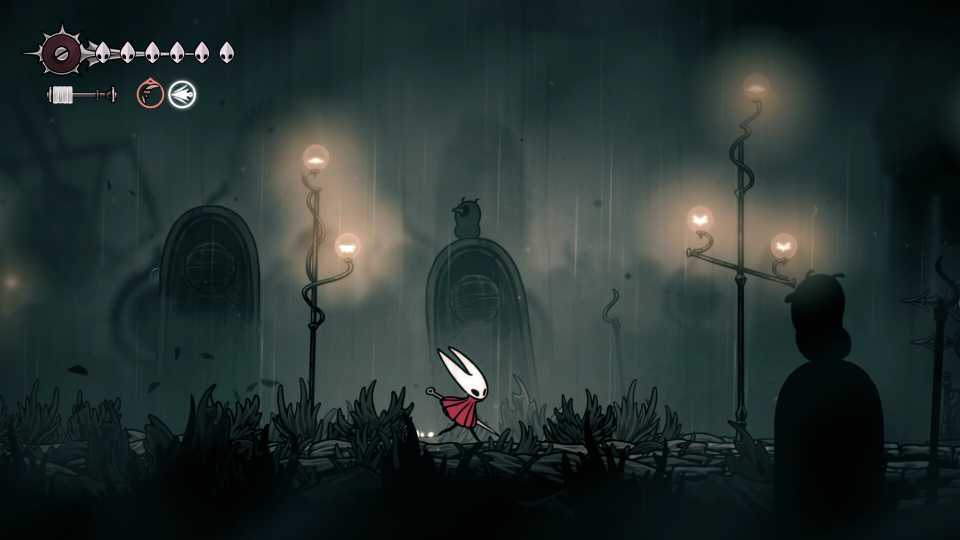
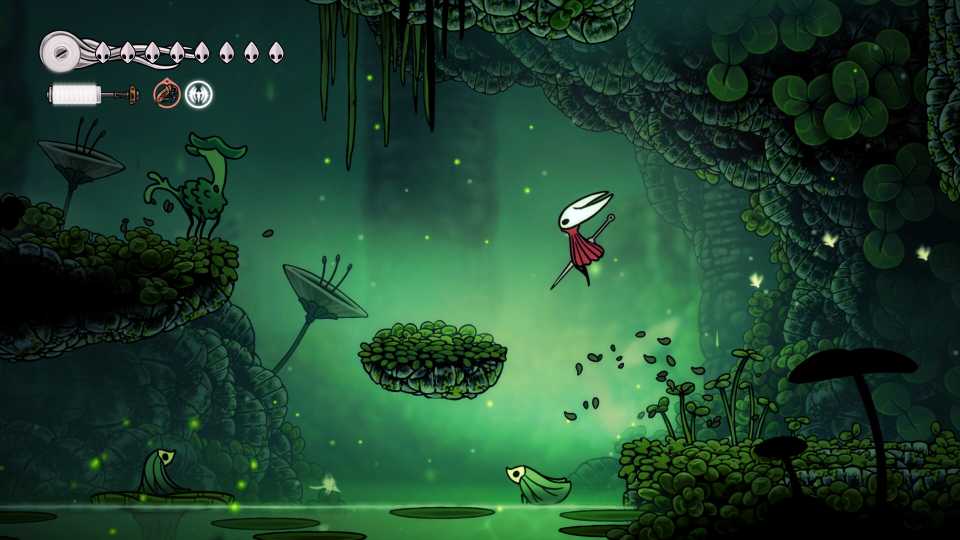
As the lethal hunter Hornet, adventure through a kingdom ruled by silk and song! Captured and taken to this unfamiliar world, prepare to battle mighty foes and solve ancient mysteries as you ascend on a deadly pilgrimage to the kingdom’s peak.
Hollow Knight: Silksong is the epic sequel to Hollow Knight, the award winning action-adventure. Journey to all-new lands, discover new powers, battle vast hordes of bugs and beasts and uncover secrets tied to your nature and your past.
- Prequel(s)
- Hollow Knight
- Franchise
- Hollow Knight
- Number of Players
- Single-player
- Steam Deck Compatibility
- Verified
- PC Release Date
- September 4, 2025
- Xbox Series X|S Release Date
- September 4, 2025
- PS5 Release Date
- September 4, 2025
- Nintendo Switch Release Date
- September 4, 2025
- Nintendo Switch 2 Release Date
- September 4, 2025
- Platform(s)
- PlayStation 5, PlayStation 4, Xbox Series X, Xbox Series S, Xbox One, Nintendo Switch 2, Nintendo Switch, PC
- OpenCritic Rating
- Mighty
- How Long To Beat
- 26 hours
- X|S Optimized
- Yes
- File Size Xbox Series
- 8.01 GB
- Wiki
