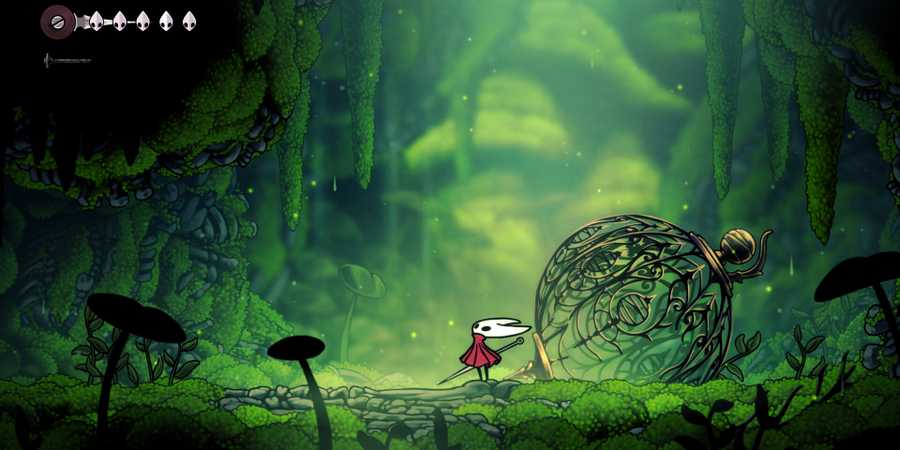
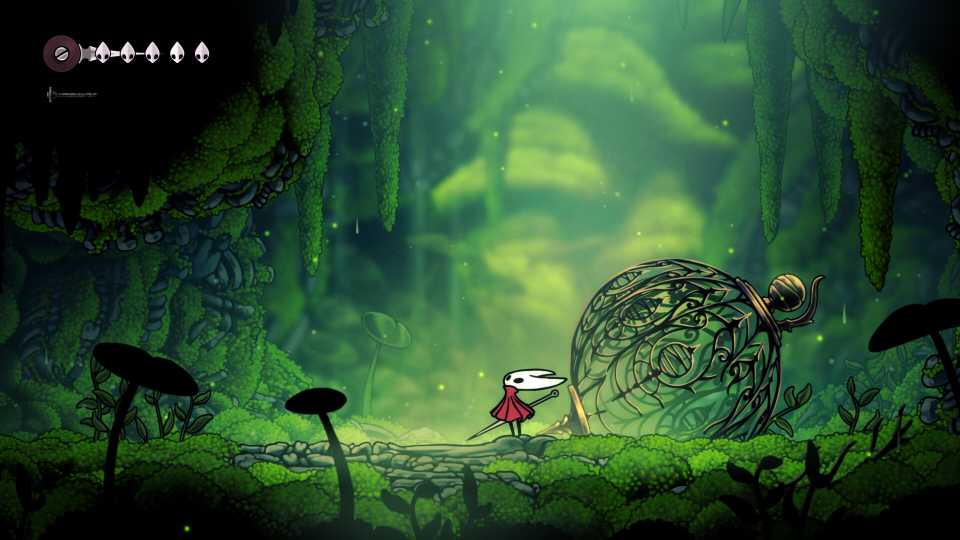
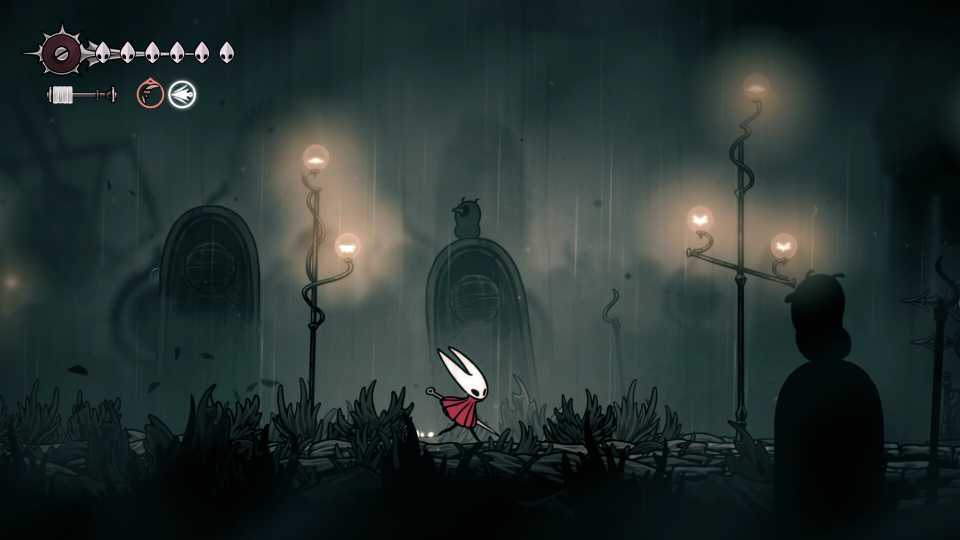
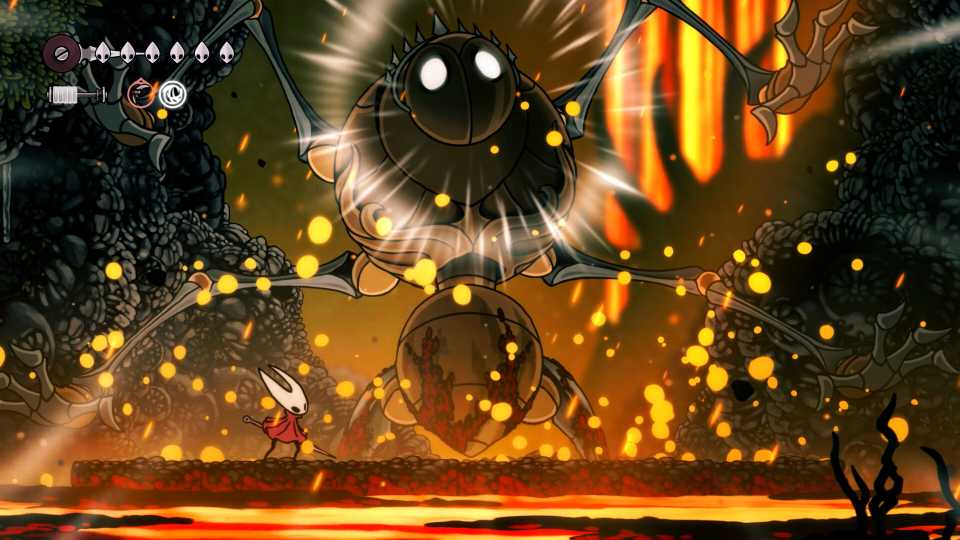
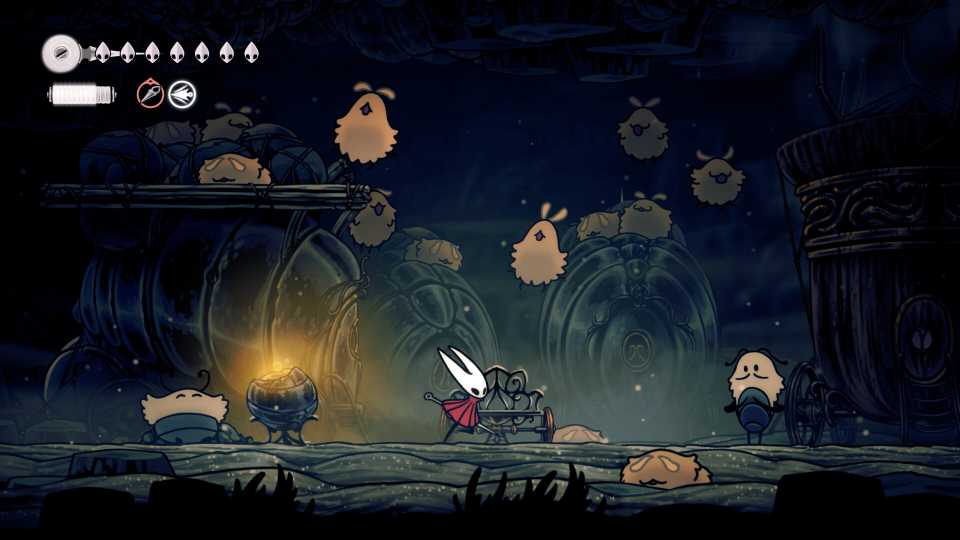
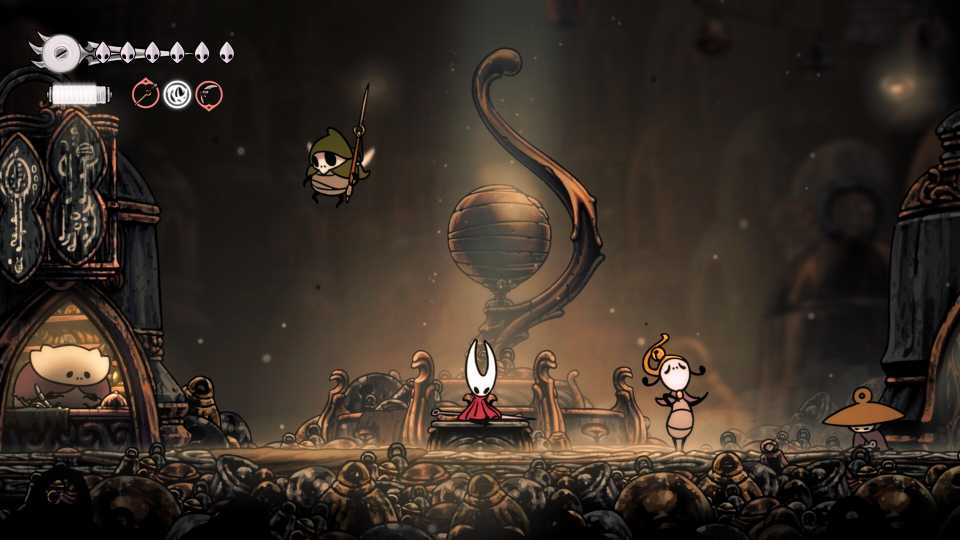
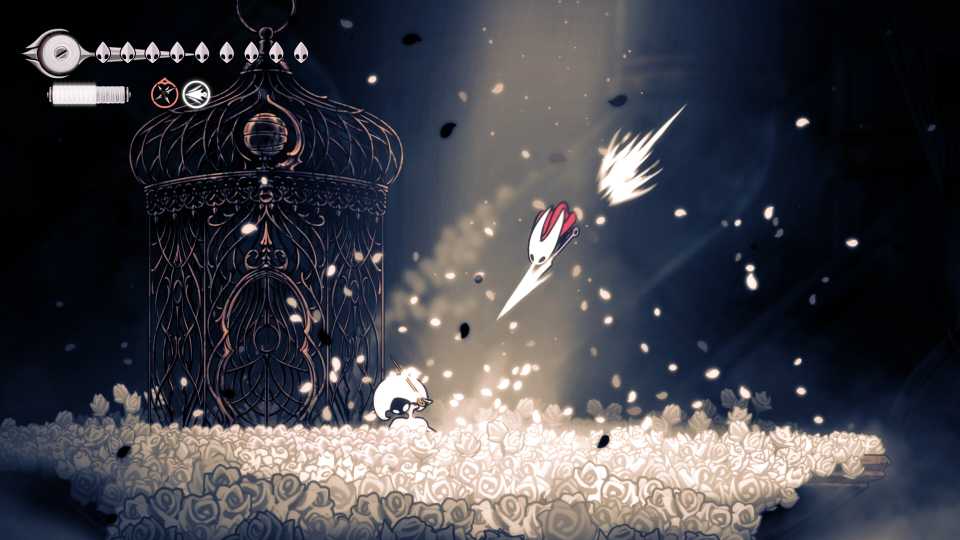
Regardless of genre, combat tends to be my favorite feature of most video games. Whether it's the gunplay of Halo, the turn-based action of Clair Obscur: Expedition 33, or the Freeflow of Batman: Arkham, combat is usually the thing that keeps me invested for the long haul. I can enjoy a mediocre game with excellent combat far more than I can a good game with awful combat. So, naturally, while everyone was getting excited about Hollow Knight: Silksong's new world, characters, lore, and biomes, I was focused on finally getting my hands on the sequel's combat.
I've always found Metroidvanias a little tricky to stick with. My brain can find the open nature of Metroidvania level design a little daunting, and if a Metroidvania title doesn't hook me with its mechanics and progression, I'm likely to drop off after a few hours. I won't have that issue with Hollow Knight: Silksong. My first Silksong playthrough has been far from perfect, but the game's combat is finally offering me the depth I was searching for back in 2017.
Hollow Knight Is Great, But Its Combat Isn't Quite My Tempo

2017's Hollow Knight is a great game. With its enemy designs and variety, its art direction, its subtle lore that rewards thorough exploration and personal interpretation, Hollow Knight had some overt strengths that have rightfully cemented it as one of the greatest Metroidvanias of all time. But I could never vibe with its combat.
To me, Hollow Knight's combat has always felt a little too floaty and simple, especially in the game's first few hours when players haven't unlocked any movement abilities. In these opening sections, an average fight in Hollow Knight consists of hitting the one attack button, moving out of the way of oncoming blows, and 'pogo-ing' off enemies with your air attack. It all feels solid and functions well enough, but the combat alone has just never hooked me in any of my Hollow Knight playthroughs over the years.

Hollow Knight: Silksong's Combat Is Much More My Speed

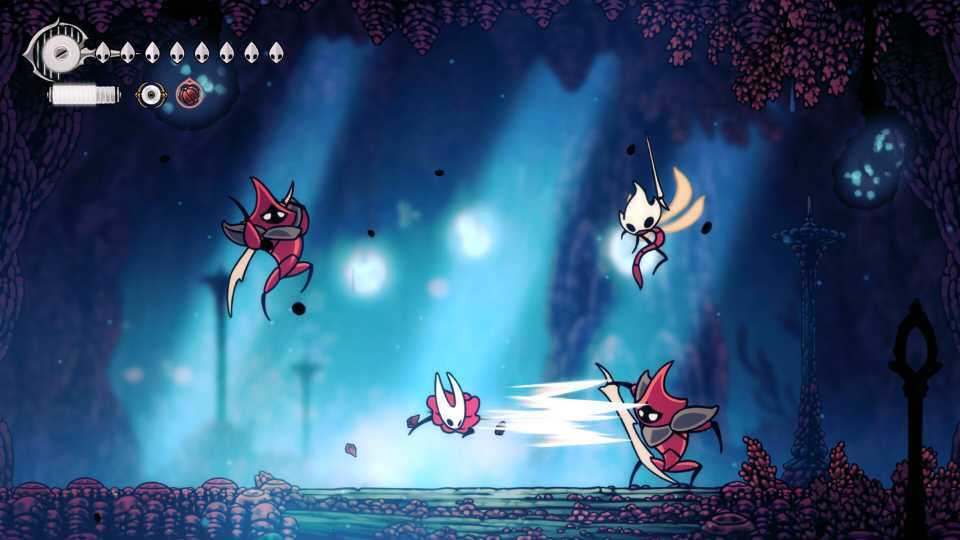
Thankfully, Hollow Knight: Silksong offers a much deeper suite of combat mechanics and systems, most of which are present from the outset. One of my favorite features of Hollow Knight: Silksong's combat is its tool system. At the start of the game, players will have a slot for a red, blue, and yellow tool. Red tools are usually weapons like throwing knives, yellow tools are often used for exploration, and blue tools offer passive abilities and buffs such as faster silk regeneration.

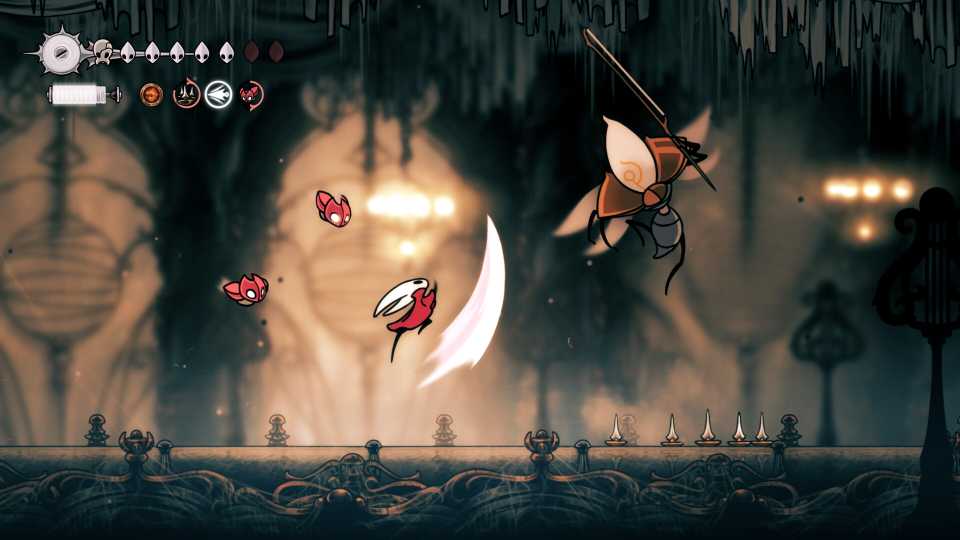
The vast assortment of tools you unlock during even just the first few hours of Hollow Knight: Silksong gives the game far more build diversity than was present in its 2017 predecessor. This notion of build diversity is further enhanced by Hollow Knight: Silksong's Crests, which offer different tool slot combinations and completely change Hornet's moveset. Along with fixing my gripes with Silksong's new diagonal air attack, these Crests add an important layer of choice that also wasn't there in the original game.

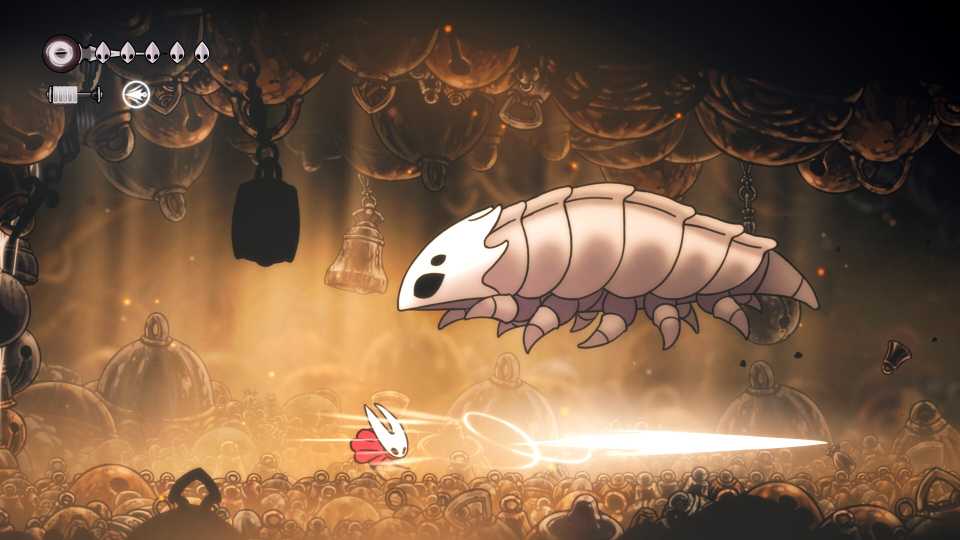
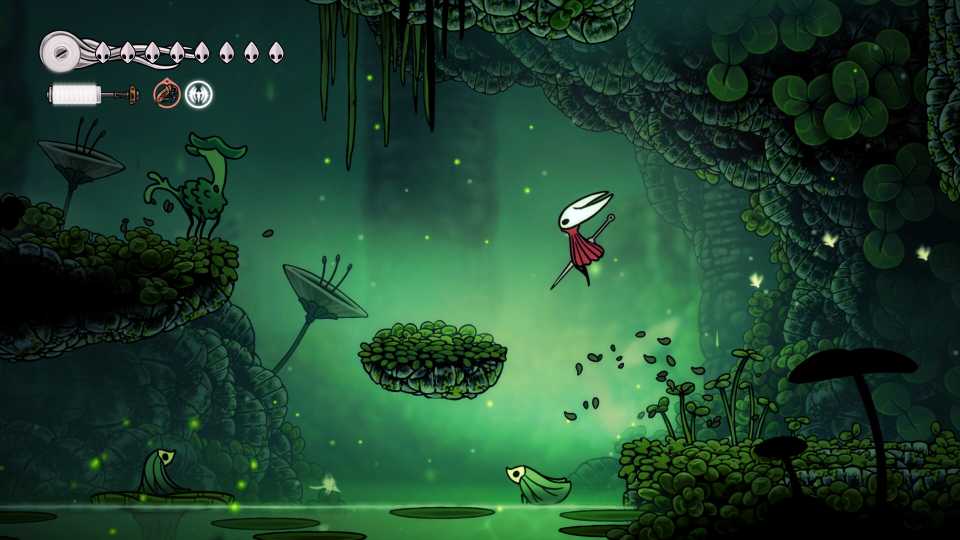
Within the first few hours of Hollow Knight: Silksong, players will also likely unlock at least two of the game's movement abilities: Swift Step and Drifter's Cloak. The former of these can be used to both sprint and dodge, while the latter lets players glide in the air for a few seconds. These abilities quickly become essential in combat, especially during boss fights where players will often need to close the gap quickly or wait in the air while the boss darts around below them.

Even Hollow Knight's parry has received an upgrade in Silksong. While it's still a bit too risky for me to use consistently, its seemingly larger window does encourage me to parry more during combat. All of these features combined ensure that Hollow Knight: Silksong's moment-to-moment gameplay stays riveting, even when I'm being pulverized repeatedly by the Savage Beast Fly's RNG army.




-
 OpenCritic Reviews
- Top Critic Avg: 91 /100 Critics Rec: 97%
- Released
- September 4, 2025
- ESRB
- Everyone 10+ / Fantasy Violence, Mild Blood
- Developer(s)
- Team Cherry
- Publisher(s)
- Team Cherry