


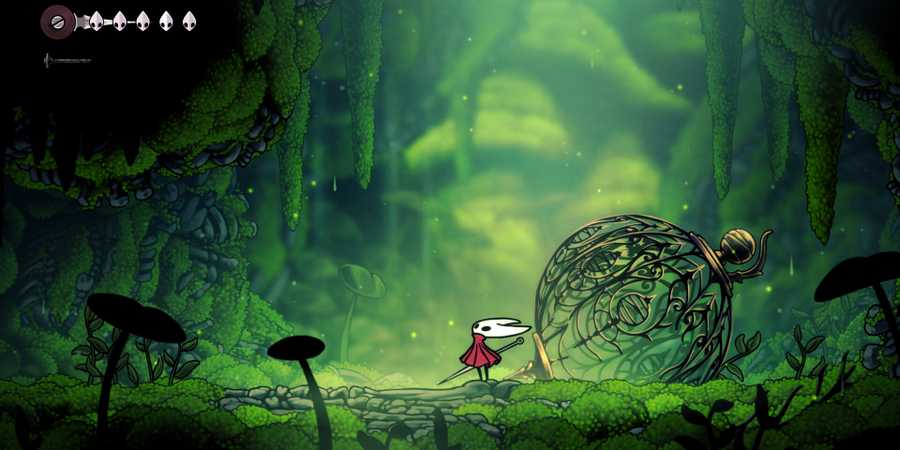
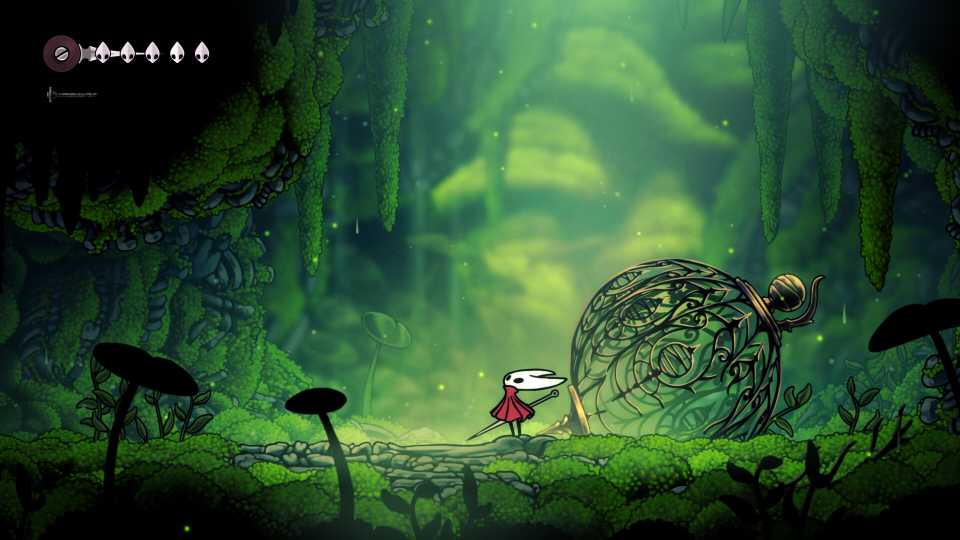
As Hollow Knight: Silksong nears the eve of its launch right around the corner, it’s fascinating to finally have insight into what’s merely a sliver of the sequel’s development after seven years. Hollow Knight itself is quite brilliant in its design—realistically, as long as players have a rough idea of where to go or how to optimally route their descent into Hallownest, the original game can be completed in roughly 10–12 hours. Rather, Hollow Knight’s DLCs and optional content are a substantive weight and bulk the game much further, extrapolating casual playtime to upwards of 60 hours, give or take however many grueling hours players spend on the Path of Pain, Colosseums, or Pantheons. Now, only god and Team Cherry know precisely how much content Hollow Knight: Silksong might boast.
After seven years and only a few enlightening tidbits revealed in Hollow Knight: Silksong’s release date trailer, even the sky doesn’t seem to be a limit as far as Team Cherry is concerned. Not too many details were shared about specifics or a timeline of events that spanned those seven years, yet Jason Schreier’s Hollow Knight: Silksong Bloomberg report did shed light on how its erroneously perceived ‘development hell’ was actually ‘development heaven’ for Team Cherry, and there’s a paramount distinction to be made for the video game industry as a whole across the entire spectrum of budgets from indie to AAA.
Redefining ‘Development Hell’ for a Modern Age

Little about the video game industry is black and white or cut and dry anymore. Fleeting trends and presumptions notwithstanding, it’s impossible to say whether a game will be suddenly canceled and its developer shuttered, as was the case with the Wonder Woman game and Monolith, respectively.
A lot of the shock and awe of such sad announcements can be determined by how public-facing and transparent a game’s developer and development are, with horrific and disappointing revelations softening the blow when or if more bad news arrives in the future. Somewhere down the line, though, the concept of ‘development hell’ became conflated with a game simply being in development for a long time.
Instead, ‘development hell’ is a term reserved for a development process that is enduring numerous problematic hurdles that could potentially delay or derail the game in question. Long development on its own, particularly when it is more or less encouraging and fruitful, would not constitute games in development hell.
Hollow Knight: Silksong Recontextualizes ‘Development Hell’ for the Betterment of the Industry

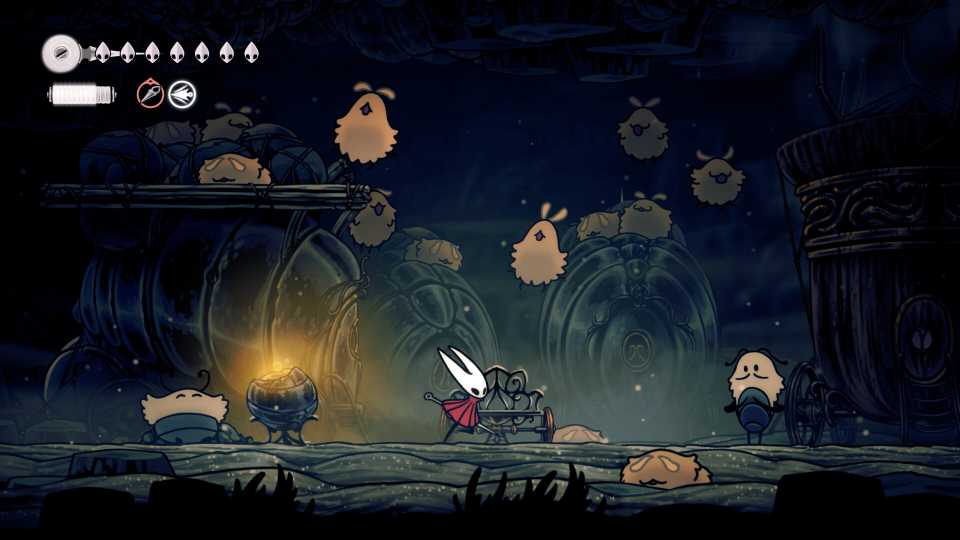
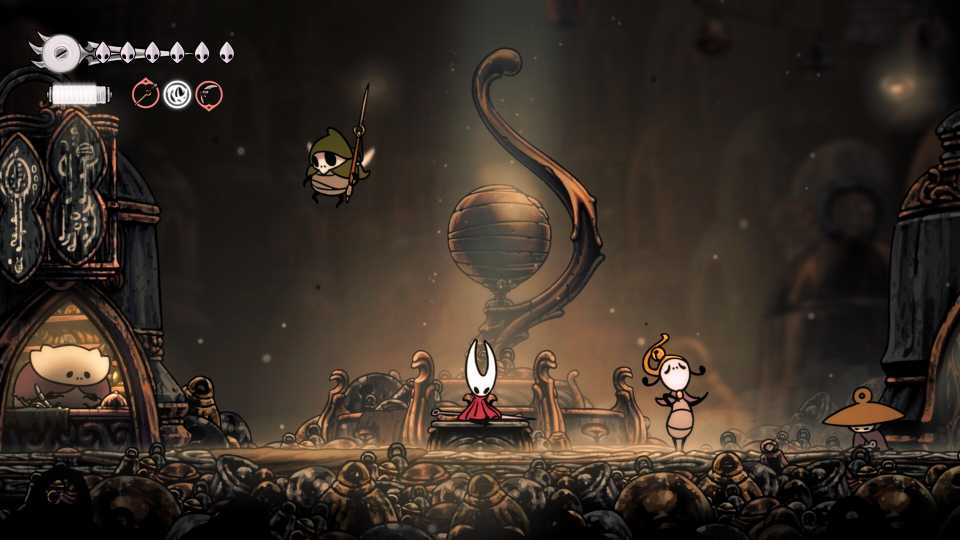
In Hollow Knight: Silksong’s case, Team Cherry was thoroughly enjoying the development process and perpetually found new, exciting content to add, admitting that it could’ve taken years longer to finish if the studio hadn’t put a fork in the base game when it did. Plus, with a seemingly rich vein of Pale Ore to mine, Team Cherry is probably sitting on enough content to conjure several DLCs and potentially even a third Hollow Knight game.
To be fair, it’s likely far too early to speculate on the possibility of a third installment, especially when the sequel has taken the better half of a decade to launch, but the wait for it would be well worth it if it was reinforced by the same inspiring zeal.
Therefore, long development cycles, no matter how silent they are and despite how long they persist, may well be incredibly prosperous and creatively fulfilling. This is as true of indie games as it is with AA or AAA games nowadays and, beyond what budget constraints might entail for one developer versus another, many lines are blurred when it comes to initially presuming where a game and its studio land. Myriad games may be pedestaled as monuments in the indie or AA realm, for instance, but perhaps the most celebrated and revered of them all include:
- Undertale
- Stardew Valley
- Celeste
- Hollow Knight
- Slay the Spire
- Vampire Survivors
- Clair Obscur: Expedition 33

Like Delays, Long Development is a Reality Gamers Must Accept and Embrace
It shouldn’t be news to anyone that a high budget doesn’t beget a high-quality game, nor does a low budget beget a low-quality game. Moreover, it’s not alarming that games can be wildly popular successes regardless of their budget, with the scope of budgets or studios in general being largely difficult to discern based solely on a game’s quality.
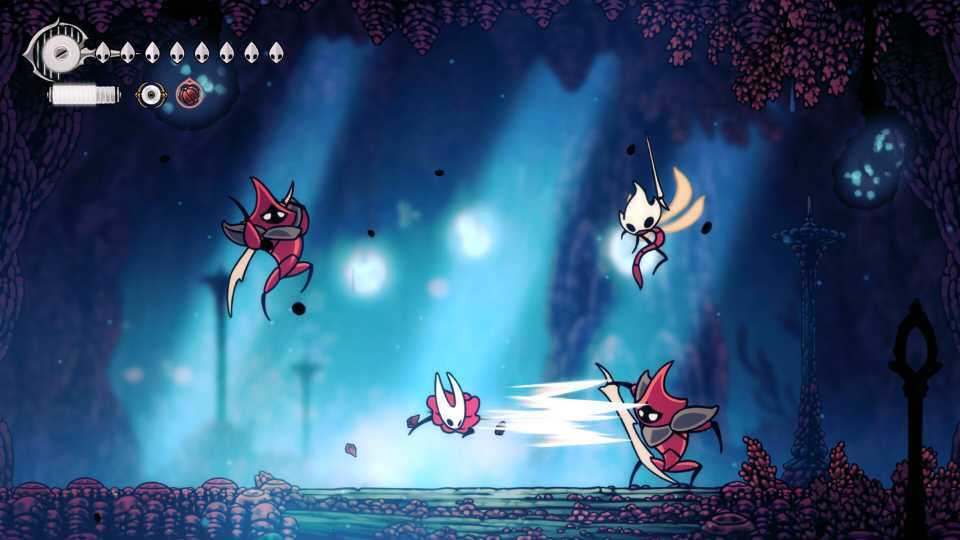
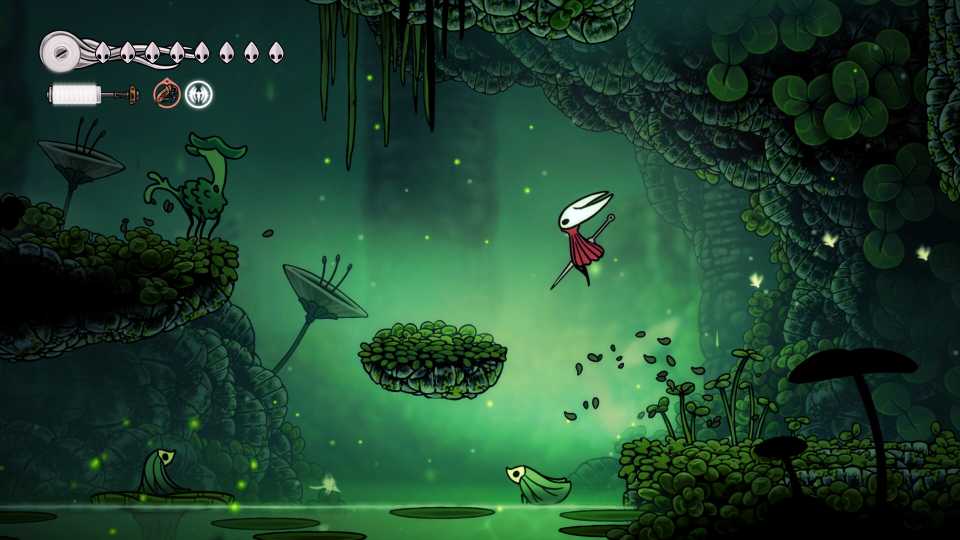
This can often boil down to remarkable polish or a distinguished art style (such as Hollow Knight’s whimsical bug aesthetic), as well as a unique core premise (such as Clair Obscur: Expedition 33’s story). Either way, no two developers may operate similarly, especially as studios adapt to modern development processes or find their rhythm between games, devising work ethics and patternable approaches that facilitate a well-oiled machine. Ideally and hopefully, this is achieved with a ton of creative freedom and all the time they’d need to ensure the product is as complete and polished as possible at launch.
For example, it could feasibly take Eric “ConcernedApe” Barone five or more years to release Haunted Chocolatier, yet Hollow Knight: Silksong’s development anecdote helps illustrate how any attempt to dissect or predict a release window would be folly. And, unless Barone confesses to detrimental hardships or obstacles in developing it, it shouldn’t be inherently assumed that Haunted Chocolatier is in development hell, either.

On the contrary, Star Wars: Knights of the Old Republic’s development hell is undoubtedly potent and tragic, with misfortune reportedly ensuing left and right.
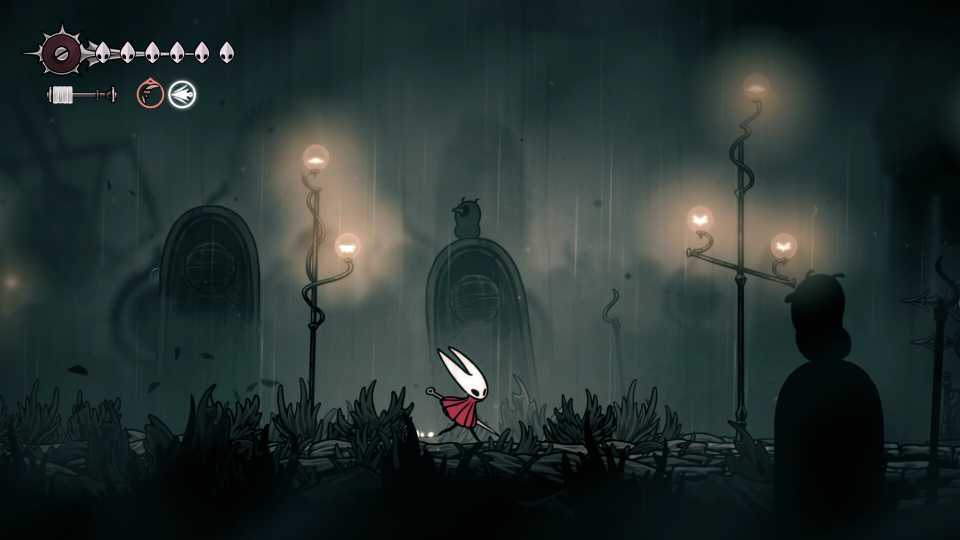
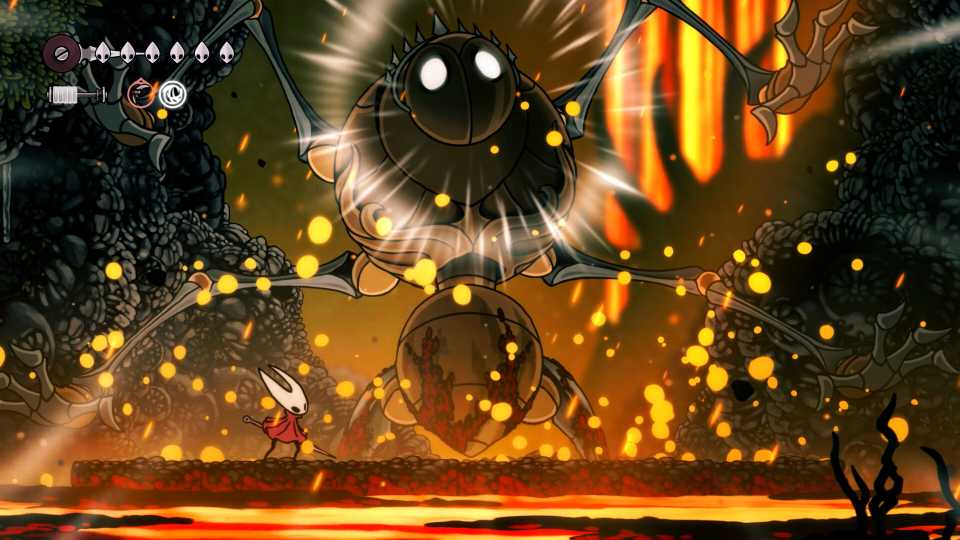
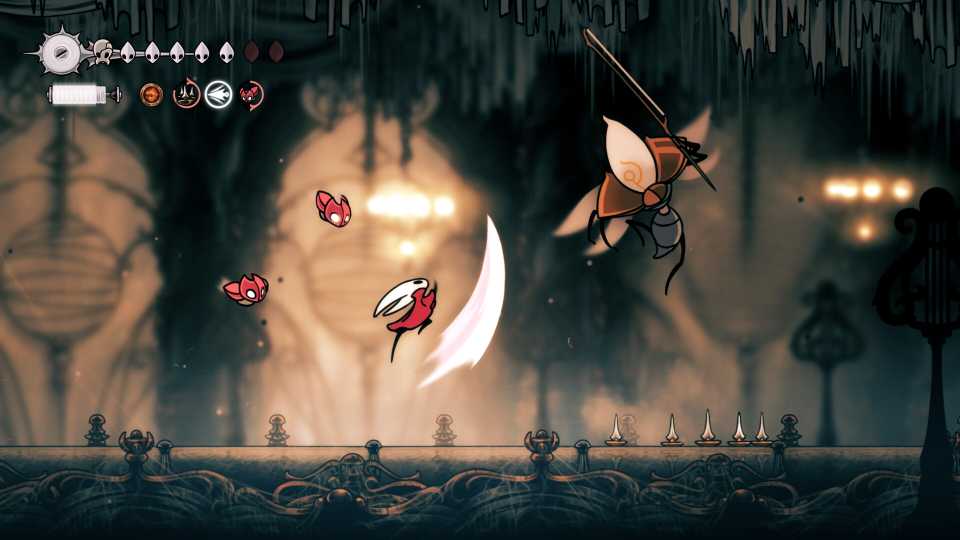
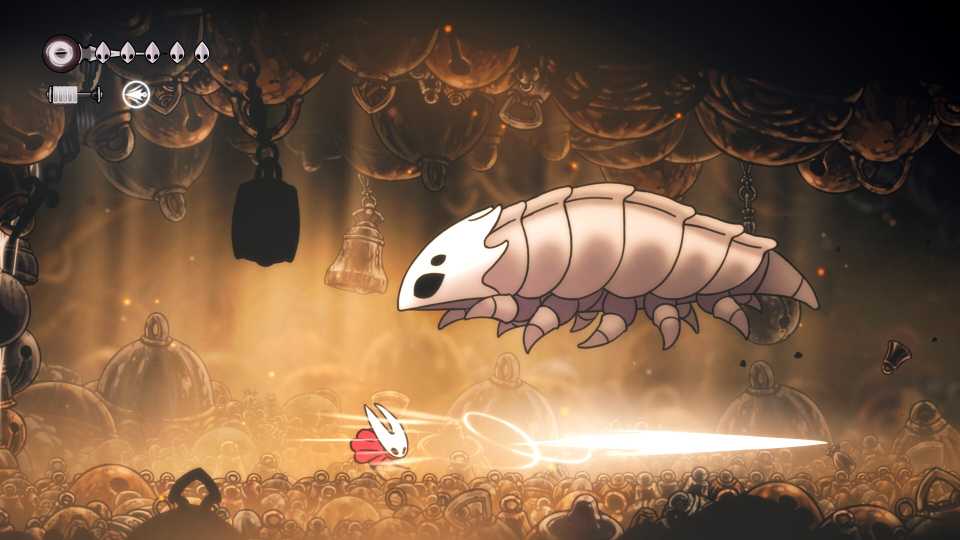
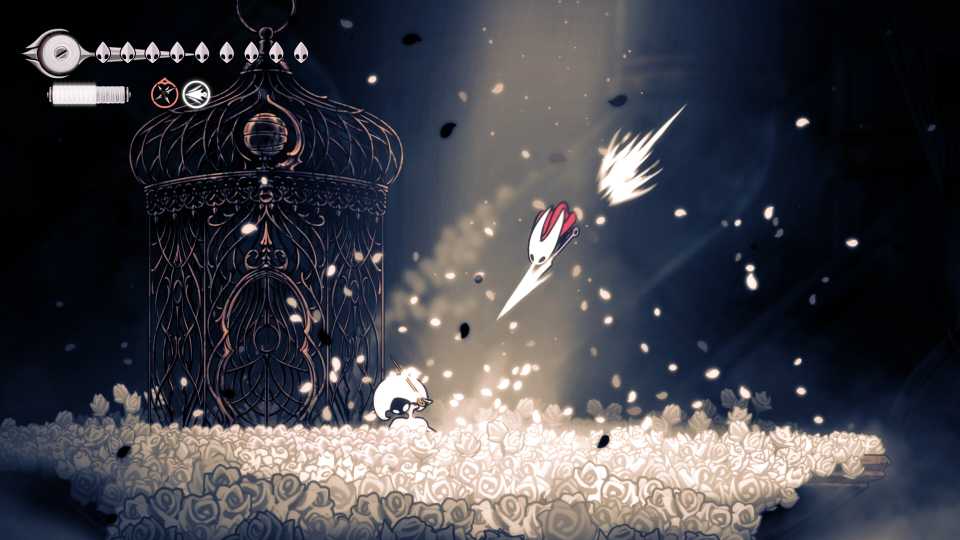
Hollow Knight: Silksong took seven years to make, and in all that time Team Cherry lovingly and happily handcrafted what is undeniably one of the most highly anticipated indie games of all time. If nothing else, Hollow Knight: Silksong’s long development will hopefully prove that a game taking a considerable amount of time to make does not necessarily mean it’s confined to purgatory or one of the nine circles of development hell, which is quite real yet highly contextual.





-
 OpenCritic Reviews
- Top Critic Avg: 91 /100 Critics Rec: 97%
- Released
- September 4, 2025
- ESRB
- Everyone 10+ / Fantasy Violence, Mild Blood
- Developer(s)
- Team Cherry
- Publisher(s)
- Team Cherry



WHERE TO PLAY






- Engine
- Unity
- Franchise
- Hollow Knight
- Number of Players
- Single-player
- Steam Deck Compatibility
- Verified
- PC Release Date
- September 4, 2025
- Xbox Series X|S Release Date
- September 4, 2025
- PS5 Release Date
- September 4, 2025
- Nintendo Switch Release Date
- September 4, 2025
- Nintendo Switch 2 Release Date
- September 4, 2025
- Platform(s)
- PlayStation 5, PlayStation 4, Xbox Series X, Xbox Series S, Xbox One, Nintendo Switch 2, Nintendo Switch, PC
- Wiki
