


The following contains mild spoilers for Hollow Knight: Silksong.
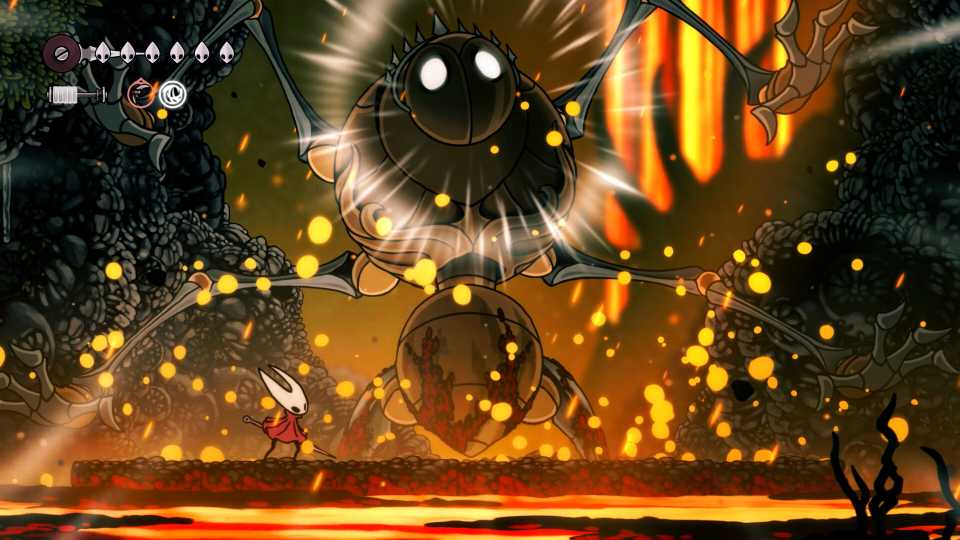
Hollow Knight being one of my favorite games of all time, I knew it wouldn’t take much for me to fall in love with its sequel, Hollow Knight: Silksong. That said, roughly 10 hours in, I’ve already found myself enjoying the pacing, movement, and lore more in Hollow Knight: Silksong, especially with a larger emphasis on narrative and character interaction this time around via Hornet actually being able to participate in conversations and wonderful ‘wish’ quests that make backtracking through previously explored biomes a treat.

Ironically, despite Hollow Knight being one of my favorite games, I also think it’s one of the hardest games I’ve ever rolled credits on. To be fair, in defense of it, all of Hollow Knight’s hardest content is optional. Still, I’ve never been a master platformer. Indeed, Hollow Knight’s ‘pogoing’—the mechanic of striking downward with the Knight’s nail to bounce off of enemies or environmental spikes—is the bane of my existence. Fortunately, the pogoing in Hollow Knight: Silksong is quite different from that of its predecessor, and it’s this deliberate change of pace that I find far more appealing.
Hollow Knight’s Pogoing is Not for the Faint of Heart

It’s fully possible that I simply haven’t reached a platforming area that’s been nightmarish yet, but nothing so far in Hollow Knight: Silksong has filled me with as much dread as literally any pogoing sequence in Hollow Knight’s platforming that involves thorny or metal-spiked surfaces. It’s the fact that, unless you are calm, cool, and collected, it feels like you need the hands of a surgeon to properly input a consecutive string of downward strikes, which is maybe more challenging while using a controller’s left analog stick.
I won’t make any excuses for myself, though; I know these are instances of ‘getting good’ and that my skill isn’t at that level to be completely comfortable or confident in my inputs.
Either way, I admire players who can gracefully and effortlessly pogo through Hollow Knight’s White Palace, yet I believe the experience that pogoing facilitates is one of frantic, spontaneous decision-making nonetheless. Rather, Hollow Knight: Silksong’s traversal is fairly different, while maintaining the same essence of map navigation and platforming in its bones.
Hollow Knight: Silksong Requires Finesse, But It’s Digestible

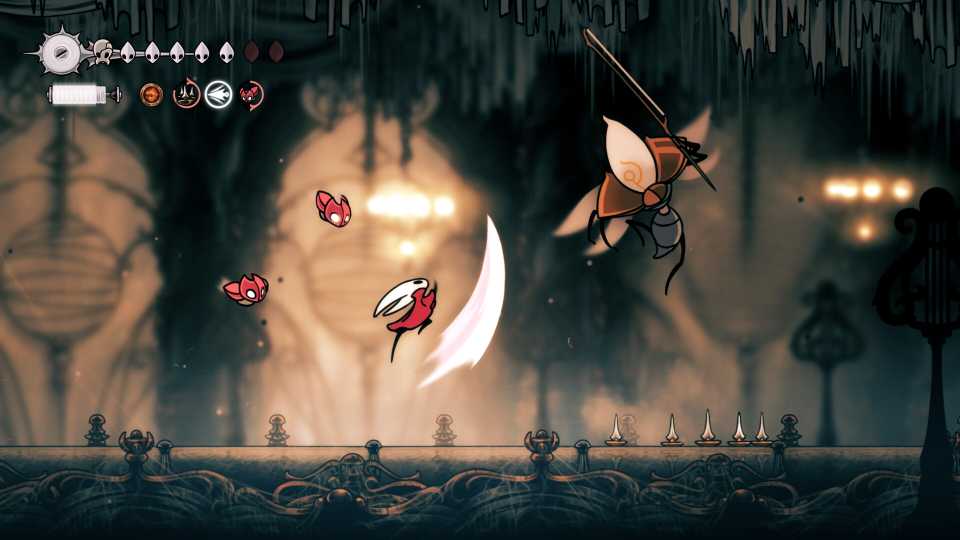
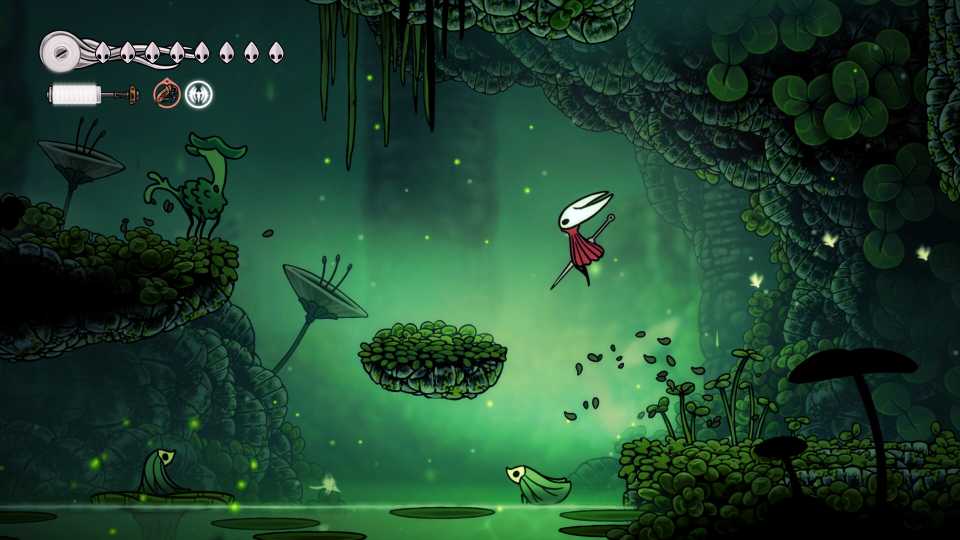
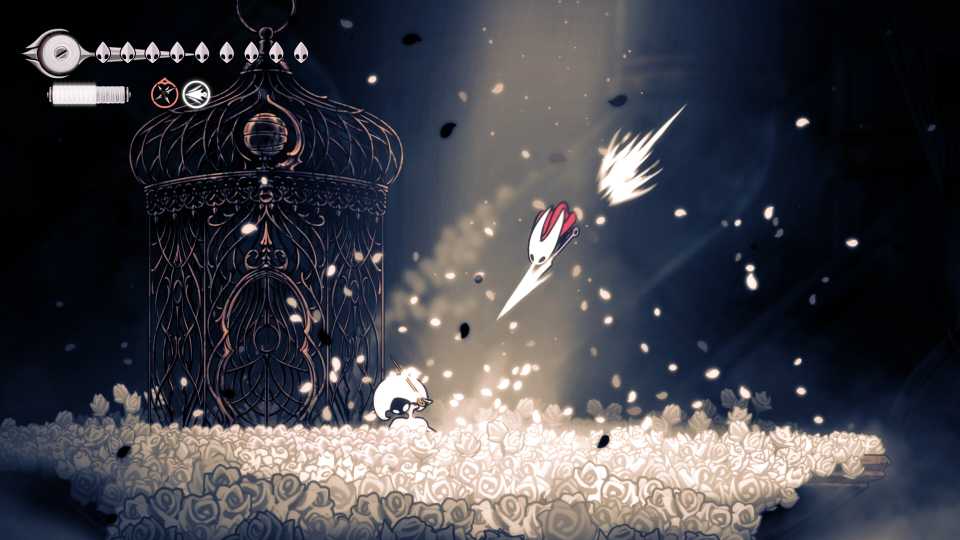
By default, Hornet wields her needle and pogos with slower, downward-diagonal strikes in Hollow Knight: Silksong, and this alone significantly affects how players ascend and descend Pharloom in the game’s early hours. It’s hardly an easy feat and retains the same fundamental aspect of challenge from the original game, but Hollow Knight: Silksong’s pogoing doesn’t have you swiping incessantly beneath you as you precariously maneuver a bed of spikes.
The pogoing in Hollow Knight: Silksong is quite different from that of its predecessor, and it’s this deliberate change of pace that I find far more appealing.
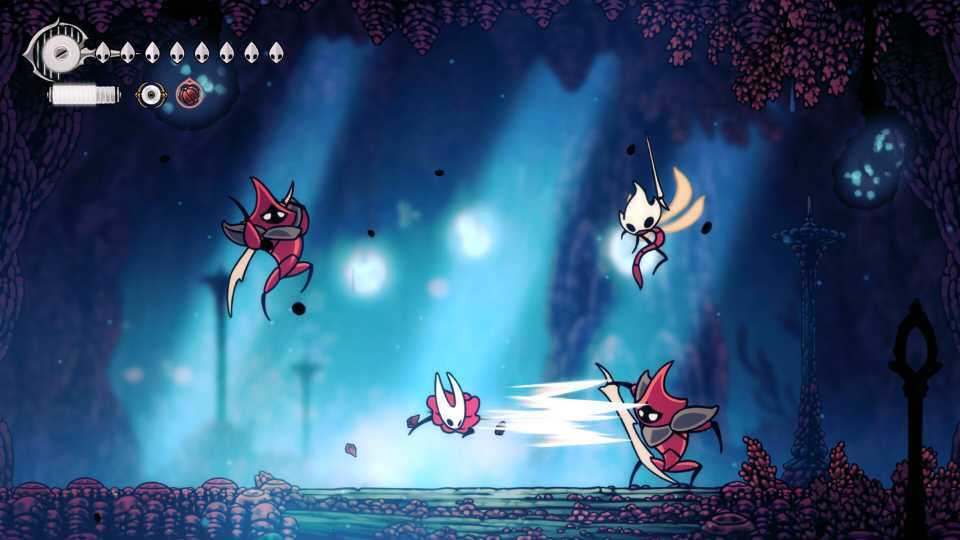
Pogoing in Hollow Knight: Silksong is more akin to launch pad platforming, where players are flung back into the air once they’ve struck the environmental object suspended midair, ready to then pogo in the direction of the subsequent one. This is profoundly effective in combat, too, where players will reflect off of an enemy and launch themselves into the air, prepared to reposition or land their next pogo strike, whereas Hollow Knight’s combat was incredibly stiff in comparison.

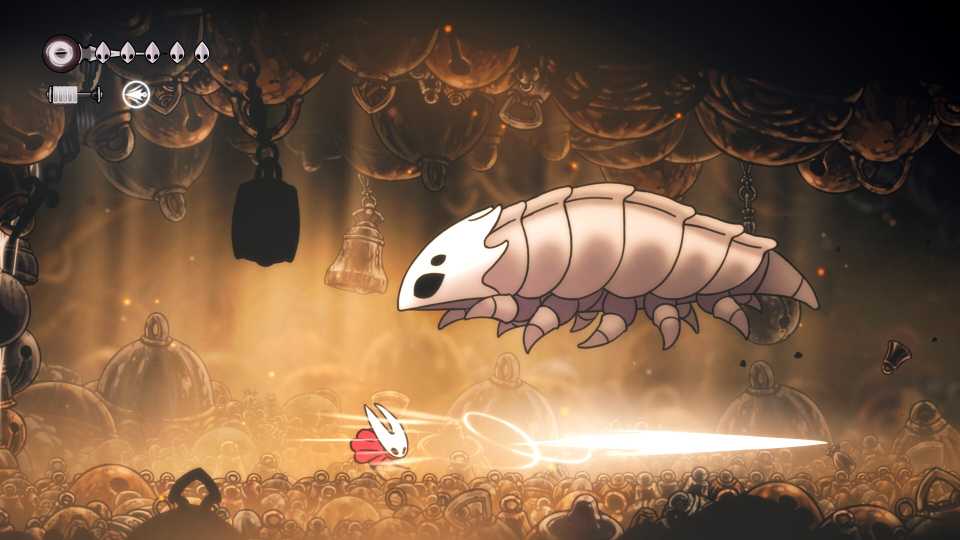
I can see some players preferring Hollow Knight’s movement and pogoing if they enjoy the strict, responsive control they have over the Knight, versus how floaty and mechanically diverse Hollow Knight: Silksong’s Hornet is. Not to mention how dynamic players’ movesets become when Hornet eventually receives a combined sprint/dash mechanic, the fabled Weaver talent Swift Step, and can land a sprinting stab attack that propels her into the air.
Do not fret if you dislike the new pogo, for pogos can be altered by swapping which Crest is active; for example, the default Hunter Crest is the one with the downward-diagonal strike, while you are actually able to acquire a quick downward strike that emulates the original game’s pogo via the Wanderer Crest, though you will still be flung into the air when the strike lands.
Had Team Cherry replicated the original game’s platforming and pogoing identically, I don’t know if I’d be able to say that Hollow Knight: Silksong has won me over yet. Because it is different, and in so many ways feels forgiving and thoughtful, I’m leaning toward saying that the sequel has the original beat. Of course, I’ll reserve any absolute judgments until I’ve hit credits, and we’ll see by then if I meet a platforming sequence that makes me rescind my adoration for the sequel’s pogo changes.





-
 OpenCritic Reviews
- Top Critic Avg: 91 /100 Critics Rec: 97%
- Released
- September 4, 2025
- ESRB
- Everyone 10+ / Fantasy Violence, Mild Blood
- Developer(s)
- Team Cherry
- Publisher(s)
- Team Cherry



WHERE TO PLAY






- Engine
- Unity
- Franchise
- Hollow Knight
- Number of Players
- Single-player
- Steam Deck Compatibility
- Verified
- PC Release Date
- September 4, 2025
- Xbox Series X|S Release Date
- September 4, 2025
- PS5 Release Date
- September 4, 2025
- Nintendo Switch Release Date
- September 4, 2025
- Nintendo Switch 2 Release Date
- September 4, 2025
- Platform(s)
- PlayStation 5, PlayStation 4, Xbox Series X, Xbox Series S, Xbox One, Nintendo Switch 2, Nintendo Switch, PC
- Wiki
