


My favorite part of a bustling fanbase and community beginning a brand-new, nonlinear game—particularly a Metroidvania or Soulslike game—is witnessing what some players have found versus what I had seen by that point, as well as what I may have missed that they managed to discover somehow. Because Hollow Knight: Silksong is so different from its predecessor in key ways, such as boasting a far larger map with more base game content, it’s fascinating how some players’ handful of hours might be spent in the opposite direction from someone else, much less battling another incredibly challenging boss or gank gauntlet.

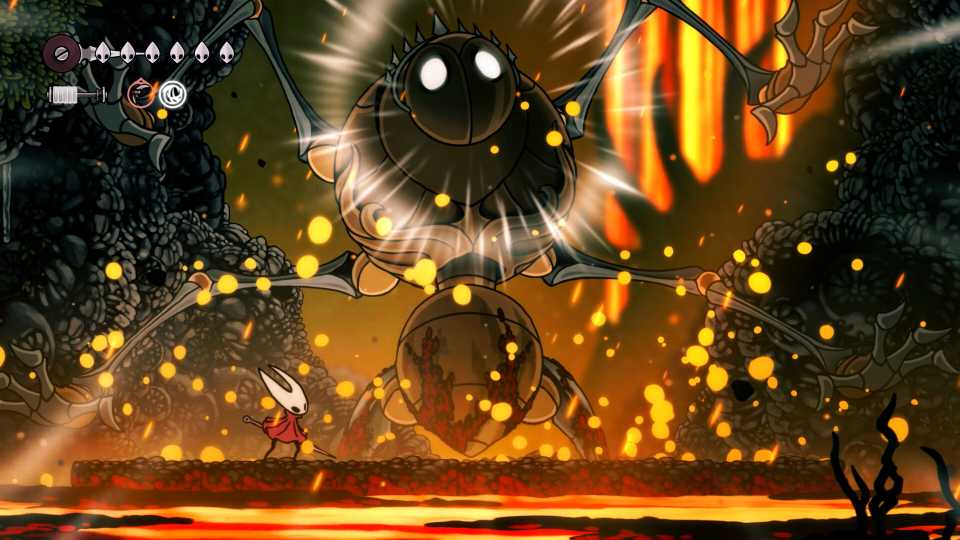
Rather, it does seem as if there are already facets of Hollow Knight: Silksong that are widely agreed upon. There seems to be few players who loudly enjoy being hit for two masks of damage by most antagonistic sources, for example, while many players appear to be lamenting about the same wearisome platforming sequences or tedious boss fights, including the Hunter’s March and Savage Beastfly. If there is one consensus that has struck a remarkably resonant chord with me, though, it’s how fleeting the game’s rosary bead economy is and how grossly indebted I feel at every waking moment in Pharloom.
My Patience for Hollow Knight: Silksong is Dangling by a Rosary Bead String

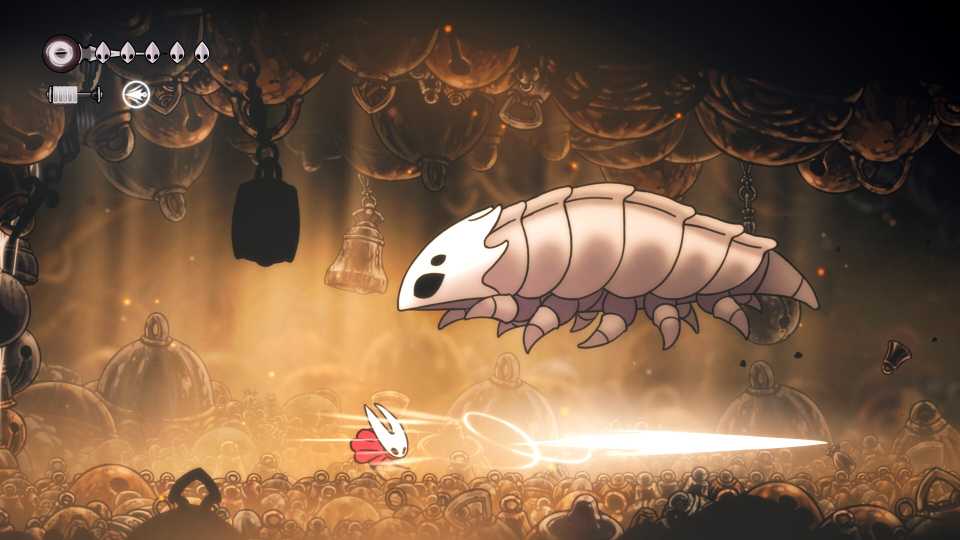
Of course, any opinions on rosary beads I have should be prefaced with me stating I’m fully aware that I could simply locate a half-decent farming section—the stretch of Hollow Knight: Silksong’s Choral Chambers between the Cogwork Dancers and Songclave featuring a few Grand Reeds would do nicely, for instance. But, without the patience to do so, either in Hollow Knight: Silksong or any game, for that matter, I’m confronted with the harsh reality that not many rosaries are accumulated leisurely.
Hollow Knight: Silksong’s bosses don’t drop any rosaries for players to loot, and enemies that do drop rosaries hardly drop a sparing amount.
I’ve come across rosary beads in the environment, whether they were held on strings I had to cut or in sparse chests, yet they are far and few between or require you to traverse for quite a while to retrieve them as a reward, assuming you aren’t disappointingly met with a Shard Bundle when you don’t make a priority of tools or a Memory Locket that becomes superfluous once you’ve expanded all Crest slots for the Crest you prefer. Either way, especially during Hollow Knight: Silksong’s early-game hours, rosaries are absurdly difficult to earn and hang onto when so much of the sequel demands that you are either inadvertently jeopardizing or deliberately spending them.

Interestingly, you can turn forfeitable rosaries into rosary strings, an inventory item that can’t be lost on death, thus preserving your hard-earned beads. But be warned: strings containing 60 rosaries cost 80 rosaries, which is too punitive a taxation for me to willingly indulge, personally.
Death isn’t the Only Way You’ll Go Broke in Hollow Knight: Silksong
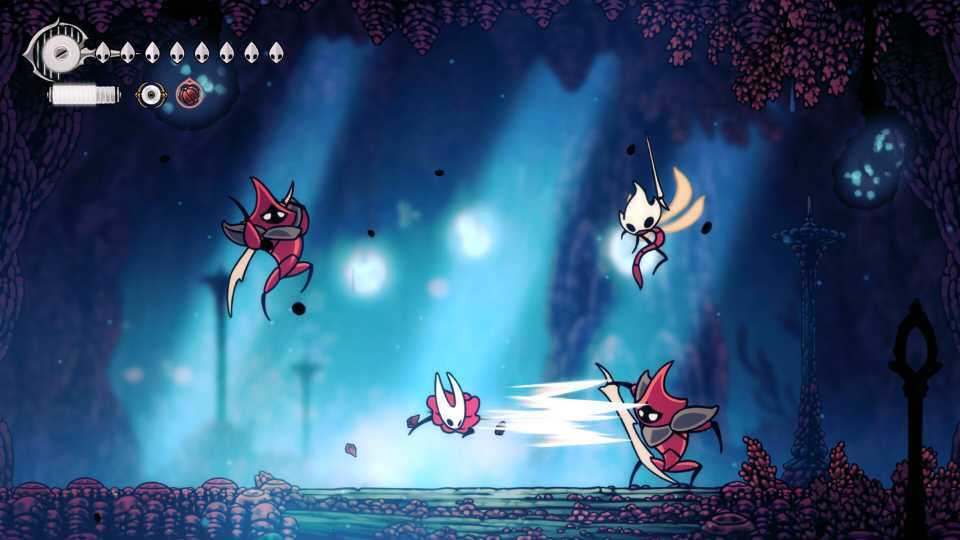
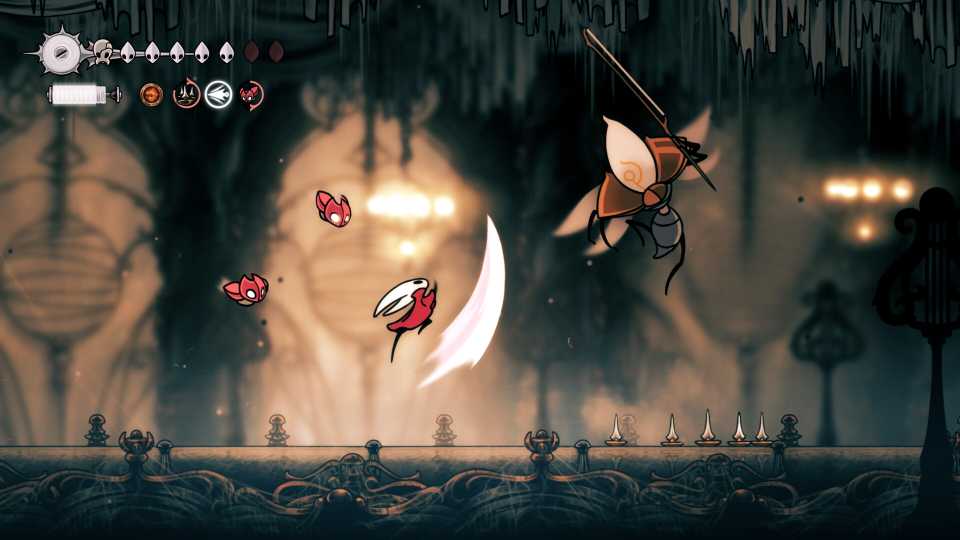
For anyone prone to being baited and trolled by miscreant flying enemies like Driznits, Reeds, Skarrwings, Squatcraws, or Winged Pilgrim Bellbearers, death will probably become a close acquaintance. Thankfully, so long as players don’t mind repeated trips back to the treacherous Sinner’s Road, there is an NPC who produces Silkeaters, which can be consumed to “retrieve a cocoon after falling in battle.”

So far, I’ve been hoarding these in the event that I have 500 or more rosaries and can’t afford to run back to break a cocoon wherever I may have been killed, and I sadly see myself gorging on Silkeaters sooner rather than later if my luck continues to be as horrible as it’s been between Bellways and Ventricas and not knowing where to go to progress—this is what I get for actively avoiding The Best War Games’s Hollow Knight: Silksong guides in hopes of an earnest, ‘blind’ playthrough.
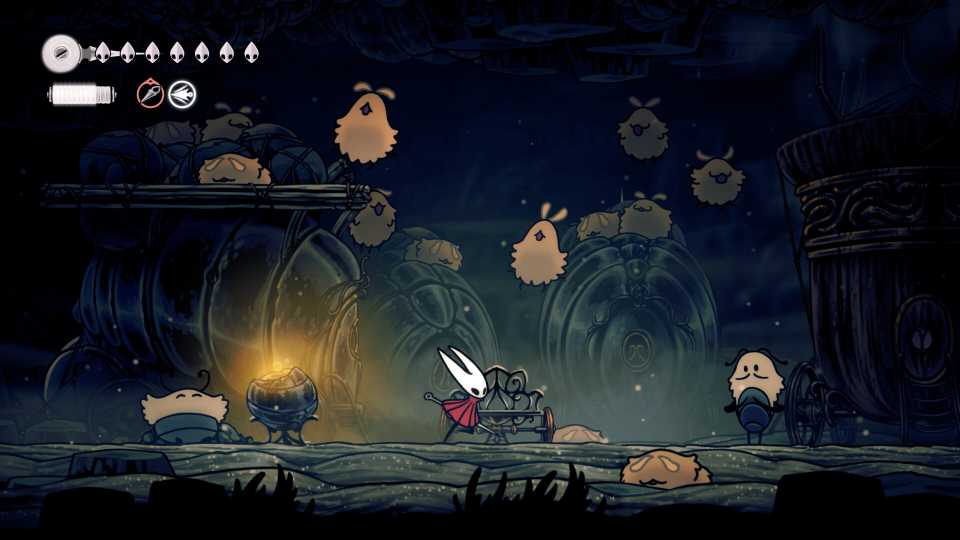
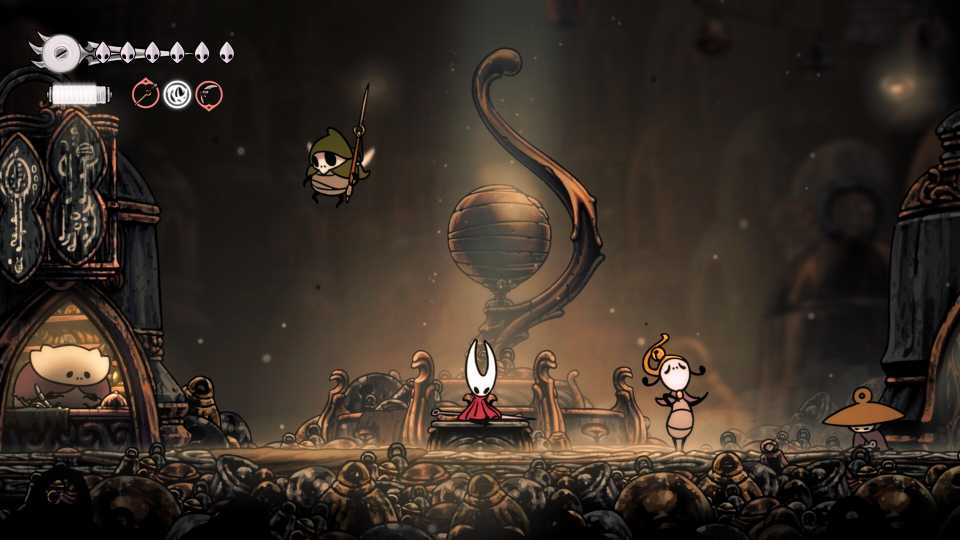
That said, even if you are adept at Hollow Knight: Silksong’s combat and platforming, you’ll surely find yourself as broke as I constantly am in-game if you’re choosing to purchase anything from a vendor or making a generous donation of rosaries at a wishwall. Nearly every item you can buy from NPCs in Hollow Knight: Silksong is egregiously expensive, with two of the game’s ridiculously rare simple keys costing 500 rosaries in Bone Bottom and 650 rosaries in Songclave.

That’s before considering the exorbitant number of rosaries you’ll be investing if you’re interested in experimenting with various tools, too, and please, don’t get me started on Hollow Knight: Silksong’s Underworks, a nightmarish region that I had the misery of entering when I didn’t have a single bead to my name (thanks to Blasted Steps and whatever else I felt obligated to purchase beforehand) and couldn’t afford a bench costing a mere 15 rosaries.
Money Lost on Death is Fine for a Soulslike, But Antithetical to a Metroidvania

I haven’t reached Hollow Knight: Silksong’s Act 3 endgame yet, so I may eventually be surprised to learn that there’s a way to earn rosaries much quicker. Still, I’d argue that Hollow Knight: Silksong having you lose your Silk and rosaries on death and embracing the same Soulslike inspirations—however loose or debatable they may be—that the first game has is a fairly misguided sentiment. For example, The Game Kitchen’s Blasphemous games are plentifully formidable difficulty-wise on their own without also having players lose money that may have taken an hour and several tough biomes to acquire.
If there is one consensus that has struck a remarkably resonant chord with me, though, it’s how fleeting the game’s rosary bead economy is and how grossly indebted I feel at every waking moment in Pharloom.
If anything, this discourages me from exploring a lot or wholly enjoying Hollow Knight: Silksong’s exploration unless I have no rosaries to lose, and in a Metroidvania, specifically, that’s deeply upsetting. Therefore, the loop I seem eternally stuck in is amassing about 200 rosaries with ambitions to buy something special from, say, Bellhart, before seeing that currency drained from me as I run into vital Bellways and benches, let alone whatever else of great importance that I risk needing to backtrack to otherwise.





-
 OpenCritic Reviews
- Top Critic Avg: 91 /100 Critics Rec: 97%
- Released
- September 4, 2025
- ESRB
- Everyone 10+ / Fantasy Violence, Mild Blood
- Developer(s)
- Team Cherry
- Publisher(s)
- Team Cherry



WHERE TO PLAY






- Engine
- Unity
- Franchise
- Hollow Knight
- Number of Players
- Single-player
- Steam Deck Compatibility
- Verified
- PC Release Date
- September 4, 2025
- Xbox Series X|S Release Date
- September 4, 2025
- PS5 Release Date
- September 4, 2025
- Nintendo Switch Release Date
- September 4, 2025
- Nintendo Switch 2 Release Date
- September 4, 2025
- Platform(s)
- PlayStation 5, PlayStation 4, Xbox Series X, Xbox Series S, Xbox One, Nintendo Switch 2, Nintendo Switch, PC
- Wiki
