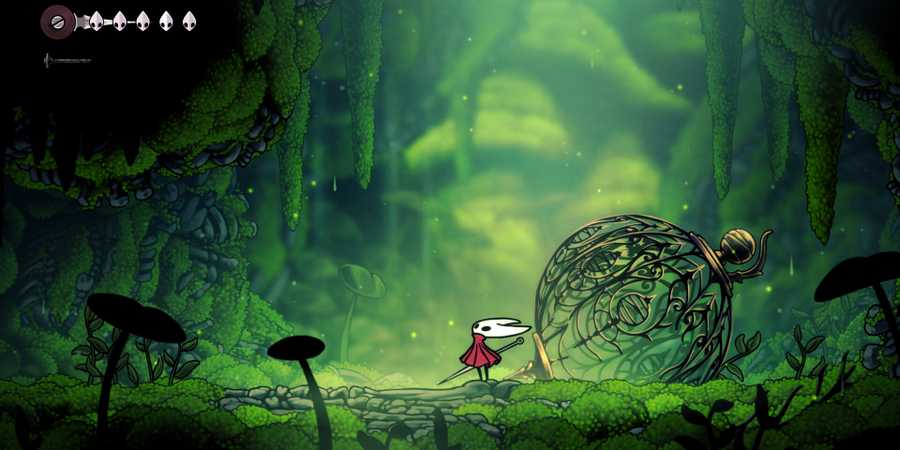
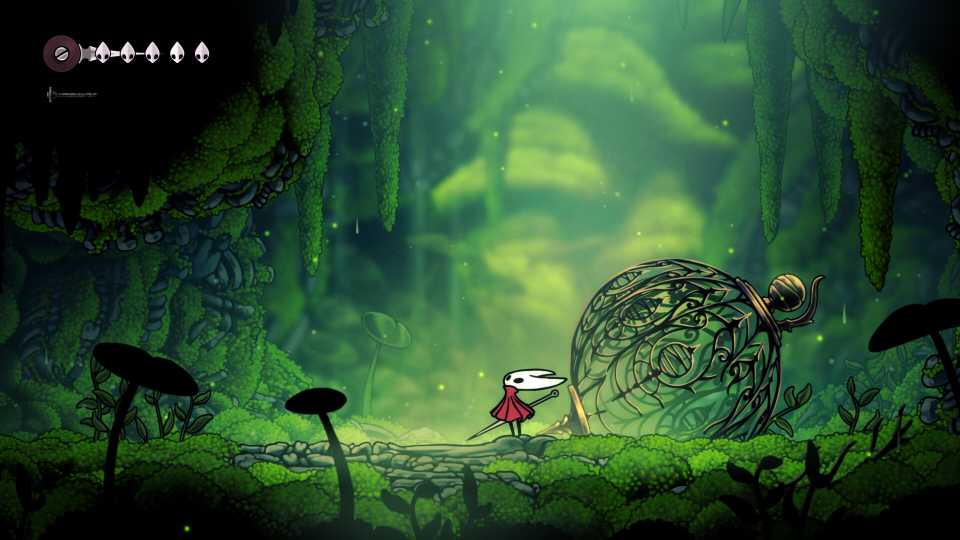
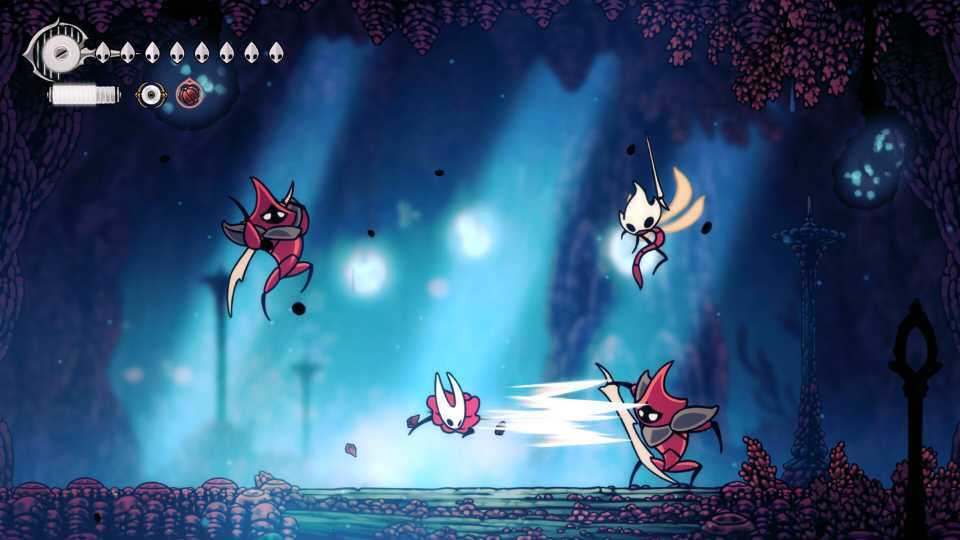
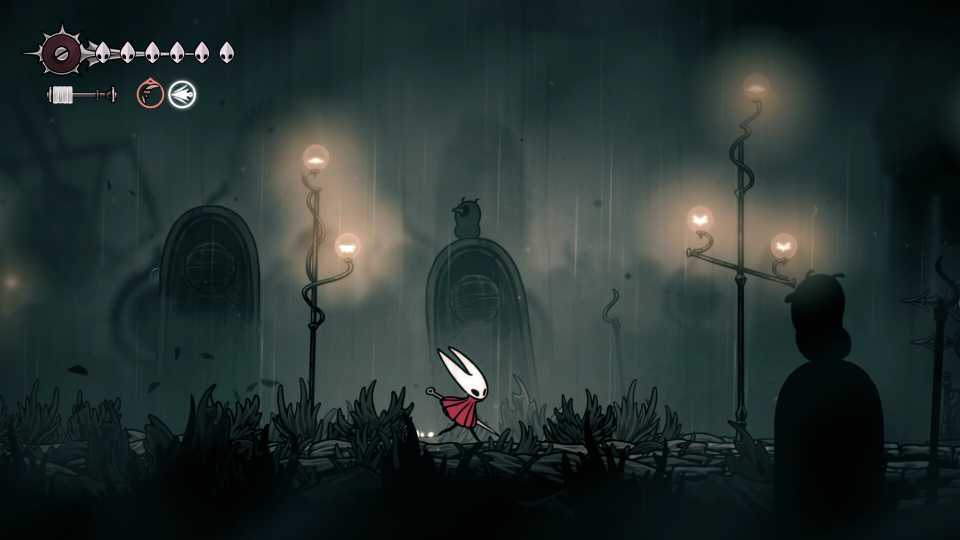
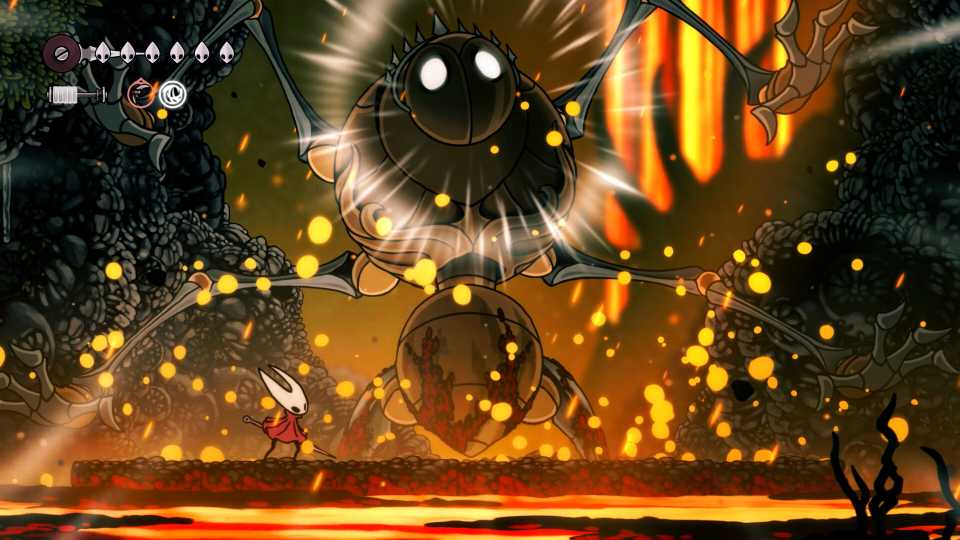
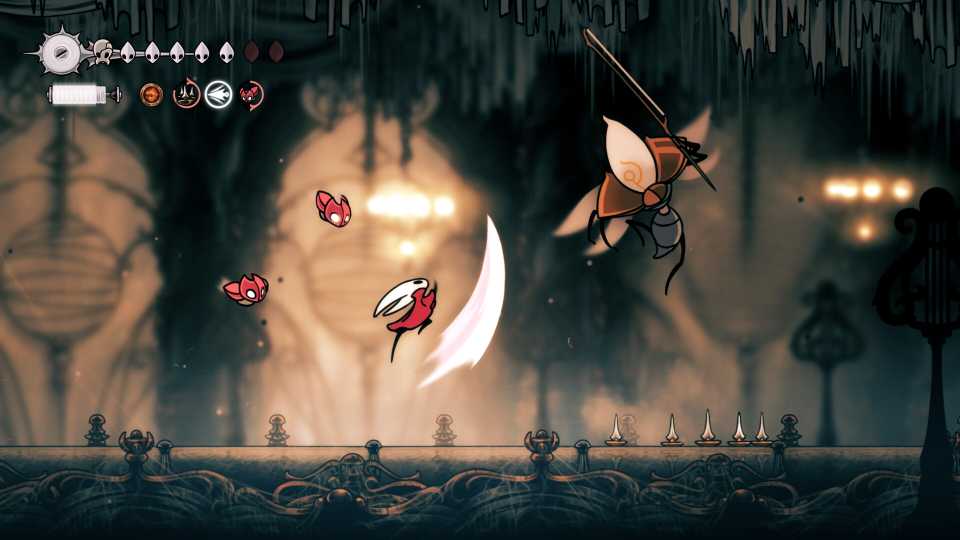
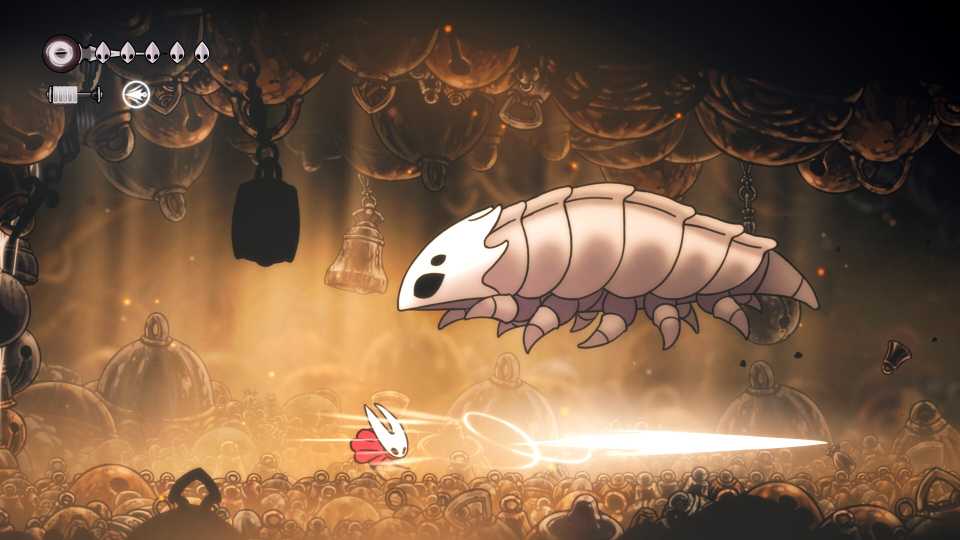
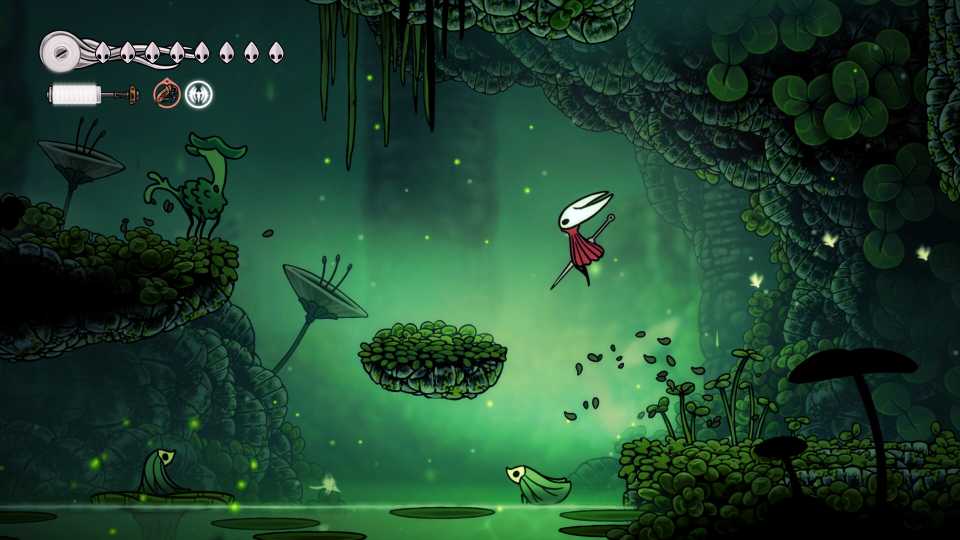
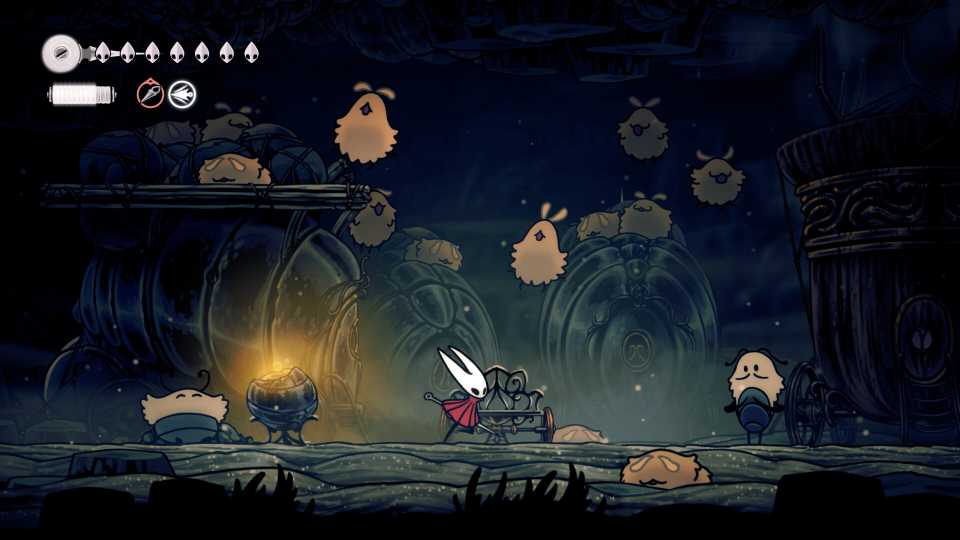
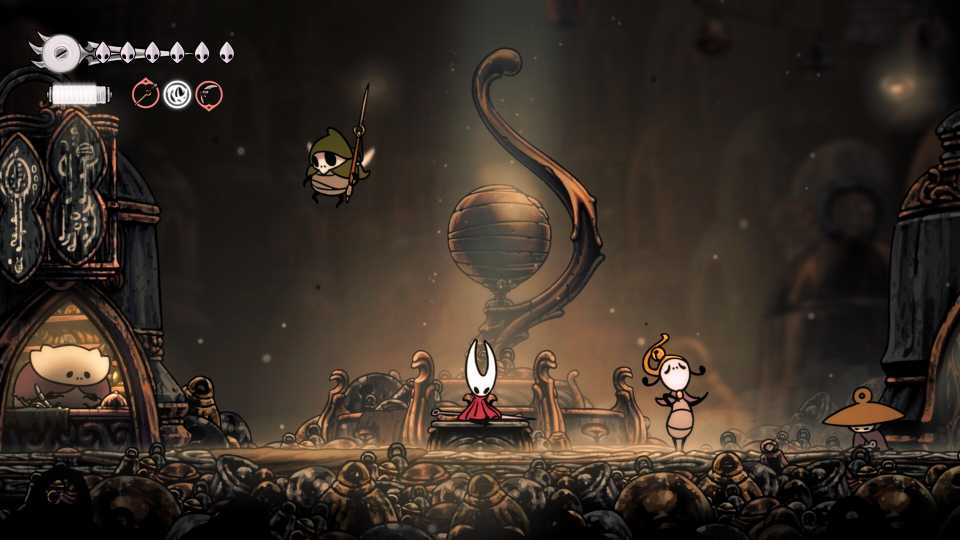
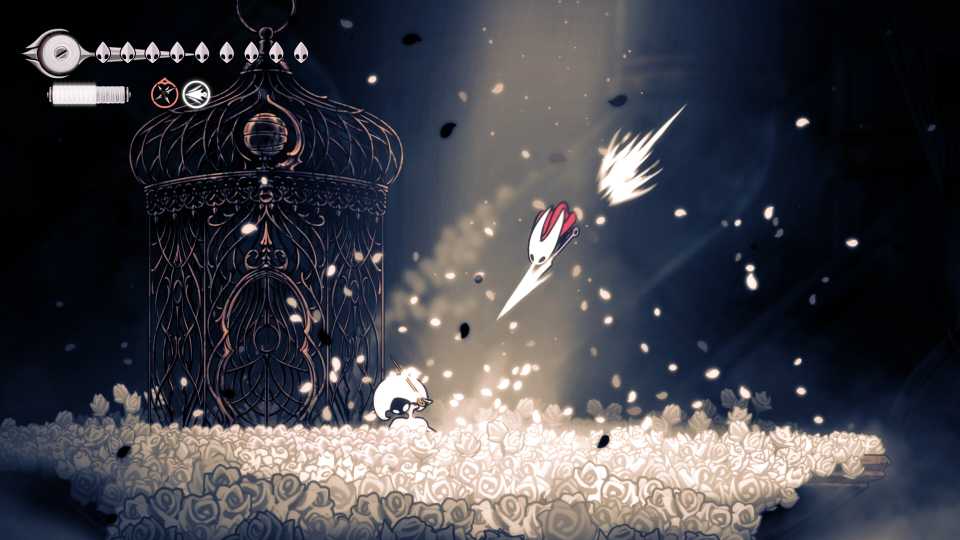
There's no shortage of reasons to love Hollow Knight: Silksong. The follow-up to 2017's biggest breakout hit has been a long time coming, and it's done plenty to establish itself as a worthy sequel. Indeed, Silksong is a special game that does much more than simply rehash its predecessor's best ideas.
At a glance, one could be forgiven for thinking that Hollow Knight: Silksong is a standard, by-the-numbers continuation of the Hollow Knight saga. After all, it has the same artstyle as its predecessor, with similar health and magic systems, grimdark lore, Metroidvania and Soulslike genre staples, and so on. But Silksong makes so many crucial, transformative changes to the first game's formula that it feels like a genuinely fresh experience, both on the micro and macro levels. Improvements to Hollow Knight's traversal sandbox and combat mechanics are much-welcomed and meaningful, but broader, more complex changes are just as significant. Quest design in particular makes Silksong a more organized, digestible experience, adding a dash of conventional RPG mechanics to the game's at-times obtuse narrative and world design.
Why Hollow Knight: Silksong's More Structured Quest Design Is Such a Boon

Clear Quest Design and Guidance Help Silksong Strike a Better Balance
To some, any form of quest-tracking in a Soulslike or Metroidvania is tantamount to sacrilege. It's true that these genres tend to pride themselves on not holding their players' hands, leaving them in the dark for better and for worse. There's merit to such a design philosophy, of course—recent games like Hell Is Us are practically built on this sense of player agency and loose structure—but there are benefits to a bit of gameside assistance here and there.
Hollow Knight: Silksong proves that a game can have certain quest-related quality-of-life features without becoming frivolous or contrived. When Hornet takes on a new side quest in Silksong, there's clear and objective feedback that confirms the player's decision to embark on this story-adjacent endeavor; the side quest is then added to a journal of sorts, which clearly outlines what its objectives are. On top of this, the journal provides narrative context, helping to drive home the why of a given quest as much as the where and how.

Even with this decidedly conventional quest-tracking feature, Silksong still lacks map markers, waypoints, and other exploration addendums.
Hollow Knight: Silksong Flows So Much Better Thanks to Its Efforts in Accessible Quest Design
Having a quest journal does more than track objectives and remind the player of where to go—it also helps with the overall pacing of Silksong as a whole. In the first Hollow Knight, there is no quest journal, nor are there many concrete or straightforward ways to track a given quest's progress, which can make the player feel rudderless at times. Without some sort of compartmentalization or feedback, Hollow Knight's optional content can feel needlessly vague, confusing, and substanceless. Silksong manages to make side quests feel digestible and separate from the main story, while still being well-integrated, courtesy of a few deft touches.

The first Hollow Knight's obtuse quest design may be attributed to Team Cherry's fondness for FromSoftware's work, whose influence shines through in the studio's debut. FromSoftware is certainly not known for offering clear direction, especially when it comes to optional content. There's nothing explicitly wrong with this approach to quest design, but Hollow Knight's adherence to it is emblematic of its position as a Soulslike-Metroidvania mashup; with Hollow Knight: Silksong, Team Cherry is striking out on its own, being less beholden to the genre conventions established by its inspirations. In this way, it's more unique, and better delivers on its gameplay premise.





-
 OpenCritic Reviews
- Top Critic Avg: 91 /100 Critics Rec: 97%
- Released
- September 4, 2025
- ESRB
- Everyone 10+ / Fantasy Violence, Mild Blood
- Developer(s)
- Team Cherry
- Publisher(s)
- Team Cherry