


At first glance, Hyrule Warriors: Age of Imprisonment might seem a bit incongruous with the rest of the Zelda franchise. After all, classic Zelda is defined by exploration, puzzle-solving, and dungeon-crawling, typically with minimal combat; the franchise isn’t exactly known for high-octane hack-and-slash action.
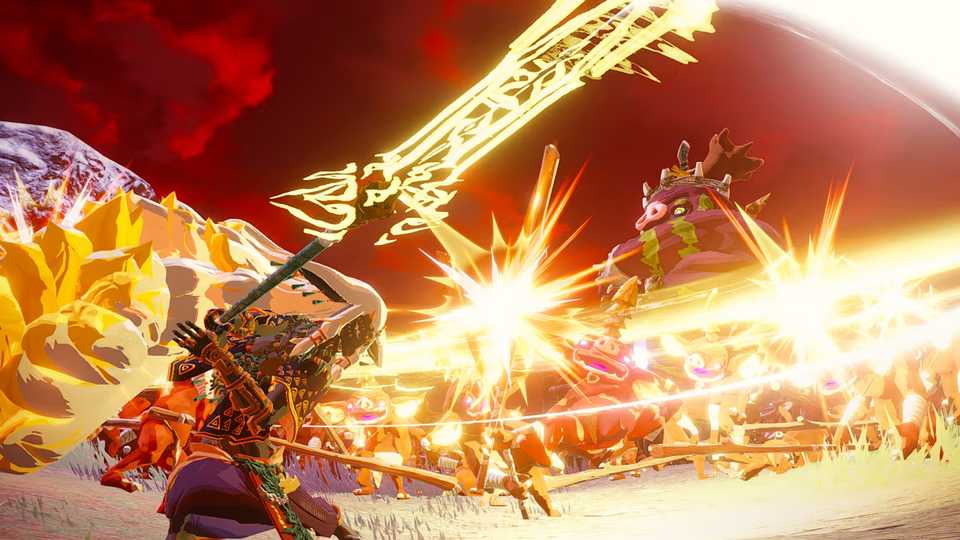
But this is precisely what drives the Hyrule Warriors experience. As the “warriors” part of the moniker implies, Hyrule Warriors is a spin-off franchise developed in collaboration with Koei Tecmo, the company behind the ridiculously prolific Dynasty Warriors series, alongside its many spin-offs, like Samurai Warriors and Persona 5 Strikers. The musou genre, as it’s called, is all about large-scale battles, offering a power fantasy wherein players can mow through crowds of fodder enemies and square off against powerful officer-type combatants. Rather than dispatching a series of mechanically complex enemies while taking breaks for exploration and puzzle-solving, musou games task players with controlling battlefields, funneling enemies into chokeholds and stalling their advance. The formula is a powerful encapsulation of fictionalized warfare, which is what makes it such a good fit for Hyrule Warriors: Age of Imprisonment.

After Hyrule Warriors: Age of Imprisonment, the Sub-Series Should Return to its Roots
Hyrule Warriors: Age of Imprisonment looks interesting, but it should return to its original vision sooner rather than later.
How the Musou Template Elevates The Legend of Zelda Story
Zelda’s Epic, Dramatic Warfare Is Brought to Life Through the Hyrule Warriors Games
While the first Hyrule Warriors game is firmly positioned as a non-canon crossover event, the second entry, Hyrule Warriors: Age of Calamity, is a bit more complicated. In a nutshell, Age of Calamity is canon, but diverges from the main Breath of the Wild timeline. So while it’s representative of the early struggle against Calamity Ganon, its events don’t actually influence the plot of BOTW or TOTK.
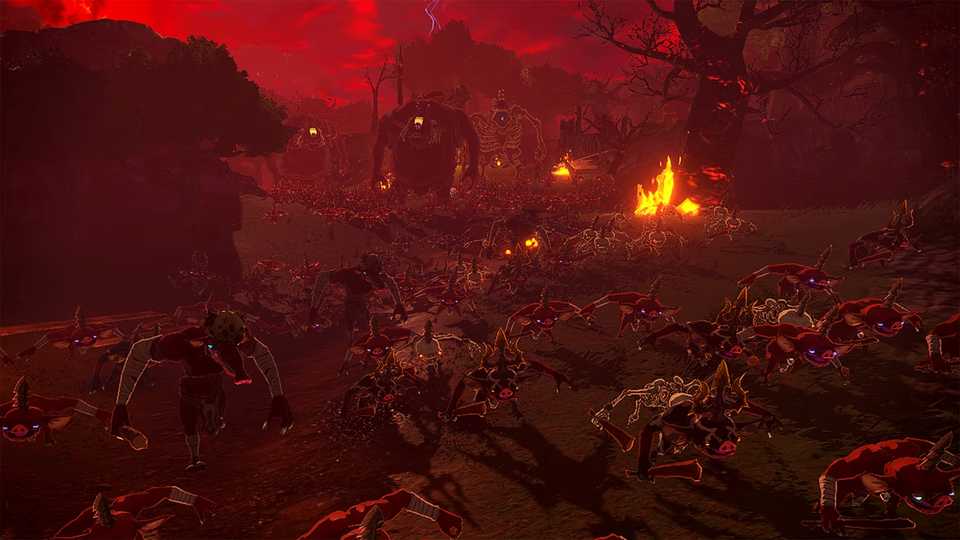
Nevertheless, giving players the opportunity to battle hordes of evil forces as Link, Zelda, Revali, et al., allows for the messy history of Hyrule to be illuminated. In the mainline games, epic battles between sprawling armies are constantly referenced, but never represented in an interactive way. Granted, part of this is a result of the timeline, but the nature of these games’ design plays a big role as well: BOTW and TOTK, like other Zelda games, simply aren’t designed with huge battles in mind. Playing through such battles, even if their relevance is muddied because of a divergent timeline, adds depth to the series’ narrative, especially for those who want more insight into Hyrule’s history.
Hyrule Warriors: Age of Imprisonment Could Be Zelda’s Best Use of the Musou Formula Yet
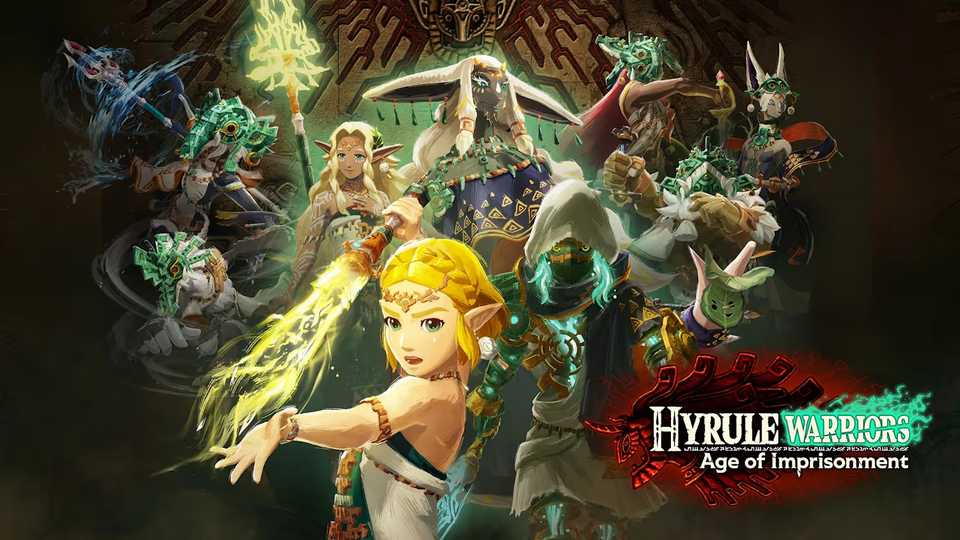
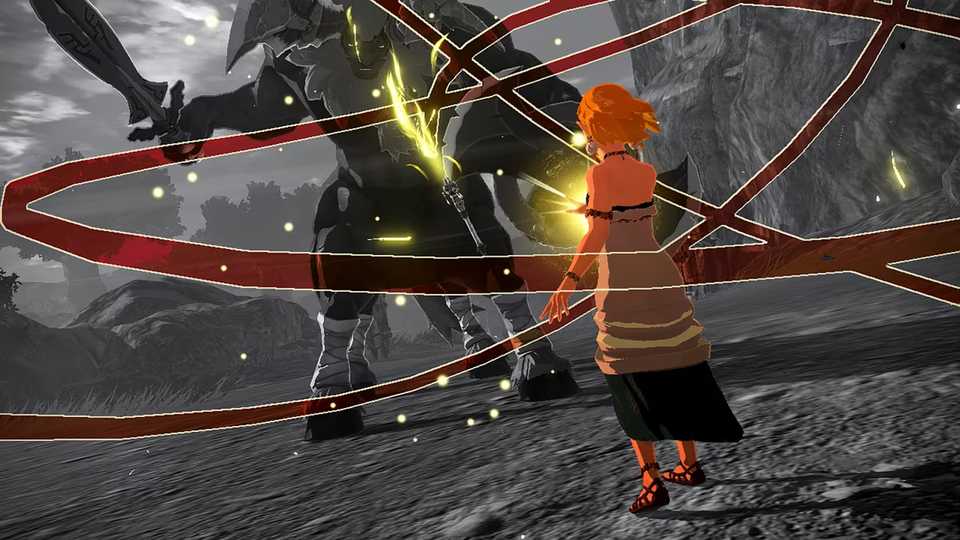
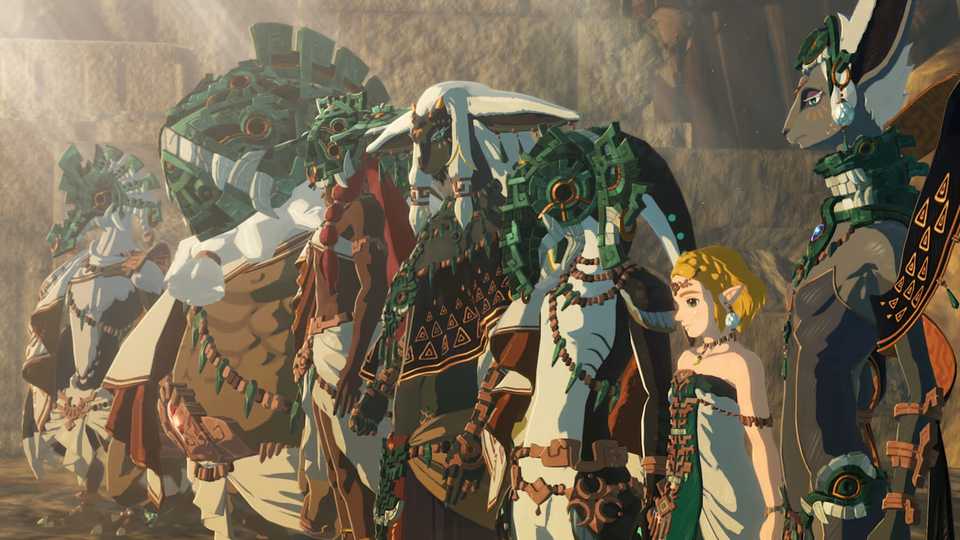
The above benefits of the Hyrule Warriors formula are multiplied tenfold in Age of Imprisonment because it has been established as explicitly canonical. Age of Imprisonment will take place long before the events of Breath of the Wild, following Zelda as she fights for Rauru in the early days of the Hyrule kingdom. This gives the game incredible potential as a narrative tool, drawing back the curtain on the political and military struggles of Hyrule as a fledgling nation in a way that the mainline games never could.
Through the musou formula, Hyrule Warriors: Age of Imprisonment has the potential to be the most multifaceted and action-packed canon Zelda game so far, driving home the full gravity of certain in-universe events. It could wind up being a great companion piece to Link’s heroic journeys in BOTW and TOTK which, while compelling, are intentionally quiet, contemplative, and melancholic, pervaded by a strong sense of loneliness. These traits are unlikely to be shared by Age of Imprisonment, and will likely be replaced by greater tension, character-building, political intrigue, and bombastic, thrilling warfare scenarios. Thanks to the musou genre’s emphasis on scale, speed, and high-stakes drama, such characteristics may be portrayed much more effectively than in TOTK’s flashbacks.


-
 OpenCritic Reviews
- Top Critic Avg: 79 /100 Critics Rec: 84%
- Released
- November 6, 2025
- ESRB
- Teen / Fantasy Violence
- Developer(s)
- Koei Tecmo
- Publisher(s)
- Nintendo


WHERE TO PLAY

- Genre(s)
- Action, Hack and Slash
