


Summary
- KCD2 and Zelda: TotK promote curiosity and exploration without relying on markers or quests.
- Both games reward creative problem-solving via emergent gameplay rather than scripted events.
- Players can define their own experiences in KCD2 and Zelda: TotK, enhancing replayability.
Its predecessor may have been little more than a cult classic, but Kingdom Come: Deliverance 2 has soared to an unprecedented level of success in 2025 with one of the most authentic role-playing experiences ever crafted for a video game. Despite being a unique addition to the RPG genre, much of what has led to Kingdom Come: Deliverance 2's success boils down to its open-world design, which follows some of the very same principles that The Legend of Zelda: Tears of the Kingdom does with its own open world.
While they might be two entirely different games, Kingdom Come: Deliverance 2 and Zelda: Tears of the Kingdom have some striking similarities. Whether it's their uncanny ability to encourage curiosity and self-guided exploration, their willingness to reward creative problem-solving, or their open-ended game design that allows players to define their own experiences, Kingdom Come: Deliverance 2 and Zelda: Tears of the Kingdom walk the same path in a lot of ways, proving once again that the formula works.

Kingdom Come: Deliverance 2 Proves Why Reputation Should Be the New Morality
Kingdom Come: Deliverance 2's reputation system is so steeped in nuance that it makes a strong case for replacing the traditional morality system.
Kingdom Come: Deliverance 2 and Zelda: Tears of the Kingdom Share a Lot of the Same Principles
KCD2 and Zelda: TotK Both Encourage Curiosity and Self-Guided Exploration
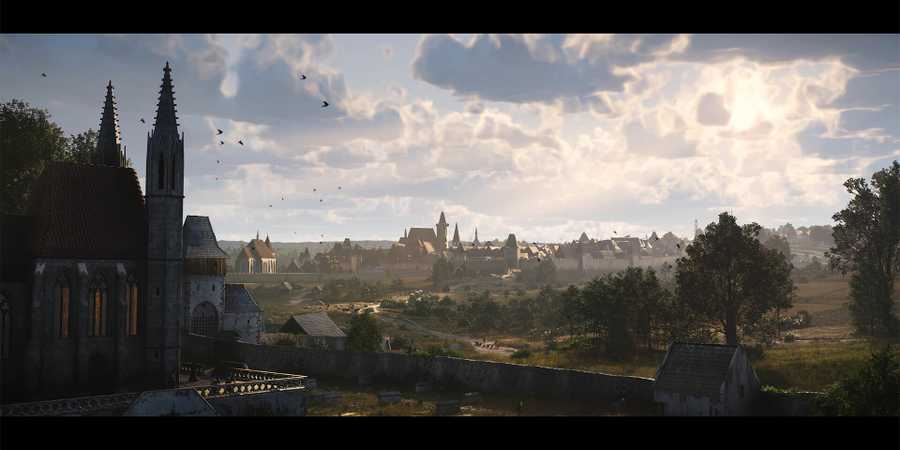
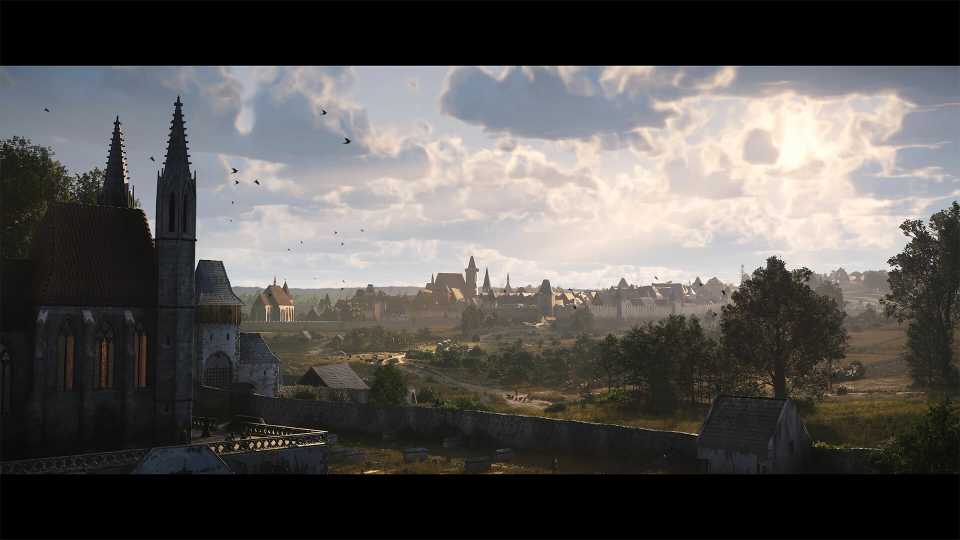
While Zelda: Breath of the Wild is responsible for inventing Tears of the Kingdom's open world, the sequel not only confirmed that its predecessor's approach was solid, but it also built upon that foundation in many ways. The standout feature of each of these open worlds, especially Tears of the Kingdom, is their ability to encourage curiosity and self-guided exploration, rather than relying solely on map markers and quests to do the trick. Tears of the Kingdom's open world lures players by using both visual and audio cues to promote a rewarding sense of discovery in them, as opposed to making everything in its world about checking off a list of chores.
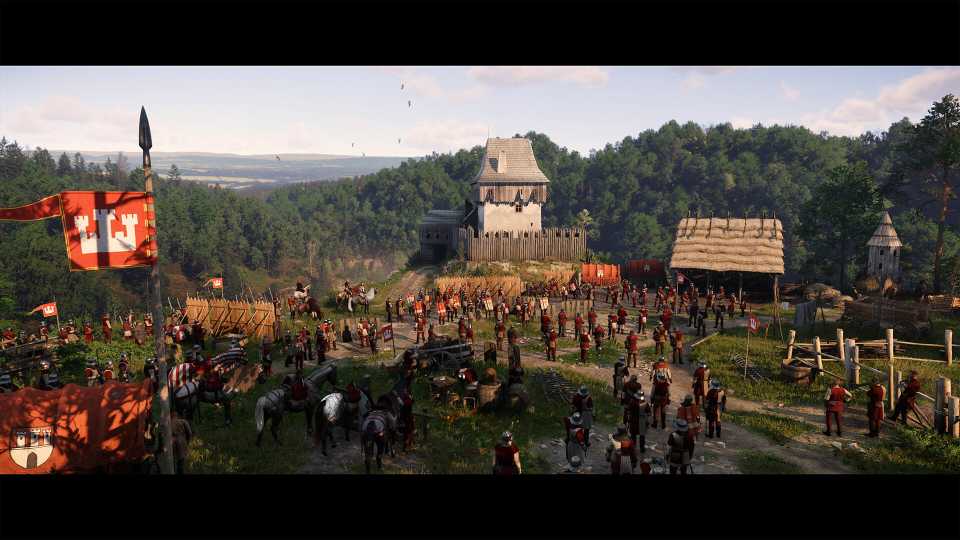
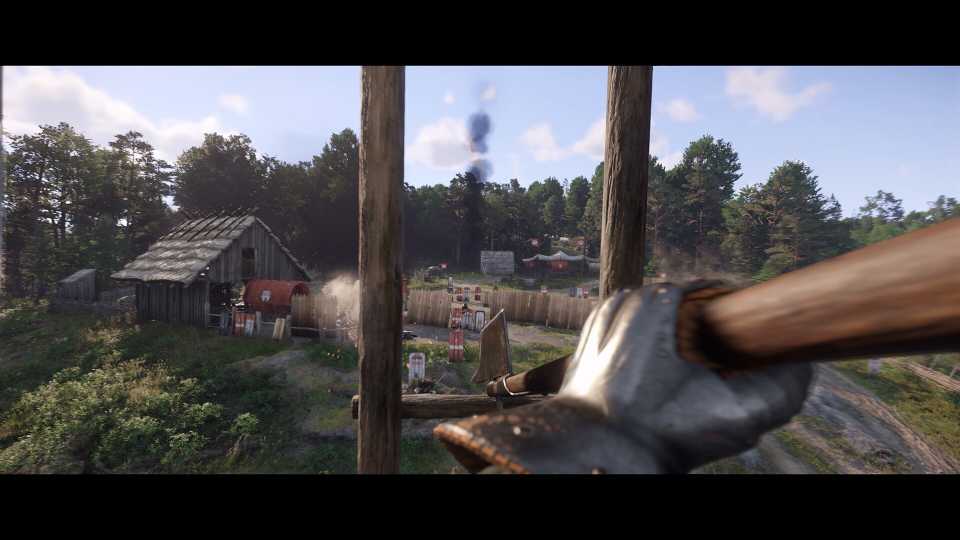
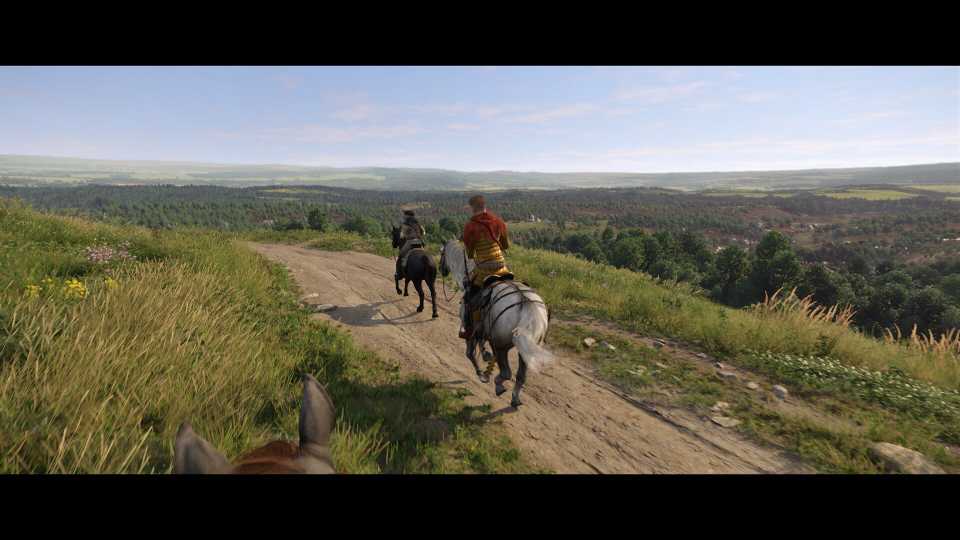
Kingdom Come: Deliverance 2 is very much the same way, despite possessing more map markers than Tears of the Kingdom. Even with its map markers, however, Kingdom Come: Deliverance 2's open world offers players an opportunity to discover locations naturally instead, with plenty of visual and audio cues, just like Tears of the Kingdom, to pique their curiosity. Players might hear an NPC shouting at them from afar, beckoning their attention, or they may see a curious-looking house in the hills ahead of them that wasn't already indicated on the map.
KCD2 and Zelda: TotK Both Reward Creative Problem-Solving
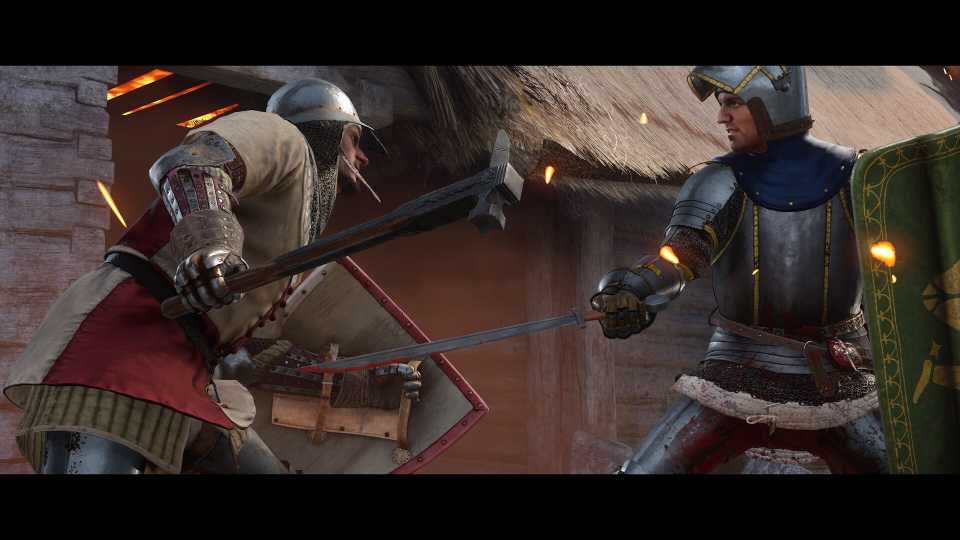
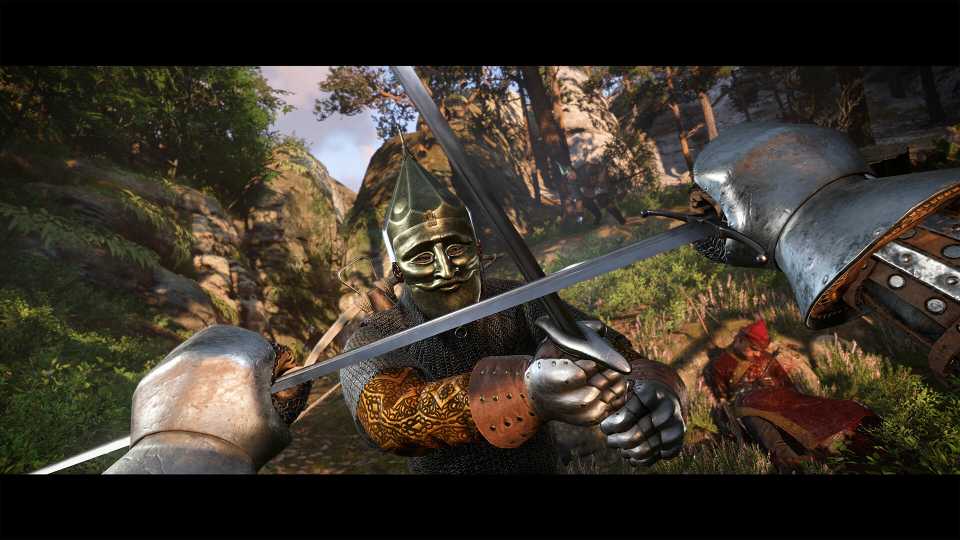
One unique aspect of Zelda: Tears of the Kingdom's open world, and therefore Kingdom Come: Deliverance 2's open world as well, is the emphasis each game places on players interacting with a world that behaves according to its own logic rather than just scripted events. "Emergent gameplay" would be the appropriate term here, as each game rewards creative problem-solving rather than forcing a single, linear solution on them.
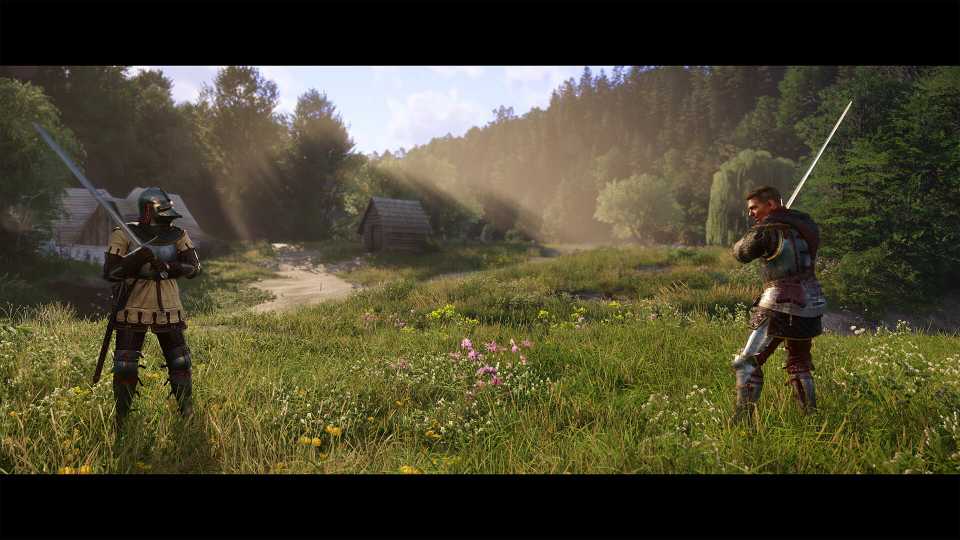
While Tears of the Kingdom and Kingdom Come: Deliverance 2 approach this concept in two different ways, with the former using physics to encourage creativity and the latter relying on the choices that players make, they both still arrive at the same destination.
KCD2 and Zelda: TotK Both Allow Players to Define Their Own Experiences
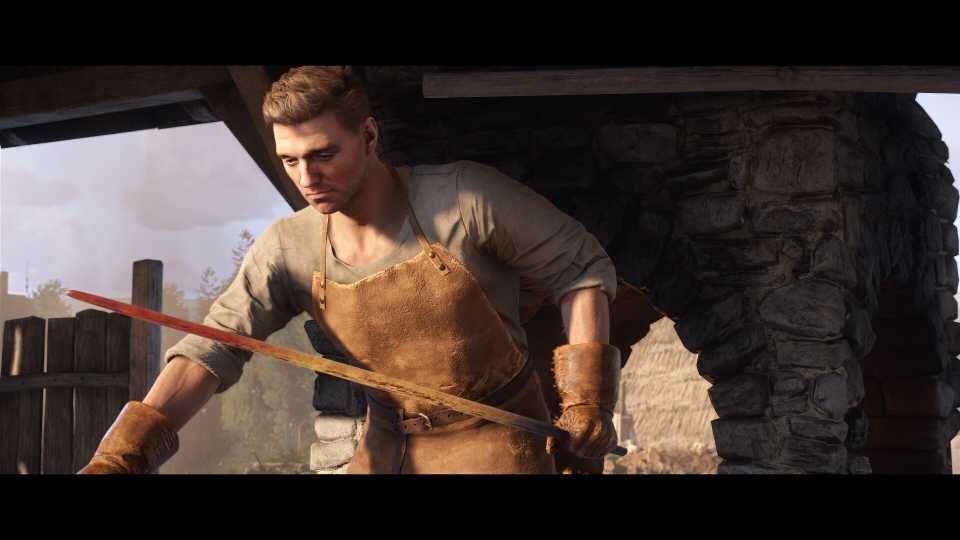
Finally, something that has allowed Zelda: Tears of the Kingdom to maintain its lifespan and will also likely positively impact the lifespan of Kingdom Come: Deliverance 2 is that it allows players to define their own experiences. Ultimately, this means that players can pick up either game, even after a long stretch of being away from it, and not feel confused about where to go or pressured into doing one thing or another. Instead, since each game's open world rewards exploration and curiosity, players can simply do whatever they wish and find fulfillment in it, rather than relying on the game to tell them what to do.
In the end, Kingdom Come: Deliverance 2 and Tears of the Kingdom may appear to be worlds apart, but their design philosophies prove that great open-world experiences aren't bound by their genre or setting. Both games thrive on a sense of discovery, rewarding players who are driven by curiosity and experimentation rather than following a rigid structure.


Kingdom Come: Deliverance II



-
 OpenCritic Reviews
- Top Critic Avg: 89 /100 Critics Rec: 95%
- Released
- February 4, 2025
- ESRB
- Mature 17+ / Use of Alcohol, Blood and Gore, Sexual Content, Strong Language, Intense Violence, Partial Nudity
- Developer(s)
- Warhorse Studios
- Publisher(s)
- Deep Silver




WHERE TO PLAY




- Genre(s)
- RPG, Action-Adventure, Open-World
