


The Last of Us Season 2 has wrapped, and its viewership was way down compared to the first season. The second season of The Last of Us always had an uphill battle ahead of it. While The Last of Us Part 2 earned widespread critical acclaim and won Game of the Year at The Game Awards 2020, the game is also hugely controversial with vocal detractors who were upset about certain story developments. Last of Us Part 2's unique narrative structure meant it was always going to be tricky to adapt, and if the reviews, online reactions, and viewership are any indication, it seems that the second season of the HBO series didn't quite hit the mark compared to Season 1.
MAJOR SPOILERS follow for The Last of Us Season 2
While there are those out there that vehemently dislike The Last of Us Part 2 for various reasons, I am not among them. I view The Last of Us Part 2 as one of the best games ever made, with brutal, engaging gameplay and a heartbreaking story that grabs you by the throat right at the start and doesn't let go even after the credits roll. The Last of Us Part 2 left me emotionally exhausted and remains one of my favorites of the last five years. After HBO, Craig Mazin, and Neil Druckmann did such a stellar job with adapting the first Last of Us game, my expectations were high for Season 2, especially since I was already a big fan of the source material. Overall, I think The Last of Us Season 2 was solid and had plenty of great moments, but I am not surprised that viewership is slipping.

The Last of Us Season 2 Finale Featured Yet Another Big Continuity Error Thanks to Its Altered Timeline
The Last of Us season 2's final episode included another big continuity error due to the show's timeline change.
As announced by HBO, The Last of Us Season 2 finale was watched by 3.7 million people. The Season 1 finale was watched by 8.2 million people, which is a staggering drop from one season to the next. The Last of Us Season 2 seemed to lose a sizable chunk of its viewership from the premiere of Season 2 to the finale, as the premiere was watched by 5.3 million people. HBO has blamed Memorial Day weekend and thinks that Last of Us Season 2 finale viewership will greatly increase in the days and weeks to come. That very well could be, but it seems unlikely to match the success of the first season, and to me, there are some obvious reasons why.
Addressing the Ellie in the Room
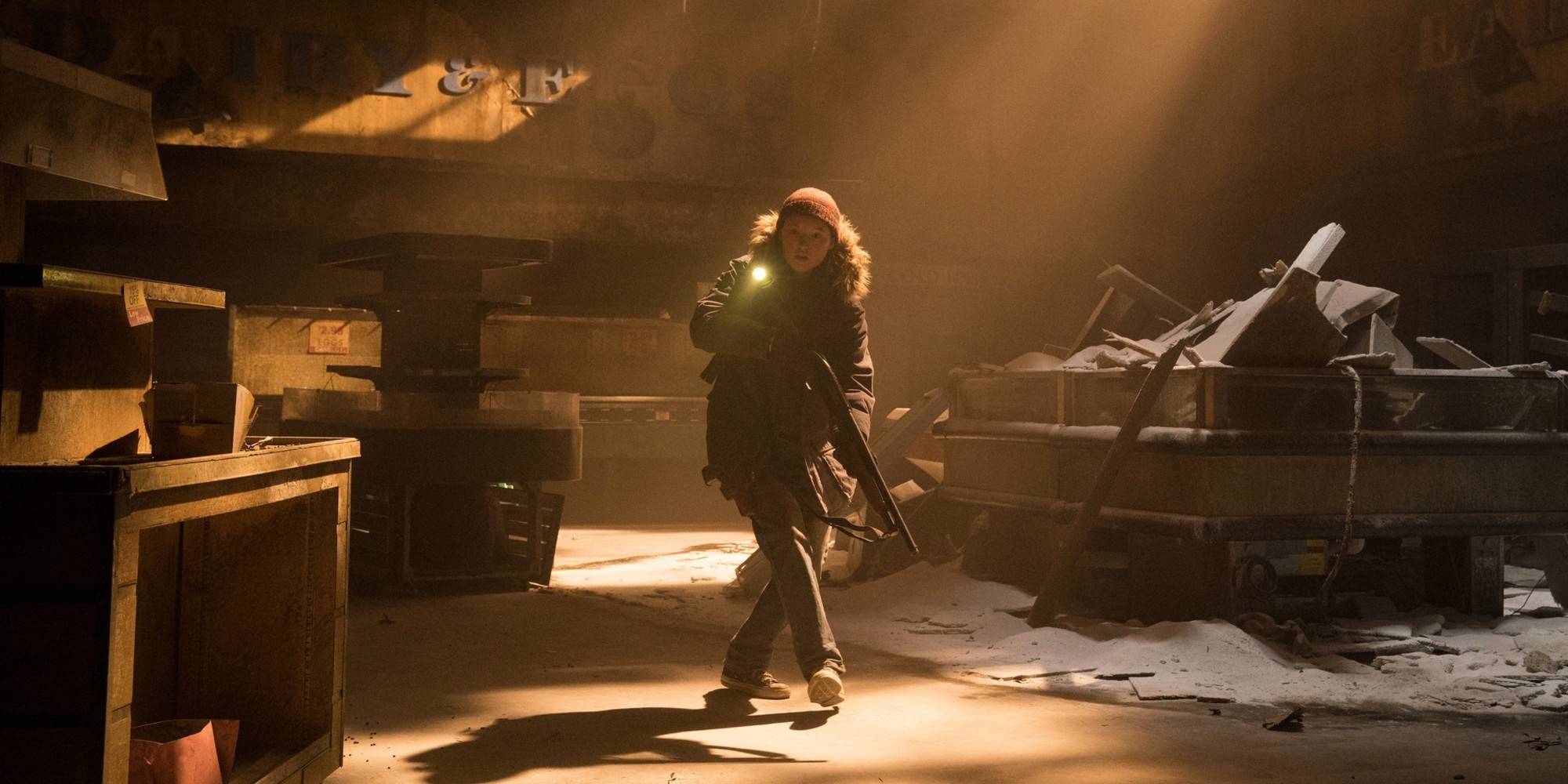
There is a great deal of unfortunate online discourse about Bella Ramsey's looks and whether they are the right casting choice for Ellie. I personally think Ramsey does a great job, but in Season 2, they were let down by the material. Subtle, and not so subtle, changes hurt Ellie's characterization and made for a less interesting story compared to the video game.
Whereas the Last of Us Part 2 video game has no problem portraying Ellie as absolutely ruthless in her quest to avenge Joel's death, the TV show provides a far more sanitized version of events. One only has to look to Ellie's goofy "I'm gonna be a dad" reaction to the revelation that Dina is pregnant versus Ellie in the video game flat-out calling her a burden. The aquarium sequence in the show has Ellie accidentally killing Mel when she shoots Owen, whereas in the video game, Ellie deliberately stabs Mel in the throat. Ellie in the show apologizes, attempts to comfort Mel, and even considers trying to save her baby. Ellie in the game has a visceral reaction to discovering Mel's pregnant, but is otherwise mostly unapologetic - at first - for the carnage she's causing in her hunt for Abby.
There are other examples. In the game, Ellie kills the loyal WLF dog Alice and even calls her a "stupid dog," while no such scene occurs in the show. Ellie apologizes to Abby for killing her friends in the Season 2 finale's theater scene, but video game Ellie does not. The video game painted a much darker picture of Ellie, something the show seemed afraid to do.
Perhaps the concern was that portraying Ellie the same as she appears in the game would have driven away casual viewers. And there may be some logic to that. But the changes made to the source material have definitely upset the video game's fanbase, potentially turning them off from watching the show. As for the casual viewers that may not be familiar with the games, there's a more obvious explanation as to why they may not be watching Season 2 in the same numbers as Season 1.
Killing Joel May Have Driven Away Casual Viewers
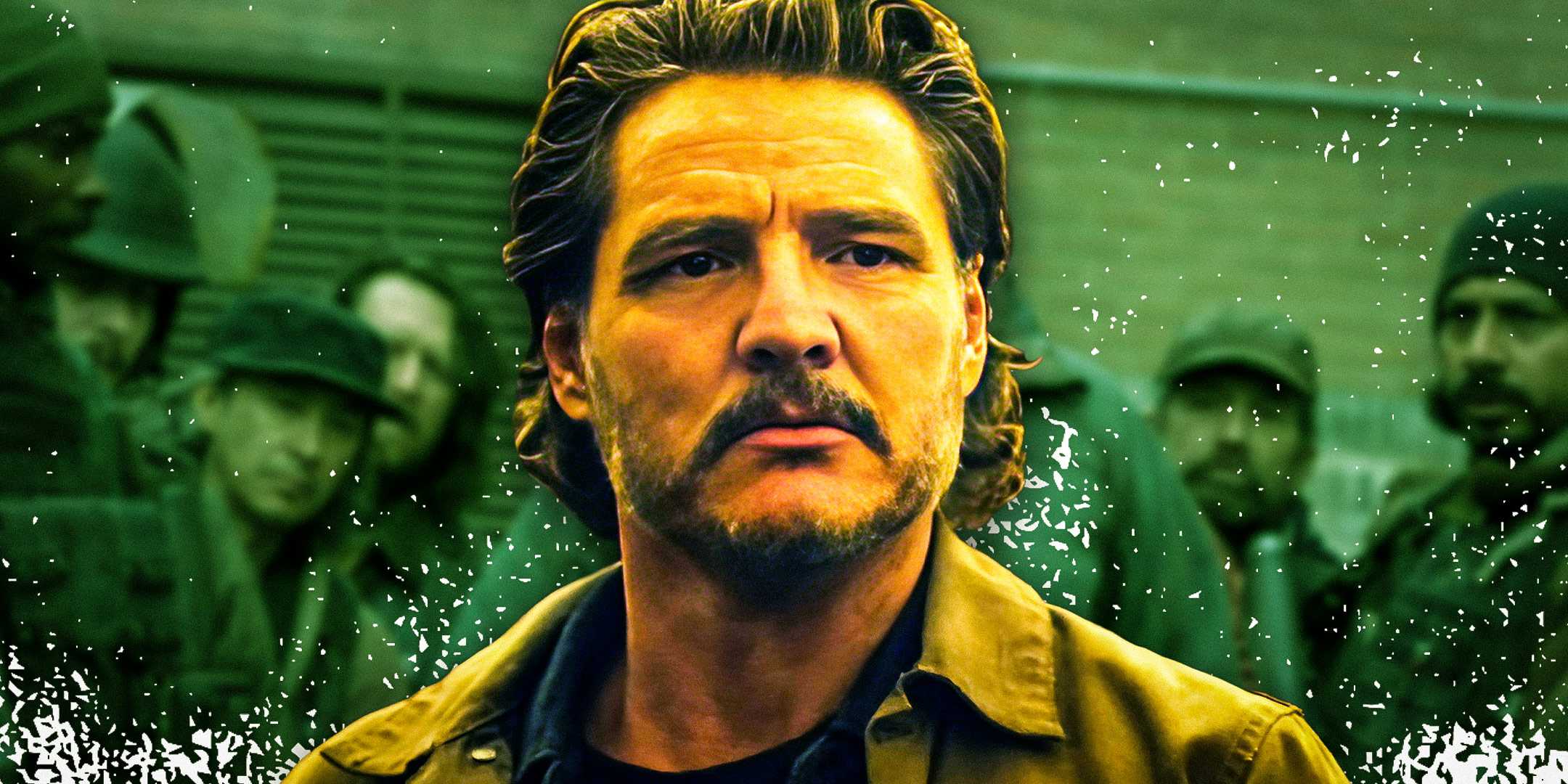
Whenever a TV series kills off a main character, it is an enormous risk. I don't want to spoil other shows by getting into specific examples, but it's not exactly a secret that while killing a main character can result in a short-term ratings spike, it can often drive a lot of viewers away in the long run. The Last of Us Season 2 had no choice but to kill Joel, as Part 2's story can't happen without his death, but regardless, it is entirely possible - if not likely - that losing Joel and Pedro Pascal, for that matter, may have caused some casual viewers to become disinterested in seeing Season 2 through to its end.
Anecdotally, I know multiple people that have stopped watching The Last of Us Season 2 in the wake of Joel's death. My grandpa didn't even stick with the show to see it play out. He got a push notification on his phone with the spoiler about Joel's death and decided that he had no reason to watch the show anymore if Joel wasn't in it. My mom, who loved the first season of the show, hasn't watched a single episode since Joel's death. Again, this is just anecdotal evidence, but it's not a leap to assume that other casual viewers have also stopped watching the show for the same reason.
Last of Us Season 1 and Season 2 Episode Ratings
Season 1
- When You're Lost in the Darkness - 0.588
- Infected - 0.633
- Long, Long Time - 0.747
- Please Hold to My Hand - 0.991
- Endure and Survive - 0.382
- Kin - 0.841
- Left Behind - 1.083
- When We Are in Need - 1.039
- Look for the Light - 1.040
Season 2
- Future Days - 0.938
- Through the Valley - 0.643
- The Path - 0.768
- Day One - 0.774
- Feel Her Love - 0.652
- The Price - 0.701
- Convergence - 0.680
Joel's death in The Last of Us Part 2 was wildly controversial among video game fans, and so it tracks that the television audience would have a similar reaction. But besides killing Joel, the reason Season 2's viewership is down compared to Season 1 could have a lot to do with the massive wait between seasons.
There Was Too Much Time Between Seasons
The Last of Us Season 1 aired from January 2023 to March 2023 and featured nine episodes. The Last of Us Season 2 aired seven episodes from April 2025 to May 2025, meaning audiences had to wait over two years to see what happens next and had less to watch. It's normal for there to be massive gaps between game releases in any given series, but with television, such large gaps risk the audience finding other shows to watch and losing interest.
The Last of Us Season 3 has not even started filming yet at the time of this writing, and it's unclear when it will hit HBO. It's possible that Season 3 will come in 2026, but there is no guarantee, and the more likely scenario is that fans will have to wait until 2027 to see what happens next. What makes that especially hard to stomach is the fact that Season 2 ends on a cliffhanger. Abby shoots at Ellie, the screen goes black, and then the show rewinds to Seattle - Day One to show everything from Abby's perspective, just like what happened in The Last of Us Part 2 video game.
Last of Us Part 2's Unique Narrative Could Be the Show's Downfall
And that highlights another issue with The Last of Us Season 2. The Last of Us Part 2 features a unique format for a video game. It is first primarily played from Ellie's perspective, but then players have to relive everything from Abby's point of view. It is a bold creative choice that split the fanbase. I personally love the idea, but I have a feeling most Last of Us show viewers are going to be frustrated by Season 3.
It's been teased that The Last of Us may need four seasons to get through Part 2's story. If that's the case, one has to imagine that The Last of Us Season 3 will primarily adapt Abby's story from the game, ending with the theater scene from the Season 2 finale, and then Season 4 will be used to wrap everything up. The question is, will Last of Us television viewers have the patience to sit through an entire season about an antagonistic character that has brutally murdered fan favorites? I think most will be annoyed at the lack of a resolution for the Season 2 finale cliffhanger, and others will not be willing to invest in Abby's perspective, especially since the show has been so reluctant to highlight Ellie's negative traits.
While there is something to be said for sticking to the game's narrative structure, I feel like there was a missed opportunity for The Last of Us Season 2 to make the Ellie and Abby stories more cohesive. It could have stuck with a chronological telling of the story, with each episode showing what both characters and their respective allies are up to. As it is, The Last of Us HBO series is expecting casual viewers to not only come back for Season 3, but also sit through an entire season about a character that they don't like and barely know.
I wouldn't be surprised at all if the trend of The Last of Us' declining viewership continues from Season 2 to 3. It's definitely going to be interesting to see what happens either way.

- Release Date
- January 15, 2023
- Network
- HBO
- Showrunner
- Craig Mazin

Cast
-
 Pedro PascalJoel Miller
 -
 Bella RamseyEllie Williams

WHERE TO WATCH
Based on Naughty Dog's popular PlayStation game, HBO's The Last of Us takes place decades after a fungal infection eradicated most of humanity. When a teenage girl named Ellie is found to be immune to the disease, Joel agrees to smuggle her across the United States.
