Summary
- Majima's amnesia brings emotional depth in Like a Dragon: Pirate Yakuza in Hawaii.
- Majima's bond with Noah adds paternal complexity to the story.
- Substories like "The Symbol of the City, the Street Surfer" evoke emotional connections.
The Like a Dragon/Yakuza series is known for a lot of things — like its over-the-top action, quirky humor, and bizarre side stories — but its emotional storytelling might be closer to the top of that list than anything else. Almost every entry in the series features some incredibly strong character-driven narratives, especially with protagonists like Kazuma Kiryu and Ichiban Kasuga, who undergo intense personal struggles. As such, it's no surprise that the latest entry, Like a Dragon: Pirate Yakuza in Hawaii, does the same. However, this particular installment might hit a much deeper emotional level than most of the entries that came before it.
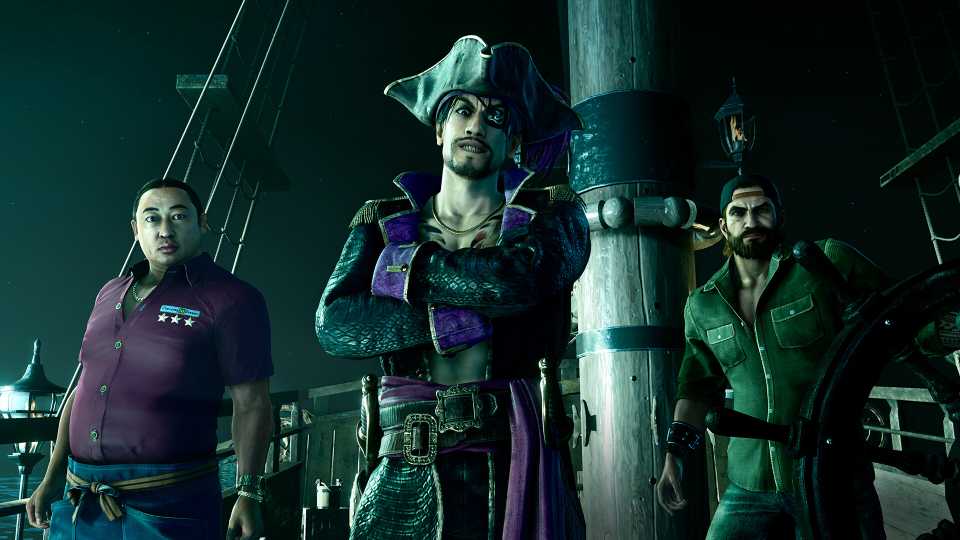
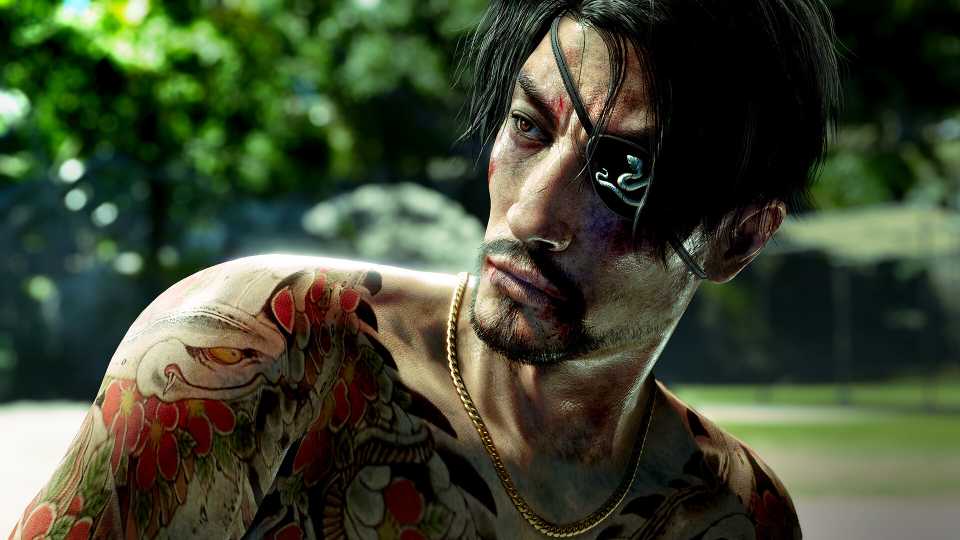
Much of this emotion surrounds the character of Goro Majima, who has been portrayed in one rather consistent way throughout the entire series but is now forcing players to look at him in a completely different light. This is largely realized in his amnesia, which allows his new companion Noah to have an impact on him as well. Even Like a Dragon: Pirate Yakuza in Hawaii's substories play a major part in making the latest entry be more emotional than most that came before it. Overall, this one just hits on a different level.

Like a Dragon: Pirate Yakuza in Hawaii Proves the Series Can Still Innovate
The Like a Dragon series has been more iterative, but Like a Dragon: Pirate Yakuza in Hawaii introduces some innovations that take it to new heights.
Like a Dragon: Pirate Yakuza in Hawaii Is the Series' Most Emotional Entry Yet
Majima's Amnesia Leads Him to Intense Introspection in Like a Dragon: Pirate Yakuza in Hawaii
At the heart of Like a Dragon: Pirate Yakuza in Hawaii's story is Goro Majima's amnesia, and while that trope has been known to be used in a capacity that is both predictable and cliche, it ultimately serves as a pivotal narrative device in the latest Like a Dragon game. Since Majima has lost his memory in Like a Dragon: Pirate Yakuza in Hawaii, his quest to regain that memory eventually results in profound introspection as he grapples with who he once was and who he desires to be now. Naturally, this leads to a much more emotional story than Like a Dragon: Pirate Yakuza in Hawaii might have been without the amnesia trope, as it allows both the character and players to explore Majima's true self beyond his established "Mad Dog" image.
Majima's Relationship With Noah in Like a Dragon: Pirate Yakuza in Hawaii Is an Emotional Highlight
Majima's amnesia in Like a Dragon: Pirate Yakuza in Hawaii is introduced alongside his newfound relationship with a young individual by the name of Noah Rich, who initially fills the role of guide to Majima. However, while Majima initially follows Noah as a guide on Rich Island, his relationship with the ten-year-old child eventually evolves into something more paternal in nature, which produces deeper character development in each of them as individuals and in Majima, especially, as Noah's innocence encourages Majima towards an innocence he has long been lacking. The bond the two of them share thereby heightens Like a Dragon: Pirate Yakuza in Hawaii's emotional impact, particularly when Noah's life is in danger, or he expresses his affection for Majima.
Like a Dragon: Pirate Yakuza in Hawaii's Substories Can Be Quite Emotional
It's not just Like a Dragon: Pirate Yakuza in Hawaii's main story that carries emotional weight either, as even its substories can be quite emotional. The substory called "The Symbol of the City, the Street Surfer," for example, portrays Majima's relationship with Noah in a way that not many other stories in the game do. This specific substory shows Majima and Noah role-playing as father and son in what begins as a bit of a joke but ends up actually being a heartfelt connection between the two characters.
While Like a Dragon: Pirate Yakuza in Hawaii retains the series' signature blend of action and humor, its emotional depth sets it apart. Goro Majima's amnesia isn’t just a common trope but a way to reframe his character, stripping away his established persona and allowing for a more introspective exploration of his identity. His relationship with Noah enhances this shift in his character, showing Majima's capacity for genuine connection beyond his usual chaotic nature. Even the game's substories contribute to this deeper characterization, making Majima's journey feel more personal and emotional than ever before.




-
 OpenCritic Reviews
- Top Critic Avg: 81 /100 Critics Rec: 84%
- Released
- February 21, 2025
- ESRB
- Mature 17+ // Blood, Intense Violence, Partial Nudity, Sexual Themes, Strong Language, Use of Alcohol
- Developer(s)
- Ryu Ga Gotoku Studio
- Publisher(s)
- Sega