Hangar 13 has made its intentions quite clear with Mafia: The Old Country, which leans into the gameplay and exploration of the earliest entries to the franchise. With the game's setting moving away from the United States and taking place largely in the early 1900s, there are plenty of avenues for The Old Country to truly stamp its mark on the franchise through some unique experiences.
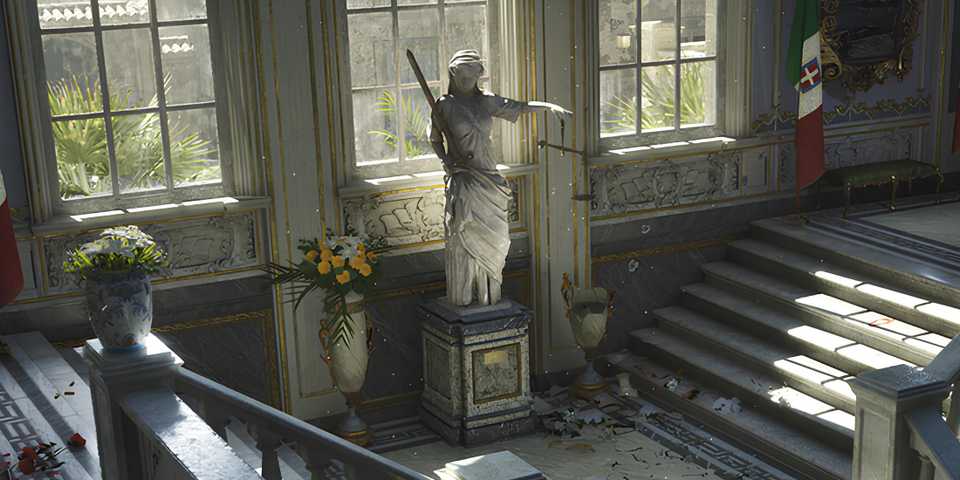
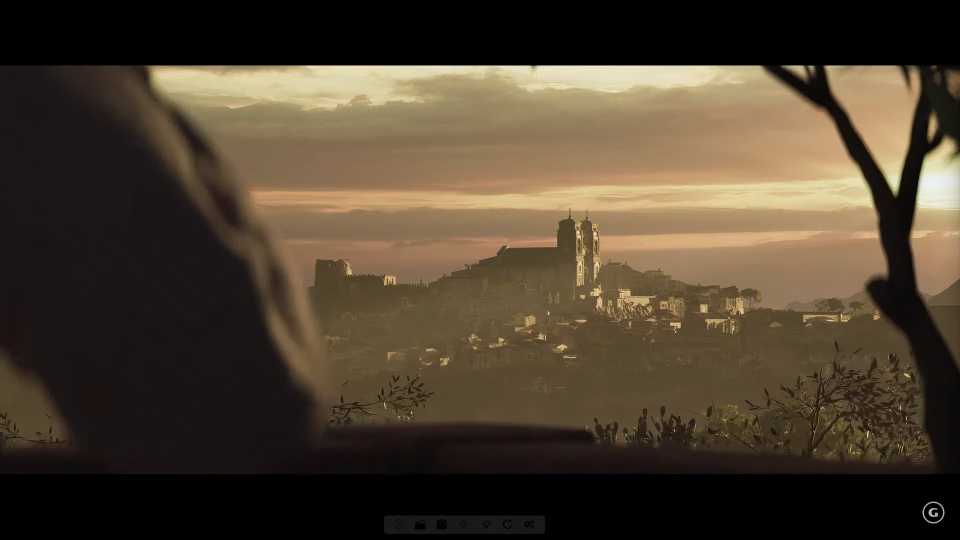
The setting of Mafia: The Old Country truly stands out against the wider franchise, featuring the most historic and traditional location of any mainline game for the series. The Old Country takes place in the fictional Sicilian town of San Celeste, which made a brief appearance in the series' past. San Celeste is already standing out compared to the previous major settings of the Mafia IP, having some huge differences compared to Lost Heaven, Empire Bay, and New Bordeaux.

Mafia: The Old Country Has Gone Gold
Mafia: The Old Country developer announces that the highly awaited action-adventure game has gone gold, several weeks ahead of its release.
San Celeste Will Give Mafia: The Old Country a Distinct Feel Compared to Past Settings
San Celeste first appeared in Mafia 2 as the setting of the WW2 combat segments that players engage in towards the start of the game's story. The San Celeste that players will see in The Old Country will be about 40 years younger than what was seen in these war sequences, although fans can still get a good idea of how the region will look and feel. As a historic Mediterranean town, San Celeste is typified by its old-fashioned coastal settlements, whitewashed buildings, and winding dusty roads.
With the original Mafia featuring a 1930s setting, San Celeste is most closely comparable to that game's setting, Lost Heaven. These comparisons only come from things like some weaponry and vehicles, however; Lost Heaven's inspirations largely come from Chicago and the wider east coast of the USA. The bustle and large-scale industrialization of Lost Heaven is in direct opposition to the quiet, rural, and archaic San Celeste. Compared to the chaos of past games, The Old Country's narrative will seemingly be slower paced to reflect this.
Despite first appearing in Mafia 2, the 2010 title's major setting of Empire Bay is also significantly removed from what San Celeste is aiming to portray. Empire Bay stands as Mafia's ultimate tribute to the United States, featuring a blend of many design elements inspired by major cities across the USA. This inspiration largely informed the infrastructure and opportunities available in Mafia 2's map, with San Celeste likely being much less populated and less developed.
The Old Country's San Celeste is the Antithesis of Mafia 3's New Bordeaux

The maps for both Mafia and Mafia 2 are fairly small, estimated to be around 12 square miles in size. This was a design approach that Mafia 3 completely ignored, with New Bordeaux being roughly 2.5 times larger than Lost Heaven and Empire Bay. Many fans found the massive map of New Bordeaux in Mafia 3 to be lacking in substance, which has apparently been taken into account for The Old Country.
Hangar 13 has been very forward with its more focused design approach with The Old Country, with San Celeste likely being much smaller than New Bordeaux. Like Empire City and Lost Heaven, the smaller scale of San Celeste will allow the region to feel more alive and organic. This will be more important than ever given the historic setting of San Celeste, with the lack of more modern technology and amenities in the locations hopefully being balanced out by an immersive and highly detailed map. While the scale and detail of San Celeste is likely to match closely with Mafia and Mafia 2's settings, the Italian location doesn't have the same bells and whistles to hide behind. The Old Country's San Celeste will hopefully achieve more with less, with its slower pacing standing starkly against the mainline settings that have come before it.
The smaller scale of Mafia: The Old Country has caused a lot of curiosity over the game's length, with many pointing to Mafia 1's 10-12 hour average completion time as a potential comparison.


Mafia: The Old Country



-
 OpenCritic Reviews
- Top Critic Avg: 74 /100 Critics Rec: 66%