


Summary
- Mark Harmon discussed the early real-case premise for NCIS, but the show shifted to more fictionalized and over-the-top storylines.
- The format change to fictional cases allowed NCIS to remain entertaining, even though it deviated from the original real-case concept.
- While some episodes may be based on real cases, NCIS is primarily fictionalized for entertainment, maintaining a balance between realism and suspension of disbelief.
As a fan of the action-packed and character-driven procedural NCIS, I miss former characters like Kate Todd (Sasha Alexander) and fan-favorite Leroy Jethro Gibbs (Mark Harmon), and I'm always curious about their recent career decisions. I also like hearing what they have to say about their time on NCIS, especially since Harmon is still very much involved with the franchise. The actor executive produces and narrates the prequel NCIS: Origins, which is a fun look at how Gibbs began his adventurous career.
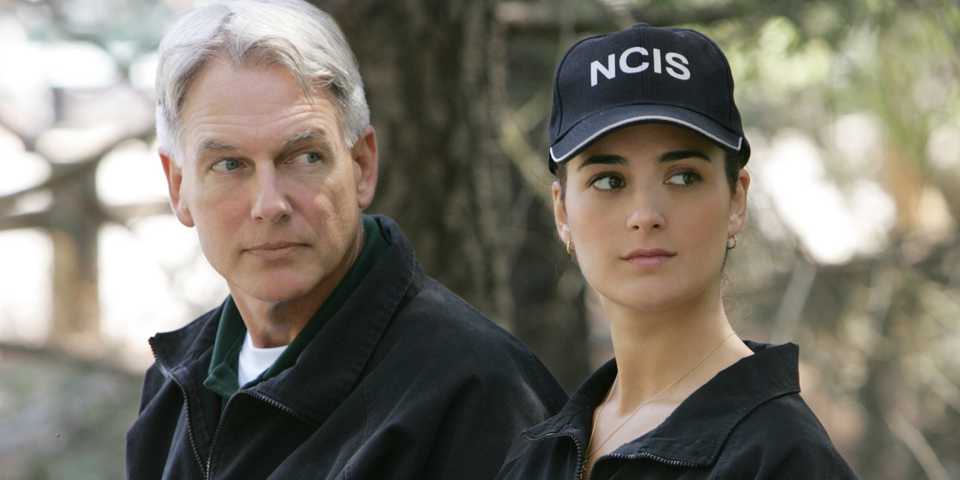
While it has been several years since Harmon appeared on NCIS, he of course still gives many interviews about the CBS show, and I enjoy reading them. Harmon talked about the early premise for the show that he starred on from 2003 to 2021, and it got me thinking about what that could look like.

What Happened To Burgess's Sister In Chicago PD?
Kim Burgess is one of the smartest characters on Chicago PD, and her sister has a memorable plotline on the NBC drama.
Mark Harmon Talked About The Original NCIS Storyline & I'm Intrigued

In a November 2024 interview with The Hollywood Reporter, Mark Harmon talked about the early idea for NCIS and said:
"When I first joined the show, part of what they sold me on was that this was all going to be based on real cases. But pretty soon, it settles into murder-a-week because that’s television, right?"
Harmon is right that NCIS and other procedurals, from Chicago P.D. Which is in its 12th season to the police drama The Rookie, have to be entertaining. While all of these shows have realistic moments, from characters learning hard lessons to the stressful reality of having this type of job, they have some more sensational storylines, too. But now that I know that the early NCIS premise was fictionalizing real cases, I'm wondering what that version of this popular show would have looked like, and I'm torn on what it would have looked like.
The most recent episode of The Rookie, "Mad About Murder," examines the line between true crime and entertainment, and if NCIS was about cases that really happened, the show could have delved into that topic, too. I think that would be compelling, especially since it's a question that many fans of the true crime genre debate often.
If every NCIS episode were based on a real case, though, that would make them more devastating than entertaining. It's easy to understand why the premise changed to fictional cases that are sometimes over-the-top. There's no denying that the NCIS premise works great, and the fact that the show is on season 22 is a testament to that. As Harmon said, the format of TV demands adventure-packed and fast-paced episodes, and that means the agents have to work on a wild case every single week. It makes sense that there are storylines on the show that might not really happen. As one fan put it on Reddit:
"at some point in the later seasons I noticed that things had become more fantastical, the forensics seem a little flimsier and more like magic, and the series just requires more suspension of disbelief. Oh well."
Are Any NCIS Episodes Based On Real Cases?

It's unclear exactly how many NCIS episodes come from actual cases, but it sounds like there are some. The New York Post reported in 2012 that while a few cases actually happened, the NCIS isn't sharing that information publicly in order to keep privacy for the victims.
It's interesting to learn that Leon Carroll Jr., who was a Marine, is the technical advisor for NCIS, and he talks to the producers to ensure that the right words are used. It's also interesting to hear about how NCIS actually works. Communications director MaryAnn Cummings told USO.org:
“It is entertainment. It’s the Hollywood version.”
Public affairs officer Ed Buice also told USO.org that while the characters experience tension because of jurisdiction, that doesn't really happen. It's also important to note that although the fictional NCIS agents deal with murders, the agency handles other things such as crime prevention, counterintelligence, counterterrorism, and crimes related to the economy.

- Release Date
- September 23, 2003
- Network
- CBS
- Showrunner
- Donald P. Bellisario
- Directors
- Dennis Smith, Terrence O'Hara, Tony Wharmby, James Whitmore Jr., Thomas J. Wright, Michael Zinberg, Arvin Brown, Rocky Carroll, Diana Valentine, Leslie Libman, Tawnia McKiernan, Colin Bucksey, William Webb, Bethany Rooney, Alrick Riley, Jeff Woolnough, Alan J. Levi, Lionel Coleman, Martha Mitchell, Peter Ellis, Michael Weatherly, Edward Ornelas, Stephen Cragg, Tom Wright
- Writers
- George Schenck, Frank Cardea, Jesse Stern, John C. Kelley, Jennifer Corbett, Christopher Silber, Reed Steiner, Nicole Mirante-Matthews, Jack Bernstein, Scott J. Jarrett, Matthew R. Jarrett, Kimberly-Rose Wolter, Don McGill, Gil Grant, Frank Military, Nell Scovell, Steven Kriozere, Brian Dietzen, Kate Torgovnick May, Jeff Vlaming, Sydney Mitchel, Katie White, Richard C. Arthur, Laurence Walsh





WHERE TO WATCH
- Cast
- Sean Murray, david mccallum, Mark Harmon, Rocky Carroll, Brian Dietzen, Pauley Perrette, Jeff Galfer, Jessica Jade Andres, Tyler Parks, Cary Christopher, Michael Weatherly, Wilmer Valderrama, Katrina Law, Cote de Pablo, Sasha Alexander, Emily Wickersham, Lauren Holly, Maria Bello, Duane Henry, Diona Reasonover, Jennifer Esposito, Gary Cole, Amy Tipton, Stacy Haiduk, Alex Fernandez
- Franchise(s)
- NCIS
- Creator(s)
- Don McGill, Donald P. Bellisario


The Rookie Season 7 Episode 13 Ending, Explained
The Rookie season 7's latest episode tells a gripping story that dives into the LAPD officers' personal and professional lives.