


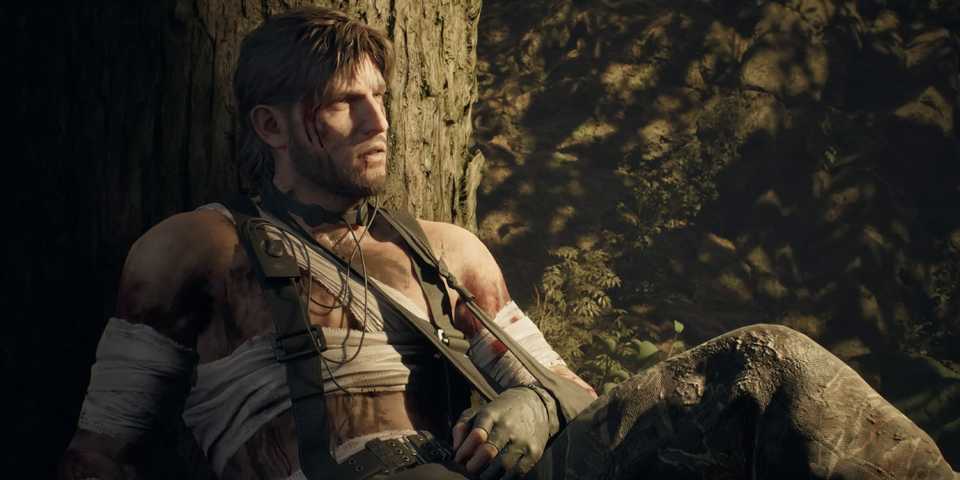
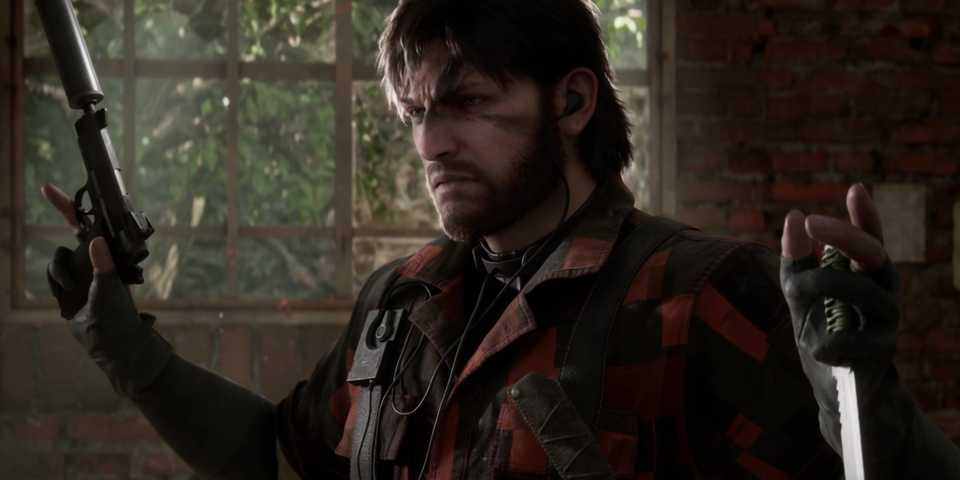
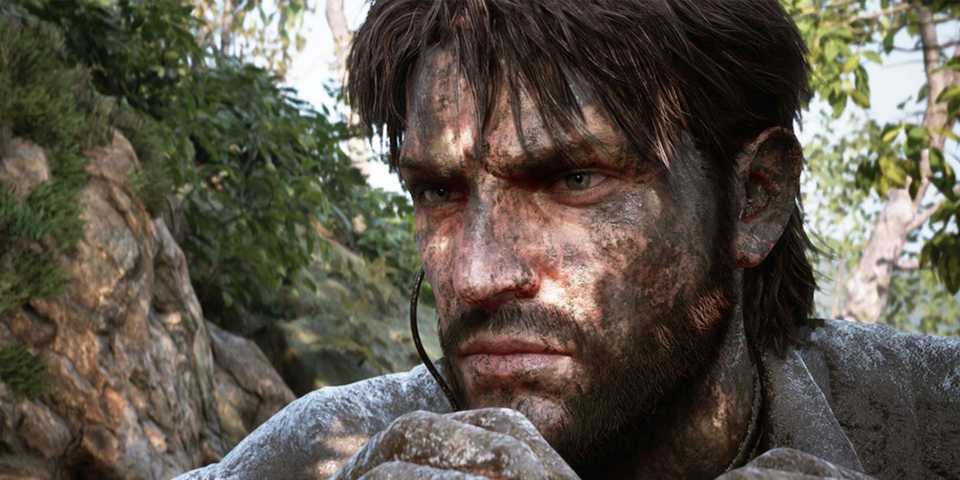
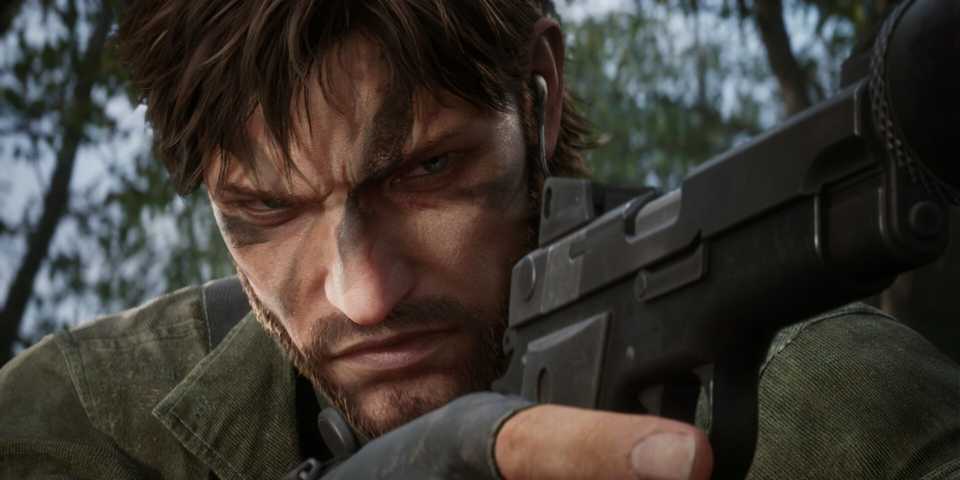
It has been ten years since the release of Metal Gear Solid 5: The Phantom Pain, and Metal Gear Solid Delta: Snake Eater looks like the grand return the series needed. As a remake of the beloved third entry of the franchise, Metal Gear Solid Delta: Snake Eater promises to deliver a faithful experience for long-time fans, as well as some new additions to keep the game fresh and push it into the modern era.
After the release of the controversial Metal Gear Survive, the future of the Metal Gear Solid series looked uncertain without the guidance of Hideo Kojima, but Metal Gear Solid Delta has the potential to shift perceptions. Though Kojima is still not at the helm for the upcoming Metal Gear Solid title, his work on Death Stranding 2 could have some influence over Metal Gear Solid Delta.

Metal Gear Solid Delta: Snake Eater’s Latest Quality of Life Feature is Worth Trading Realism For
Metal Gear Solid Delta is bringing the hit game back with a modern coat of paint, and one major change is worth the shake-up.
Metal Gear Solid Has a Confusing Timeline
As convoluted as the world of Death Stranding can be, this is par for the course for Metal Gear Solid fans. The intertwining timeline of the series and its range of concepts can be baffling to even the most dedicated of fans. It is a series with a lot of moving parts to keep track of, but thinking about them too hard reveals that much of Metal Gear Solid makes no sense. Metal Gear Solid Delta has a unique opportunity to rectify some of the franchise’s more confusing elements, making the story more streamlined and cleaning up any plot holes and inconsistencies.
As a remake of the first Metal Gear game chronologically, newcomers may have a slightly easier time understanding the plot of Metal Gear Solid Delta, but its story is one of the series’ most complex. Considering that there are also some characters and references which call back to games released earlier, it can still be very easy for players to feel lost. One solution could be for Metal Gear Solid Delta to look to Death Stranding 2 for inspiration, borrowing the Corpus feature to make the story easier to follow.

Death Stranding 2's Corpus is a Masterclass in Worldbuilding FromSoftware Can't Ignore
Death Stranding 2 is as crazy and off-the-wall as its predecessor, but it has at least one lore delivery device that puts it above other games.
DS2’s Corpus Feature Is a Perfect Fit for MGS Delta
Corpus Clears Up Narrative Confusion
The Death Stranding games have never been afraid to break convention, resulting in strange experiences that can’t easily be compared to any other game. Death Stranding 2 pushes this further, utilizing new and innovative ways for players to engage with the game and its world. Instead of leaving players confused and piecing together what limited information they have, Death Stranding 2 is more accessible in its approach to storytelling thanks to the new Corpus feature.
The Corpus in Death Stranding 2 features all the information players could need about the game’s plot, environments, and characters. It is updated in real time with story information that players can refer back to, as well as a databank of characters and keywords that are not explained in the game’s cutscenes. This lets players dive deeper into the world of Death Stranding 2, giving new context to character interactions.
As great as this feature is for understanding the complexities of Death Stranding 2, it can also be ideal for newcomers and players who need a recap of the first Death Stranding game. The story recap goes over all the main story events from the original to make sure that players don’t feel lost during the complex narrative of Death Stranding 2.
Corpus Could Give MGS Delta’s Story Needed Context
By adopting the Corpus feature from Death Stranding 2, Metal Gear Solid Delta could give players the opportunity to better understand the game’s plot. Players with only peripheral knowledge of the series may not know the differences between Metal Gear Solid’s similar characters, so giving Metal Gear Solid Delta players a databank to refer back to could help to make these distinctions more clear.
Although Metal Gear Solid 3 – and, by extension, Metal Gear Solid Delta – are prequels to earlier games in the series, the game still makes reference to events in the timeline’s future. One example is MGS3’s Time Paradox game over screen, occurring when a character who canonically appears later in the timeline is killed. Metal Gear Solid fans will already be aware of why this should not be able to happen, but players starting with Metal Gear Solid Delta may be confused about why this would cause a paradox. With the Corpus feature, players could be given context about the character’s relevance in the chronological future.
If Metal Gear Solid Delta includes a feature similar to Death Stranding 2’s Corpus, it could give subtle hints at some of the game’s secrets. MGS3’s The End can be defeated in multiple ways, some of which the game doesn’t tell players about. They can kill him as part of one of the game’s boss fights, but players can also take him out earlier when he is in his wheelchair. Alternatively, players can save the game during the boss fight and return to the game a week later in real time, upon which The End will have died of old age. These are optional secrets in the game, and the Corpus feature could be used to give players hints at how to instigate these unique interactions. This would need to be handled carefully, however, ensuring that the Corpus entry does not spoil the discovery for players.
Metal Gear Solid 3 is a fan favorite entry in the series, often considered the best game the Metal Gear game the franchise has to offer. Metal Gear Solid Delta: Snake Eater has a lot to live up to as its remake, but it also has the potential to improve upon its predecessor with some new features to help it stand alongside its modern contemporaries. To combat the confusing plot and timeline of the Metal Gear Solid games, Metal Gear Solid Delta could greatly benefit from Death Stranding 2’s Corpus feature, helping to guide players through the story.




-
 OpenCritic Reviews
- Top Critic Avg: 85 /100 Critics Rec: 89%




WHERE TO PLAY



- Engine
- Unreal Engine 5
- Genre(s)
- Shooter, Adventure, Stealth
