


Summary
- Speaks only when needed - Boss' rare lines feel profound and deepen his mystery.
- Master of CQC - Boss outmaneuvers foes with precision, yet he's human and not flawless.
- Tragic arc of a hopeful hero; iconic voice and surprising playful side.
While the mysterious figure known as Big Boss does technically appear in the first Metal Gear game, he isn't actually a playable protagonist until the third mainline entry in the series, Snake Eater. Solid Snake had hogged the spotlight for the first two games, so by the time that Big Boss became playable, it didn't take long for fans to fall in love with him.

Best Characters Created By Hideo Kojima, Ranked
Hideo Kojima is one of the greatest auteurs in video games, and with his incredible games come even more incredible characters.
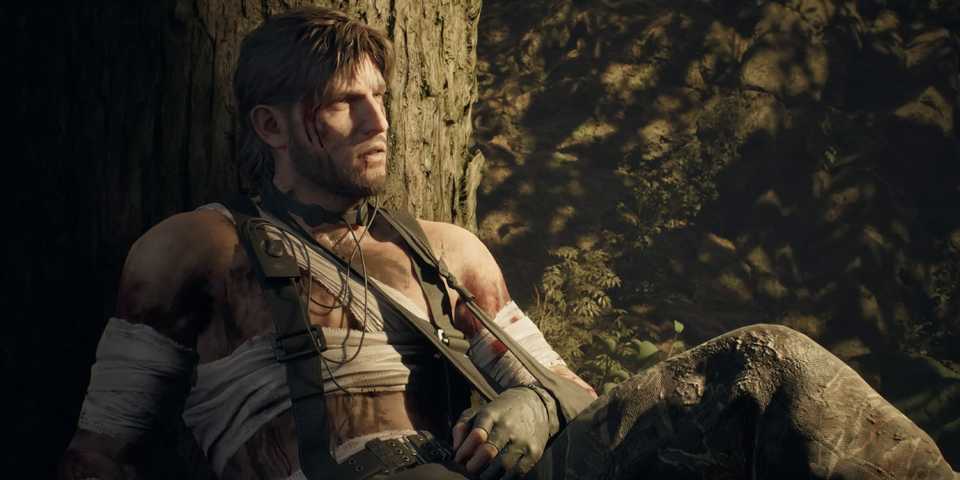
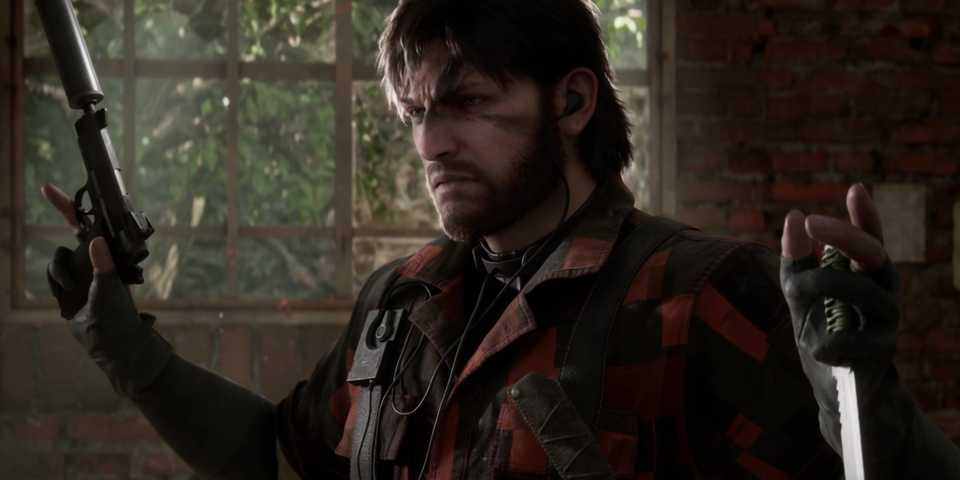
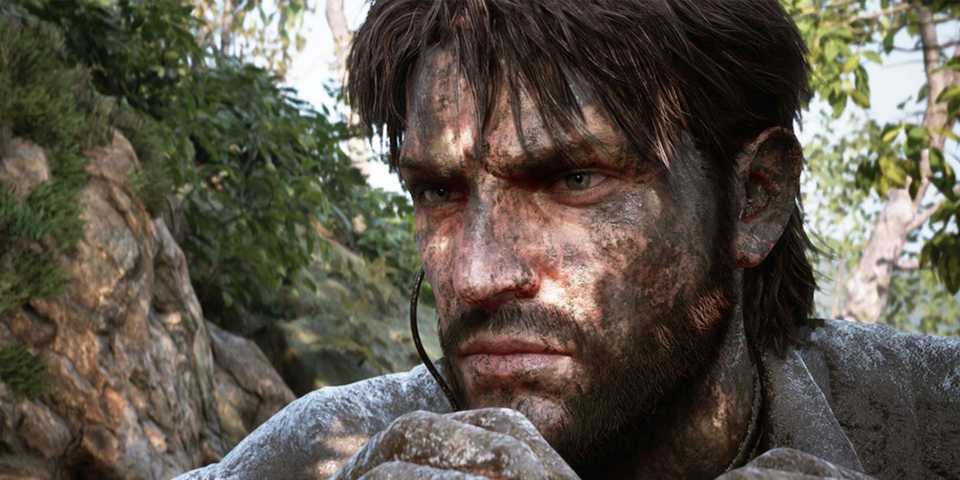
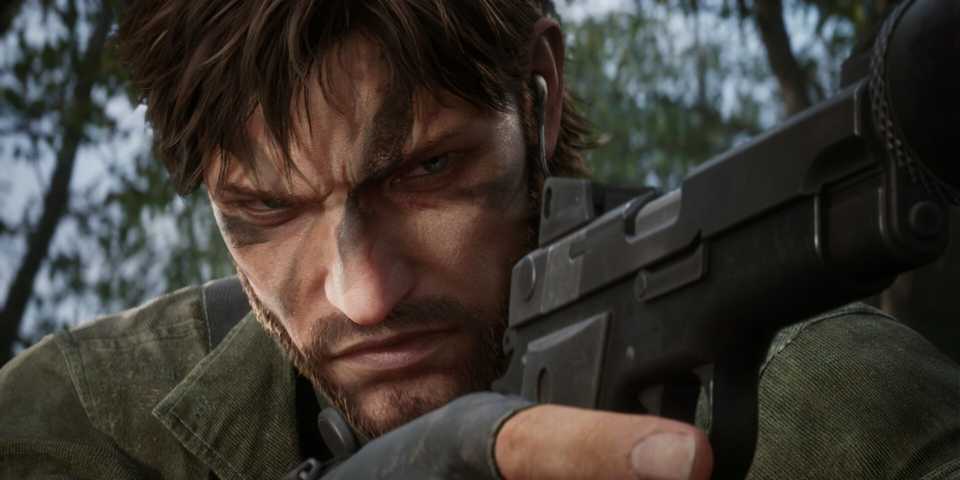
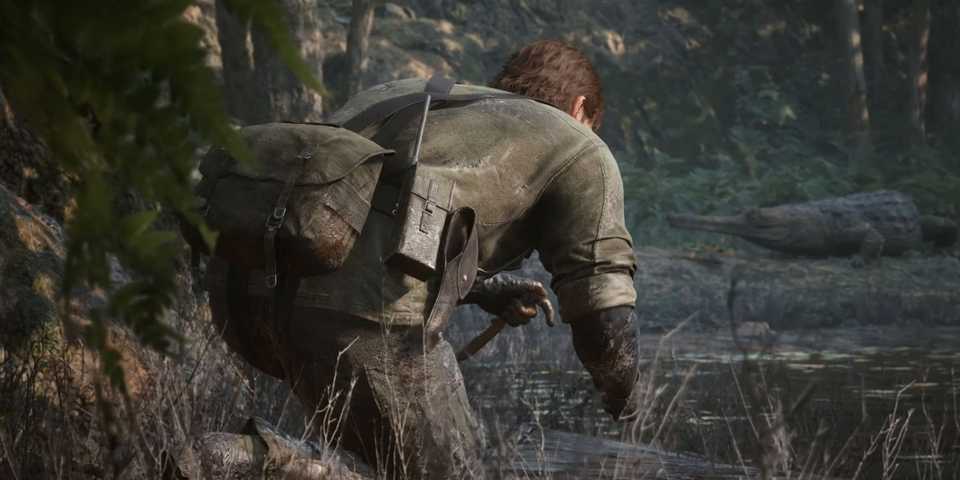
Whether it's his fascinating backstory, his endless charisma, or even just his fascination with guns and gadgets, there's a lot to admire about the legendary figure who plays the leading role in Metal Gear Solid 3: Snake Eater. With the hotly anticipated remake of that classic game now being released for fans to enjoy, it seems like the perfect time to reflect on what makes Big Boss such an iconic protagonist, and why exactly so many fans of the series look back on him so fondly.
His Words Have Meaning
Big Boss Won't Speak Unless Absolutely Necessary, Giving Him A Secretive Persona

Considering players will be spending many hours following the protagonist of any video game, it can get a little irritating if the star of the show is a massive chatterbox who just can't stop talking. Big Boss, however, only ever speaks if he really needs to, which lends him a very mysterious that makes fans want to learn more about his character and what he's actually thinking. However, this also means that anytime Big Boss decides to open his mouth, his words tend to be very profound and meaningful.
For example, while Ocelot may enjoy bragging to Big Boss about his revolvers and how great he is at firing them off any time they meet, Big Boss will only reply if he's able to give some advice on where his opponent went wrong in the battle. In fact, he even has a tendency to repeat words that other people have already said as a way to get them to delve deeper into what they mean, which is something he's been taught as a soldier.
He's A Master At CQC
Not Many People Can Match Big Boss In Close Combat

While it's not uncommon for a video game protagonist to start their story as fairly naive and inexperienced, this certainly doesn't apply to Big Boss. As someone who has already built a reputation for being a warrior on the battlefield, Big Boss knows how to hold his own in a fight, especially when it comes to CQC (Close Quarters Combat). It's always an absolute joy seeing Big Boss outmaneuver his opponents with clever movements and techniques to catch them off guard.

9 Best Final Lines In Metal Gear Solid Games, Ranked
From tense cliffhangers to witty one-liners, these final lines have gone down in the history of Metal Gear Solid games as some of the best.
The most popular example of this is when Big Boss utterly embarrasses Ocelot early on in Metal Gear Solid 3. The crude soldier may talk a big game at first, but after his gun jams on him, Big Boss takes the opportunity to apprehend him without breaking a sweat. To put it simply, it's badass to see the protagonist performing take-downs on his enemies with such accuracy and precision, without needing to learn all of this as part of a lengthy training mission in the game itself.
His Iconic Voice
David Hayter Pulls Off An Excellent Performance As a Hardened But Friendly Big Boss

Any time that a new Metal Gear project is announced, one of the first questions fans will ask is whether David Hayter will be voicing Big Boss or Snake. This is a testament to how iconic Hayter's voice has become, especially in relation to Big Boss, who he voiced not only in the original Metal Gear Solid 3, but also in Metal Gear Solid: Delta. The deep and raspy inflections of Hayter's voice suit a hardened warrior like Big Boss perfectly, but he also has a curious tone that he can put on, which feeds into the protagonist's playful side.
Just from hearing his voice, players can immediately tell that Big Boss is not someone to get on the wrong side of, and only the best voice actors can convey so much about a character by uttering just a few words. As a result, it's a big reason why fans adore the character, but also why so many of Big Boss' lines have become popular quotes within pop culture; it's always fun to try and imitate the man who originally said them.
He's Not Afraid To Show His Goofy Side
The Sharp, Stoic Soldier Isn't Against Having Fun Now And Again

Typically, games that feature a protagonist as stoic and serious as Big Boss would desperately try to avoid involving him in goofy interactions, considering it could break the persona that the developers are going for. As with the majority of Kojima games, this isn't really an issue in Metal Gear Solid 3. Big Boss strikes a healthy balance between being cool, calm, and serious, but also has a little bit of fun every now and then.

Things You Might Not Know About The Development Of Metal Gear Solid 3: Snake Eater
From cut bosses to missing mechanics, Metal Gear Solid 3: Snake Eater went through some changes.
Whether it's throwing on a crocodile suit to blend in with the environment, or snacking on something that is clearly poisonous, only to then comment on how bad it tastes, this is a protagonist who is never shy about goofing off to break up the tension, and it's a big reason why he has become so beloved. Metal Gear Solid 3 can get pretty dark at points in its story, so having someone around to lighten the mood is much appreciated.
He's Strong, But He's Not Perfect
Which Helps To Humanize Him As A Character

At the beginning of Metal Gear Solid 3, after Big Boss launches himself out of a plane and into the jungle, it's easy to assume that this guy is simply the best of the best, and in many ways, the perfect soldier. However, it's not long before he comes face-to-face with the Boss, who single-handedly defeats the protagonist in close-quarters combat after challenging him on the bridge.
The complex relationship between Big Boss and his mentor highlights that, though he may be an incredibly strong and wise soldier, he still has a long way to go. This is a clever way to humanize the character so that he comes across as more sympathetic and relatable to the player. After all, it would be hard to connect with him if he was just an invincible super solider who had no flaws to speak of. By giving him an end goal that pushes him to be better, it allows Big Boss to present himself as someone who is more than just a typical one-note video game character.
He Has A Fascinating Backstory
A Hero Turned Villain Who Had Big Dreams Of How The World Should Be

Despite being the protagonist in the third game of the series, this wasn't the first instance that longtime Metal Gear fans encountered the character. Big Boss actually made his debut in the first Metal Gear game. And he was a villain. Since Metal Gear Solid 3 is a prequel, it allowed the character to remain relevant within the wider lore for many years, as fans were clamoring to learn more about who he was, and what his ultimate goal was.
Metal Gear Solid 3 showcased the fragility of national alliances on the global stage and how this impacted Big Boss' outlook on the world as a soldier. His true fall from grace would be chronicled in Peace Walker and Metal Gear Solid 5: The Phantom Pain, leading to his role as an antagonist in the first Metal Gear, which takes place after these other two games in the timeline. In many ways, this makes the Metal Gear Solid franchise the story of Big Boss, a tragic figure who, despite having hopeful dreams, ends up being seen as a villain at the end of his long and arduous journey.




-
 OpenCritic Reviews
- Top Critic Avg: 85 /100 Critics Rec: 89%




WHERE TO PLAY



- Engine
- Unreal Engine 5
- Genre(s)
- Shooter, Adventure, Stealth
