Summary
- Monsters in Monster Hunter Wilds adapt strategies based on player actions, increasing fight unpredictability.
- Enhanced sensory perception in Monster Hunter Wilds' monsters creates a more realistic gameplay experience.
- Monster Hunter Wilds' monsters exhibit lifelike predator-prey relationships and territorial disputes for a dynamic ecosystem.
One of the most important design principles of a Monster Hunter game is that its monsters behave in such a way that offers players a significant challenge to overcome. While Monster Hunter Wilds' might be on the more accessible side when it comes to other mainline Monster Hunter games, it still raises the bar for monster AI in gaming, as its monsters behave in a much more natural and realistic way than any installment before it.
Video games can certainly get away with featuring bland enemy monsters that are simply fodder useful for little more than impeding the player's progress toward their main objective. However, if there were ever a series that should place more of an emphasis on realistic monster behavior, it's Monster Hunter, and Monster Hunter Wilds effortlessly accomplishes that with monsters that exhibit complex behaviors and contribute to what feels like a real, dynamic ecosystem.

The Unwritten Rules of Monster Hunter Wilds Explained
Monster Hunter Wilds may be the most accessible entry in the franchise to date, but players should still adequately prepare before they set off.
Monster Hunter Wilds' Monsters Behave Realistically
Monsters Adapt Their Strategies Based on Player Actions
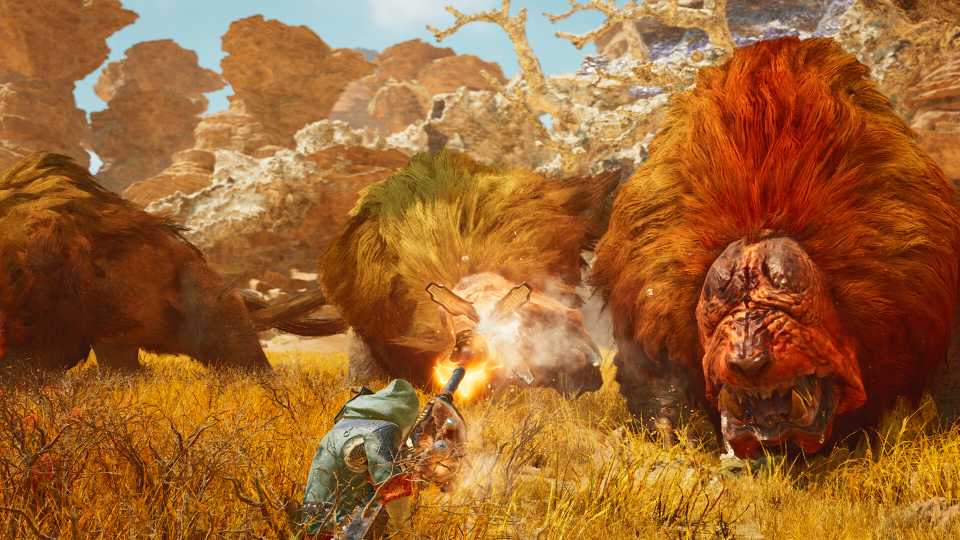
Firstly, Monster Hunter Wilds' monsters adapt their strategies based on player actions, making each fight a bit more unpredictable than the last. This has always been a core principle of the Monster Hunter series, with monsters performing actions like fleeing if they feel they are in danger and need to rest and recover. However, Monster Hunter Wilds' new mechanics take this unpredictability up a notch by featuring monsters that will change their attack patterns based on the actions of the player and even call for or retreat to allies for assistance.
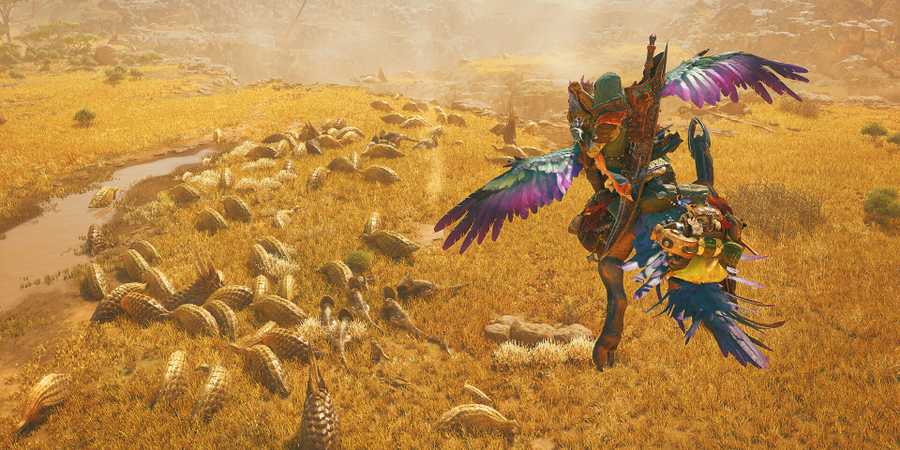
This is where Monster Hunter Wilds' herd mechanics come into play, as they can really shake up the dynamics of a fight right when players think they've got the upper hand. Occasionally, Monster Hunter Wilds' monsters will flee to a herd in the middle of a fight, strongly encouraging players to focus on breaking up the herd with Pods before they reengage their primary target.
Monsters Have Enhanced Sensory Perception
Monster Hunter Wilds' monsters also have enhanced sensory perception, allowing them to be portrayed in a more realistic light and encouraging players to be more wary of their actions. If players wish to avoid triggering a fight with a nearby monster, they need to remain constantly aware of their surroundings and ensure they don't do anything out of the ordinary, as many of Monster Hunter Wilds' monsters may react to sudden movements, loud noises, or the smell of the hunter.
Even calling the Seikret in Monster Hunter Wilds can alert a monster nearby and trigger a fight.
Predator-Prey Relationships and Territorial Disputes Occur More Naturally
Monster Hunter Wilds' monsters are even more lifelike in their predator-prey relationships and territorial disputes. Of course, this is not necessarily new to the Monster Hunter franchise, as Monster Hunter: World's Turf Wars mechanic is responsible for first introducing true predator-prey mechanics to the mainline series. However, Monster Hunter: World's take on the feature was largely static, with scripted monster animations, behaviors, and interactions. Monster Hunter Wilds, however, removes that script for more organic relationships between monsters.
In Monster Hunter Wilds, monsters will actively hunt, stalk, and chase prey more naturally rather than just engaging in scripted battles. Smaller creatures also have better survival instincts, reacting more intelligently to threats, looking for cover, or even cooperating to evade predators. The time of day and weather in Monster Hunter Wilds can also affect monsters, making some predators more aggressive at certain points and thereby increasing the natural activity in the world.
Monster Hunter Wilds' monsters adapt their strategies based on player actions, making each fight a bit more unpredictable than the last.
Monster Hunter Wilds has taken major leaps toward offering a living, breathing ecosystem where monsters are more than just obstacles. From their ability to alter strategies mid-fight to their heightened sensory awareness and challenging herd dynamics, these creatures feel more lifelike than ever before. By foregoing the rigid scripts of past entries and applying a more emergent approach to monster behavior, Monster Hunter Wilds delivers an experience that challenges players to think, adapt, and respect the world they hunt in.




-
 OpenCritic Reviews
- Top Critic Avg: 89 /100 Critics Rec: 95%