Summary
- Monster Hunter Wilds encourages thoughtful play with a more complex AI and new mechanics for a rewarding experience.
- Focus Mode and Wound System require players to observe and strategize closely during battles and monster encounters.
- Weapon swap mechanic and advanced monster behaviors in Wilds emphasize adaptability and tactical decision-making for players.
Since its humble beginnings, the Monster Hunter series has encouraged players to remain on their toes at all times, particularly through its immense difficulty. It has long tested the physical and mental preparedness of players and their characters through challenging battles with vicious foes, encouraging players to put as much thought as possible into each fight and the path leading up to it. However, Monster Hunter Wilds might be more rewarding for thoughtful play than any entry before it, thanks to some improvements in AI and new mechanics.
So far, Monster Hunter Wilds' difficulty has been one of the main points of contention surrounding it, as Monster Hunter vets feel that it is too easy. As such, one might think Monster Hunter Wilds' gameplay wouldn't require as much thought. On the contrary, it still very much requires players to consider their actions carefully, especially newcomers.

Monster Hunter Wilds' Combat System Feels More Cinematic Than Ever
Monster Hunter Wilds pulls out all the stops to ensure its gameplay isn't only engaging, but also achieves a level of unprecedented spectacle.
Monster Hunter Wilds' Encourages Players to Take a More Thoughtful Approach
Focus Mode and the Wound System Encourage Players to Pay Closer Attention
A major aspect of Monster Hunter's combat has always been a test of the player's observational skills, as monsters have no health bars or MMO-style telegraph or AoE indicators. Instead, players are required to learn each monster's attack patterns through repeated encounters and pull out all the stops to stay out of harm's way when they see their enemies beginning to unleash an attack. Additionally, a lack of health bars means players essentially can only see a light at the end of the tunnel if they are observing a monster carefully and looking for signs of exhaustion or weakness.
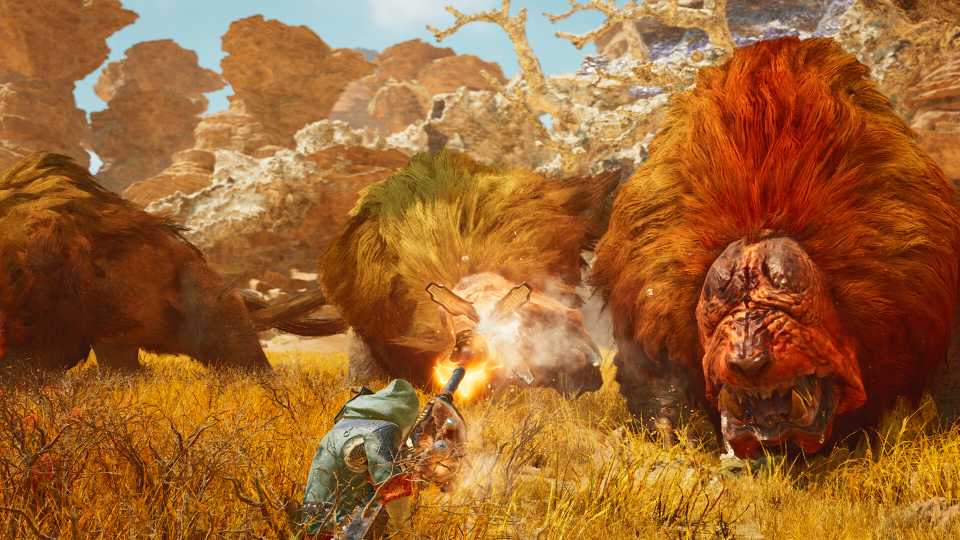
Monster Hunter Wilds tests those observational skills even more by adding yet another element for players to keep their eyes on with its aptly-named Focus Mode and the Wound system that complements it. With Focus Mode in Monster Hunter Wilds, players can target specific parts of a monster's body until a Wound is exposed there. Then, attacking the Wound can either destroy it for extra damage or trigger a Focus Strike that does even more damage overall, meaning players are encouraged to watch their enemies more closely than they ever have if they truly want to get ahead in battle.
Monster Hunter Wilds' Weapon Swap Mechanic Encourages Deeper Strategy

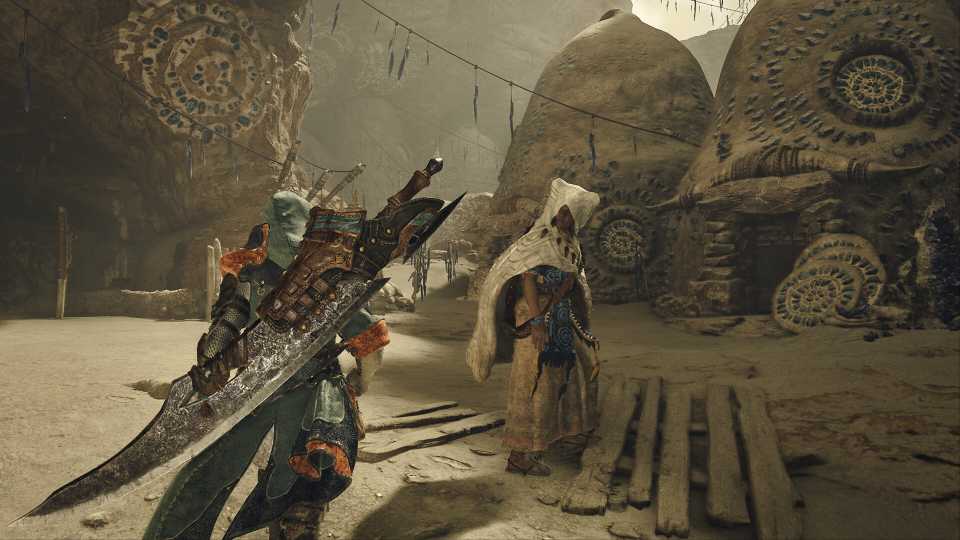
Another unprecedented mechanic introduced by Monster Hunter Wilds is the ability that players now have to take two weapons with them on a hunt and even swap between them at any time. In the past, players have only been allowed to take one weapon with them, and while that has proven to be enough, it doesn't offer the same level of thoughtful, strategic play that Monster Hunter Wilds' weapon swapping does. Since players have the ability to carry more than one weapon and swap them at any time, they can prepare for each hunt more strategically than they ever could before.
Monster Hunter Wilds' Monsters Exhibit More Complex Behaviors
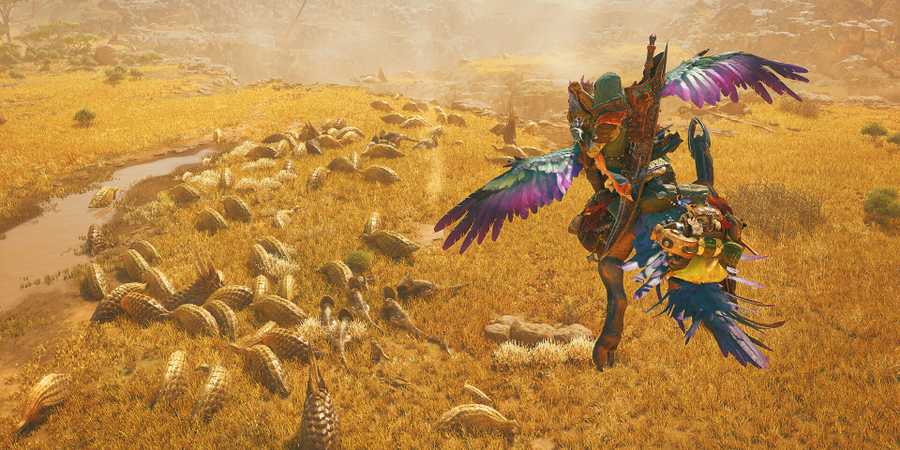
Finally, Monster Hunter Wilds encourages and rewards thoughtful play by giving its monsters more complex behaviors than the series' monsters have ever exhibited before. One of the most disruptive ways monsters behave differently in Monster Hunter Wilds is in the game's herd dynamics. In the middle of a fight, a monster might flee to a pack of its smaller kin, after which players are encouraged to separate the pack to bring balance back to the fight. Additionally, monsters now adapt to player attack patterns, regularly changing their responses if players stick to a routine. This encourages players to evolve their strategy on the go rather than offering them straightforward battles.
A major aspect of Monster Hunter's combat has always been a test of the player's observational skills, as monsters have no health bars or MMO-style telegraph or AoE indicators.
While some might claim it is all-around easier, Monster Hunter Wilds merely refines the series' difficulty by shifting the focus towards adaptability and tactical decision-making more than ever. With Focus Mode, Wounds, weapon swapping, and advanced monster AI, every hunt demands a level of observation and strategy that goes beyond simply memorizing attack patterns. Instead of relying on brute force, players are encouraged to read their opponents more carefully than ever, adjust their approach mid-fight, and anticipate how the world around them will react as a result.




-
 OpenCritic Reviews
- Top Critic Avg: 89 /100 Critics Rec: 95%