


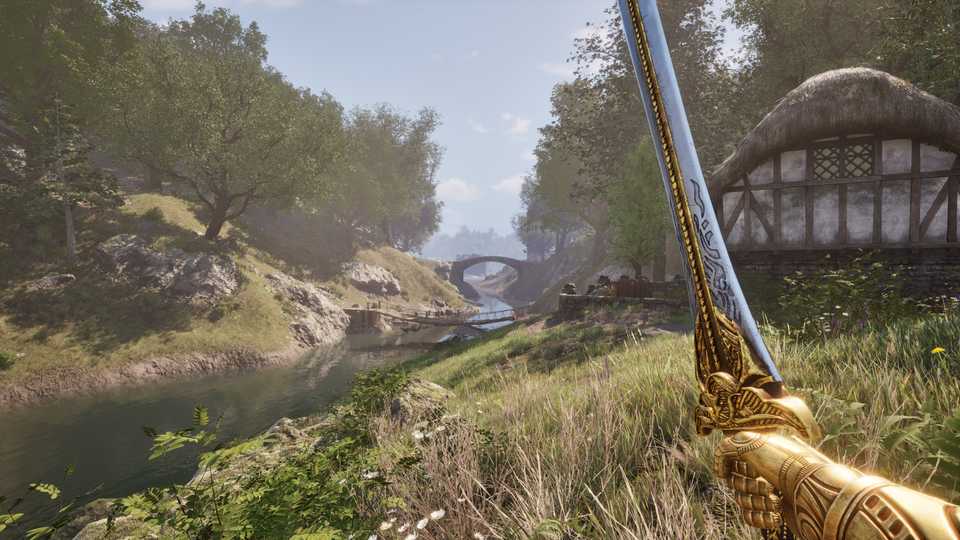
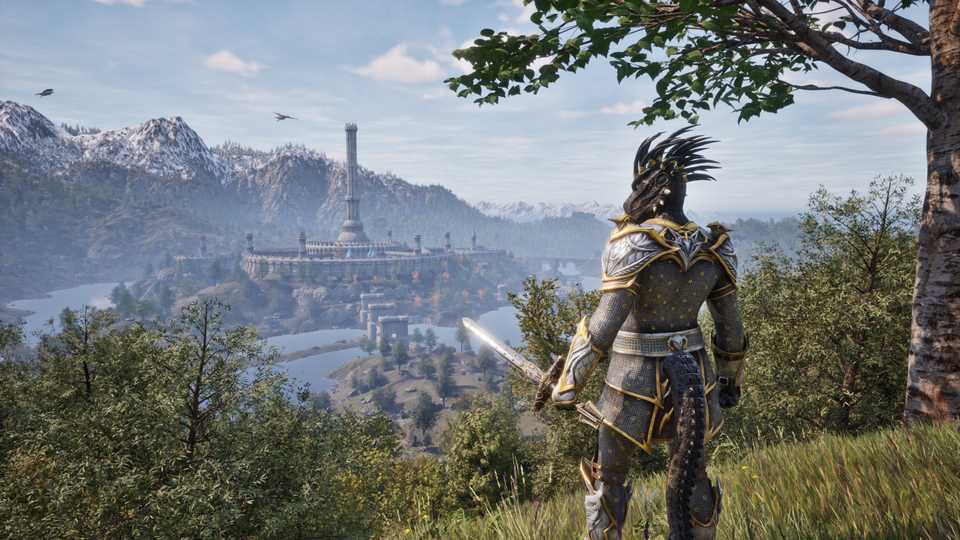
Though it doesn’t recreate the original from the ground-up, Oblivion Remastered is nevertheless a fantastic achievement for both Bethesda and Virtuos. Indeed, the recent release has often been referred to as more of a remake than a genuine remaster, so significant and transformative are its visual upgrades and mechanical tweaks.
But underneath Oblivion Remastered's newfound glitz and gloss is, for the most part, the same seminal RPG released back in 2006. There have been some key changes made on a small scale, such as the much-needed addition of a sprint mechanic, but Oblivion Remastered is very much a 2006 game in its general construction: it lacks the modern conveniences of its contemporaries, foregoing more transformative changes like those seen in the likes of Resident Evil 2 Remake or Final Fantasy 7 Rebirth. Generally speaking, this is a good thing, as it keeps the original’s identity and style intact. But it’s also something of a missed opportunity, especially when considering Bethesda’s more recent outings.

Oblivion Remastered Is Proof That The Elder Scrolls Has Never Really Been About Gameplay
Oblivion Remastered proves great RPGs aren’t defined by mechanics alone, but by worlds that linger and worlds worth returning to, even decades later.
Oblivion Remastered Could Have Addressed the Loading Screen Elephant in the Room
Bethesda Is Now Infamous for Egregious Loading Screens
Starfield was the recipient of a great deal of criticism at launch, and not all of it was especially valid or insightful. But a common thread throughout these rampant critiques was one ever-present gripe: the game simply had too many loading screens. Modern audiences have become accustomed to a world where massive open-world games like Elden Ring, Red Dead Redemption 2, and Cyberpunk 2077 strive to make continuous overworlds, with loading screens only being used as a last-case scenario, and even then, they are brief. Starfield was thus viewed as outdated in this sense, as it is littered with loading screens, leading to a choppy, unimmersive, and dated gaming experience.
The same could be said about Oblivion Remastered, where it's not an uncommon occurrence to be faced with several loading screens in quick succession, especially when navigating large indoor spaces like castles or the towers in the Planes of Oblivion. This can be a stark contrast against the game's other, more polished elements, which give the impression that it was only recently released. In other words, Oblivion's abundance of loading screens is a constant reminder of its age, unable to be hidden by the remaster's good looks.
Oblivion Remastered's retained jankyness is another reminder of its age, but that's another matter entirely.
Oblivion Remastered's Loading Screens Are a Relic of a Bygone Era
It's hard to hold Oblivion Remastered's loading screens against it, considering that its "guts" are still that of a nearly two-decade-old bit of software. But it is interesting to examine them, as their ubiquity in a 2025 release serves as a symbol of just how far video games have come in just twenty years, or ten, for that matter. Gamers will often scrutinize a modern release for its visuals, comparing them to industry-leading titles like The Last of Us 2 and proudly proclaiming that anything less than Naughty Dog-level graphics is behind the times. While spirited discussion about graphics can be valuable, it's equally important to consider the other benefits of modern-day gaming technology.
Oblivion Remastered's loading screens remind players of its age, but they should also remind them of how much the medium has evolved in a short period: the fact that the game's abundant loading screens stand out so much is because such loading screens are almost nonexistent nowadays. Ten or fifteen years ago, a game with next to no loading screens would be declared a technical marvel; now, it's almost commonplace. In 2006, few critics lambasted Oblivion for its loading screens, as that was the status quo. One might wonder if the next retro design trend will involve lengthy PS3-era loading screens, but for now, gamers can relish in the knowledge that such limitations have been mostly overcome.




-
 OpenCritic Reviews
- Top Critic Avg: 82 /100 Critics Rec: 87%
- Released
- April 22, 2025
- ESRB
- Mature 17+ // Blood and Gore, Sexual Themes, Violence
- Publisher(s)
- Bethesda







WHERE TO PLAY





The Elder Scrolls IV: Oblivion™ Remastered modernizes the 2006 Game of the Year with all new stunning visuals and refined gameplay. Explore the vast landscape of Cyrodiil like never before and stop the forces of Oblivion from overtaking the land in one of the greatest RPGs ever from the award-winning Bethesda Game Studios.
Rediscover Cyrodiil
Journey through the rich world of Tamriel and battle across the planes of Oblivion where handcrafted details have been meticulously recreated to ensure each moment of exploration is awe-inspiring.
Navigate Your Own Story
From the noble warrior to the sinister assassin, wizened sorcerer, or scrappy blacksmith, forge your path and play the way you want.
Experience an Epic Adventure
Step inside a universe bursting with captivating stories and encounter an unforgettable cast of characters. Master swordcraft and wield powerful magic as you fight to save Tamriel from the Daedric invasion.
The Complete Story
Experience everything Oblivion has to offer with previously released story expansions Shivering Isles, Knights of the Nine, and additional downloadable content included in The Elder Scrolls IV: Oblivion Remastered.
- Engine
- Unreal Engine 5
- Franchise
- The Elder Scrolls
- Number of Players
- Single-player
- Steam Deck Compatibility
- Verified
- PC Release Date
- April 22, 2025
- Xbox Series X|S Release Date
- April 22, 2025
- PS5 Release Date
- April 22, 2025
- Genre(s)
- Action, RPG, Open-World, Adventure
- Platform(s)
- Xbox Series X, Xbox Series S, PlayStation 5, PC
- X|S Optimized
- Yes
- File Size Xbox Series
- 123.2 GB
