


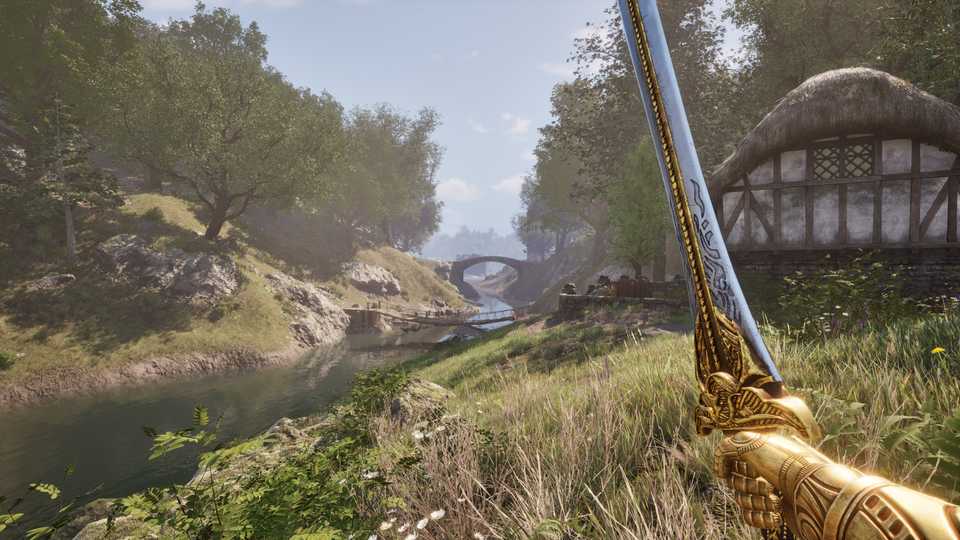
There are many reasons why The Elder Scrolls 4: Oblivion Remastered has been as well-received as it has, chief among them being its greatly enhanced graphics and technical improvements courtesy of Unreal Engine 5. But Oblivion Remastered also serves as a much-needed trip down memory lane, reminding audiences of just how important, unique, and influential the original 2006 title actually was.
Indeed, countless titles, including The Witcher 3, Cyberpunk 2077, Kingdom Come: Deliverance, and Dragon Age: Inquisition, likely would not have existed were it not for Oblivion. Even Demon's Souls, perhaps the single most important game of the last two decades, was originally envisioned as a direct competitor to the then-unsurpassed Bethesda RPG. But naturally, times have changed quite a bit since 2006, and even Bethesda has abandoned many of Oblivion's most central design pillars with games like Fallout 4 and Starfield. While innovation and risk-taking are essential for developers looking to stay relevant and creatively fulfilled, at least a few of Oblivion's mechanical ideas deserve a comeback.

Oblivion Remastered Misses the Chance to Address Bethesda's Most Controversial Trend
Despite the improvements made in the recent Oblivion Remaster, one glaring Bethesda-ism from the original remains intact, for better or worse.
Future Bethesda Games Should Feature Minigames Like Oblivion Remastered
Oblivion's Minigames Are Often Underappreciated
Small-scale side activities are commonplace in Bethesda games: many of the studio's RPGs feature some form of minigame content, whether it's lockpicking, crafting, or settlement-building. But there's a case to be made that Oblivion did minigames best, all those years ago. At the very least, Oblivion demonstrates an enthusiasm for such side activities that wasn't replicated in the likes of Skyrim or Fallout 3.
Lockpicking is far more difficult, but also far more engaging, in Oblivion than in future Bethesda titles. To pick a lock in Oblivion, players need to exercise perfect timing to click individual tumblers into place, paying close attention to how each tumbler moves, and how "sticky" they are when pushed. This adds weight and depth to lockpicking that is missing in the likes of Fallout 3, Skyrim, and Fallout 4, where lockpicking is less of an actual minigame and more a matter of finding the right spot before turning the lock. Additionally, how easy a lock is to pick (or if it even can be picked) hinges on a dedicated Lockpicking skill, making the process even less about the player's own abilities. It's far easier, certainly, but also rather mind-numbing.
This same dilution is on display in post-Oblivion dialog mechanics as well. Oblivion's famous persuasion minigame was ditched in Skyrim and Fallout 3, replaced by a fairly static and straightforward system of dialog checks. For instance, getting information out of an NPC in Fallout 3 depends on whether the player has enough points in their Speech skill, whereas it's tied to the much more complex Disposition mechanic in Oblivion, which can be manipulated through a surprisingly fun, if simple, persuasion minigame. Again, Fallout 3's approach is easier and simpler, but it's not "fun," at least not in the traditional, immediate sense.
To be fair, Starfield attempted to gamify activities like lockpicking and persuasion, but many feel that these new minigames, especially the latter, are still too dumbed-down and unintuitive.
Oblivion Remastered's Minigames Prove How Unique the Original Game Was and Is
The alteration or outright removal of the aforementioned minigames doesn't just make games like Skyrim less enjoyable than Oblivion, but also more pedestrian. After all, skill checks during dialog originate from old-school Dungeons and Dragons mechanics, and were commonplace long before Bethesda rose to prominence. Bethesda's choice to make lockpicking and persuasion interesting and engaging in Oblivion helped to set the game apart from its contemporaries, and the developer would be wise to bring some of this quirkiness and panache back for future releases.




-
 OpenCritic Reviews
- Top Critic Avg: 82 /100 Critics Rec: 87%
- Released
- April 22, 2025
- ESRB
- Mature 17+ // Blood and Gore, Sexual Themes, Violence
- Publisher(s)
- Bethesda







WHERE TO PLAY





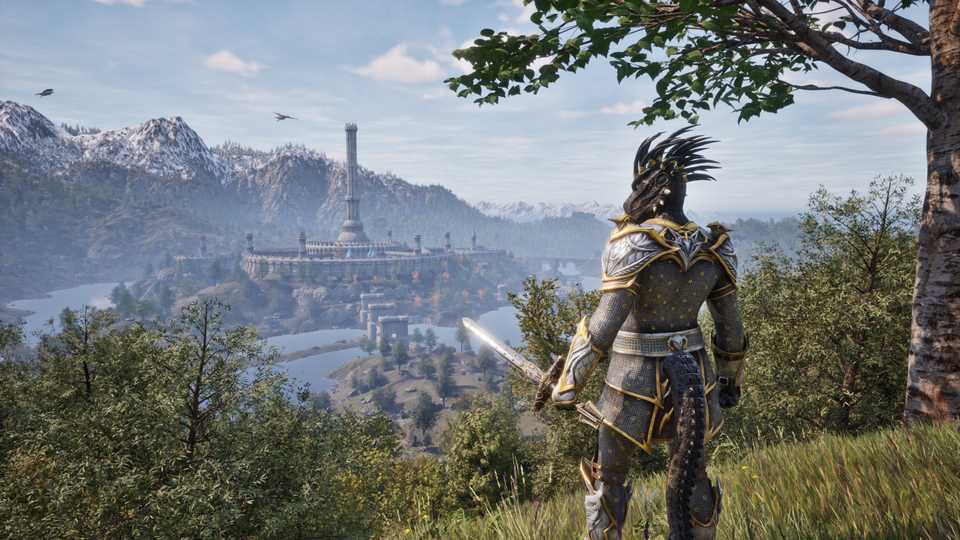
The Elder Scrolls IV: Oblivion™ Remastered modernizes the 2006 Game of the Year with all new stunning visuals and refined gameplay. Explore the vast landscape of Cyrodiil like never before and stop the forces of Oblivion from overtaking the land in one of the greatest RPGs ever from the award-winning Bethesda Game Studios.
Rediscover Cyrodiil
Journey through the rich world of Tamriel and battle across the planes of Oblivion where handcrafted details have been meticulously recreated to ensure each moment of exploration is awe-inspiring.
Navigate Your Own Story
From the noble warrior to the sinister assassin, wizened sorcerer, or scrappy blacksmith, forge your path and play the way you want.
Experience an Epic Adventure
Step inside a universe bursting with captivating stories and encounter an unforgettable cast of characters. Master swordcraft and wield powerful magic as you fight to save Tamriel from the Daedric invasion.
The Complete Story
Experience everything Oblivion has to offer with previously released story expansions Shivering Isles, Knights of the Nine, and additional downloadable content included in The Elder Scrolls IV: Oblivion Remastered.
- Engine
- Unreal Engine 5
- Franchise
- The Elder Scrolls
- Number of Players
- Single-player
- Steam Deck Compatibility
- Verified
- PC Release Date
- April 22, 2025
- Xbox Series X|S Release Date
- April 22, 2025
- PS5 Release Date
- April 22, 2025
- Genre(s)
- Action, RPG, Open-World, Adventure
- Platform(s)
- Xbox Series X, Xbox Series S, PlayStation 5, PC
- OpenCritic Rating
- Strong
- X|S Optimized
- Yes
- File Size Xbox Series
- 123.2 GB
