


Bethesda is one of mainstream gaming's more interesting, albeit contentious, studios. As demonstrated by the recent The Elder Scrolls 4: Oblivion Remastered, Bethesda Game Studios has changed quite a bit from its early days as a burgeoning leader in the western RPG space, while at the same time retaining many of its signature design conventions and tricks. It's this tension between how the company has evolved and how it's stayed the same that has made games like Starfield so controversial, and perhaps BGS can learn from its past ahead of future releases.
Oblivion Remastered is a fairly large game, but it's dwarfed by the expansive and ambitious Starfield, which sets players loose in a sprawling galaxy with over 1,000 different planets to visit. On paper, this expansiveness might sound exciting and full of promise, and for many players, that's exactly what it turned out to be. But for others, Starfield is a bit too big for its britches, offering a dizzyingly large world to explore, but not enough reason to explore it. Starfield's vastness is reminiscent of the latter stages of the seventh console generation, when open-world games were ubiquitous and map size was king. But the industry started to frown upon this quantity over quality approach years ago, and Oblivion Remastered proves that Bethesda might want to get with the times.

Starfield Could Win PS5 Fans Over with an Easy Addition
As speculation about Starfield coming to the PS5 persists, Bethesda has an easy way to make exploration rewarding for players.
Future Bethesda Games Should Model Their Scope Around Oblivion, Not Starfield
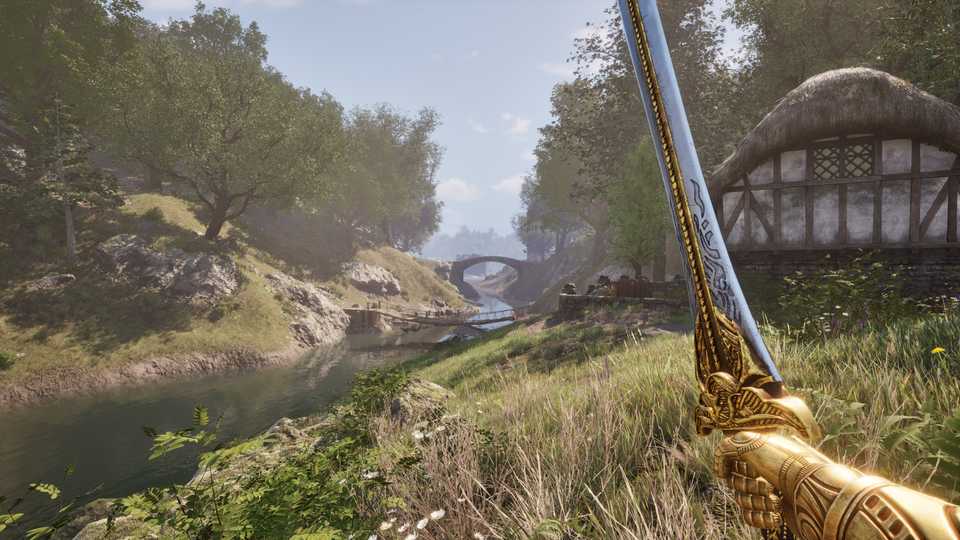
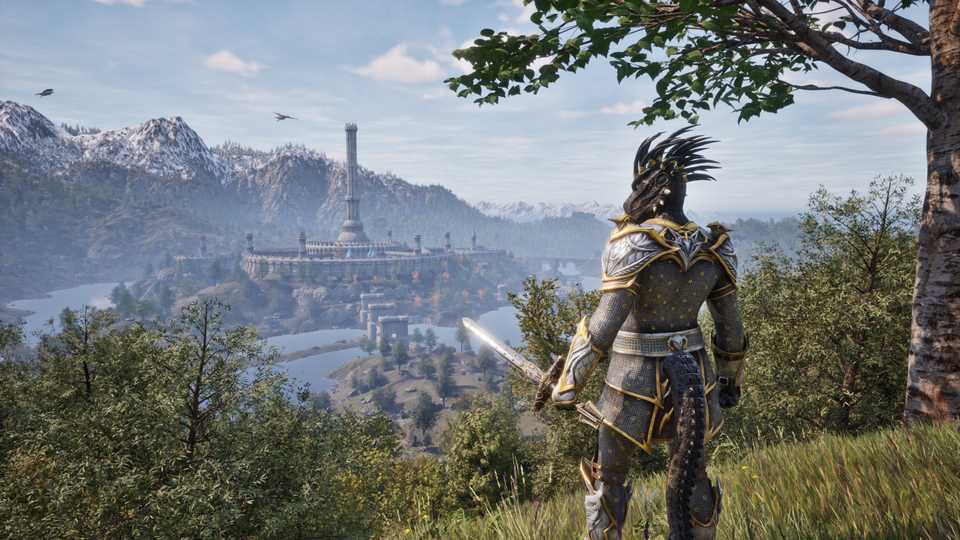
Oblivion's World Design Is the Right Balance of Size and Value
There are a few different kinds of open-worlds, but chief among them are two extremes: the huge, seemingly ceaseless worlds of games like No Man's Sky and Elite Dangerous, and the small, dense sandboxes of franchises like Yakuza. Both approaches can yield great results when done well, but most games land somewhere in the middle. Oblivion is one such game.
Cyrodiil is massive, no doubt, but it's also manageable; players won't feel overwhelmed or exhausted by its size. This is important because it allows for a strong concentration of points of interest, ensuring that players won't travel for more than thirty seconds or so before seeing something worthwhile, whether that be a bandit camp, a cave entrance, or a cache of treasure. By striking this balance, Oblivion is able to offer consistently engaging exploration, always keeping things interesting while leaving the door open for potentially dozens of hours of interesting gameplay. It's a measured, finely tuned world.
By comparison, Starfield adopts an everything-but-the-kitchen-sink philosophy with its map. Much of the value of Starfield's open-world exploration lies in its sheer plenitude: there is always another planet to explore, always a new resource-gathering post to install, et cetera. Unfortunately, these enticements work much like a carrot on a stick, drawing players ever further while only occasionally serving up a worthwhile reward.
The Next Starfield, Elder Scrolls, and Fallout Games Should Learn from Oblivion Remastered's Restraint
Focusing on density over abundance, and quality over quantity, could help Bethesda's future releases reach the same iconic status as Oblivion, or Skyrim and Fallout 3 for that matter. Familiarity breeds contempt in so many contexts, and gaming is no different: if a player spends cumulative hours traipsing through a mostly empty game world, they might start to resent it, regardless of how pretty it is.
Starfield is a great accomplishment for Bethesda, as the scale of its world is genuinely impressive. But now that the developer has proven that it's capable of making such a gargantuan game map, there's not much benefit to trying to go bigger with future games. But there could be virtue in going smaller, culling various elements until all the chaff is separated from the wheat.




-
 OpenCritic Reviews
- Top Critic Avg: 82 /100 Critics Rec: 87%
- Released
- April 22, 2025
- ESRB
- Mature 17+ // Blood and Gore, Sexual Themes, Violence
- Publisher(s)
- Bethesda







WHERE TO PLAY





The Elder Scrolls IV: Oblivion™ Remastered modernizes the 2006 Game of the Year with all new stunning visuals and refined gameplay. Explore the vast landscape of Cyrodiil like never before and stop the forces of Oblivion from overtaking the land in one of the greatest RPGs ever from the award-winning Bethesda Game Studios.
Rediscover Cyrodiil
Journey through the rich world of Tamriel and battle across the planes of Oblivion where handcrafted details have been meticulously recreated to ensure each moment of exploration is awe-inspiring.
Navigate Your Own Story
From the noble warrior to the sinister assassin, wizened sorcerer, or scrappy blacksmith, forge your path and play the way you want.
Experience an Epic Adventure
Step inside a universe bursting with captivating stories and encounter an unforgettable cast of characters. Master swordcraft and wield powerful magic as you fight to save Tamriel from the Daedric invasion.
The Complete Story
Experience everything Oblivion has to offer with previously released story expansions Shivering Isles, Knights of the Nine, and additional downloadable content included in The Elder Scrolls IV: Oblivion Remastered.
- Engine
- Unreal Engine 5
- Franchise
- The Elder Scrolls
- Number of Players
- Single-player
- Steam Deck Compatibility
- Verified
- PC Release Date
- April 22, 2025
- Xbox Series X|S Release Date
- April 22, 2025
- PS5 Release Date
- April 22, 2025
- Genre(s)
- Action, RPG, Open-World, Adventure
- Platform(s)
- Xbox Series X, Xbox Series S, PlayStation 5, PC
- OpenCritic Rating
- Strong
- X|S Optimized
- Yes
- File Size Xbox Series
- 123.2 GB
