


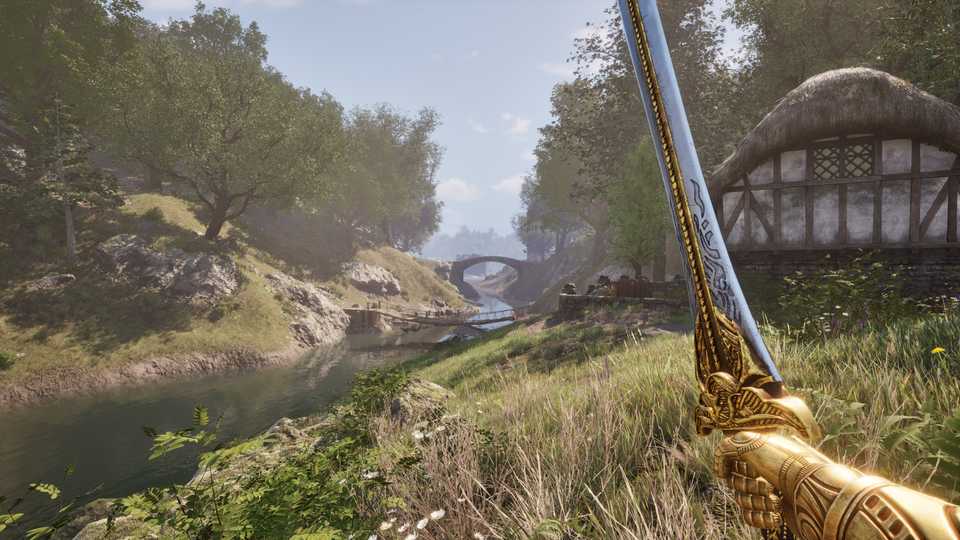
The recently released The Elder Scrolls 4: Oblivion Remastered is quite a sight to behold, as it polishes up the nearly 20-year-old RPG to an almost uncanny degree. Indeed, in an unforeseen turn of events, this new version of Oblivion might just be Bethesda's best-looking game to date—something that few fans of the original 2006 release could have predicted.
But it's not just the game's textures, visual effects, and resolution that have gotten a healthy boost courtesy of this remaster. Animations have been overhauled, quality-of-life features have been added, and small but significant changes have been made under the hood to make Oblivion Remastered feel, look, and run better than ever. The result of all these little tweaks is a gaming experience that is far more aligned with what modern audiences have come to expect from a AAA release, and one could argue that such upgrades help the original's strengths stand out even more. In other words, it's easier to appreciate Oblivion's strong suits thanks to this facelift. One such mechanic that has benefitted greatly from Virtuos' fine-tuning is the third-person camera mode, which is perhaps the best of any Bethesda RPG.

The Unwritten Rules of The Elder Scrolls 4: Oblivion Remastered Explained
Oblivion Remastered hides a wealth of secrets beneath its surface, so mastering its unwritten rules is key to transforming confusion into freedom.
Out of Nowhere, Oblivion Remastered Has Emerged as the Best Third-Person Bethesda Game
Oblivion Remastered's Third-Person Improvements
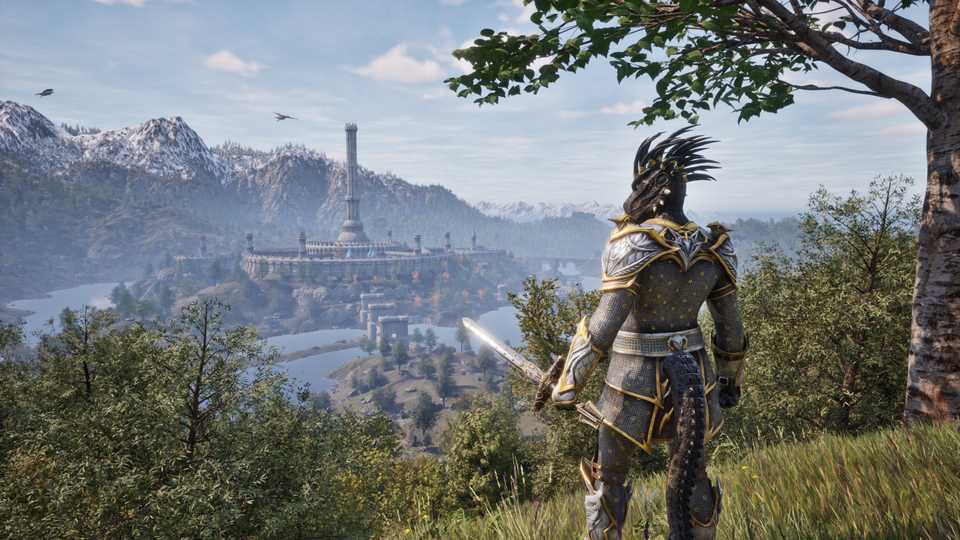
Like so many aspects of Oblivion Remastered, the third-person camera mode is elevated by the newly polished graphics: it's much nicer to get a zoomed-out view of the game, considering that most of it is essentially eye candy courtesy of Unreal Engine 5. But the improvements to third-person gameplay go beyond the surface level and into the practical realm as well. For instance, the addition of the crosshair to the third-person mode makes combat considerably more intuitive, especially with respect to ranged methods like magic and bows.
Special praise ought to be given to Oblivion Remastered's much-improved character animations. Third-person gameplay is immeasurably enhanced by Virtuos' more true-to-life walking, running, sprinting, and crouching animations, which, while perhaps not on the level of something like Red Dead Redemption 2's character animations, are arguably the best ever in a Bethesda game. Comparing the third-person mode of Oblivion Remastered to Starfield, Bethesda's most recent RPG, the differences are night and day. That's strong praise for Oblivion Remastered, but potentially troubling for the famous studios' other contemporary works.
What Future Bethesda RPGs Ought To Learn from Oblivion Remastered's Third-Person Improvements
While most players engage with Bethesda RPGs in first-person, the option to switch to the third-person perspective has always been an inextricable part of their design. And many would agree that this is a beneficial addition, allowing players to get a better look at their custom character, view the world from a different perspective, and even gain a tactical advantage in certain gameplay scenarios. For example, stealth gameplay is far easier in third-person, as it affords the player a broader field-of-view, while allowing them to look beyond their character's diagetic vision.
Put simply, third-person is a core part of the Bethesda experience, which is why it's disappointing that the perspective mode rarely seems to get the attention it deserves. Switching to third-person in a game like Starfield or Fallout 4 can age the game by a decade or more, as the roughness of its character animations, and the general sensation of moving through the digital world as an embodied avatar, is rudimentary, archaic, and awkward. Make no mistake, the third-person mode in Oblivion Remastered isn't perfect, but it's a massive improvement from Bethesda's other games, and it should only be the first step toward a future where the studio prioritizes the evolution of this camera mode, rather than being satisfied with the bare minimum.




-
 OpenCritic Reviews
- Top Critic Avg: 82 /100 Critics Rec: 87%
- Released
- April 22, 2025
- ESRB
- Mature 17+ // Blood and Gore, Sexual Themes, Violence
- Publisher(s)
- Bethesda







WHERE TO PLAY





The Elder Scrolls IV: Oblivion™ Remastered modernizes the 2006 Game of the Year with all new stunning visuals and refined gameplay. Explore the vast landscape of Cyrodiil like never before and stop the forces of Oblivion from overtaking the land in one of the greatest RPGs ever from the award-winning Bethesda Game Studios.
Rediscover Cyrodiil
Journey through the rich world of Tamriel and battle across the planes of Oblivion where handcrafted details have been meticulously recreated to ensure each moment of exploration is awe-inspiring.
Navigate Your Own Story
From the noble warrior to the sinister assassin, wizened sorcerer, or scrappy blacksmith, forge your path and play the way you want.
Experience an Epic Adventure
Step inside a universe bursting with captivating stories and encounter an unforgettable cast of characters. Master swordcraft and wield powerful magic as you fight to save Tamriel from the Daedric invasion.
The Complete Story
Experience everything Oblivion has to offer with previously released story expansions Shivering Isles, Knights of the Nine, and additional downloadable content included in The Elder Scrolls IV: Oblivion Remastered.
- Engine
- Unreal Engine 5
- Franchise
- The Elder Scrolls
- Number of Players
- Single-player
- Steam Deck Compatibility
- Verified
- PC Release Date
- April 22, 2025
- Xbox Series X|S Release Date
- April 22, 2025
- PS5 Release Date
- April 22, 2025
- Genre(s)
- Action, RPG, Open-World, Adventure
- Platform(s)
- Xbox Series X, Xbox Series S, PlayStation 5, PC
- OpenCritic Rating
- Strong
- X|S Optimized
- Yes
- File Size Xbox Series
- 123.2 GB
