


Indie studio Flatter Than Earth has been working on its debut title, Once Upon a Puppet, for eight years. It's a 2.5D puzzle-platformer that sees players take control of a wooden toy and the stagehand that pulls its strings.
As Once Upon a Puppet's whimsical duo, players traverse a theatrical fantasy world filled with environmental puzzles, light platforming challenges, and a bevy of colorful characters. But while Once Upon a Puppet is certainly deserving of a round of applause, its shorter journey is never quite worthy of a standing ovation.

What Blue Prince's Critical Acclaim Could Mean for Future PS Plus Releases
Blue Prince’s PS Plus debut could mark a turning point, showing Sony may be ready to treat top-tier indies as headline acts, not just filler content.
Once Upon a Puppet Is a Familiar Fairy Tale
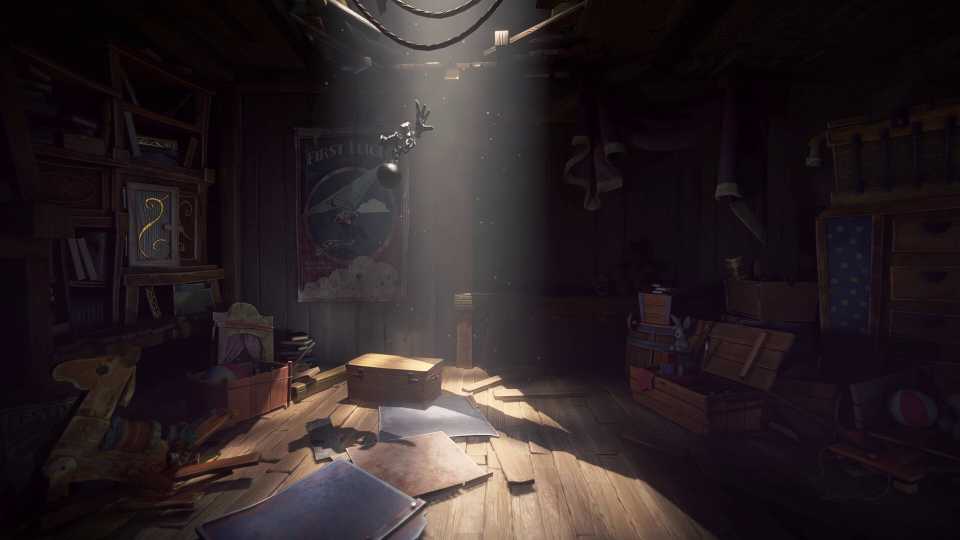
Once Upon a Puppet opens with the bodiless stagehand Nieve being thrown into a desolate land known as the Backstage. This land is filled with discarded props and puppets, most of which have been thrown out by the king himself, who's said to have gone mad following the disappearance of his princely son.
Nieve quickly stumbles upon a puppet named Drev, and the two become bonded by some magic string. Though Nieve and Drev initially set off on a journey to sever their bonds, they soon find themselves on a prophesied quest to save the world, one that sees them restoring the king's old memories.
Generally speaking, Once Upon a Puppet's fairy tale-like story is an enjoyable one. The writing of the game's dialogue text is solid, the handful of cinematics lean into the game's theatrical tone and aesthetic well, and Nieve and Drev's relationship develops nicely during the course of Once Upon a Puppet's 6-hour runtime.
But that being said, Once Upon a Puppet's story isn't quite strong enough to be the game's leading feature. The themes, content, and relationships within Once Upon a Puppet's story are all things that even the most casual fantasy fans will have seen countless times before in past movies, TV shows, and video games. Unfortunately, the one or two twists in Once Upon a Puppet's narrative are also very predictable, and the game's brevity means that these moments aren't given enough time to be built up gradually during the game, leading to them lacking emotional impact.
Once Upon a Puppet's story is serviceable, and at times very enjoyable, but the more the game puts a spotlight on its narrative and characters, the clearer the weaknesses in them become.
Once Upon a Puppet Doesn't Break The Mold for Puzzle-Platformers
Much like its story, Once Upon a Puppet's gameplay is solid but nothing to write home about. Once Upon a Puppet's moment-to-moment loop will see players grabbing levers to open doors, hopping across moving platforms, dragging environmental objects around the level, and avoiding enemies that can one-hit kill them. Anyone who's played Limbo, Inside, Little Nightmares, or any game of their ilk knows exactly what to expect from Once Upon a Puppet.
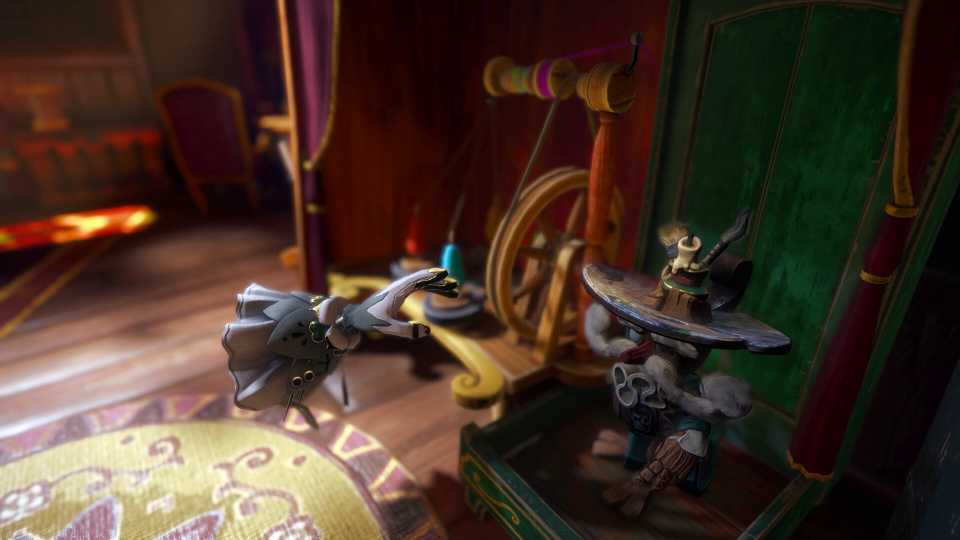
A unique trick up Once Upon a Puppet's sleeve, however, is its eponymous puppeteering mechanics. Players control both Nieve and Drev simultaneously, with the left analog stick and trigger being used to move and grab as Drev, and the right analog stick and trigger being used to move and grab as Nieve.
Occasionally, players will need to use both sides of the controller to solve puzzles and complete certain platforming challenges. These moments aren't groundbreaking, with Brothers - A Tale of Two Sons featuring similar mechanics over a decade ago, but they're a fun and effective way to merge gameplay and narrative.
There's also a nice progression of mechanics and difficulty throughout Once Upon a Puppet. Each chapter introduces either a new traversal ability or a new tool. Again, these mechanics themselves aren't anything players haven't seen before, with most being puzzle-platformer staples like a double-jump and the ability to climb specific surfaces, but they're implemented effectively, and they're given to the player at regular intervals, which helps to keep gameplay engaging enough for the title's short duration.
That said, the introduction of these new mechanics ends abruptly around two-thirds of the way into Once Upon a Puppet's story, which makes the final act feel too repetitive, as players primarily use just one ability for the best part of two hours. And though Once Upon a Puppet's platforming challenges ramp up naturally in difficulty, its puzzles remain pretty basic throughout.
Once Upon a Puppet Makes The Most of its Theatrical Concept

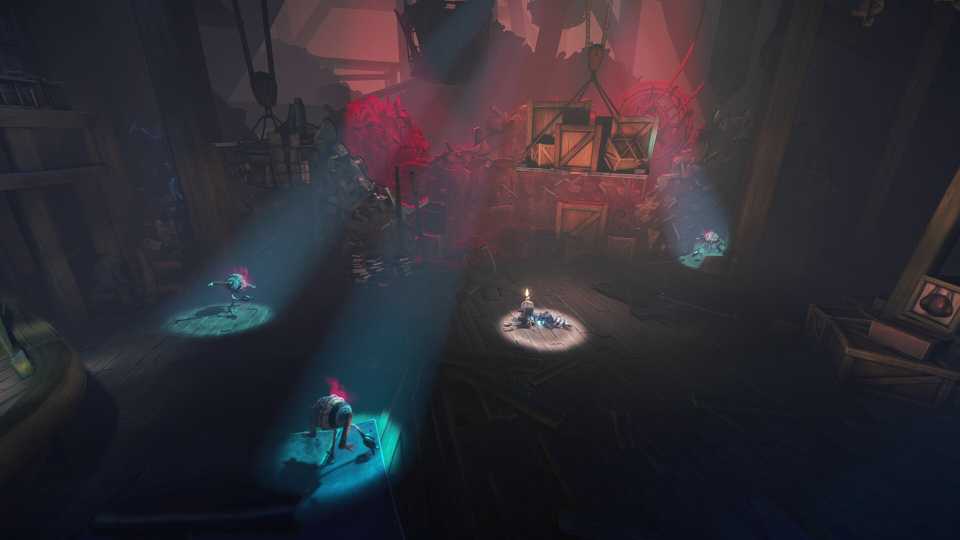
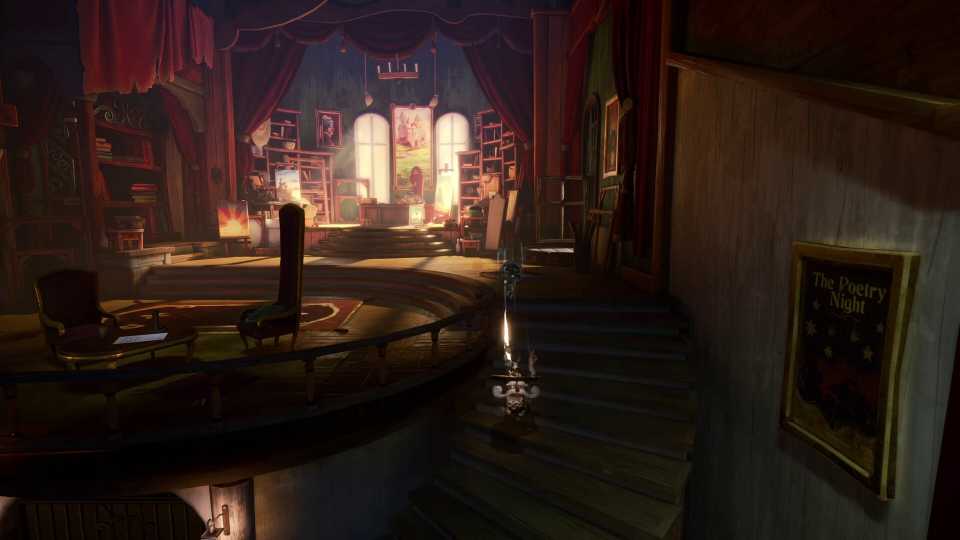
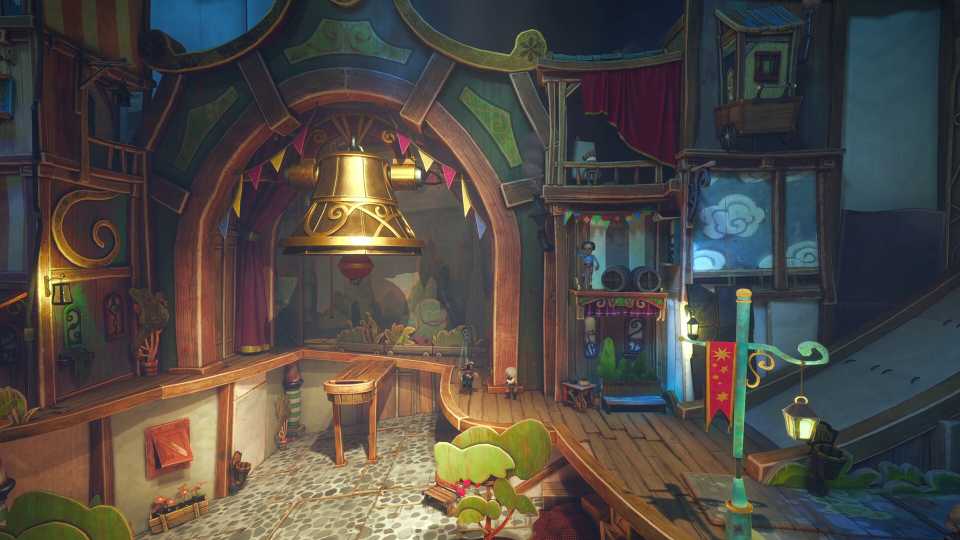
Once Upon a Puppet's presentation is undoubtedly its best (and most distinct) feature. Every individual component of Once Upon a Puppet's presentation leans all the way into the game's theatrical premise and hand-crafted aesthetic. Environments are designed to look and feel like stage scenery, with objects and backdrops being made from cardboard, wood, and string, and the physics-based movement of objects giving them a splash of realism.
Character models embrace the same aesthetic, being made from wood and metal, and their animations giving their movements a weight befitting their material and cementing their personality. Even the handful of in-game collectibles embrace Once Upon a Puppet's unique direction, being stage props that come with a quote from real-life theatrical greats like Oscar Wilde and Shakespeare.
Once Upon a Puppet's sound design is another key piece of the puzzle. The game's soundtrack (composed by Arkadiusz Reikowski) adds an unmistakable layer of whimsy and wonder to the moment-to-moment gameplay, and the rattling of Drev's wooden body as he jumps and swings adds some much-appreciated flavor to this fantastical world. Once Upon a Puppet's lighting and graphics are also major highlights of the game, supporting its aesthetic and tone consistently.
Once Upon a Puppet's Technical Issues Chew The Scenery
On the other hand, Once Upon a Puppet's technical performance stands out for all the wrong reasons, at least on PlayStation 5. The game suffers from constant frame drops from start to end, enough to feel very noticeable and to drag the game's otherwise fast pace to a disappointing halt on occasion.
Once Upon a Puppet also suffers from a few visual issues, such as Nieve temporarily disappearing from above Drev's head, an enemy skidding across the floor, and some Stagefright sludge clipping through the scenery. These issues weren't too bad in isolation, but they could easily cause frustration when paired with the game's somewhat wonky hit-detection and one-hit kill system.
Overall, Once Upon a Puppet is a fine game. Its presentation is a standout feature, with its graphics, character animations, environments, and audio design all going to great lengths to make the most of the game's unique premise. But those elements aren't enough to elevate the overarching experience. The fine platforming, fine puzzles, and fine story are the strings that hold Once Upon a Puppet back from greatness, and some unfortunate technical issues can inject a layer of unnecessary frustration into an otherwise very satisfactory performance from a promising new indie studio.






- Released
- April 23, 2025
- Developer(s)
- Flatter Than Earth
- Publisher(s)
- Daedalic Entertainment
- PC Release Date
- April 23, 2025
- Xbox Series X|S Release Date
- April 23, 2025




WHERE TO PLAY



- Platform(s)
- Nintendo Switch, PC, PlayStation 5, Xbox Series S, Xbox Series X
- Genre(s)
- Puzzle, Platformer
- Makes the most of its theatrical premise
- Sound and visuals add to game's personality
- Story and gameplay don't break the mold
- Some noticeable frame rate issues on PS5
Once Upon a Puppet launches April 23 for Nintendo Switch, PC, PlayStation 5, and Xbox Series X/S. The Best War Games was provided with a PlayStation 5 code for this review.