Summary
- Oda setting up the biggest war in One Piece's final saga will be a peak moment for the series.
- Oda's storytelling, foreshadowing, and worldbuilding contribute to the series' longevity and quality.
- Character development, with side characters becoming integral, and themes resonate with real-world issues.
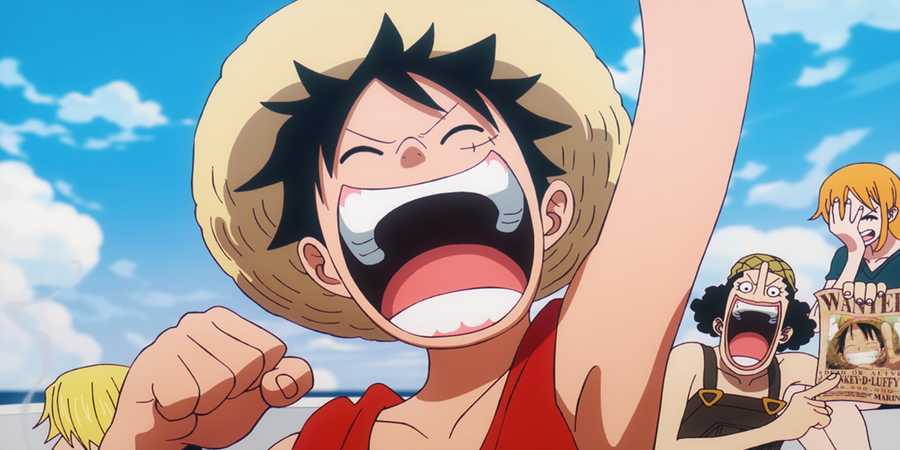
Few creators can match the sheer dedication and consistency that Eiichiro Oda has demonstrated in making One Piece. For more than two decades, Oda's magnum opus has grown into one of the most celebrated and successful stories in modern history, captivating millions of fans across the globe.
As a result, the story has transcended the boundaries of typical shonen fare - becoming a cultural phenomenon that continues to grow in popularity. One Piece has proven itself a timeless masterpiece, and its lasting success stems from a mix of compelling elements.

One Piece: Oda Sets Up The Biggest War In The Series So Far
Oda is building the foundation of what will be the biggest war in One Piece. This will be the peak of the Final Saga.
Eiichiro Oda Undying Passion For The Story
Longevity Without Losing Quality

When discussing One Piece, it's impossible to ignore the profound dedication of its creator. Oda's commitment to his story is unparalleled in the manga world. Oda has poured his heart into every aspect of the series for more than two decades, from its intricate narrative arcs to its most minor details. Oda's passion is evident in how he crafts the world of One Piece. Every island, every character, every event feels meticulously planned. For instance, the mystery of the Void Century or the will of D were elements introduced early in the series and have been developed slowly over the years, keeping fans guessing until now. Oda doesn't rush his story or compromise its integrity, which shows how strongly he believes in the world he has created.
Also, one of the remarkable aspects of One Piece is Oda's ability to maintain a high standard of quality throughout its long run. Despite the challenges of weekly serialization, Oda's keen storytelling ability ensures that the narrative remains fresh and compelling even after years of publication. Oda's manga has remained a model of quality, and each chapter feels like a new piece of an intricate puzzle, drawing readers deeper into the story.
The pacing of One Piece is another testament to its longevity. Despite its length, the series has never felt aimless. Each arc builds upon the last, weaving together interconnected stories and themes. The anime adaptation, produced by Toei Animation, has faced unique challenges in keeping up with the manga's sprawling narrative. While long-running anime often suffer from filler episodes or declining animation quality, One Piece has adapted to meet the expectations of its fans over the years. The recently concluded arc, Egghead Island, particularly showcases how the anime has embraced new production techniques to deliver stunning visuals and excellent fight sequences.

One Piece: This Filler Arc Had the Funniest Joke in the Entire Show
Although One Piece filler isn't the most respected part of the show, one filler arc contains the funniest joke in the series.
Masterful Storytelling and Foreshadowing
Rich Worldbuilding
One of the hallmarks of One Piece is its layered storytelling. Oda seamlessly weaves a complex, engaging narrative that spans multiple arcs, characters, and themes. From the outset, the story follows Monkey D. Luffy and his crew as they embark on a quest to find the legendary One Piece treasure. What makes this journey compelling is not just the adventure itself, but the rich stories that unfold along the way. Each Straw Hat Pirate, for instance, has a unique backstory, motivation, and personal growth arc that ties into the larger narrative. From Nami's struggle against Arlong to Robin's desperate plea for salvation at Enies Lobby, these moments are not just isolated stories—they contribute to the collective journey of the crew.
Foreshadowing is another vital aspect of Oda's storytelling. He often drops subtle hints about future events, creating a sense of anticipation and excitement among fans. This technique not only enhances the viewing experience but also rewards long-time readers who pay attention to the details. Moments that seem inconsequential at first can later transform into pivotal plot points. One great example of the foreshadowing element from many is the relevance of Bartholomew Kuma on Egghead Island since Sabaody when he protected the Straw Hats ship.
In addition to Oda's storytelling prowess, he has created a rich and diverse world that captivates readers and viewers. The world of One Piece is vast, filled with unique islands, cultures, and species. Each location is meticulously crafted, with its history, customs, and conflicts, making the world feel alive. One of the series' greatest joys is anticipating what the next island will look like and the conflict that comes with it. Moreover, the concept of the Grand Line exemplifies Oda's imaginative worldbuilding. Each new island introduced in the series adds to the lore, expanding the world and keeping the narrative fresh. Particularly, Oda seamlessly integrates real-world influences into the story, drawing from various cultures, histories, and mythologies. An instance is the land of Elbaf and the introduction of characters like Loki. This blend of reality and fantasy enriches the narrative, allowing fans to connect with the story more deeply.

One Piece: Why Oda Could Kill Off This Major Character In The Final Saga
Oda is planning to kill a very important character in One Piece's final saga. Here's who.
Great Character Development
Relevance Of Side Characters
At the heart of the One Piece series is a story about people—flawed, hopeful, determined individuals chasing their dreams. This human element is what makes the series so compelling, and Oda's character development ensures that fans still remain emotionally invested. For the Straw Hat pirates, each member has a unique backstory, dream, and personality, making them relatable as the series progresses. In the story, each Straw Hat undergoes their own emotional journey filled with challenges that test them and expand their character arcs. In this vein, fans don't just watch the crew as they face their turmoil and overcome them; they also grow and bond with them as the series progresses over the years.
In other words, its consistency makes the character development in One Piece exceptional. Even after hundreds of episodes, the characters continue to grow in ways that feel organic. Sanji's struggles with his past in Whole Cake Island, Zoro's increasing resolve to become the strongest swordsman, and Usopp's gradual journey toward courage are all handled with care, ensuring their growth feels earned.
For many stories, side characters are often used as fillers or plot devices. However, in One Piece, the side characters are far more than that; they are integral to the story's richness and emotional resonance. Oda has a knack for creating side characters who leave lasting impressions, often becoming as beloved as the main cast. Characters like Vivi, Trafalgar Law, and Donquixote Doflamingo are prime examples. As the story progresses, these aforementioned characters will be relevant in the story's final arc.
For side characters that are no longer part of the series, like Senor Pink, Corazon, Tom of Water Seven and many others, they are what truly make the series an immersive experience. In this vein, what is most remarkable is how Oda revisits these characters, sometimes years after their introduction, to show how they've grown or fit into the story. For instance, the return of Buggy as a comedic Yonko and the involvement of Wapol in the Reverie are moments that reward fans for paying attention and remembering even seemingly minor figures.
Themes That Resonate With Real-World Settings
Emotional Impact and Memorable Moments

One Piece is more than a tale about pirates chasing treasure; it is a story that reflects the complexities of the world we live in. Through its characters, settings, and narrative, the series tackles universally relevant and thought-provoking themes. At its core, the series champions the pursuit of freedom and the quest for dreams, echoing what drives humans and their experiences in the world. Luffy's desire to become the Pirate King is not just about personal ambition; it symbolizes the longing for freedom and self-determination that many people seek in their own lives.
The series also delves into issues of oppression, inequality, and the fight against tyranny. The existence of the World Government and its manipulative tactics serve as a critique of authoritarianism and corruption. Characters like Nico Robin, who suffered persecution for seeking knowledge and truth, resonate with viewers facing similar struggles in their societies. Also, the oppression of the Fish-Men by humans parallels the struggles faced by marginalized groups throughout history. Arlong's bitterness and Fisher Tiger's tragic story highlight the devastating impact of discrimination while advocating for understanding and unity.
While the themes of One Piece give its depth, its emotional moments are what truly make it unforgettable. Some of the series' most powerful moments come from the pain of separation and sacrifice. For instance, Nico Robin's plea during Enies Lobby, where she screams, "I want to live!" Encapsulates the human desire to be accepted and valued as one of the many emotional moments in the series. These moments are not just sad—they are cathartic, reminding viewers of the strength of vulnerability and the importance of cherishing bonds. However, for every heartbreaking moment, One Piece delivers triumphant scenes that fill fans with joy and hope. The Straw Hats burning the World Government flag to declare war during the rescue of Robin is a bold statement of defiance against tyranny, inspiring fans to stand firm in their convictions. Through its themes and emotional impact, One Piece has secured its place as a masterpiece that will be cherished for generations.

One Piece
Display card tags widget Display card community and brand rating widget Display card main info widget- Release Date
- October 20, 1999
- Studio
- Toei Animation
- Based On
- Manga
- Creator
- Eiichiro Oda
- Number of Episodes
- 1122
- Streaming Service(s)
- Crunchyroll, Netflix, Hulu, Pluto TV