


Horror games adapt and assimilate as deceptively and successfully as The Thing’s eponymous alien monster, and one game being perceived as less scary than another does not dilute its potential for arousing fear. Resident Evil 4 is a survival horror game, for example, but it being dubbed a ‘horror’ game at all would seem like a stretch in terms of how scary it actually is. Likewise, one would be hard-pressed to find anything particularly cheerful or outright pleasant about Little Nightmares and Little Nightmares 2. Little Nightmares tells chilling stories through no dialogue at all and is arrestingly beautiful in its 2.5D art style, despite evoking dread almost exclusively.
That said, there is a whimsical charm to Tarsier’s Little Nightmares games, as well as Supermassive’s upcoming Little Nightmares 3, that is reminiscent of Studio Ghibli’s Spirited Away. Thus, Little Nightmares’ puzzle-platformer atmosphere is nuanced and not as outwardly horrific. In fact, Tarsier’s newest endeavor, Reanimal, is proof of how tame Little Nightmares is in comparison. Based on its new release window trailer, Tarsier is doing with Reanimal what Little Nightmares never could.

Now is the Perfect Time to Play Little Nightmares 2
Little Nightmares 2 is a unique and compelling horror game, and there are a few good reasons why now is a great moment to play it.
Reanimal is Little Nightmares on Steroids

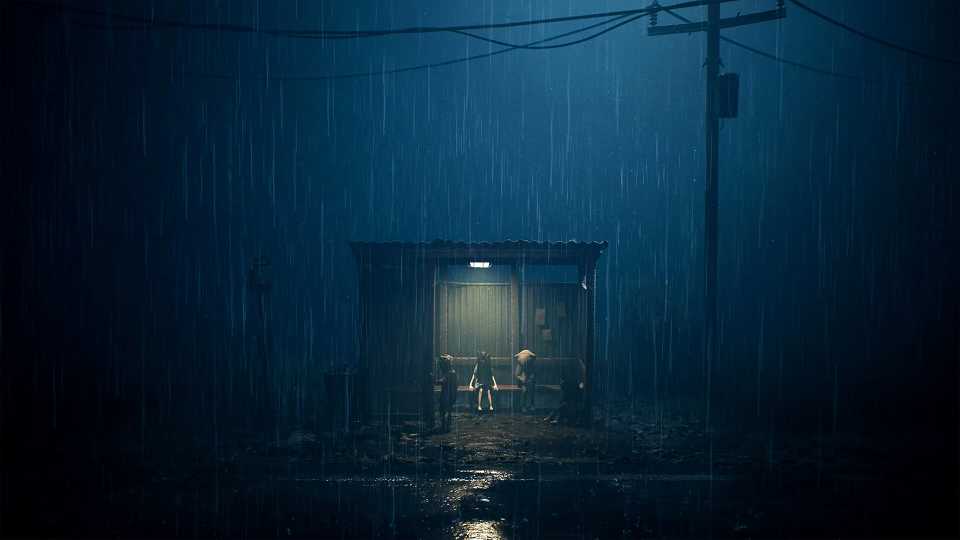
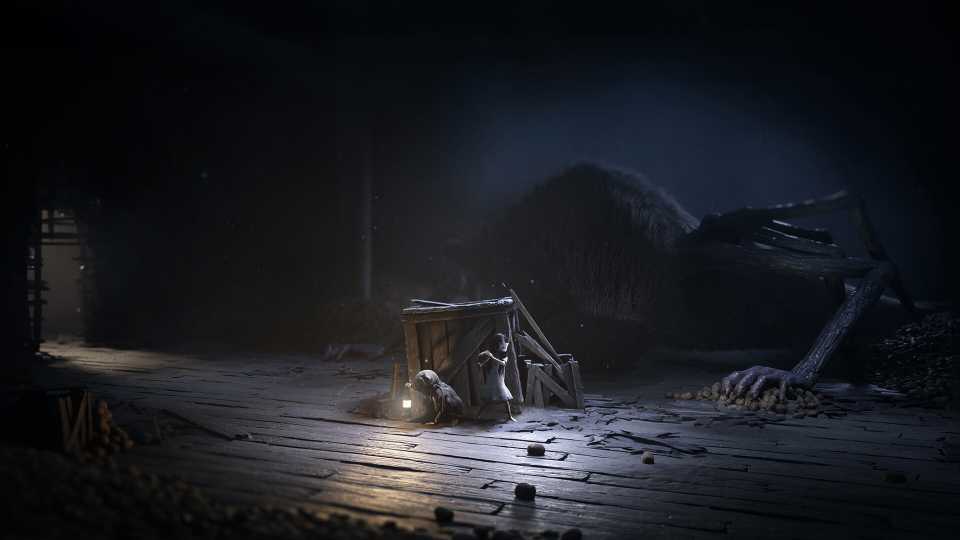
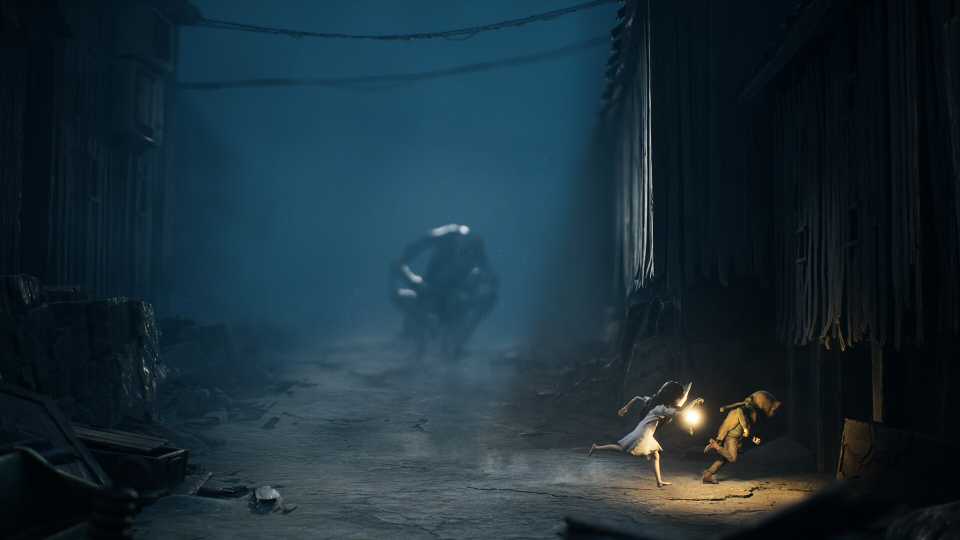
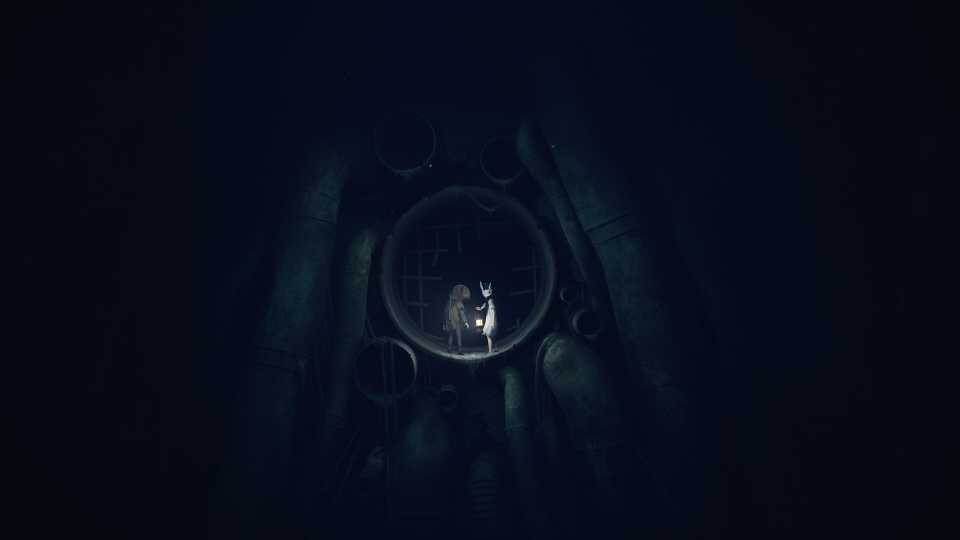
It won’t be clear whether its distinction is for better or for worse until it is released next year, but Reanimal shedding Little Nightmares’ playful, ethereal skin and reveling solely in drab shadows, not to mention an emphasis on at least one massive animal carcass amalgamation, is certainly a way to distinguish it when everything else about Reanimal and Little Nightmares’ art style and gameplay look identical.
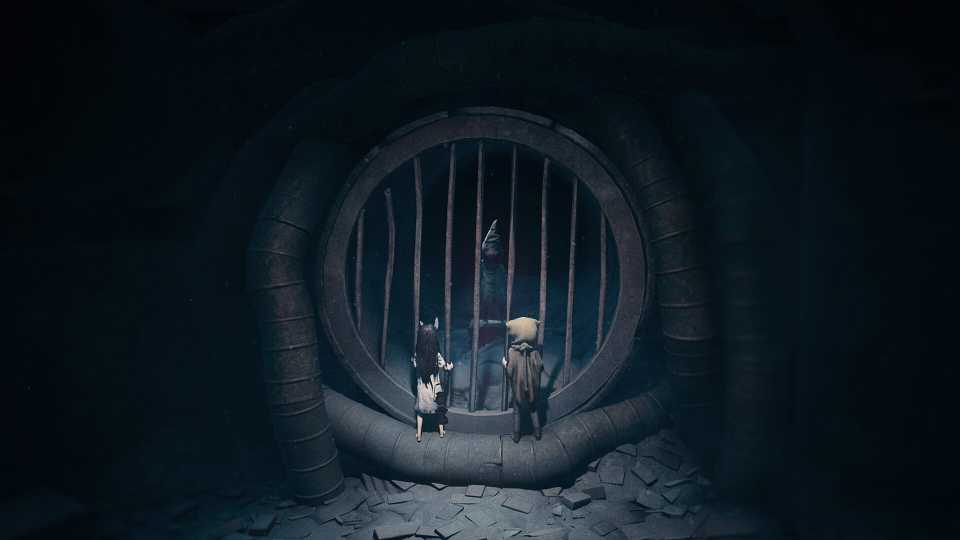
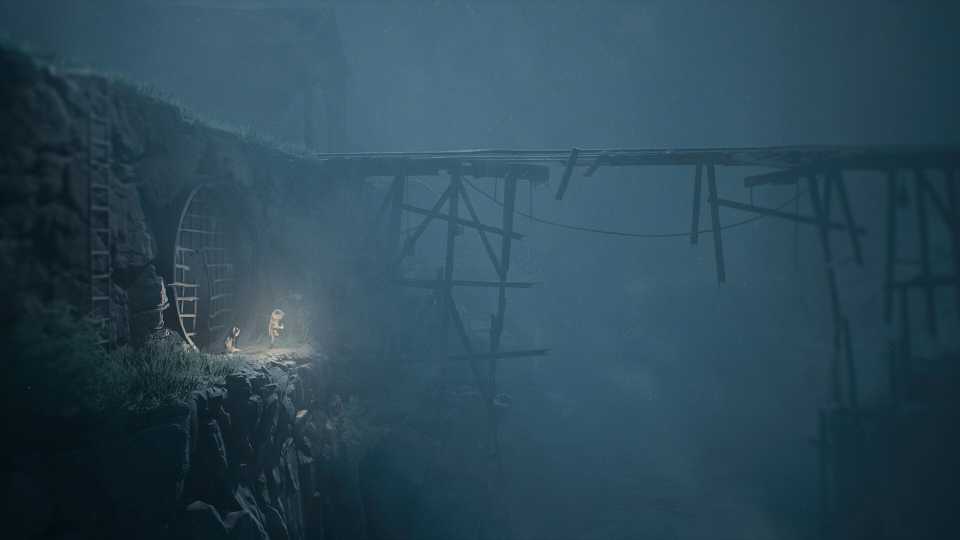
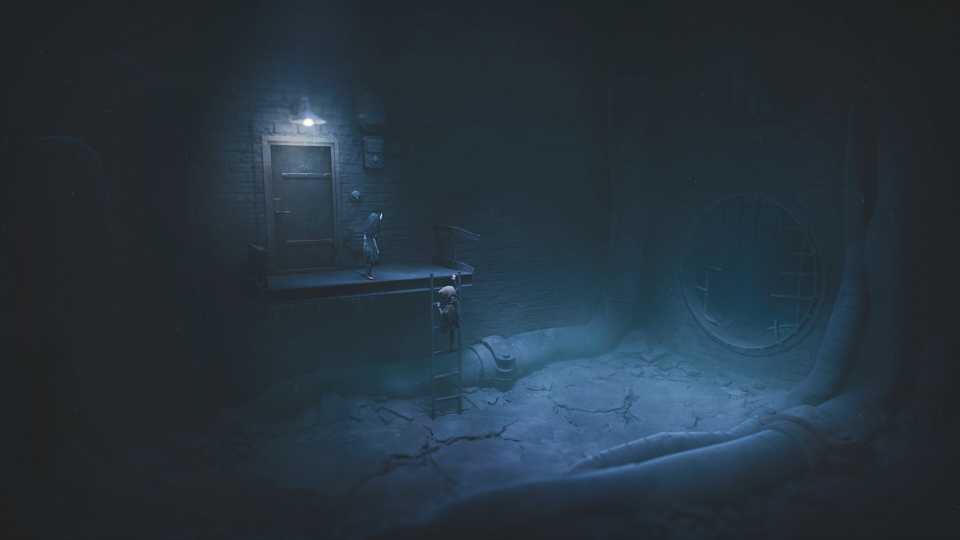
Indeed, what little has been revealed from and about Reanimal’s gameplay could easily be mistaken for a new Little Nightmares game or spin-off, if not for how noticeably dark the former is in contrast to the latter. Plus, the throughline in Reanimal’s “minimalist, interpretive narrative experience” of bravely journeying as brother and sister to rescue their missing friends could undoubtedly have a remarkably sad or alarming ending, as Tarsier achieved in both Little Nightmares and Little Nightmares 2.

Little Nightmares 2 is considerably more tragic and harrowing than the original game, but even it features a lighthearted cosmetic feature where players can adorn Mono in various hats/masks.
Because Tarsier decided to adhere so closely to the visual style it has evolved yet amplify its darker tones, it seems like a decision made in an effort to do what it felt like it could not with Little Nightmares, or perhaps showcase where Little Nightmares’ atmosphere would’ve been taken if it was still working on the franchise. This choice suggests that Tarsier no longer needs Little Nightmares and is free to iterate on its own with horror that might be misplaced in a series as overwhelmingly whimsical and otherworldly as Little Nightmares.
It’s fascinating that a Little Nightmares 3 will be released soon, too, since it’ll juxtapose Reanimal’s differences that much more when Reanimal is released in Q1 2026. Both games feature co-op functionality, leaning fully into how Little Nightmares 2 was committed to Six as an NPC companion, as well as combat, though ‘combat’ in the case of Little Nightmares 2 simply boiled down to players defending themselves with instruments that were lying around in scripted sequences.

Reanimal’s enemy/monster designs may arguably not look much more frightening than those in the Little Nightmares games, but it’ll be a matter of context and what each sequence entails that determines how much scarier Reanimal’s gameplay can be. It would be surprising if Tarsier wasn’t making an effort to have gameplay itself be scarier while its atmosphere and tone devote themselves wholly, yet there’s always a chance that either Little Nightmares game turns out to be more horrifying when all is said and done. If nothing else, Tarsier’s Reanimal is a horror exercise that could brew its own series of eerie, enigmatic games.





 OpenCritic Reviews
- Released
- February 13, 2026
- ESRB
- Mature 17+ / Blood and Gore, Partial Nudity, Violence
- Developer(s)
- Tarsier Studios
- Publisher(s)
- THQ Nordic











WHERE TO PLAY






- Engine
- Unreal Engine 5
- Multiplayer
- Online Co-Op, Local Co-Op
- Number of Players
- 1-2 players
- Steam Deck Compatibility
- Unknown
- Platform(s)
- PlayStation 5, Xbox Series X, Xbox Series S, Nintendo Switch 2, PC
- Local Co-Op Support
- Yes
