


With games like A Way Out and It Takes Two, Hazelight Studios has established itself as the premiere developer of co-op video games. Instead of slapping co-op on as an extra feature, Hazelight builds its games entirely around co-op play, opening the door to genuinely unique and fresh experiences that simply can't be found in single-player titles. Split Fiction is Hazelight's latest effort, and it follows in the footsteps of its predecessors, delivering yet another thrilling adventure that will go down as one of the best co-op games ever made. The bar was set incredibly high by Game of the Year winner It Takes Two, but Split Fiction has managed to meet it, if not clear it.
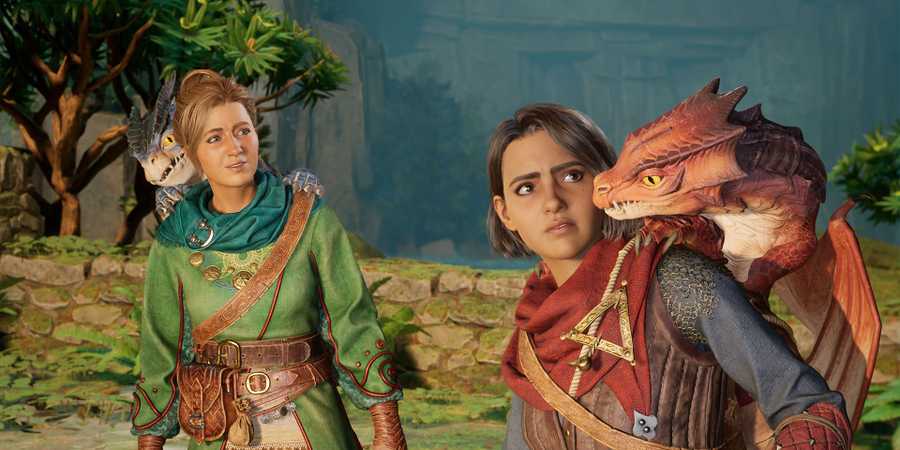
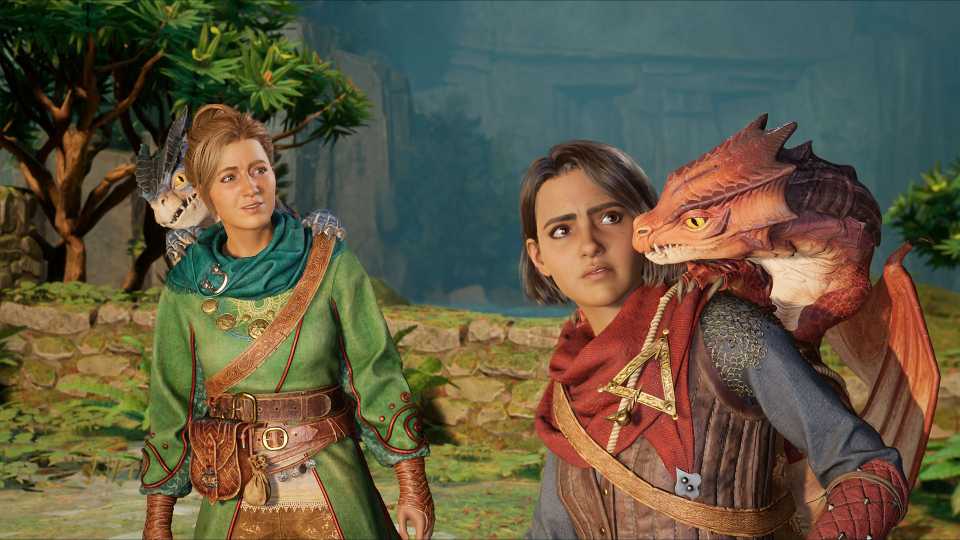
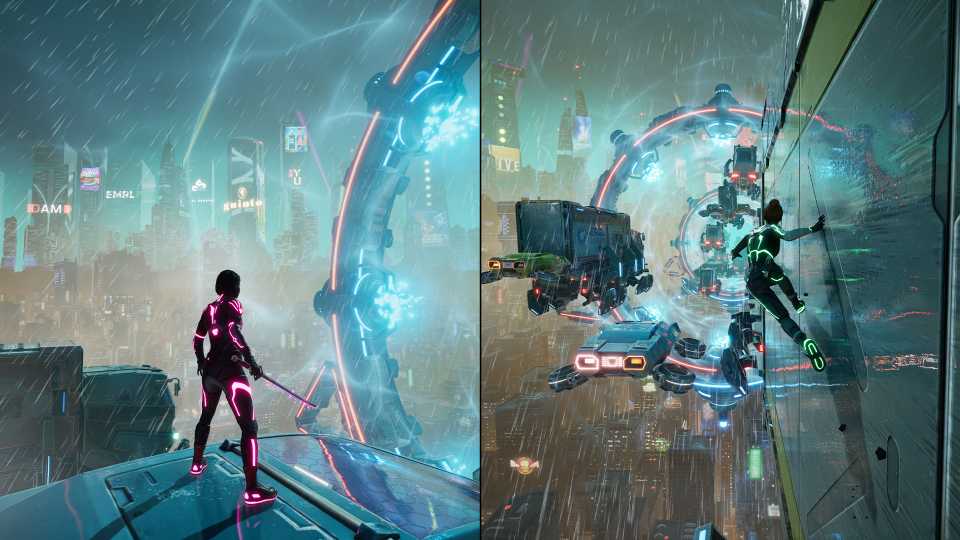
Split Fiction stars Zoe and Mio, two struggling authors who sign up to be guinea pigs for a machine built by Rader Publishing that allows them to explore their literary ideas as fully immersive experiences. Things quickly go awry, and Mio and Zoe find themselves stuck in glitchy, combined versions of their stories, bouncing between Mio's grim science-fiction adventures and Zoe's magical fantasy worlds.
It Takes Two's story was not its strong point, and admittedly, Split Fiction's story is nothing to write home about either. Its plot is largely predictable, and Split Fiction's Zoe and Mio have some eye-rolling interactions from time to time. However, the actors behind them do a great job and some emotional moments hit home, even if players will see them coming from a mile away.
Split Fiction is Peak Co-Op Gaming
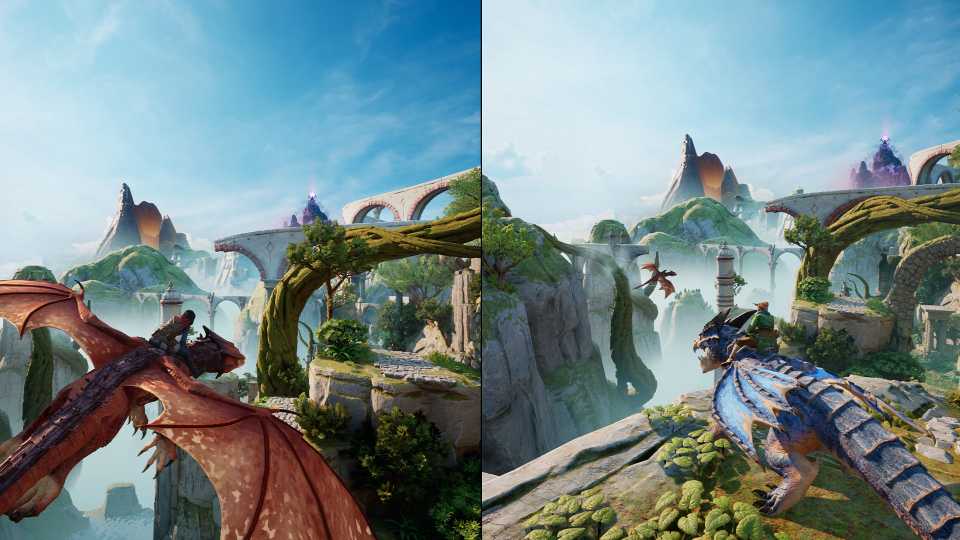
But no one is playing Split Fiction for the story anyway. Similar to It Takes Two, the gameplay is the star of the show, with players ushered from one mind-blowing mechanic to the next. It would be a crime to spoil any of these moments, but rest assured that the stages shown in the trailers - like raising dragons from eggs and transforming into pigs - are just the tip of the iceberg. Split Fiction constantly surprises, and like It Takes Two, its ideas rarely outstay their welcome. Hazelight gets everything it can out of every Split Fiction gameplay idea and then moves on to the next thing. It's a rapid-fire assault of genius for much of Split Fiction's runtime, and while not everything quite sticks the landing, the fun ideas vastly outweigh the bad ones.
Split Fiction's weaker segments are almost all found in the first few chapters. Since there is no real consequence for dying, the early sci-fi sequences that focus on action and platforming lack bite. The scenes are still stunning and exciting, but it's like sizzle with no steak. Later, as the gameplay becomes more complex and requires more brainpower, the game becomes far more engaging. And while I found some of the sci-fi sections to be hit or miss, the fantasy levels are immediately fantastic.
The sci-fi and fantasy worlds of Split Fiction establish their own identities through their unique art styles and fitting musical scores. Mio's sci-fi worlds go with a distinct cyberpunk vibe and intense music, while Zoe's gorgeous fantasy lands feature an epic score that evokes Lord of the Rings and the Harry Potter movies.
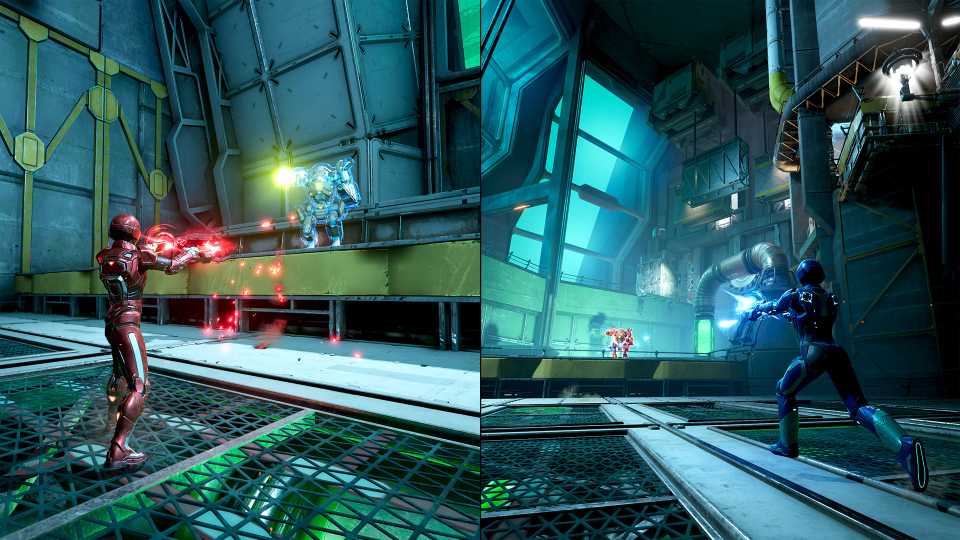
Regardless of whether the duo is in a sci-fi or fantasy world, Split Fiction is primarily a puzzle-platformer, with cooperation at the root of nearly every challenge. But it's impossible to assign only one genre to Split Fiction. It's mostly a platformer, but it also dabbles in isometric action, third-person shooting, and even jet skiing. It constantly shakes things up, which ensures that it never gets boring.
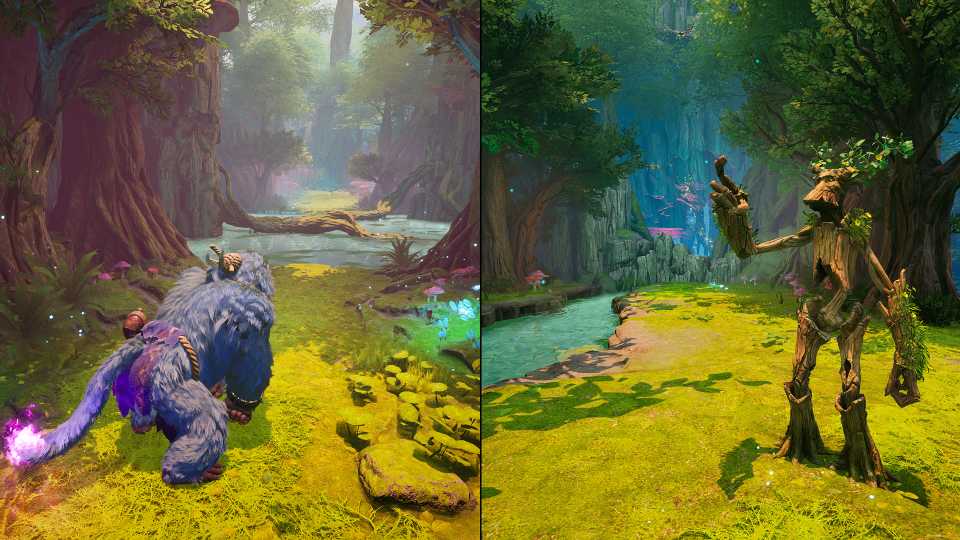
Split Fiction spends a lot of time in each core sci-fi and fantasy world, but it avoids becoming stale by breaking stages up with special side stories that let players dip their toes back into the opposite genre. So, when going through a chapter based on one of Mio's sci-fi stories, players can find bonus stages that switch to Zoe's fantasy theme, and vice versa. Some of these side stories are mind-blowing, with a few helping create what I can confidently say are now among my favorite co-op gaming memories ever. Most of Split Fiction's side stories are nothing short of incredible, and all of them are worth seeking out.
Split Fiction Side Stories Steal the Show
The side stories let Hazelight stretch its creative legs in ways that the core chapters do not, as the developer can think outside the box when it comes to gameplay features and art styles. The game still looks amazing even when it's not experimenting with different art styles, though, and miraculously, it all runs at a smooth 60 frames per second on console. Considering the sheer amount of action taking place at any given time in Split Fiction, the fact that it's able to maintain split-screen at this level with zero performance issues is one of the most impressive things I've seen in any co-op game ever.
It took about 12 hours to roll credits on Split Fiction, but there are still secrets and Easter eggs left to discover to get 100% completion.
Something that may keep everyone from being able to play and fully appreciate Split Fiction is the fact that the game requires co-op. There is no single-player option, though Hazelight and EA have made it easier than ever before to find a co-op partner. Split Fiction supports local split-screen co-op as well as online, but only one person needs to have a copy of the game thanks to the Friend's Pass, returning from It Takes Two. This time around, the Friend's Pass is even cross-play, which is a huge improvement that will ensure players aren't locked out of playing with their friends because of their platform of choice. Cross-play works just as well as couch co-op, with no hiccups to speak of during our playtime.
As someone who has played thousands of video games, there are times when it feels like I've seen it all. But Split Fiction literally made me gasp because I was blown away by what I was seeing. The game surprises, delights, shocks, and endlessly entertains. Split Fiction is one of the best co-op games ever made and something that every gamer should experience. Josef Fares and his team at Hazelight are batting 100, with Split Fiction easily on the short-list for Game of the Year nominees come award season.





-
 OpenCritic Reviews
- Top Critic Avg: 91 /100 Critics Rec: 98%
- Released
- March 6, 2025
- ESRB
- T For Teen // Blood and Gore, Crude Humor, Language, Violence
- Developer(s)
- Hazelight Studios
- Publisher(s)
- Electronic Arts





WHERE TO PLAY





- Co-op gaming at its finest
- Constantly introduces exciting new ideas
- Full of jaw-dropping moments
- Gorgeous worlds with incredible musical scores to match
- Runs at a perfect 60 frames per second with no hiccups
Split Fiction launches March 6 for PC, PS5, and Xbox Series X. The Best War Games was provided with an Xbox Series X code for this review.