


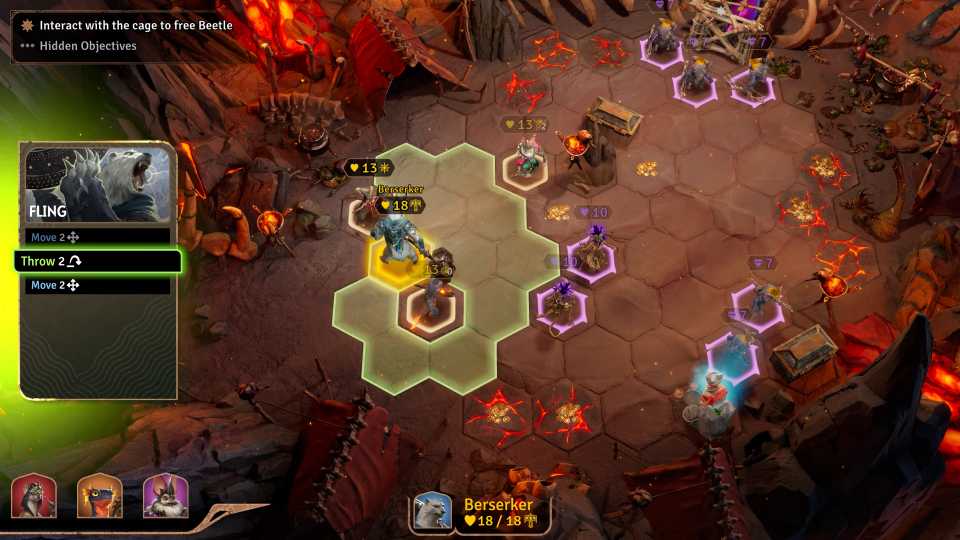
Sunderfolk is a turn-based tactical RPG, and it wears its inspirations firmly on its sleeves. Chief among these inspirations is undoubtedly Dungeons and Dragons, which appears to have had a particularly strong influence on the game's classes. In keeping with its tabletop inspirations, Sunderfolk heavily prioritizes collaborative play.
Players still have the option to run a single-player campaign, but are highly encouraged to instead bring a full party of friends for their adventure. Sunderfolk allows for parties of up to four players, along with six playable classes for each player to choose from. The Best War Games recently spoke with a few of the developers of Sunderfolk, with Character designer Xavier Gordon and others sharing plenty of information about the game's classes.

Sunderfolk Hands-On Preview: This New Tabletop-Inspired Video Game IP Has Advantage
Sunderfolk quickly proves itself as a worthy inheritor of tabletop and video game design, bringing out the best of both mediums.
Sunderfolk Classes Explained: The Rogue

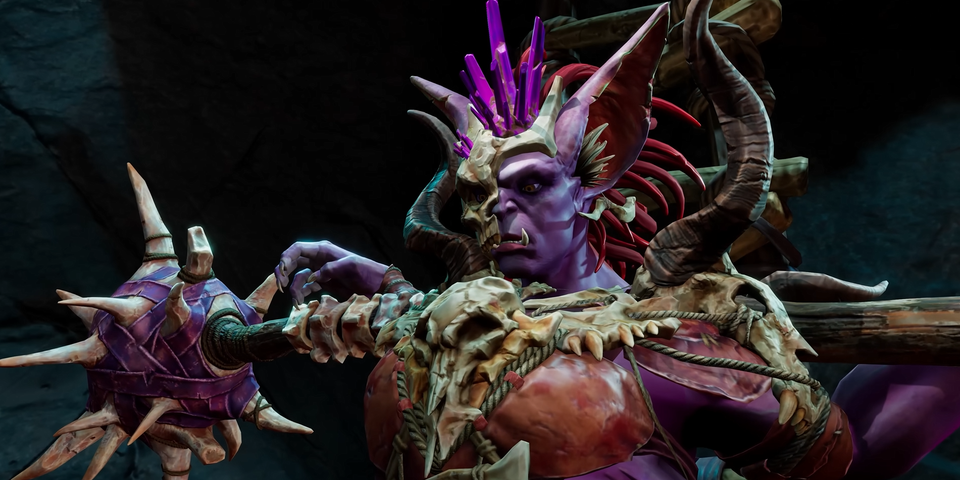
Sunderfolk's Rogue class, its player fantasy, and gameplay role is rather obvious, with it sharing the same name with Dungeons and Dragons' own Rogue class. Of course, this would lead one to assume that Sunderfolk's take on the classic archetype wouldn't stray too far from what TTRPG fans have come to expect. However, the Rogue boasts a few unique abilities for anyone to keep in mind when selecting which class to play. Explaining the Rogue's character archetype in detail, Gordon said,
"Are the shadows your friend? Do you pick the perfect chance to strike, always staying one step ahead? Are you a playmaker who never misses an opportunity to show your skills? Then the Rogue is a great match for you."
For fans of D&D Rogues and similar classes, this description should sound fairly familiar. The element of surprise is always the Rogue's greatest weapon, as it allows them to evade capture and deal hefty damage all in one package. Gordon went on to describe more of the Rogue's abilities, which actually began to paint the picture of a very high-risk, high-reward playstyle.
Rogue Abilities
- Slice Twice: Move, hit an enemy twice, then move away or push them to get your Shroud ability. Shroud gives you extra damage on that second hit.
- Isolate: Get more movement to find the perfect prey, then deal damage. You deal extra damage if that enemy has no one adjacent to them.
- Myriad Blades: Become an agent of the shadows by attacking, teleporting, and attacking again.
- Pennypinch: Move, then attack, which creates gold, attack, create more gold, then move.
- Smoke and Mirrors: Attack, teleport away, and leave a decoy in your place.
- Soulthieve: Move, then target an adjacent creature with buffs. Steal those for yourself, then deal damage with your new buffs.
Rogue Fate Deck
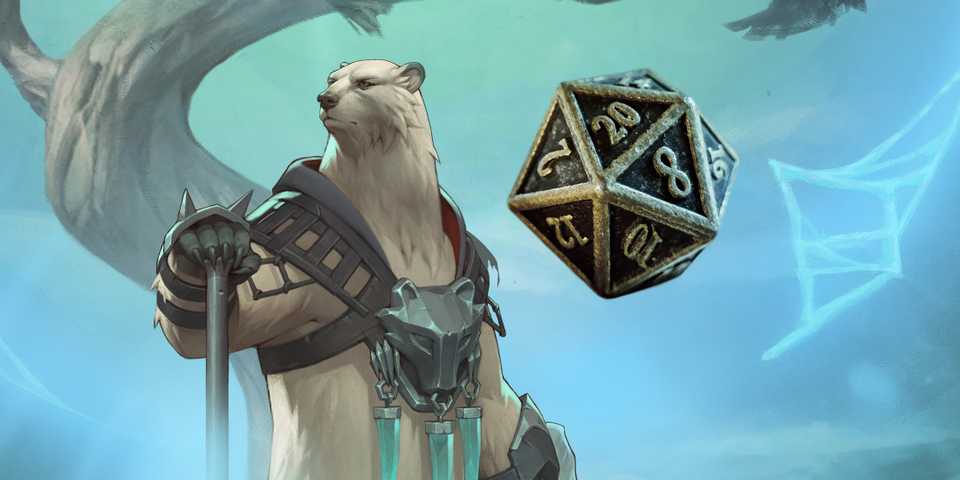
The Fate Deck is Sunderfolk's D20 and how effects of each attack impact an enemy. Players can customize these further with modifiers and the like, creating unique builds for each playthrough. A lot of the Rogue's Fate Deck will have modifiers for survivability, sneakiness, and movement, but also let them expand outward with more buff-stealing moves, the ability to create more decoys, and the like.
Rogue Ultimate
- Thousand Cuts: This ability grants the Rogue a Teleport next to an unwilling victim, then deals damage. If they’re under 8 health after the damage is dealt, they’ll automatically be executed. If they are defeated, you can repeat the entire ability again.
Sunderfolk's Rogue Class Allows Players to Live on the Edge
Similar to the Ranger, the Rogue boasts an array of abilities for getting around the battlefield, but the Rogue's mastery of stealth appears to be a bit of a double-edged sword. The Rogue needs to be more careful about their positioning than other classes, as getting caught outside the shadows could leave them without vital abilities and vulnerable to a counterattack.
Thankfully, this potential weakness is made up for in dividends. Not only does the Rogue boast one of the highest potentials for dealing damage, but it is also the only class that can completely dodge attacks. Both of these abilities can allow the Rogue to join the Berserker on the front line depending on the circumstances and player builds. Even when accounting for the dodge ability, the Rogue still isn't as resilient as the Berserker, so players will still have to be careful to rely on their teammates throughout each combat encounter.
The Rogue's design has a pretty clear audience: players who prefer a high-stakes game of cat and mouse. Thanks to its large damage output and evasive maneuvers, the Rogue actually has the potential to play either the cat or the mouse. The Rogue does have a few weaknesses to account for, which likewise add complexity to combat in general. Regardless, the Rogue appears to slot best into full parties and can prove one of Sunderfolk's most formidable fighters when given the proper support.




- Released
- April 23, 2025
- ESRB
- E10+ For Everyone 10+ // Fantasy Violence
- Developer(s)
- Secret Door
- Publisher(s)
- Dreamhaven
- Multiplayer
- Local Co-Op






WHERE TO PLAY


- Genre(s)
- Strategy, RPG, Tactical
