


Navigating the expansive universe of AMC’s The Walking Dead can be a daunting task. With nearly 30 seasons of television in the franchise, plus time jumps and intertwining storylines, understanding the chronological order of events is important to understanding the greater context. For first-time viewers and rewatchers alike, approaching the shows along their in-world timeline can provide a clearer picture of how the crumbling civilization affects the characters over time.
Since its debut in 2010, The Walking Dead has expanded into multiple spinoffs, exploring new settings, fresh characters, and different perspectives on survival. The franchise spans over a decade, covering space and time in the walker-infested world, from the outbreak's early days to rebuilding empires. This guide tracks the order of events as they happen to the characters, so viewers can experience The Walking Dead universe as if they were living in it.

The Walking Dead's Most Glaring Plot Holes
A deep dive into the most egregious inconsistencies across all eleven seasons of AMC's The Walking Dead.
The Walking Dead Timeline at a Glance
|
Show/Season |
Timeline Placement |
Key Events |
|
Fear the Walking Dead (Seasons 1–3) |
Outbreak begins |
Society collapses in real-time |
|
The Walking Dead (Seasons 1–8) |
Early years of apocalypse |
Rick’s leadership, rise of major communities |
|
Fear the Walking Dead (Season 4) |
Post-Saviors War |
Morgan joins, group rebuilds |
|
Tales of the Walking Dead (Season 1) |
Mixed timeline |
Standalone stories from different time periods |
|
The Walking Dead (Season 9) |
Six-year time jump |
Whisperers emerge, Rick’s departure |
|
The Walking Dead: The Ones Who Live |
Post-Rick departure |
Rick CRM time gap, Rick and Michonne’s return |
|
Fear the Walking Dead (Season 5) |
Post-Rick era |
Group seeks redemption |
|
The Walking Dead (Season 10) |
Whisperer War era |
Final battle against Alpha and Beta |
|
The Walking Dead: The World Beyond (Seasons 1–2) |
Post-Whisperer War |
Focus on CRM and young survivors |
|
The Walking Dead (Season 11) |
Main series' final chapter |
Commonwealth conflict |
|
Fear the Walking Dead (Seasons 6–8) |
Later years of apocalypse |
Nuclear explosion |
|
The Walking Dead: Daryl Dixon (Seasons 1–2) |
Post-main series |
Daryl’s European adventure |
|
The Walking Dead: Dead City |
Post-main series |
Maggie and Negan’s NYC mission |
Fear the Walking Dead (Seasons 1–3)
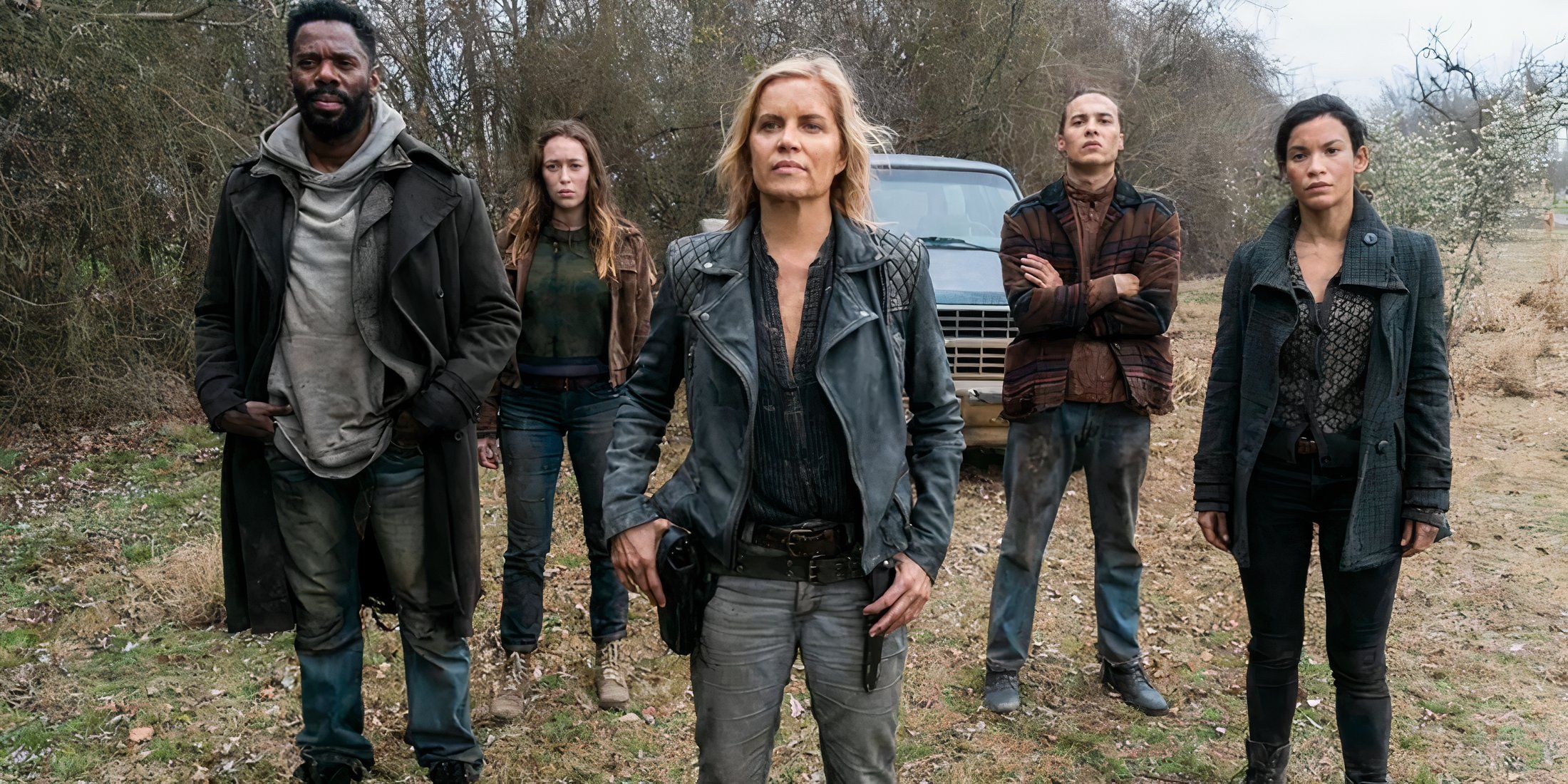
Fear the Walking Dead serves as a prequel to the original series, beginning just as the walker outbreak starts. The first three seasons introduce us to a new group of survivors led by Kim Dickens’ Madison Clark, a high school guidance counselor, her fiancé Travis Manawa, played by Cliff Curtis, and their family. Unlike The Walking Dead, which starts after society has already fallen, Fear the Walking Dead provides a slow burn of chaos, showing the world collapsing in real-time.
The first season primarily takes place in Los Angeles, where the characters struggle to understand the virus. As civilization begins to break down, the military takes drastic measures, forcing the survivors to flee. The second and third seasons shift the action to Mexico and Texas, where the group encounters different factions trying to establish control. These early-world seasons provide crucial context for the outbreak’s origins and how society initially tried—and failed—to contain the crisis.
The Walking Dead (Seasons 1–8)
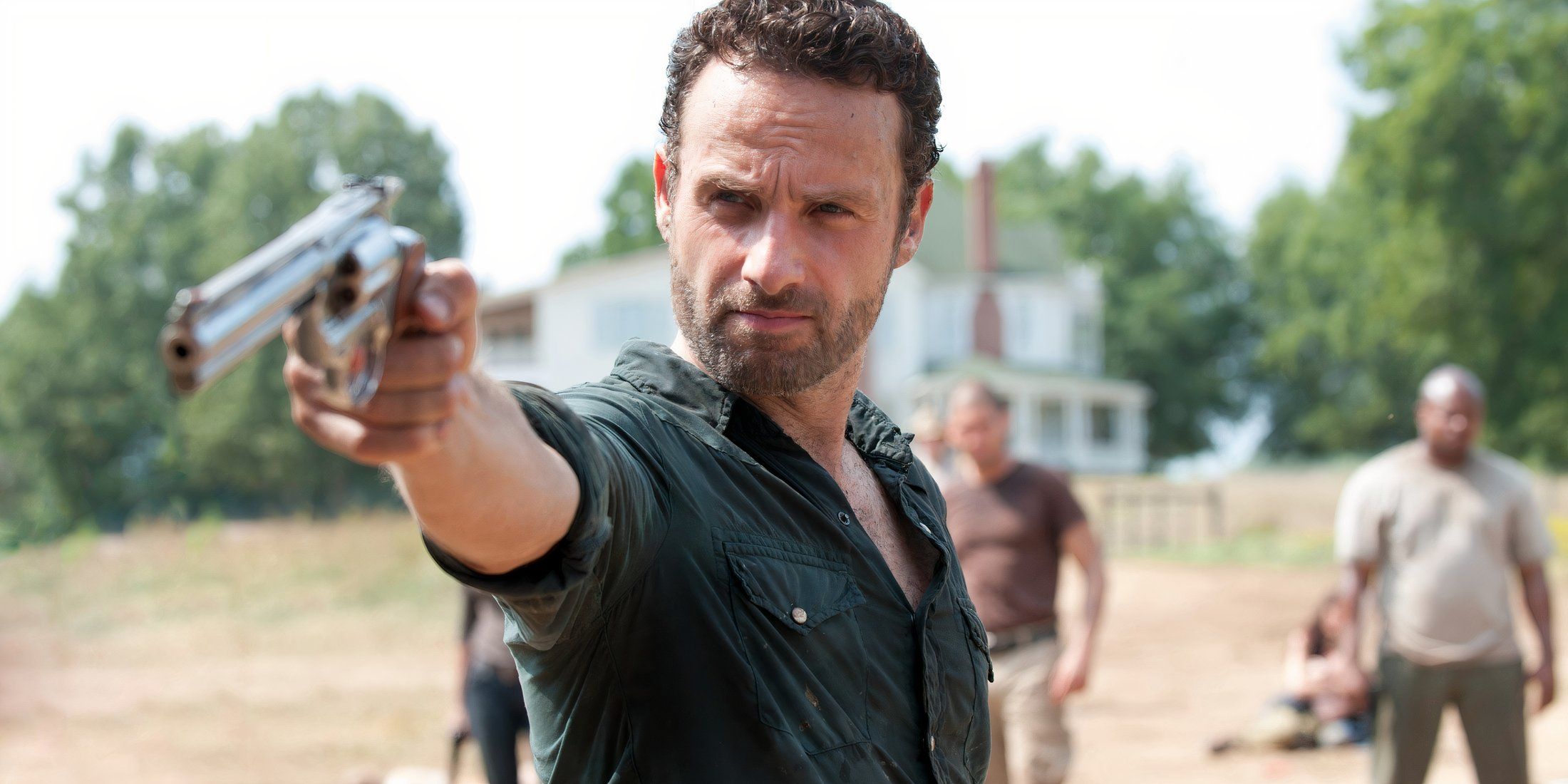
After Fear the Walking Dead sets the stage, the original series begins with The Walking Dead Season 1. This is where we meet Andrew Lincoln’s legendary protagonist, Rick Grimes, a sheriff’s deputy who wakes up from a coma to discover the world has been overrun by the undead. His journey to reunite with his family—Lori (Sarah Wayne Callies) and Carl (Chandler Riggs)—and build a safe community forms the foundation of the franchise.
Seasons 1 through 8 follow Rick and his growing group of survivors as they navigate life in the apocalypse. The show introduces iconic characters like Daryl Dixon (Norman Reedus), Carol Peletier (Melissa McBride), and Michonne (Danai Gurira). The group faces numerous threats, from roving bands of walkers to some of the franchise’s most terrifying villains, including the Governor (David Morrissey) and Negan (Jeffrey Dean Morgan). Season 8 culminates in a dramatic battle with Negan’s group, the Saviors. By the end of this era, leadership shifts, and the story prepares for a significant time jump.
Fear the Walking Dead (Season 4)
Season 4 of Fear the Walking Dead aligns with the timeline of The Walking Dead and introduces Lennie James’ Morgan Jones, a fan-favorite character from the original series. After leaving Rick’s group, Morgan ventures west and encounters a new set of survivors, including John Dorie (Garrett Dillahunt) and Althea (Maggie Grace). The survivors attempt to create a new community but face resistance from the brutal Vultures and the unpredictable nature of the apocalypse.
Note: This season was essentially a soft reboot for the FTWD spinoff and is crucial because it bridges the gap between Fear the Walking Dead and the main series.
Tales of the Walking Dead
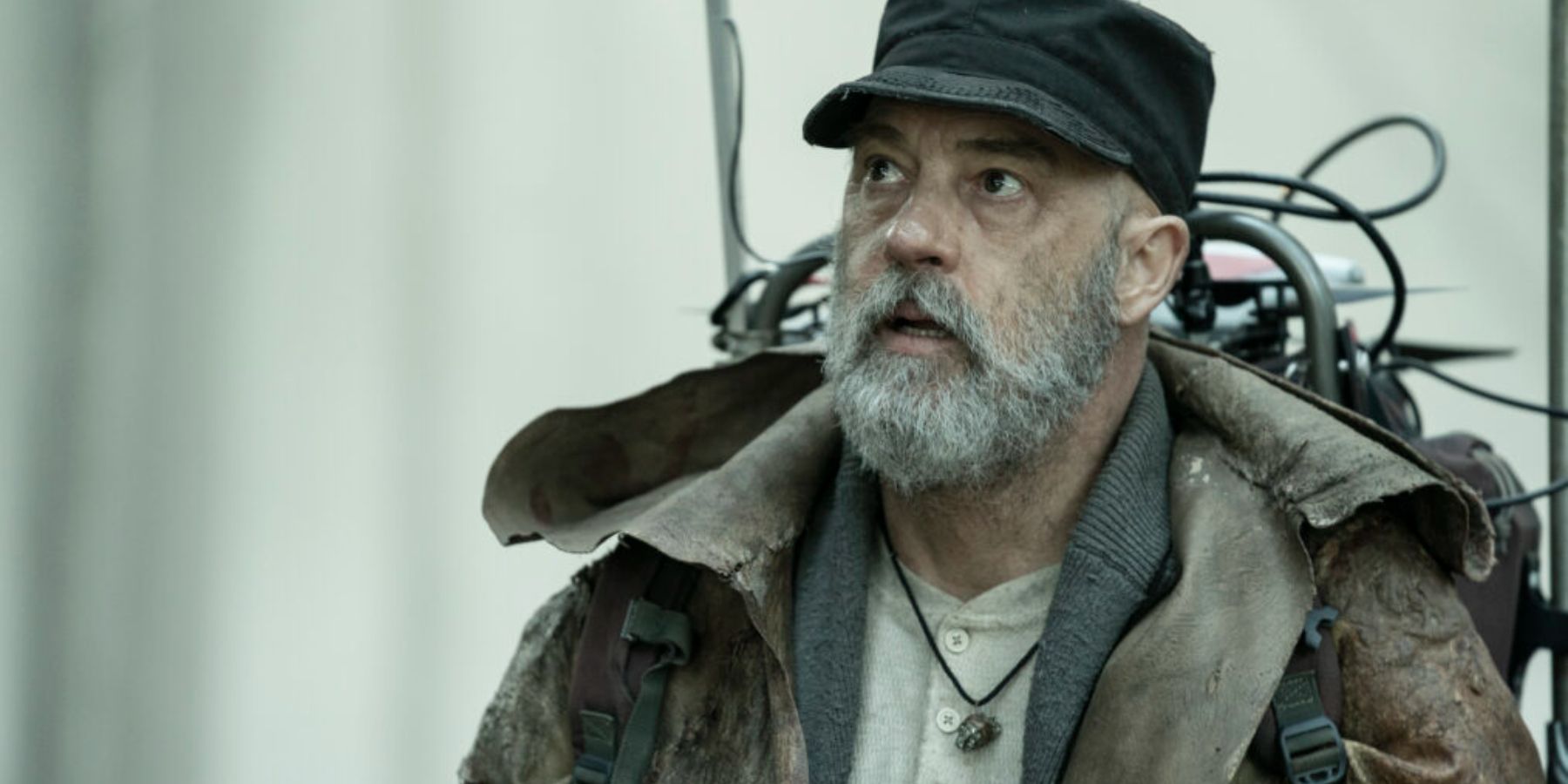
Tales of the Walking Dead is an anthology series set in The Walking Dead universe. It offers standalone stories about various characters at different points in the apocalypse. While the series doesn’t follow a linear timeline, most episodes occur around this period, after the zombie apocalypse.
Each episode presents a self-contained narrative, ranging from comedic to horror-driven tales. While not essential to the main timeline, this series enriches the world-building and gives fans a broader view of the apocalypse beyond the main storylines.
The Walking Dead (Season 9)
Season 9 is one of the most transformative seasons of The Walking Dead. The first half follows Rick Grimes as he makes a heroic sacrifice, leading to his presumed death. However, he is secretly taken by the mysterious Civic Republic Military (CRM), a subplot that will be explored in the miniseries The Ones Who Live.
The latter half of the season jumps forward six years, showing how Alexandria, Hilltop, and the Kingdom have evolved. It also introduces the Whisperers, a terrifying group that wears walker skins to blend in and control the undead. This season marks a turning point, as the series shifts from Rick’s leadership to a more community-driven narrative.
The Walking Dead: The Ones Who Live (Miniseries)

This highly anticipated spin-off finally reveals what happened to Rick after he was taken by the CRM in Season 9. The Ones Who Live follows Rick’s struggle within the heavily militarized organization, uncovering the truth about their power, operations, and the cost of survival. Meanwhile, Michonne embarks on a dangerous journey to find him, leading to an emotional reunion with far-reaching consequences.
There is some debate about where this season falls chronologically, as its events primarily occur alongside those of The Walking Dead Seasons 10 and 11. However, it does some work to fill the gap presented in Season 9, which is why it is placed here.
Fear the Walking Dead (Season 5)
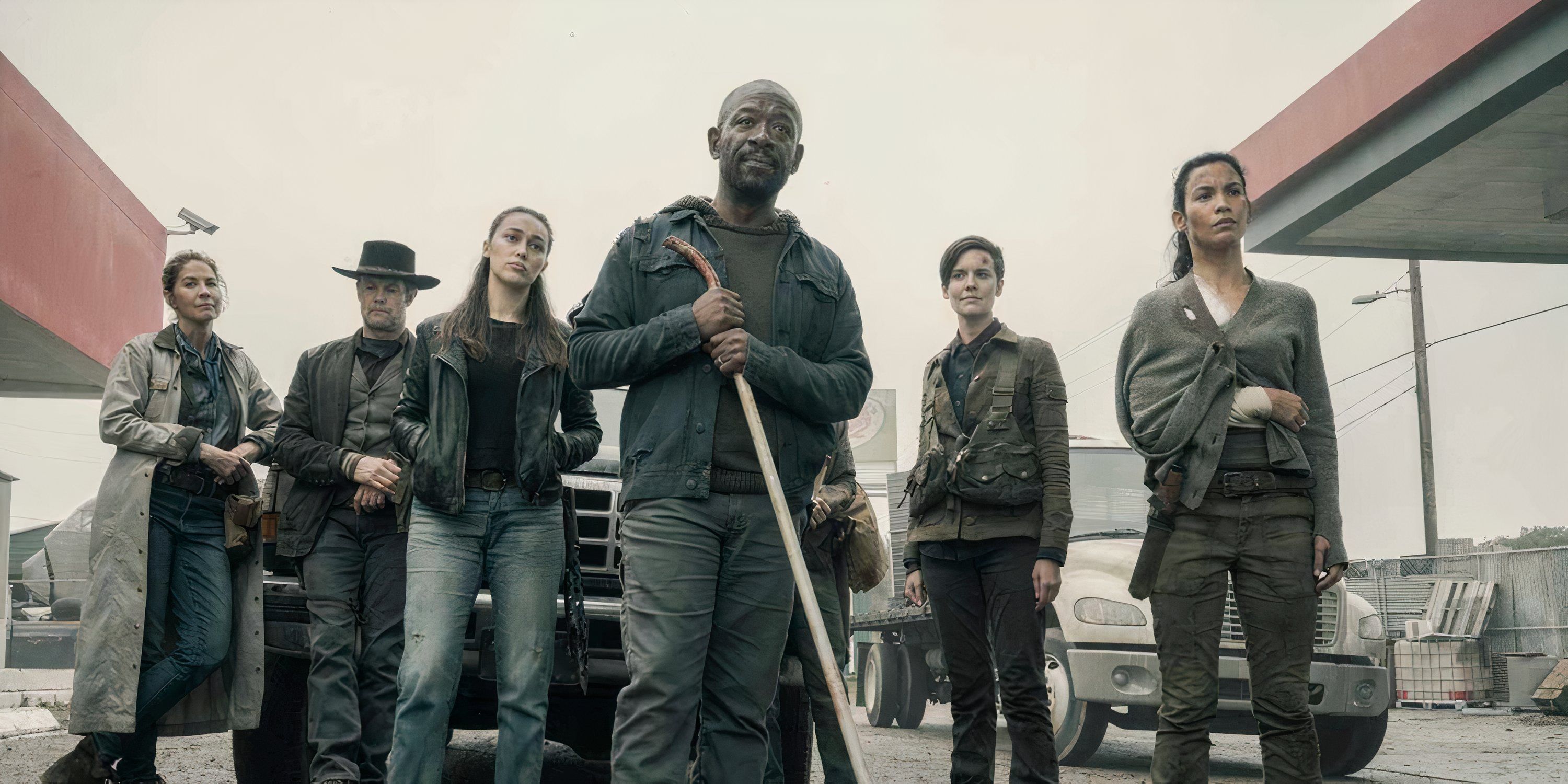
After the explosive events of Season 4, Fear the Walking Dead Season 5 follows Morgan’s group as they search for other survivors. Along the way, they encounter Matt Frewer’s Logan, a former ally-turned-antagonist who opposes their humanitarian efforts and seeks resources for his own gain.
The season also teases connections to the CRM, with the introduction of a black helicopter bearing the same symbol seen when Rick was taken. Season 5 is a pivotal installment as it deepens Morgan’s story while connecting the main cast’s CRM storyline.